



The Cost of Starting a K-9 Unit
According to the United States Police Canine Association (USPCA), insufficient public funding is the number one reason canine programs fail.

According to the United States Police Canine Association (USPCA), insufficient public funding is the number one reason canine programs fail. So be sure you know what your costs will be and that you can adequately meet them before starting out.
It can cost $20,000-$29,000 to start a K-9 unit, according to figures given by K-9 officers. And then you have to account for maintenance training and general living expenses for the dog, including food and vet care.
After initial training, maintenance training usually consists of either training at your own facility with equipment you purchase once for maybe $1,000 all together and use for about five years, or paying a nearby agency a nominal fee to train with them. Food is relatively inexpensive. You’ll probably need a 40-pound bag of kibble every five or six weeks. Vet bills can vary widely, however, from $400 on the low end to more than $1,000 a year. K-9s are in the line of fire with their trainers, and come in contact with the same hazards as human police officers. Depending on what you come across on the beat, your dog may need to be treated for walking on broken glass or being stabbed.
A dog is possibly the most important purchase for a K-9 unit. A single-purpose dog can cost $2,500–$4,000, without training, or very little. If you purchase a dog from a private vendor, they can be more expensive. A dog trained for dual purpose—for both patrol and narcotics, for example—can cost $8,000–$10,000.
Most K-9 officers and trainers suggest buying from a highly recommended private vendor who will provide the dog with some training and then having the K-9 handler go through most training with the dog. You can get discounts by going to training with local police departments that have their own training programs. Check out the possibilities in your area. Shorter training sessions might be available if your department can’t afford to pay for a full 10- or 12-week course, although the more complete training for handler and dog is always best.
A car can be a big expense, especially because if you don’t have extras lying around you might have to purchase a new one. It will have to be dedicated to your K-9 unit. Any car that you use for a K-9 will have to be converted. But you don’t have to do it all on your own with some plywood and bolts anymore. Readymade inserts available in different configurations and made specifically to fit your model of cruiser make conversion much easier. An insert for the back of a cruiser can cost $1,800, but it should last about five years. You can even use the same insert in a different model of car with the new adapter kits that are available. You can probably outfit a car with insert, temperature monitor, and door-popper for around $2,000.
Whatever your costs, make sure you take into account everything that you will need so neither you nor your administration is caught by surprise down the line.
More Patrol

Team Wendy Introduces the EXFIL Endurance Ballistic Helmet, Engineered to Reduce the Burden of Extended Wear
Team Wendy has launched its EXFIL Endurance, a new lightweight ballistic helmet engineered to deliver protection, comfort, and fit during demanding, extended operations.
Read More →
The First Responders Children’s Foundation National First Responders Day Roll Call of Heroes Ceremony Returns to Times Square, NYC
First Responders Children’s Foundation (FRCF), in collaboration with T-Mobile, will host the Roll Call of Heroes ceremony in Times Square to commemorate National First Responders Day on Wednesday, Oct. 28. During the event, FRCF will present 18 Hero Awards.
Read More →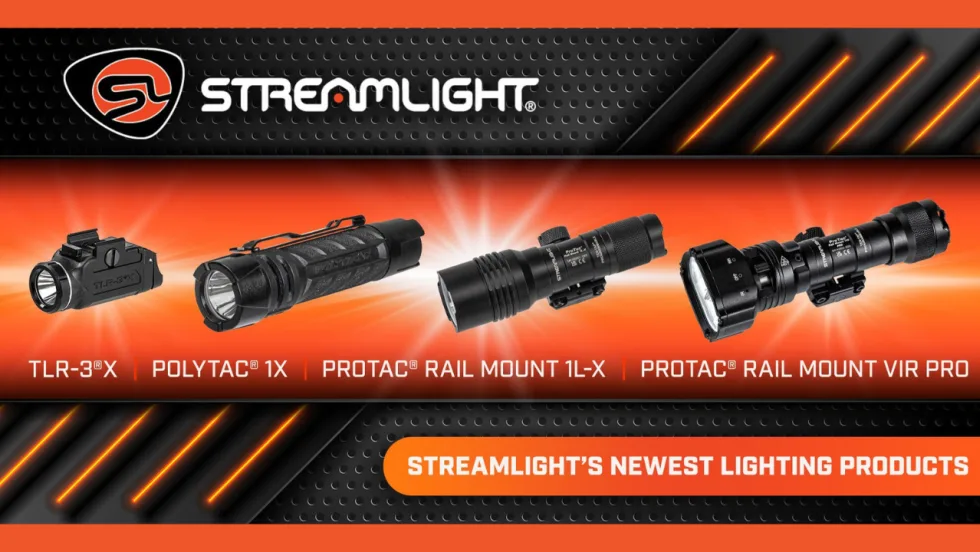
Streamlight to Showcase Newest Lighting Products for Law Enforcement Professionals at IACP 2026
Streamlight will showcase its newest lights for law enforcement at the International Association of Chiefs of Police Annual Conference & Expo. Featured lights will include the TLR-3 X, the PolyTac 1X, and more.
Read More →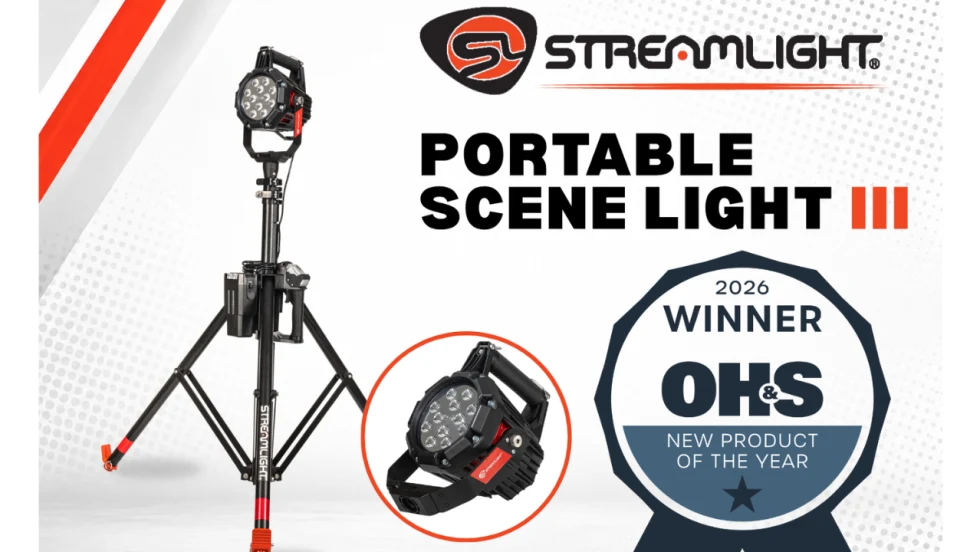
Streamlight Portable Scene Light III Wins 2026 OH&S New Product of the Year Award
Streamlight’s Portable Scene Light III has won the 2026 Occupational Health & Safety (OH&S) New Product of the Year Award in the Lighting category.
Read More →
Adept Armor Introduces Two New Rifle Plates
Adept Armor has launched two new Level IV ballistic plates, the Emperor and the Archon Mark 2, which brings Adept Armor’s new Quatroid ceramic to the high-threat, performance-value center of the range at 5.2 pounds.
Read More →
POLICE Product Test: Benchmade Bailout
The Benchmade Bailout is a slim, lightweight carry knife with a deep-ride pocket clip and comes in a variety of blade steels and scales. Here is a detailed review of the Taiga Green Bailout, released earlier this year.
Read More →
NLEOMF Announces July 2026 Officer of the Month
NLEOMF honored a Michigan deputy sheriff as the July 2026 Officer of the Month for rescuing a trapped driver from a burning vehicle following a Fourth of July crash.
Read More →
Streamlight to Showcase Newest Lighting Products at National Safety Council’s Safety Congress & Expo 2026
Streamlight will showcase its latest lights, including the Portable Scene Light III and the LiteBox 1Million, at the 2026 National Safety Council (NSC) Safety Congress & Expo.
Read More →
The 2027 World Police & Fire Games Set for Perth, Australia
The 2027 World Police & Fire Games (WPFG) will take place in Perth, Western Australia, from Friday, March 12 through Sunday, March 21, 2027.
Read More →
5.11 Partners with National Fallen Firefighters Foundation to Support #ForThe343
5.11 has joined the nationwide movement honoring the 343 New York City Fire Department firefighters lost on Sept. 11, 2001.
Read More →