



Crimes at ATMs
Banks like ATMs because they don't require renting a whole building or paying a teller to provide services to their customers. Citizens love ATMs for the convenience. Robbers also love Automated Teller Machines.

As a society, we sacrifice safety for convenience. However, the safest method is usually the least feasible or most time consuming. So we give up a little safety to do things quickly.
An example of this is the use of Automated Teller Machines (ATMs). Think of the safest way to remove money from a bank: walk inside the bank and have the teller hand you the money. This would entail driving to the bank, getting there during business hours, filling out the paperwork, standing in line, dealing with the teller, then driving to the location where you want to spend the money. Safe, but hardly a convenient way to transact business. We have grown accustomed to having ATMs everywhere so we can quickly withdraw cash and continue on our way.
Convenient Cash
Automated Teller Machines were introduced in the United States in the late 1960s. They have become a staple of the banking business, transacting billions of dollars each year.
Banks like ATMs because they don't require renting a whole building or paying a teller to provide services to their customers. The bank does not have to pay a security guard and there is minimal overhead from utilities. Many non-bank customers have to pay a transaction fee, which doesn't hurt the bank's bottom line. The bank is also able to spread its image of providing convenience to its customers, gaining business in remote locations where a branch would not be feasible.
Citizens love ATMs for the convenience. No longer does a good night have to end due to lack of funds. A swipe of the card, enter a few numbers, and the party is back on. Customers don't seem to mind the transaction fee and love the accessibility of ready cash.
Easy Marks
Robbers also love Automated Teller Machines.
They like the fact that unmarked cash in small denominations is being steadily withdrawn. They like the fact that the convenient placement of ATMs often means the machines are in remote locations. They like the fact that ATMs are financial institutions that operate in absence of any security guards. They like the fact that people traditionally transact their banking business alone. They like the fact that many people using an ATM after 10 p.m. may be somewhat impaired.
Most of all, robbers like the fact that they can stake out an area near an ATM and wait for the right victim to come along.
Preventing Crimes
Much can be done to prevent victimization of ATM patrons, but most of it has to be coordinated in advance. This responsibility may fall to the community policing division or a special liaison appointed by your agency to work with banks.
The department should encourage banks to create an environment around the ATM that will deter crime, starting with the placement of the machine. Ideally, the ATM should be placed in an area that is easily viewed by passing traffic. This will create an environment where the regular flow of pedestrian and vehicular traffic provides natural surveillance.
Many ATMs were added onto bank buildings after the structures had been built. This placed the ATMs behind the banks or down alleys. This placement, coupled with a wall built for "privacy," creates the perfect concealed location for a street crime to occur. If a certain ATM is the scene of repeated robberies, the bank may want to consider closing it during late night and early morning hours.
Alternative placements would be in front of the building closest to the roadway or near police headquarters. Only the most brazen criminal would commit a street crime in police headquarters. Other friendly locations that should be considered include fire stations, hospitals, post offices (the ones that load mail all night), fast food restaurants, and convenience stores. These entities are open all night and frequented by good citizens.
Once the location has been established, the bank should ensure that all landscaping around the ATM is cut below knee level. Lighting at and around the ATM should be adequate and well maintained. Other obstacles, such as dumpsters, large trash receptacles, and self-standing advertisements and display boards should be removed.
If they haven't already done so, the bank should also be encouraged to install a panic button, telephone, or similar device that will allow a victim to contact police during a criminal act. Your agency should discuss with the bank the feasibility of having an audible alarm sound when the panic button is pushed. This way not only will your agency be notified, but the surrounding community will also know if a crime occurs.
Catching Criminals
To catch offenders, work on developing a profile of who commits crimes at specific ATMs in your jurisdiction. Existing literature, police experience, and common sense indicate that these are not mastermind criminals. Someone who robs an ATM patron is likely to be a street-level drug user who is in desperate need of money for another fix. Crack addicts fit this general description.
When you're on patrol, be aware of anyone loitering in the area of an ATM who does not appear to be conducting bank business. A field inquiry with this individual will yield the person's level of intoxication and general comportment. This information can be invaluable to the street officer in preventing a crime at an ATM.
Once a crime has occurred, you, as the responding officer, should ascertain certain information from the victim and then get it out on the air as quickly as possible. First, find out what type of weapon the actor used. A gun or knife may indicate pre-planning, whereas a street weapon (brick, broken bottle, stick, verbal threats, etc.) indicates a lower level of criminal sophistication and the greater likelihood of a street-level drug user. Find out what specifically was said and the offender's general appearance; a jumpy, anxious offender may indicate an inexperienced actor.
Take this information and scour the local drug hot spots. Many times the information needed to solve the crime will be derived from citizens in the same general condition as the offender. Often, a relatively small reward ($200) will yield very useful information. This reward money should be secured by promise from the bank prior to any offense being committed; the reward can be confidently offered contemporaneous to the crime, and without waiting until the next morning for approval.
While the remote location of ATMs and off-hour usage can foster opportunities for crime, by working together police and banking institutions can fulfill their common mission to help citizens conduct their business without sacrificing safety, or convenience.
Det. Joseph Petrocelli is a 20-year veteran of New Jersey law enforcement. He can be contacted through SAFECOPS.com.
More Patrol

Team Wendy Introduces the EXFIL Endurance Ballistic Helmet, Engineered to Reduce the Burden of Extended Wear
Team Wendy has launched its EXFIL Endurance, a new lightweight ballistic helmet engineered to deliver protection, comfort, and fit during demanding, extended operations.
Read More →
The First Responders Children’s Foundation National First Responders Day Roll Call of Heroes Ceremony Returns to Times Square, NYC
First Responders Children’s Foundation (FRCF), in collaboration with T-Mobile, will host the Roll Call of Heroes ceremony in Times Square to commemorate National First Responders Day on Wednesday, Oct. 28. During the event, FRCF will present 18 Hero Awards.
Read More →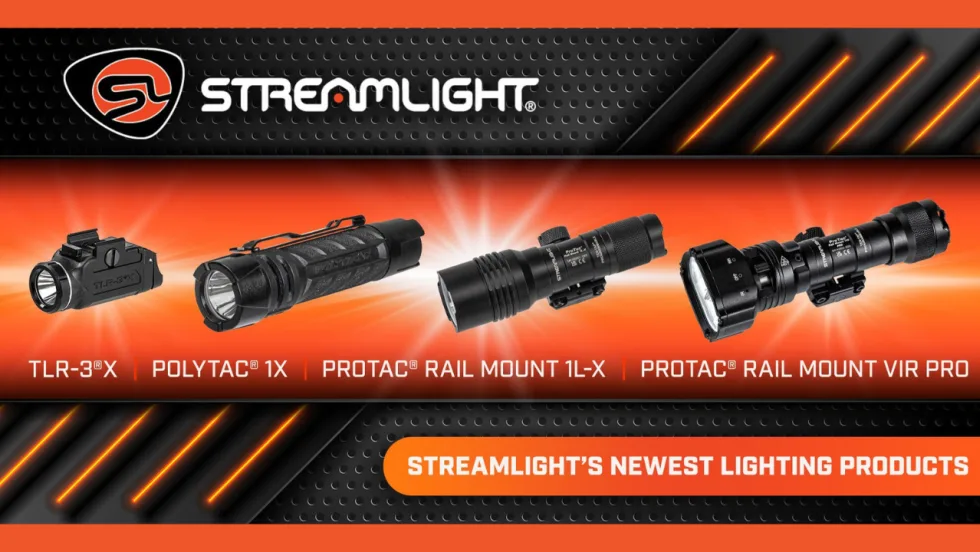
Streamlight to Showcase Newest Lighting Products for Law Enforcement Professionals at IACP 2026
Streamlight will showcase its newest lights for law enforcement at the International Association of Chiefs of Police Annual Conference & Expo. Featured lights will include the TLR-3 X, the PolyTac 1X, and more.
Read More →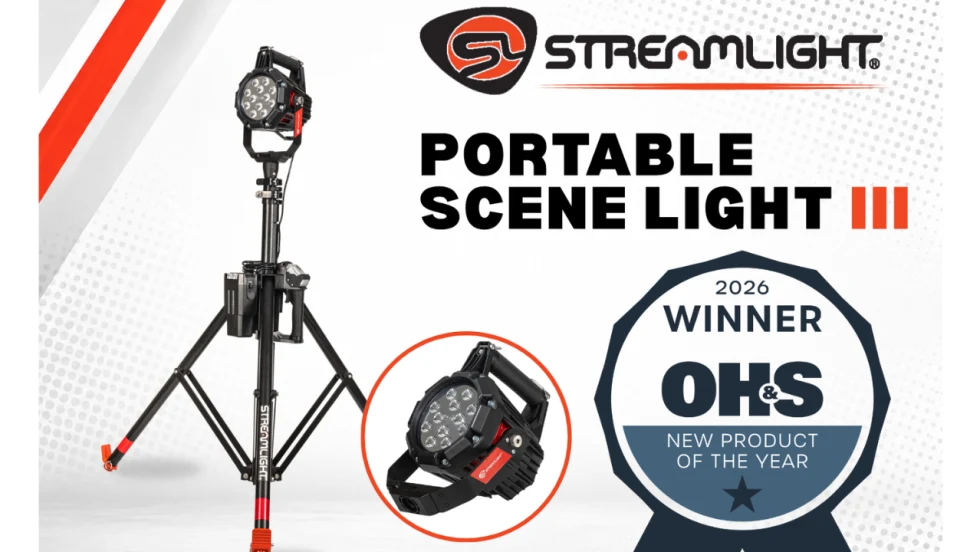
Streamlight Portable Scene Light III Wins 2026 OH&S New Product of the Year Award
Streamlight’s Portable Scene Light III has won the 2026 Occupational Health & Safety (OH&S) New Product of the Year Award in the Lighting category.
Read More →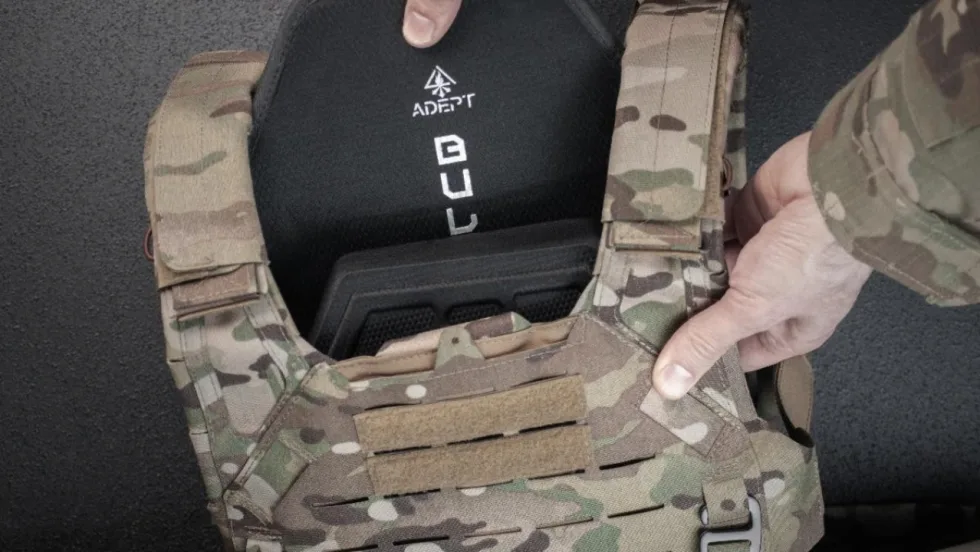
Adept Armor Introduces Two New Rifle Plates
Adept Armor has launched two new Level IV ballistic plates, the Emperor and the Archon Mark 2, which brings Adept Armor’s new Quatroid ceramic to the high-threat, performance-value center of the range at 5.2 pounds.
Read More →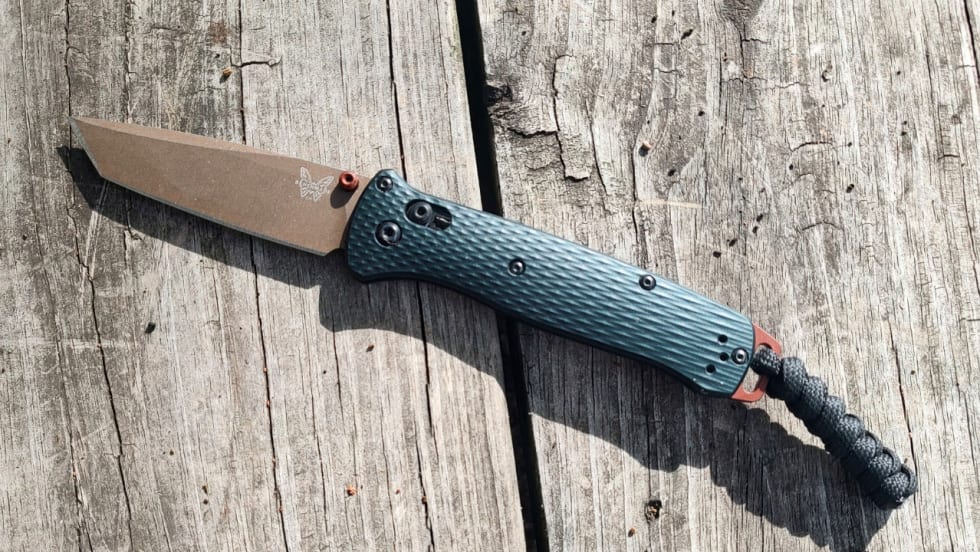
POLICE Product Test: Benchmade Bailout
The Benchmade Bailout is a slim, lightweight carry knife with a deep-ride pocket clip and comes in a variety of blade steels and scales. Here is a detailed review of the Taiga Green Bailout, released earlier this year.
Read More →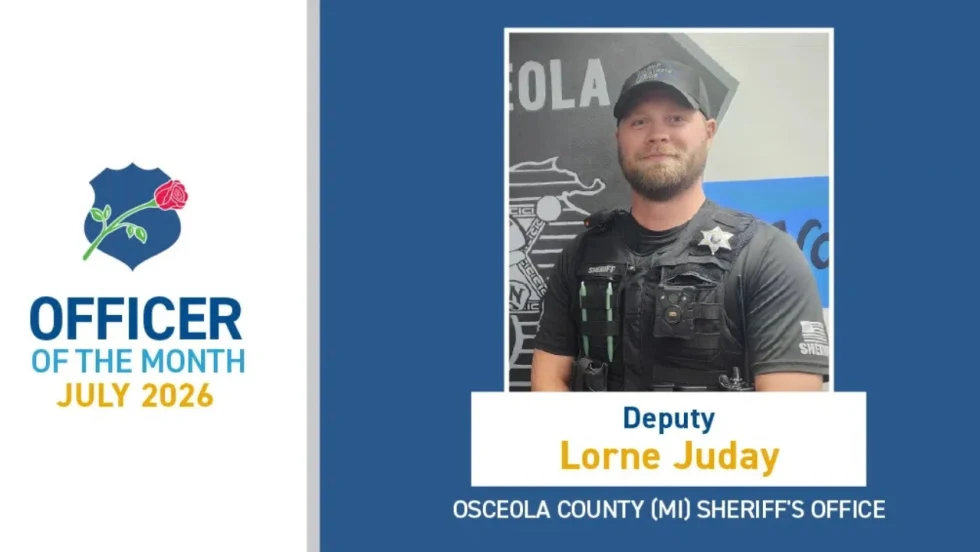
NLEOMF Announces July 2026 Officer of the Month
NLEOMF honored a Michigan deputy sheriff as the July 2026 Officer of the Month for rescuing a trapped driver from a burning vehicle following a Fourth of July crash.
Read More →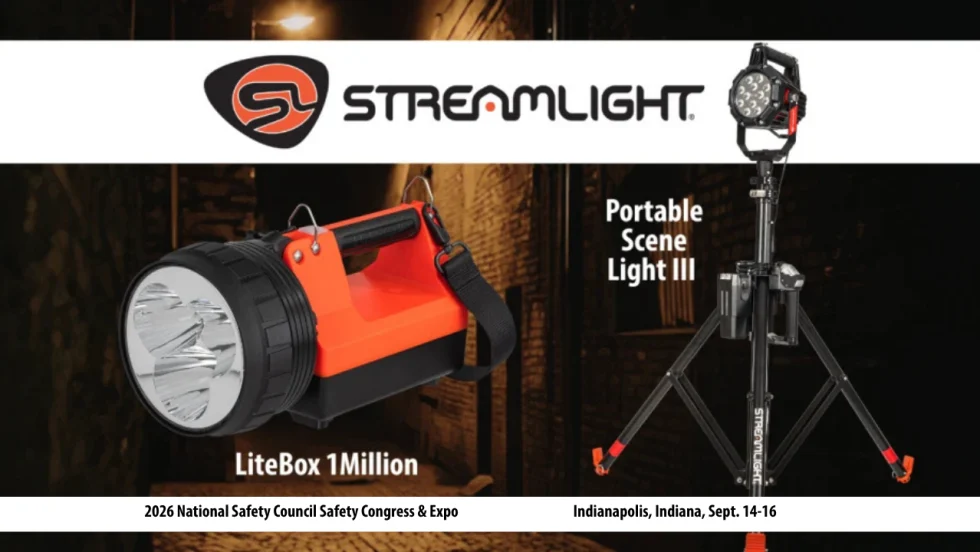
Streamlight to Showcase Newest Lighting Products at National Safety Council’s Safety Congress & Expo 2026
Streamlight will showcase its latest lights, including the Portable Scene Light III and the LiteBox 1Million, at the 2026 National Safety Council (NSC) Safety Congress & Expo.
Read More →
The 2027 World Police & Fire Games Set for Perth, Australia
The 2027 World Police & Fire Games (WPFG) will take place in Perth, Western Australia, from Friday, March 12 through Sunday, March 21, 2027.
Read More →
5.11 Partners with National Fallen Firefighters Foundation to Support #ForThe343
5.11 has joined the nationwide movement honoring the 343 New York City Fire Department firefighters lost on Sept. 11, 2001.
Read More →