



Theft from Cars
Thefts from cars usually involve a small amount of property value, but put a large strain on police resources. These thefts increase citizens' fear of crime and diminish the public confidence in their police.

Theft from parked cars is one of the most common complaints received by police departments. Though largely unreported, these thefts still account for at least one-third of all larcenies reported to police. Thefts from cars usually involve a small amount of property value, but put a large strain on police resources. These thefts increase citizens' fear of crime and diminish the public confidence in their police.
Many of these non-violent crimes seem to fall through the cracks in many agencies. Though theft from cars is prevalent, the value of items taken may not hit the threshold necessary to summon the detective bureau or criminal investigation unit. Fingerprints and other trace evidence are rarely collected. Many times the fruits of a theft from a car are located during other investigations (fencing operations, drug investigations, warrant service, etc.).
Often, thefts from cars occur in waves. There may be one actor or one small group of actors who target a large number of automobiles. In some cases, thieves will target vulnerable personal items such as laptop computers, GPS units, portable music players, pocketbooks, wallets, or even loose change. In other cases, a particular car part or accessory such as stereo equipment or air bags is targeted. Many jurisdictions find automobiles stripped of high-intensity xenon headlights. Trends show that older cars are hit for personal items because they lack security systems; newer cars are hit for their high-value components.
Narrowing the Suspect Pool
It is important for handling officers to note whether personal items or car components are being stolen. For example, if an agency determines newer cars are being hit for high-end parts and these parts are being fenced, it may be time to step up the enforcement of pawn shop tracking laws (most states require pawn shops to maintain a record of who is delivering items). If the pawn shops stop paying for the items, the thieves will stop stealing them. If a particular vehicle model is being targeted, the police can set up a sting operation using a bait car.
Identifying the trends is very important in stopping these mini crime waves. This may be accomplished by designating one officer to handle all the thefts from autos calls. This will, at least informally, have one astute officer looking for commonalities in the thefts, particularly as he has vested interest in stopping them.
This officer will look at the area in which the cars are hit. Are the thefts occurring in residential neighborhoods? On the street or from driveways? In malls? On dead-end or one-way streets? What areas do the perpetrators seem to avoid? Are the cars equipped with alarms? Is entry gained through unlocked doors or is forced entry used? Does the actor seem to have a master key? Are the articles taken for personal use (CDs, loose change) or for professional resale?
The subtleties of suspect-dependent concerns may be overlooked when a variety of officers are taking the theft reports, but also can otherwise lead an investigation to an individual actor, a ring of professionals, a car repair shop, or a pawn shop.
The designated officer will have to work with other agencies and share information. An actor may hit locations that are geographically close, but fall under different police jurisdictions. A shopping mall (municipal police), a train station (transit police), a college (campus police), a county park (county police), and a highway rest area (state police) may be located within five minutes of each other, and thefts that occur in each area will be reported to different agencies.
Proactive Approaches
Depending on the area that is being hit, different patrol tactics may have to be used. If residential crimes occur during special events (big high school football games attended by many citizens) a motorized roving patrol of neighborhoods would deter theft from autos that were left at home (this patrol would also impact residential burglaries). If thefts are occurring from parking lots at stadiums or shopping malls, mounted officers who sit very high would be a good deterrent. Bicycle patrols allow officers to cover a wider area.
If thefts are occurring in malls, officers may have to be stationed on the roof of the mall for a better view of pedestrian traffic walking between cars in the lot. These officers will also want to note where riders getting off a bus are heading; are they walking straight into the mall or meandering through the rows of cars close to the bus stop?
There may be environmental factors that contribute to the thefts. Do high hedges or overgrown vegetation provide cover for the criminals? Is lighting not repaired in a timely manner? Do broken fences allow access to otherwise secure areas?
Most police officers would consider these to be ticky-tack reports, but if a correlation can be shown between these environmental factors and thefts from cars, the officers would be more likely to write the report. It would then be up to the community policing division or the administration to make sure the proper agency makes the repairs.
Preventative Measures
A department can initiate a program to place notices on the windshields of vulnerable vehicles. First, a walking inspection can be conducted through a neighborhood, shopping mall, or parking lot. When valuable items are noted to be in plain view and attractive to a criminal, a notice with suggestions to remediate the problem would be placed on the windshield. It may also include information about reduced insurance rates that may be available for vehicles with anti-theft devices. Distributing flyers is a low-cost program that can be implemented using non-sworn personnel, including Explorers, scout troops, and other safety-minded citizens.
It is very difficult for police to prevent thefts from cars. Cars are literally everywhere and police simply cannot be everywhere. Police should work to identify hotspots and trends. When hotspots are located, police should be encouraged to provide extra patrol to the area. Reports can be completed from those locations and meal breaks can be taken in the area. Innovative programs can be implemented. Police must be proactive in identifying trends and creative in reducing the opportunistic environment that leads to thefts from cars.
More Patrol

The First Responders Children’s Foundation National First Responders Day Roll Call of Heroes Ceremony Returns to Times Square, NYC
First Responders Children’s Foundation (FRCF), in collaboration with T-Mobile, will host the Roll Call of Heroes ceremony in Times Square to commemorate National First Responders Day on Wednesday, Oct. 28. During the event, FRCF will present 18 Hero Awards.
Read More →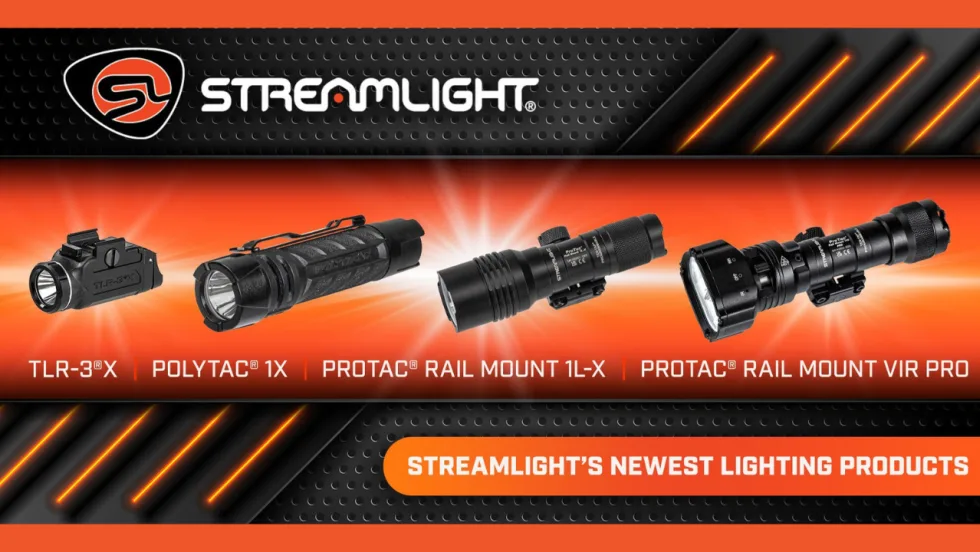
Streamlight to Showcase Newest Lighting Products for Law Enforcement Professionals at IACP 2026
Streamlight will showcase its newest lights for law enforcement at the International Association of Chiefs of Police Annual Conference & Expo. Featured lights will include the TLR-3 X, the PolyTac 1X, and more.
Read More →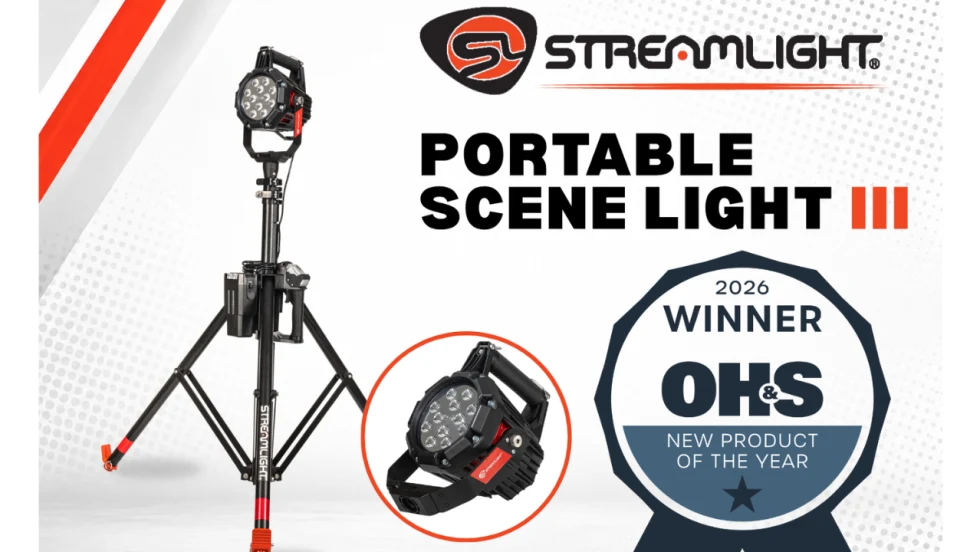
Streamlight Portable Scene Light III Wins 2026 OH&S New Product of the Year Award
Streamlight’s Portable Scene Light III has won the 2026 Occupational Health & Safety (OH&S) New Product of the Year Award in the Lighting category.
Read More →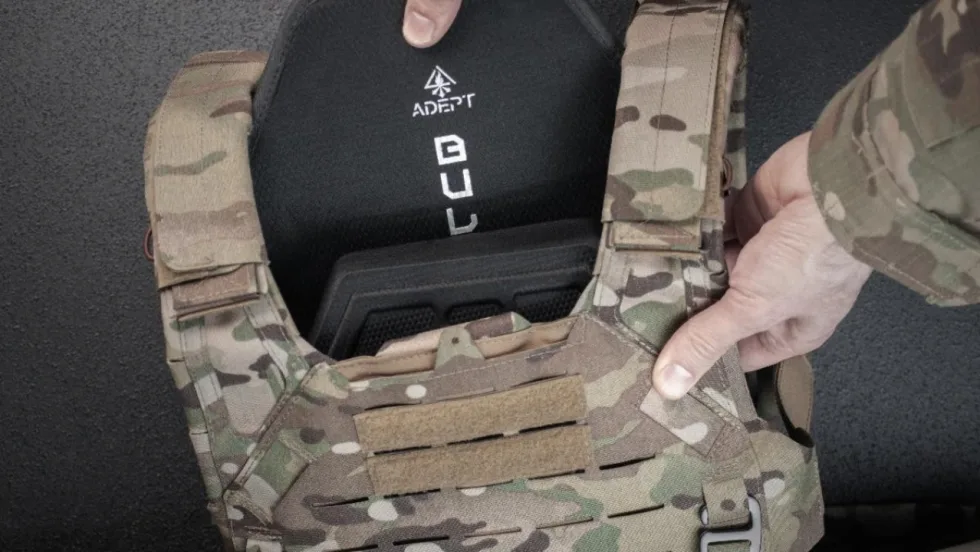
Adept Armor Introduces Two New Rifle Plates
Adept Armor has launched two new Level IV ballistic plates, the Emperor and the Archon Mark 2, which brings Adept Armor’s new Quatroid ceramic to the high-threat, performance-value center of the range at 5.2 pounds.
Read More →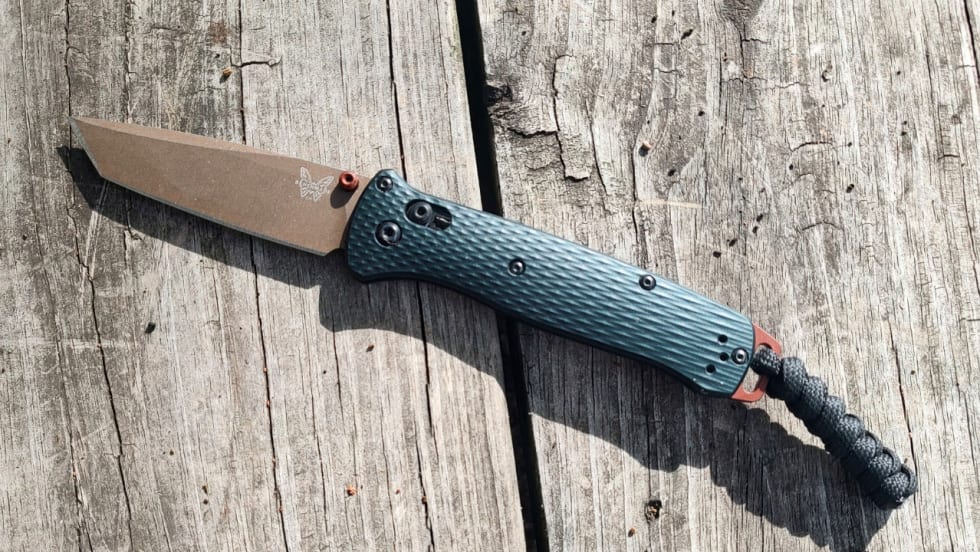
POLICE Product Test: Benchmade Bailout
The Benchmade Bailout is a slim, lightweight carry knife with a deep-ride pocket clip and comes in a variety of blade steels and scales. Here is a detailed review of the Taiga Green Bailout, released earlier this year.
Read More →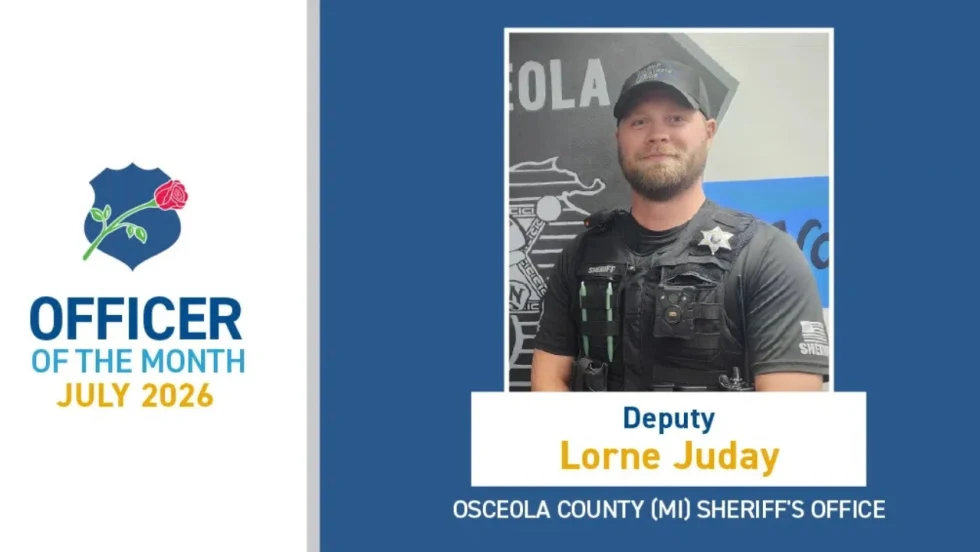
NLEOMF Announces July 2026 Officer of the Month
NLEOMF honored a Michigan deputy sheriff as the July 2026 Officer of the Month for rescuing a trapped driver from a burning vehicle following a Fourth of July crash.
Read More →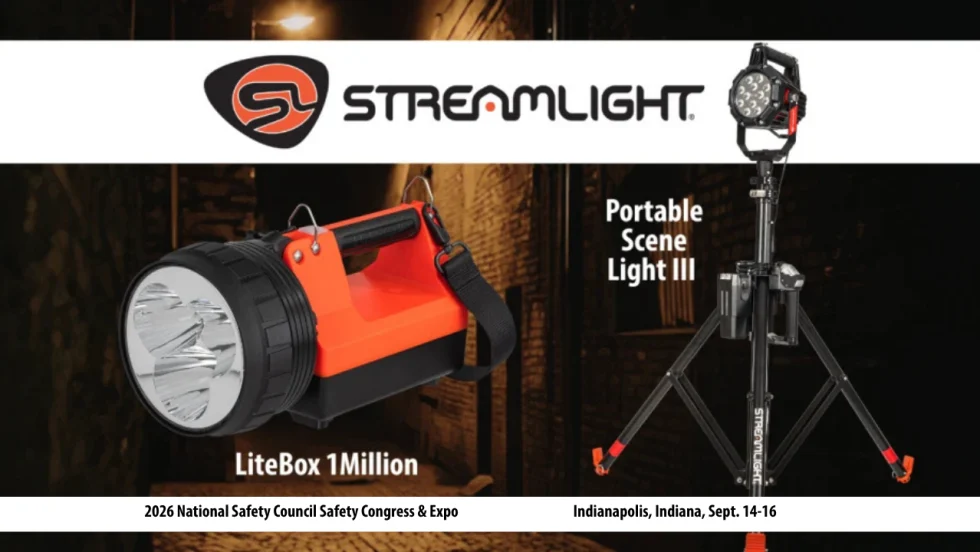
Streamlight to Showcase Newest Lighting Products at National Safety Council’s Safety Congress & Expo 2026
Streamlight will showcase its latest lights, including the Portable Scene Light III and the LiteBox 1Million, at the 2026 National Safety Council (NSC) Safety Congress & Expo.
Read More →
The 2027 World Police & Fire Games Set for Perth, Australia
The 2027 World Police & Fire Games (WPFG) will take place in Perth, Western Australia, from Friday, March 12 through Sunday, March 21, 2027.
Read More →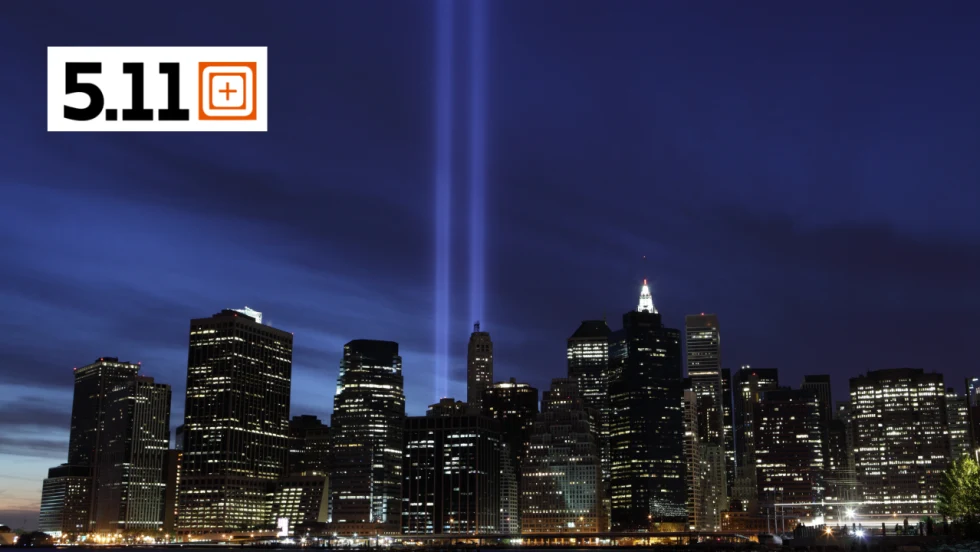
5.11 Partners with National Fallen Firefighters Foundation to Support #ForThe343
5.11 has joined the nationwide movement honoring the 343 New York City Fire Department firefighters lost on Sept. 11, 2001.
Read More →
Team Wendy Announces Title Sponsorship of the Jorge Pastore Foundation
Team Wendy’s 3-year partnership with the Jorge Pastore Foundation expands access to programs that strengthen those who serve.
Read More →