



Strip Searching Misdemeanor Arrestees
After issuing a series of decisions over the years that have been mostly deferential to custodial officials in managing their secure facilities, the U.S. Supreme Court has issued a new ruling on the constitutionality of visual strip searches of minor-offense arrestees.

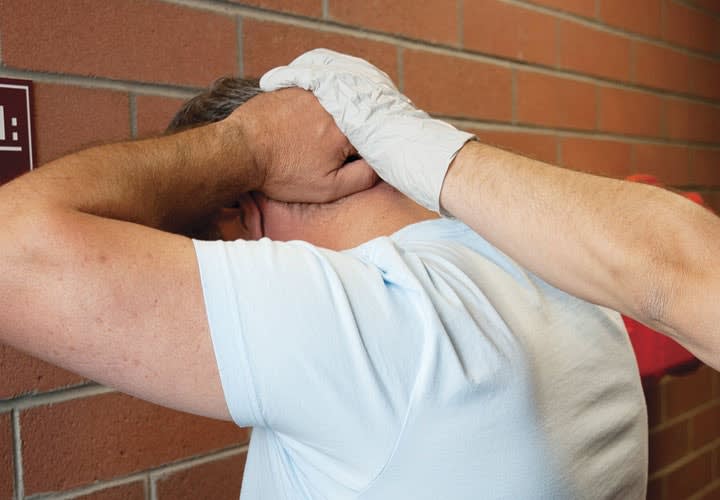
Photo: Mark W. Clark
Jails and prisons are dangerous places, filled with people who are either suspected or convicted of being criminals. Officials who are charged with maintaining security in lock-ups face the challenge of balancing the constitutional rights of inmates with the need to control risks of violence and infectious contagions.
Special problems arise when someone from the outside mixes with the inmate population. This could be a visitor or a new prisoner, either of whom might bring in concealed weapons, contraband, or communicable diseases. When a new prisoner headed for the general population has been arrested for a relatively minor offense, what constitutional standard should officers follow when deciding the proper scope of an intake search?
After issuing a series of decisions over the years that have been mostly deferential to custodial officials in managing their secure facilities, the U.S. Supreme Court has issued a new ruling on the constitutionality of visual strip searches of minor-offense arrestees.
The Background Cases
Price v. Johnston (1948). In this case, the court made clear that inmate status is inconsistent with the normal constitutional rules relating to privacy and freedom from official searches, saying that "Lawful incarceration brings about the necessary withdrawal or limitation of many privileges and rights, a retraction justified by the considerations underlying our penal system."
Lanza v. New York (1962). The court applied the Price rationale in upholding the right of jailers to surreptitiously record inmate conversations with visitors in the jail visiting room. Said the court, "It is obvious that a jail shares none of the attributes of privacy of a home, an automobile, an office, or a hotel room. In prison, official surveillance has traditionally been the order of the day."
Bell v. Wolfish (1979). Pre-trial detainees in a federal detention center sued to prevent strip searches and visual body cavity searches that were routinely performed after contact visits with outside visitors. The Supreme Court upheld the practice as a reasonable and necessary means of controlling institutional security. Rejecting the argument that these searches were incompatible with the presumption of innocence, the court said this:
"The presumption of innocence is a doctrine that allocates the burden of proof in criminal trials. But it has no application to a determination of the rights of a pretrial detainee during confinement before his trial has even begun. A detainee simply does not possess the full range of freedoms of an unincarcerated individual. Visual cavity searches are necessary not only to discover but to deter the smuggling of weapons, drugs, and other contraband into the institution."
Hudson v. Palmer (1984). A sentenced prisoner in Virginia filed suit over random shakedown searches, alleging they violated his "limited privacy rights." The Supreme Court disagreed, saying "A right of privacy in traditional Fourth Amendment terms is fundamentally incompatible with the close and continual surveillance of inmates and their cells required to ensure institutional security and internal order. Random searches are essential to the effective security of penal institutions. The Fourth Amendment proscription against unreasonable searches and seizures does not apply within the confines of a prison cell."[PAGEBREAK]Block v. Rutherford (1984). Pretrial detainees in the Los Angeles County jail sued to require jailers to allow them to remain during shakedown searches of their cells; the sheriff objected that this would compromise safety and allow inmates to see the various hiding places the deputies searched. Although the Ninth Circuit ruled in favor of the inmates, the U.S. Supreme Court reversed and ordered the suit dismissed.
Said the court, "We have emphasized that we are unwilling to substitute our judgment on these difficult and sensitive matters of institutional administration and security for that of the persons who are actually charged with and trained in the running of such facilities. We reaffirm that proper deference to the informed discretion of prison officials demands that they, and not the courts, make the difficult judgments which reconcile conflicting claims affecting the security of the institution, the welfare of the prison staff, and the property rights of the detainees."
Florence v. Board of Chosen Freeholders
The latest jail-search case from the Supreme Court (in 2012) applies the reasoning and rulings of the previous cases to the issue of strip searching arrestees prior to placement into the general jail population, when the arrest offense is comparatively minor and there is no reason to suspect that the arrestee is concealing weapons or contraband or is afflicted with a communicable disease.
Albert Florence had been ordered to pay a fine in connection with a New Jersey conviction. After he failed to make timely payment, the court issued a bench warrant for his arrest. The next week, Florence paid the balance of the fine, but the warrant was inadvertently left in the records system. When Florence was stopped for a traffic violation two years later, the trooper arrested him on the outstanding warrant.
At intake in both the jail where Florence was booked and a county detention facility to which he was later transferred, he was required to remove his clothes, take a shower under observation, and subject his body cavities to visual observation before being placed into the general population. No foreign objects were found, and Florence was released as soon as it was confirmed that the arrest warrant should have been recalled.
Florence then sued, claiming a violation of his Fourth Amendment rights based on the fact that his arrest was for a minor offense and there were no suspicions to justify a strip search. Although the federal district court ruled in Florence's favor, this ruling was reversed by the Third Circuit Court of Appeals. Florence then petitioned the U.S. Supreme Court for review, renewing his argument that custodial officers should not be allowed to strip search inmates arrested on minor charges, unless there were reasons to believe a search would disclose concealed weapons or contraband.
The Supreme Court rejected Florence's argument and his lawsuit. The court pointed out the practical reasons for allowing jailers to check for gang tattoos and signs of injury or disease, and to ensure that no weapon or contraband was being smuggled into the institution. The court summarized its ruling as follows:
"It is not surprising that correctional officials have sought to perform thorough searches at intake for disease, gang affiliation, and contraband. Jails are often crowded, unsanitary, and dangerous places. There is a substantial interest in preventing any new inmate from putting all who live and work at these institutions at even greater risk when he is admitted to the general population. People detained for minor offenses can turn out to be the most devious and dangerous criminals. The search procedures here struck a reasonable balance between inmate privacy and the needs of the institution."
Statutory Restrictions May Apply
In Florence, the court noted that although the Fourth Amendment does not prohibit intake strip searches before an arrestee is admitted to the general population, "Individual jurisdictions can of course choose to impose more restrictive standards through statutes." Numerous states have done so (including California, Colorado, Florida, Illinois, Iowa, Kansas, Kentucky, Michigan, Missouri, Tennessee, and Washington). Check with local advisors regarding application of the Florence ruling in your jurisdiction.
Devallis Rutledge is a former police officer and veteran prosecutor who currently serves as special counsel to the Los Angeles County district attorney. He is the author of 12 books, including "Investigative Constitutional Law."
More Patrol

Team Wendy Introduces the EXFIL Endurance Ballistic Helmet, Engineered to Reduce the Burden of Extended Wear
Team Wendy has launched its EXFIL Endurance, a new lightweight ballistic helmet engineered to deliver protection, comfort, and fit during demanding, extended operations.
Read More →
The First Responders Children’s Foundation National First Responders Day Roll Call of Heroes Ceremony Returns to Times Square, NYC
First Responders Children’s Foundation (FRCF), in collaboration with T-Mobile, will host the Roll Call of Heroes ceremony in Times Square to commemorate National First Responders Day on Wednesday, Oct. 28. During the event, FRCF will present 18 Hero Awards.
Read More →
Streamlight to Showcase Newest Lighting Products for Law Enforcement Professionals at IACP 2026
Streamlight will showcase its newest lights for law enforcement at the International Association of Chiefs of Police Annual Conference & Expo. Featured lights will include the TLR-3 X, the PolyTac 1X, and more.
Read More →
Streamlight Portable Scene Light III Wins 2026 OH&S New Product of the Year Award
Streamlight’s Portable Scene Light III has won the 2026 Occupational Health & Safety (OH&S) New Product of the Year Award in the Lighting category.
Read More →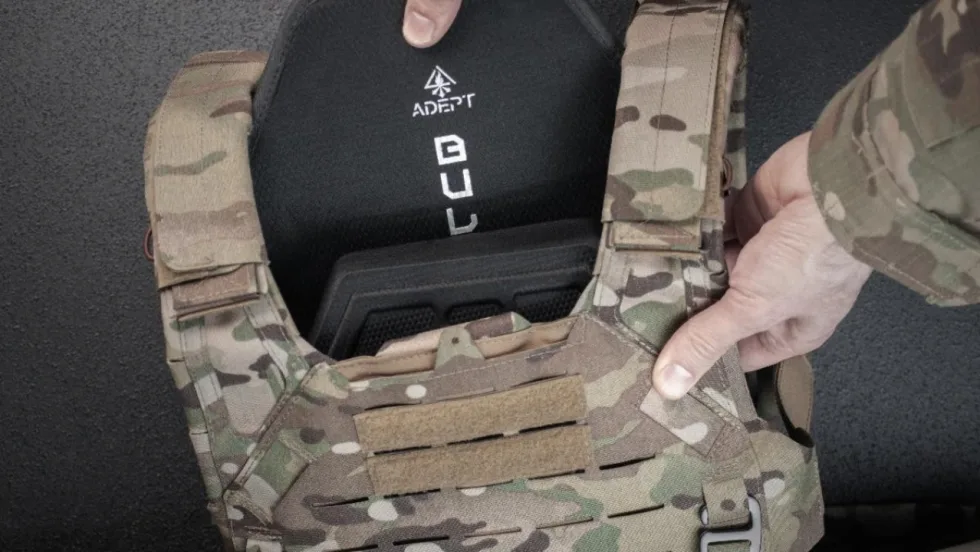
Adept Armor Introduces Two New Rifle Plates
Adept Armor has launched two new Level IV ballistic plates, the Emperor and the Archon Mark 2, which brings Adept Armor’s new Quatroid ceramic to the high-threat, performance-value center of the range at 5.2 pounds.
Read More →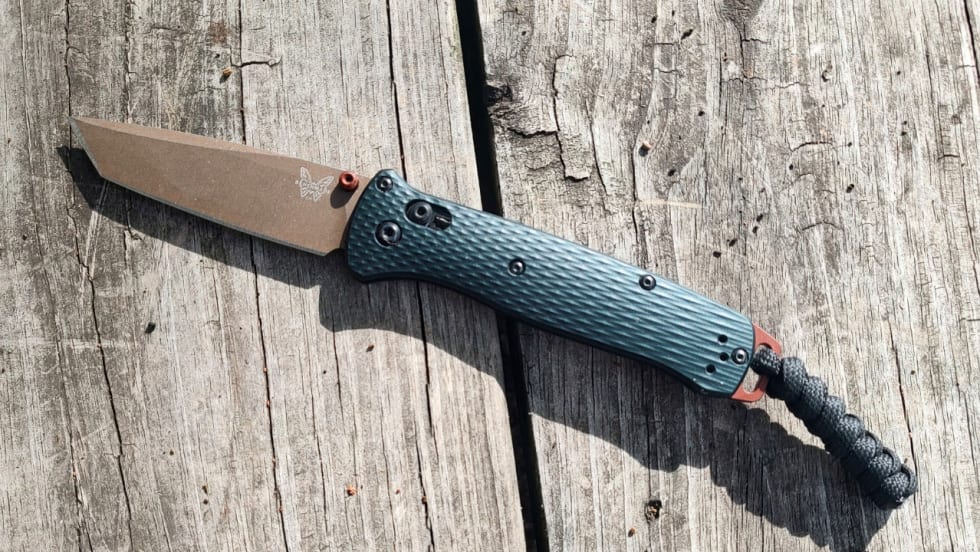
POLICE Product Test: Benchmade Bailout
The Benchmade Bailout is a slim, lightweight carry knife with a deep-ride pocket clip and comes in a variety of blade steels and scales. Here is a detailed review of the Taiga Green Bailout, released earlier this year.
Read More →
NLEOMF Announces July 2026 Officer of the Month
NLEOMF honored a Michigan deputy sheriff as the July 2026 Officer of the Month for rescuing a trapped driver from a burning vehicle following a Fourth of July crash.
Read More →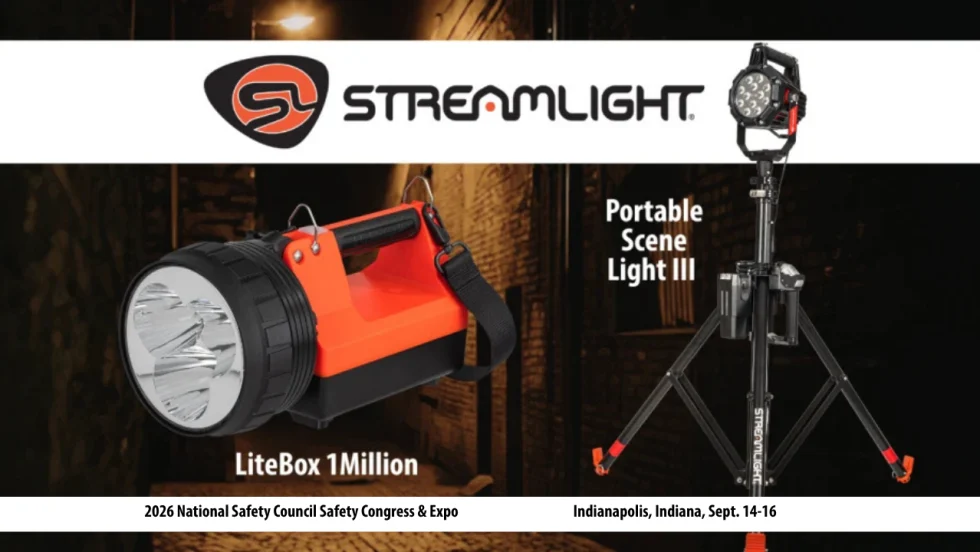
Streamlight to Showcase Newest Lighting Products at National Safety Council’s Safety Congress & Expo 2026
Streamlight will showcase its latest lights, including the Portable Scene Light III and the LiteBox 1Million, at the 2026 National Safety Council (NSC) Safety Congress & Expo.
Read More →
The 2027 World Police & Fire Games Set for Perth, Australia
The 2027 World Police & Fire Games (WPFG) will take place in Perth, Western Australia, from Friday, March 12 through Sunday, March 21, 2027.
Read More →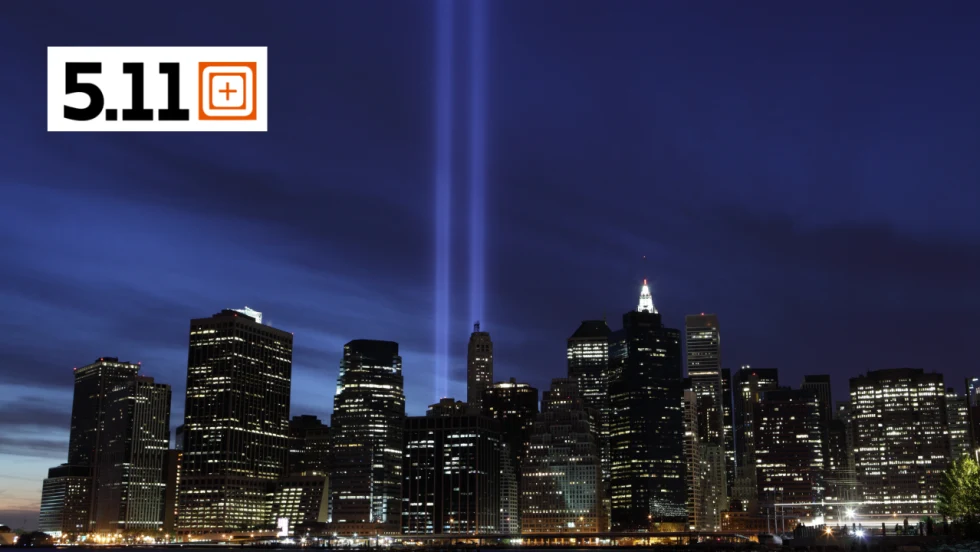
5.11 Partners with National Fallen Firefighters Foundation to Support #ForThe343
5.11 has joined the nationwide movement honoring the 343 New York City Fire Department firefighters lost on Sept. 11, 2001.
Read More →