



Officer Safety on the Road
Wear your body armor. Don't drive at speeds beyond your capabilities. And use your seat belt.


Photo: Kelly Bracken
In this issue of POLICE Magazine, we devoted a good amount of space to a discussion of whether ballistic helmets on patrol would prevent some officers from being killed by gunshot wounds to their heads. It's possible this could be a boon to officer safety but it's not a sure thing.
One thing that will definitely improve officer safety is to change your behavior in your rolling offices. By the end of April, vehicle-related duty deaths are up 42% over last year. In some of these incidents officers were struck by vehicles outside of their cars, but most involved collisions between patrol vehicles and other vehicles or single-car accidents in which officers ran off the road into hard stationary objects such as trees or light poles or hit ditches and rolled over. These are preventable deaths.
And you need to take action to prevent any more of them.
In many fatal patrol vehicle accidents, excessive speed is a major factor. I realize that when you receive a hot call, you want to get there as quickly as possible to help. That's commendable. But you have to get there to help. You are not providing backup for your fellow officers if you slam your patrol SUV into a tree or, worse, a carload full of innocent civilians just going about their business.
It's a given that you are going to drive faster than the public, and I have no problem with that. However, there are speed limits even for you. Your speed limit on a hot call is the speed that you can safely operate your vehicle.
Excessive speed not only makes it easier for you to lose control of your vehicle, it also makes it harder for you to react to what other drivers are doing. You, like every other mindful driver, have to operate your vehicle defensively. Don't let the adrenaline you feel on a hot call make you accelerate your vehicle to the point that you can't respond to the errors of the other guy. And never operate a vehicle beyond your ability to control it.
My first message this month is: Slow down. The other is: Wear your seat belt.
During the 1980s AIDS hysteria then Surgeon General C. Everett Koop was asked for what advice he would give a couple going on a date. The interviewer expected him to say something about "safe sex." What he said instead was: "Use your seat belts."
Thirty years later because of mandatory seat belt laws and other measures about 86% of all Americans wear seat belts in vehicles. In contrast, about 50% of cops wear seat belts in their patrol vehicles. Officer safety trainers have even told me they have ridden with officers who are religious about belting in when driving their personal vehicles but never do so on patrol.
Many officers ride around without buckling up because of misguided beliefs. When many states established "click it or ticket" laws, they exempted emergency personnel. This exemption was written into these laws so that paramedics can work on people in moving ambulances. It was not intended to be a mandate that all emergency personnel should be ejected from their vehicles in case of accident. There's also the belief that an officer will be trapped in a patrol car by a jammed seat belt during an accident. This can happen, but it is easily addressed. Keep a seat belt cutter or knife within easy reach in your vehicle.
But the number one misguided belief that leads officers to endanger their lives by driving around without seat belts is the fear of being unable to get loose from the belt during an ambush. I'm not going to say this is beyond the realm of possibility, but I have spoken with dozens of officers and trainers about this issue over the years and not one can document a case of it happening. Besides, you can counter this concern very easily through training. Practice unhooking your seat belt as you roll to a stop at a scene. That way you won't be belted in inside your stopped car if someone should attack you.
Every law enforcement officer wants to go home safely at the end of his or her shift. There are several simple things you can do to substantially improve your chances of doing so. Wear your body armor. Don't drive at speeds beyond your capabilities. And use your seat belt.
More Patrol
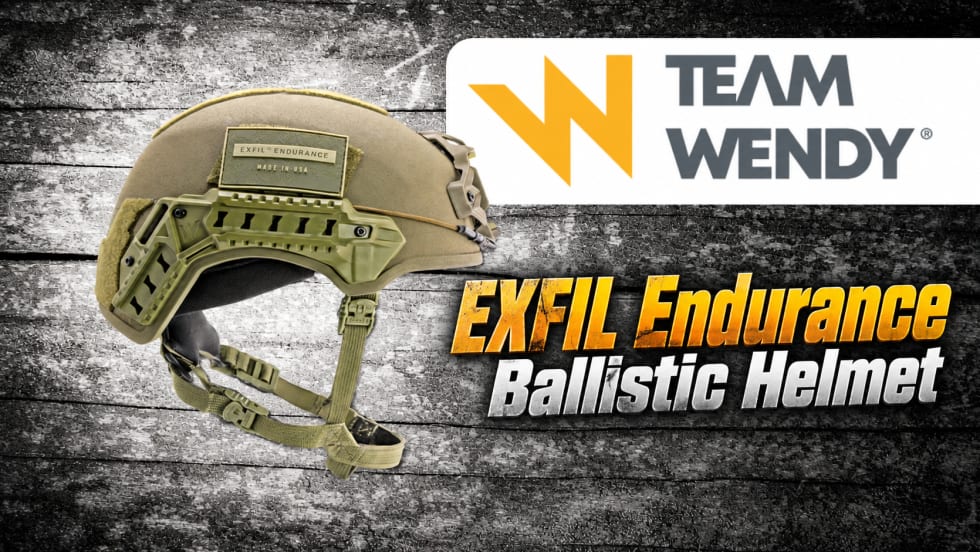
Team Wendy Introduces the EXFIL Endurance Ballistic Helmet, Engineered to Reduce the Burden of Extended Wear
Team Wendy has launched its EXFIL Endurance, a new lightweight ballistic helmet engineered to deliver protection, comfort, and fit during demanding, extended operations.
Read More →
The First Responders Children’s Foundation National First Responders Day Roll Call of Heroes Ceremony Returns to Times Square, NYC
First Responders Children’s Foundation (FRCF), in collaboration with T-Mobile, will host the Roll Call of Heroes ceremony in Times Square to commemorate National First Responders Day on Wednesday, Oct. 28. During the event, FRCF will present 18 Hero Awards.
Read More →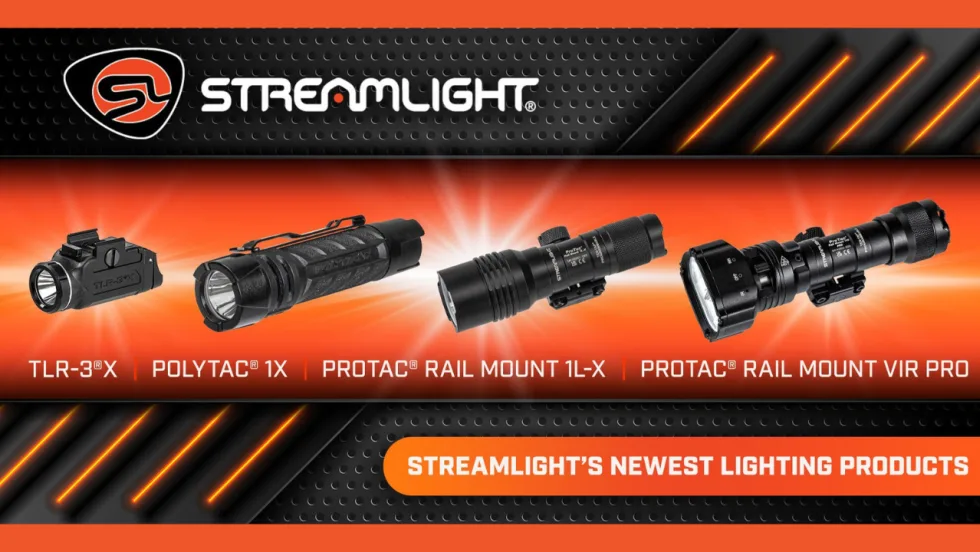
Streamlight to Showcase Newest Lighting Products for Law Enforcement Professionals at IACP 2026
Streamlight will showcase its newest lights for law enforcement at the International Association of Chiefs of Police Annual Conference & Expo. Featured lights will include the TLR-3 X, the PolyTac 1X, and more.
Read More →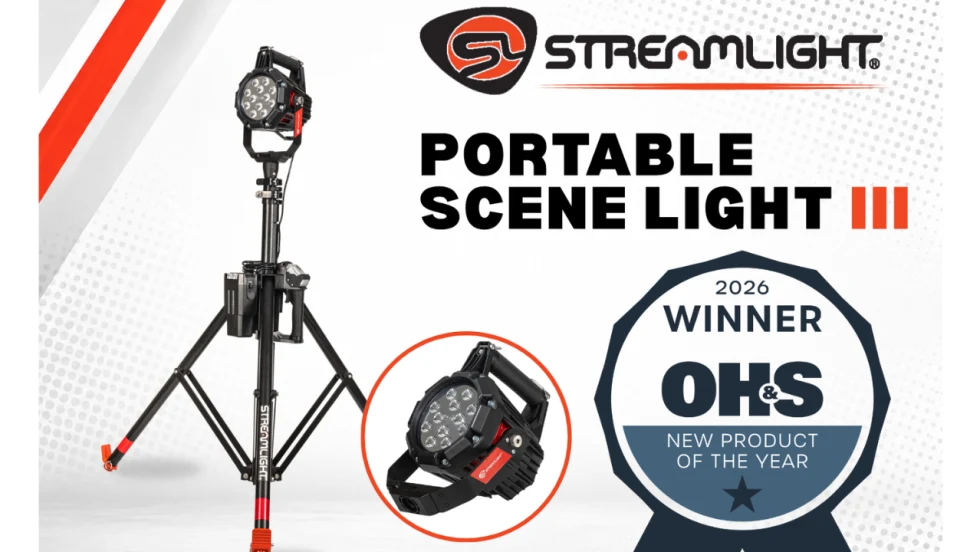
Streamlight Portable Scene Light III Wins 2026 OH&S New Product of the Year Award
Streamlight’s Portable Scene Light III has won the 2026 Occupational Health & Safety (OH&S) New Product of the Year Award in the Lighting category.
Read More →
Adept Armor Introduces Two New Rifle Plates
Adept Armor has launched two new Level IV ballistic plates, the Emperor and the Archon Mark 2, which brings Adept Armor’s new Quatroid ceramic to the high-threat, performance-value center of the range at 5.2 pounds.
Read More →
POLICE Product Test: Benchmade Bailout
The Benchmade Bailout is a slim, lightweight carry knife with a deep-ride pocket clip and comes in a variety of blade steels and scales. Here is a detailed review of the Taiga Green Bailout, released earlier this year.
Read More →
NLEOMF Announces July 2026 Officer of the Month
NLEOMF honored a Michigan deputy sheriff as the July 2026 Officer of the Month for rescuing a trapped driver from a burning vehicle following a Fourth of July crash.
Read More →
Streamlight to Showcase Newest Lighting Products at National Safety Council’s Safety Congress & Expo 2026
Streamlight will showcase its latest lights, including the Portable Scene Light III and the LiteBox 1Million, at the 2026 National Safety Council (NSC) Safety Congress & Expo.
Read More →
The 2027 World Police & Fire Games Set for Perth, Australia
The 2027 World Police & Fire Games (WPFG) will take place in Perth, Western Australia, from Friday, March 12 through Sunday, March 21, 2027.
Read More →
5.11 Partners with National Fallen Firefighters Foundation to Support #ForThe343
5.11 has joined the nationwide movement honoring the 343 New York City Fire Department firefighters lost on Sept. 11, 2001.
Read More →