



Looking Back: Semi-Autos, Shootouts, and SWAT Standards
In past March issues, POLICE has covered how to transition from revolvers to semi-automatics, awards for outgunned officers, and the first national tactical standards.

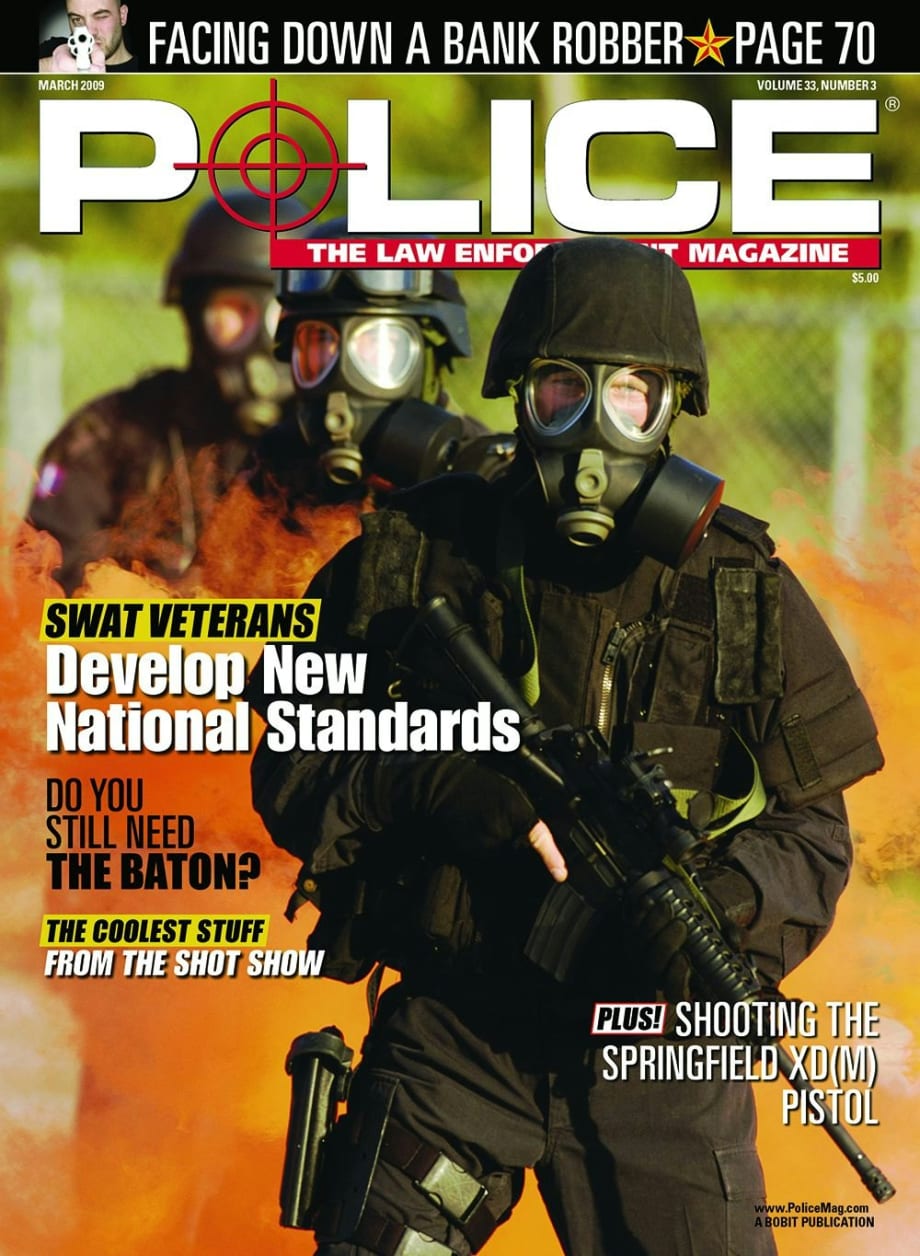
March 2009's cover story was on guidelines from the National Tactical Officers Association (NTOA).
Image: POLICE Magazine
Today's law enforcement officers conduct operations with certain strategies and equipment because of lessons learned in previous generations. Let's take a peek at articles that mark major law enforcement changes in March issues of POLICE 10, 20, and 30 years ago.
2009
Standardizing SWAT
The National Tactical Officers Association (NTOA) had just established guidelines for SWAT officers to follow on tactical operations when veteran SWAT officer Bob O'Brien explained in his article what they were and how they would affect officers. He wrote, "40 years after the creation of SWAT teams, the NTOA established the first-ever national SWAT standards. That's something that many SWAT practitioners and observers consider long overdue."
In 2015, the NTOA updated its SWAT standards and announced that "The new SWAT Standard has been renamed the NTOA Tactical Response and Operations Standard due to expansion beyond SWAT teams." This speaks to the evolution of incident response and the blurring of lines between tactical teams and patrol when it comes to not just who will respond to incidents but how and when.
While there is no formal national set of guidelines for tactical operations that all officers must follow by law, the NTOA and other organizations continue to update recommendations to improve law enforcement response as the concept continues to evolve.
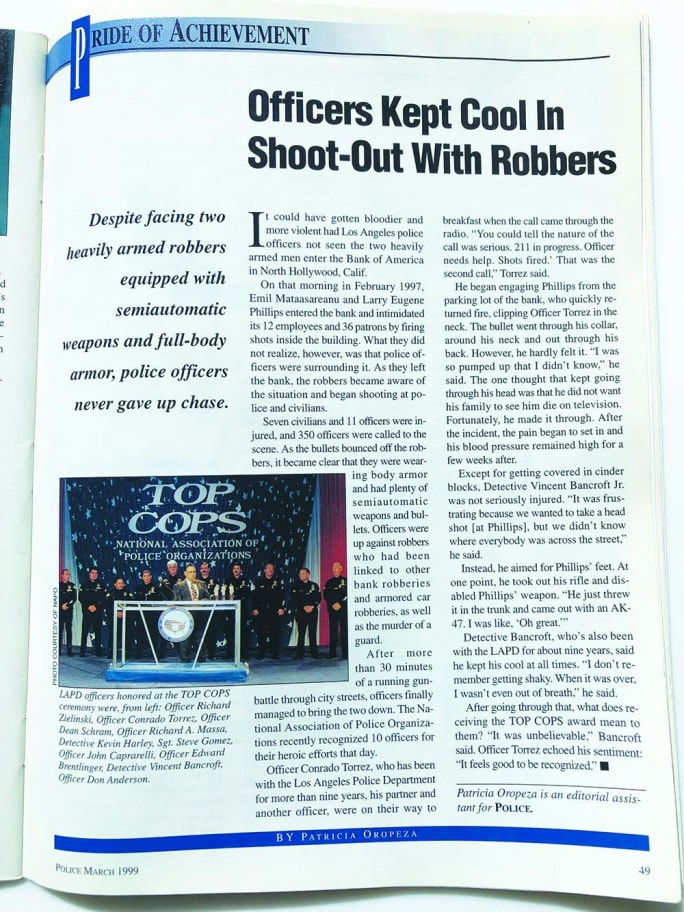
Officers outgunned in the North Hollywood received awards for their efforts.
Image: POLICE Magazine
1999
Officers Kept Cool In Shoot-Out With Robbers
The North Hollywood Bank Robbery in February 1997 is still remembered for its impact on law enforcement tactics and equipment.
"Seven civilians and 11 officers were injured, and 350 officers were called to the scene. As the bullets bounced off the robbers, it became clear that they were wearing body armor and had plenty of semiautomatic weapons and bullets." The article goes on to say that the National Association of Police Organizations (NAPO) "recognized 10 officers for their heroic efforts that day" during the Top Cops ceremony.
Largely because of this televised and very public incident, law enforcement agencies nationwide recognized the need to equip more officers with long guns and armor-piercing ammunition so they would not be caught unprepared for a similar situation in the future.
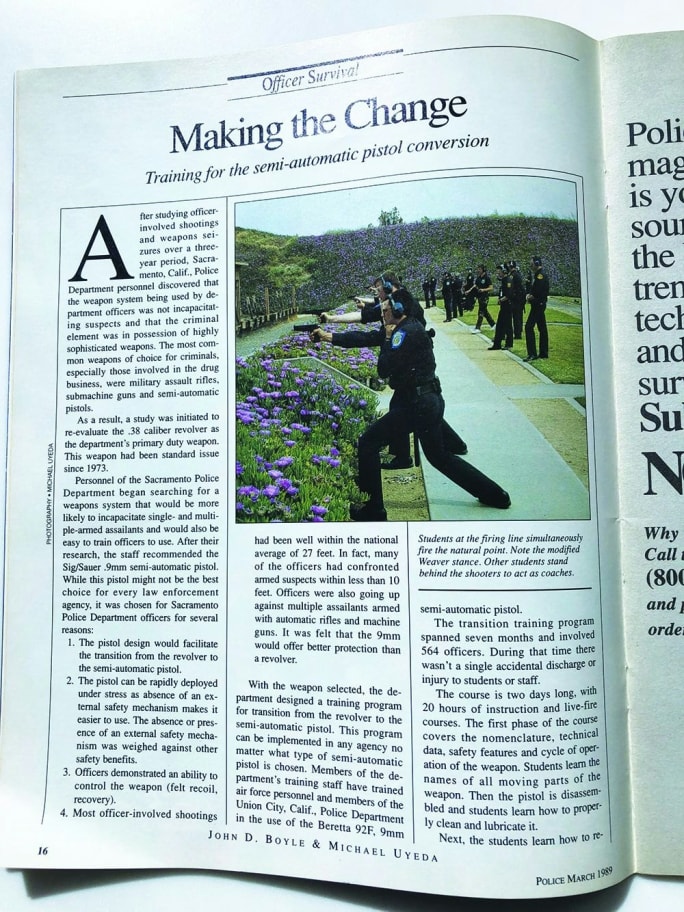
In 1989, revolvers were still the standard duty weapon for many law enforcement officers. But that was about to change. The deck reads, "Training for the semi-automatic pistol conversion."
Image: POLICE Magazine
1989
Making the Change
In 1989, revolvers were still the standard duty weapon for many law enforcement officers. But that was about to change. The deck reads, "Training for the semi-automatic pistol conversion."
The Sacramento (CA) Police Department conducted a study and found officers' weapons were "not incapacitating suspects" and that criminals were using much more advanced weapons. "The most common weapons of choice for criminals…were military assault rifles, submachine guns and semi-automatic pistols," the article says.
Armed with this information, the department decided to transition from the .38 caliber revolver that had been standard issue since 1973 to a 9mm semi-automatic pistol. They determined this new weapon would be more likely to incapacitate single- and multiple armed assailants and would also be easy to train officers to use."
While it might seem elementary to today's officers, the article details how to properly draw and grip the weapon, with particular emphasis on finger placement.
More Patrol

Streamlight Portable Scene Light III Wins 2026 OH&S New Product of the Year Award
Streamlight’s Portable Scene Light III has won the 2026 Occupational Health & Safety (OH&S) New Product of the Year Award in the Lighting category.
Read More →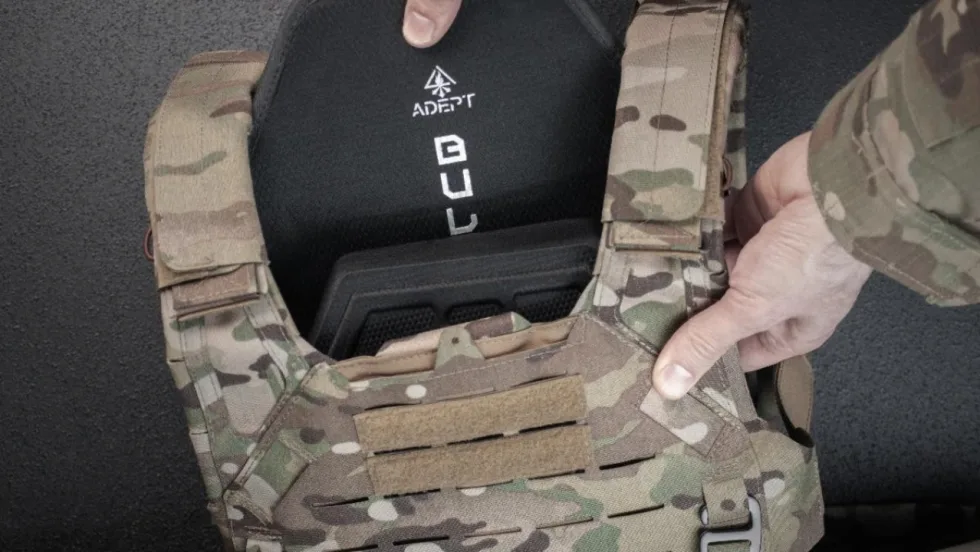
Adept Armor Introduces Two New Rifle Plates
Adept Armor has launched two new Level IV ballistic plates, the Emperor and the Archon Mark 2, which brings Adept Armor’s new Quatroid ceramic to the high-threat, performance-value center of the range at 5.2 pounds.
Read More →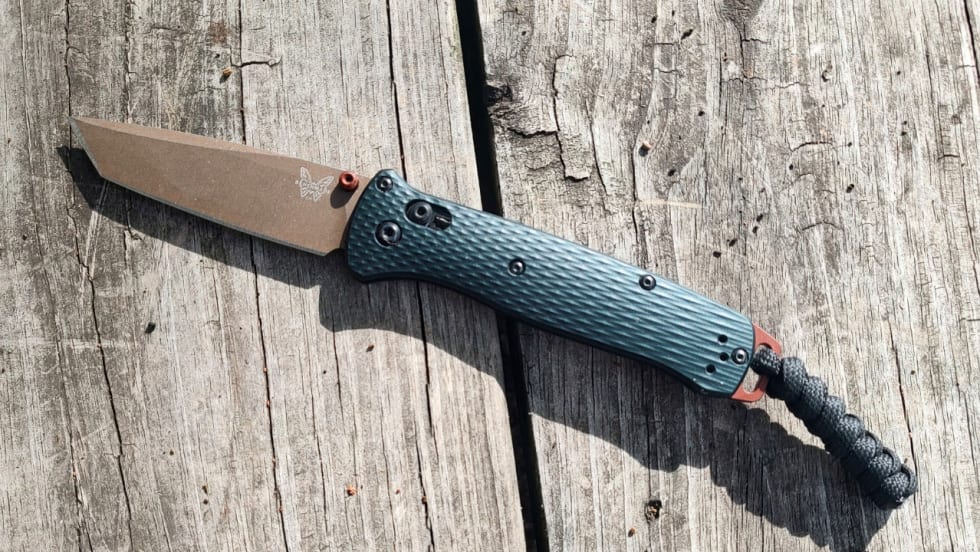
POLICE Product Test: Benchmade Bailout
The Benchmade Bailout is a slim, lightweight carry knife with a deep-ride pocket clip and comes in a variety of blade steels and scales. Here is a detailed review of the Taiga Green Bailout, released earlier this year.
Read More →
NLEOMF Announces July 2026 Officer of the Month
NLEOMF honored a Michigan deputy sheriff as the July 2026 Officer of the Month for rescuing a trapped driver from a burning vehicle following a Fourth of July crash.
Read More →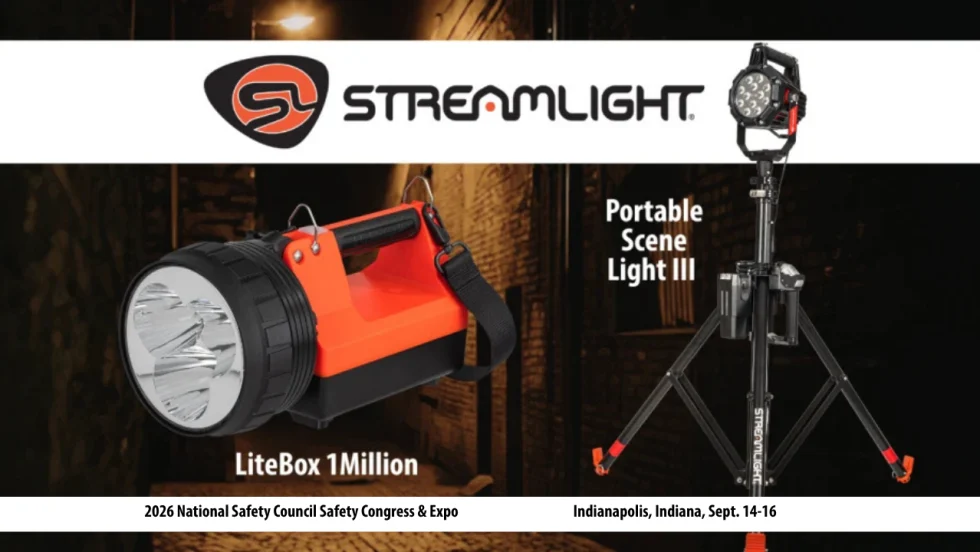
Streamlight to Showcase Newest Lighting Products at National Safety Council’s Safety Congress & Expo 2026
Streamlight will showcase its latest lights, including the Portable Scene Light III and the LiteBox 1Million, at the 2026 National Safety Council (NSC) Safety Congress & Expo.
Read More →
The 2027 World Police & Fire Games Set for Perth, Australia
The 2027 World Police & Fire Games (WPFG) will take place in Perth, Western Australia, from Friday, March 12 through Sunday, March 21, 2027.
Read More →
5.11 Partners with National Fallen Firefighters Foundation to Support #ForThe343
5.11 has joined the nationwide movement honoring the 343 New York City Fire Department firefighters lost on Sept. 11, 2001.
Read More →
Team Wendy Announces Title Sponsorship of the Jorge Pastore Foundation
Team Wendy’s 3-year partnership with the Jorge Pastore Foundation expands access to programs that strengthen those who serve.
Read More →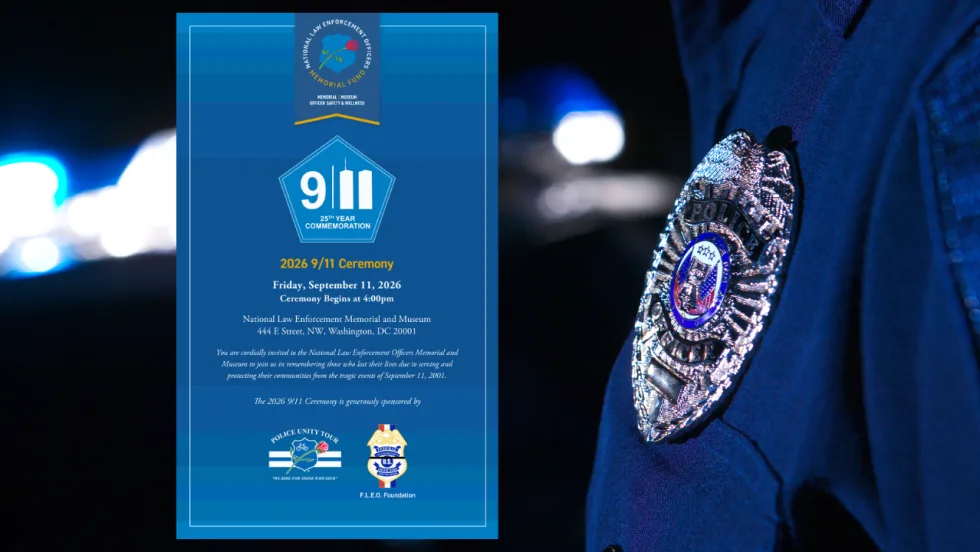
National Law Enforcement Memorial and Museum Hosting 9/11 25th-Year Commemoration Ceremony
The National Law Enforcement Memorial and Museum is hosting a 9/11 25th Year Commemoration Ceremony on Sept. 11 at 4 p.m.
Read More →
National Law Enforcement Officers Memorial Fund Announces June 2026 Officers of the Month
The National Law Enforcement Officers Memorial Fund (NLEOMF) named 15 officers of the Chico Police Department (California) as the Officers of the Month for June 2026 for their roles in responding to an active-shooter incident at a public library.
Read More →