



Suicide Warning Signs and Available Resources
Families and colleagues of officers who died by suicide frequently say the officers displayed visible warning signs of life-threatening mental or emotional crisis that only really registered after the officer's death. Here's what to look for.

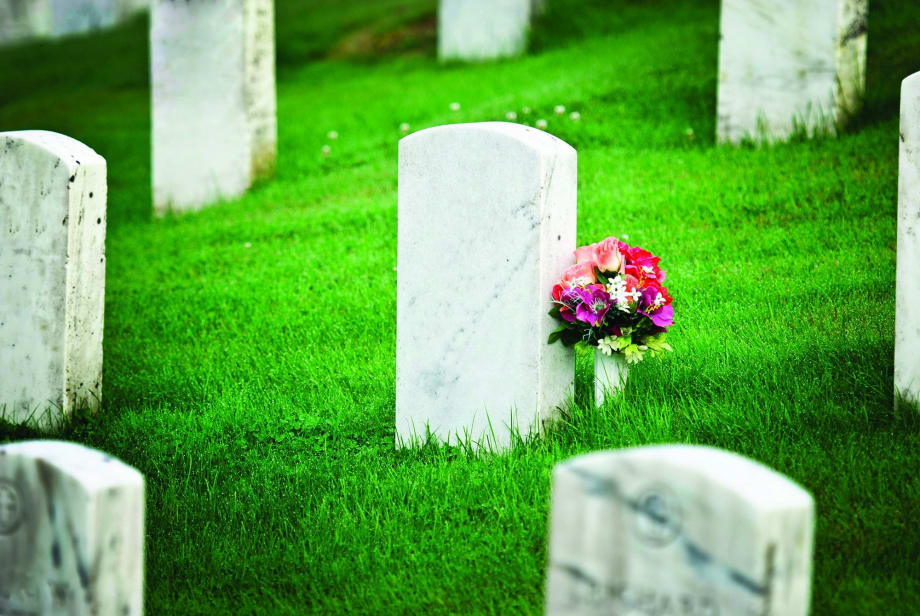
If you observe in your co-worker or spouse any suicide warning sign behaviors, let them know that you care enough about them to suggest that they get help.
Photo: Getty Images
Families of officers who died by suicide—as well as department colleagues left behind—frequently say the officers displayed visible warning signs of life-threatening mental or emotional crisis that only really registered after the officer's death.
Some of those signs include:
• Displaying feelings of hopelessness
• Withdrawing from friends and family
• Increase in alcohol consumption
• Noticeable change in weight—either gain or loss
• Ending typically beloved recreational activities
• Sudden, unexpected outbursts of anger or sadness
• Increased risk-taking both on and off duty
• A change in attitude or personal demeanor
• Saying things like, "You'll take care of my family if I die, right?"
• Threatening suicide—many suicide victims verbally telegraph their death
Some of these behaviors are far more likely to be observed by an officer's colleagues than his family.
If you observe in your co-worker or spouse any of these behaviors, let them know that you care enough about them to suggest that they get help. They can seek the assistance of a department resource like a mental health counselor or chaplain. They can talk with an outside psychiatrist or psychologist.
Further, there is plenty of literature available to help officers in crisis. Books like "Emotional Survival for Law Enforcement" by Dr. Kevin Gilmartin, "I Love a Cop" by Dr. Ellen Kirshman, and "Armor Your Self" by John Marx can be great resources for officers who may be approaching crisis. Add to that list books like "The Price they Pay" by Karen Solomon and Jeffry McGill—two of the founders of BlueH.E.L.P.
Read Is Officer Suicide on the Rise?
Then, there is the National Suicide Prevention Lifeline (1-800-273-8255), which provides 24/7, free and confidential support for people in distress. Safe Call Now (1-206-459-3020) offers those services specifically for first responders.
Finally, there is BlueH.E.L.P. On its website the organization maintains, a first responder need only enter a few data points—such as their location and what kind of assistance is needed—and the individual will be provided with a list of options for help from a searchable database dedicated to helping first responders find emotional, financial, spiritual, and other forms of assistance.
BlueH.E.L.P. says officers need to know it's OK to NOT be OK. It's OK to ask for help.
Doug Wyllie is web editor for POLICE.
More Patrol
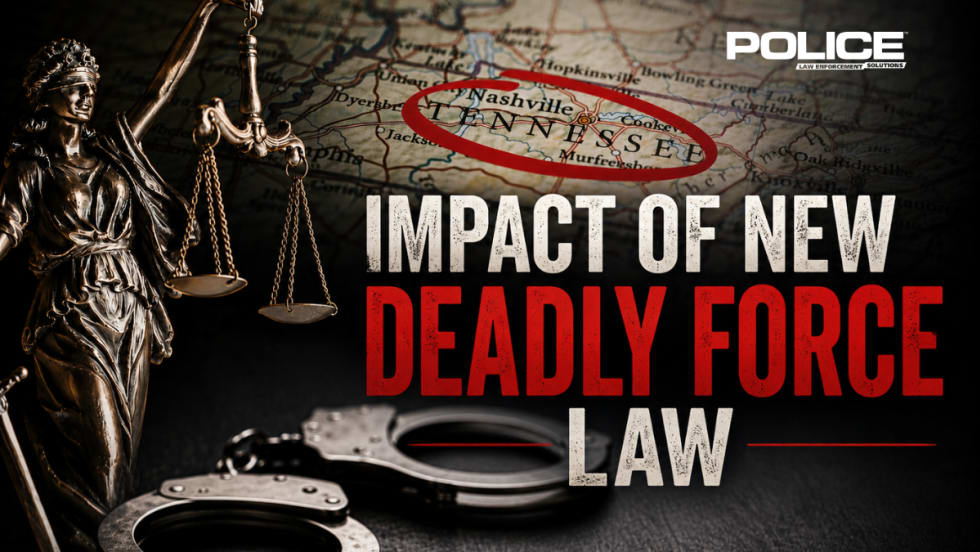
Why Tennessee’s New Deadly Force Law Matters Beyond Tennessee
Tennessee’s new deadly force law is more limited than many may realize. Effective July 1, 2026, the law applies to a person who is not engaged in conduct that would constitute a felony or a Class A misdemeanor and who is in a place where the person lawfully resides. But it could have far-reaching influence.
Read More →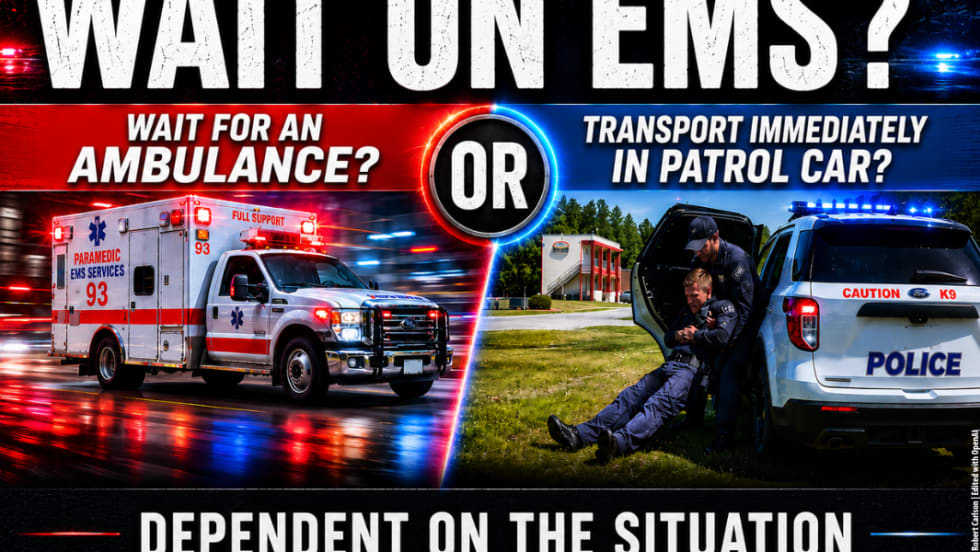
When Do You Transport a Wounded Officer by Police Vehicle?
Time-sensitive injuries like penetrating trauma mean a wounded officer needs to reach a trauma center as soon as possible, and in some cases, that means transporting by police vehicle rather than waiting for EMS. What are the factors to consider in making that transport decision?
Read More →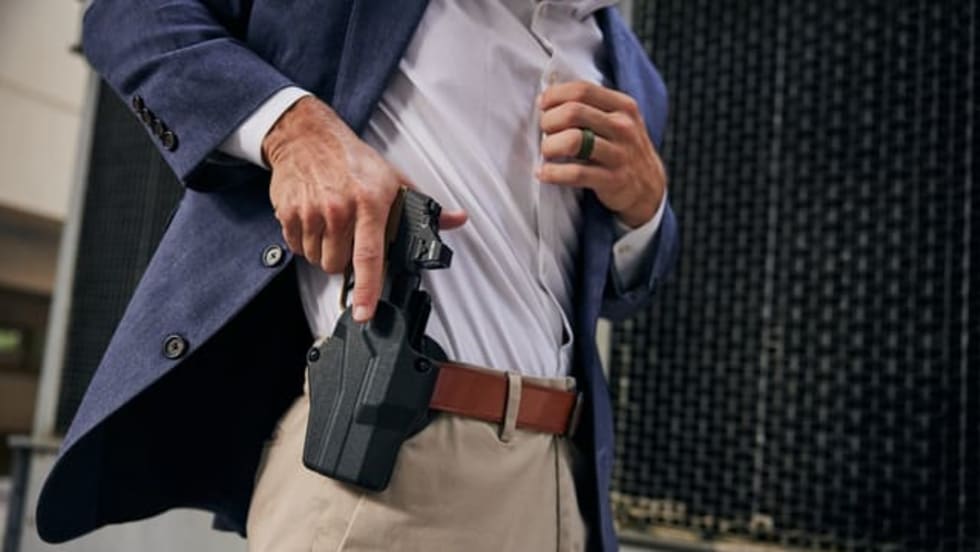
Safariland Solis Rethinks Concealable Duty
What if Level I retention didn’t require a full duty rig? Safariland’s Solis delivers trusted ALS security in a streamlined OWB platform built for administrative and plainclothes professionals who need protection without the bulk.
Read More →
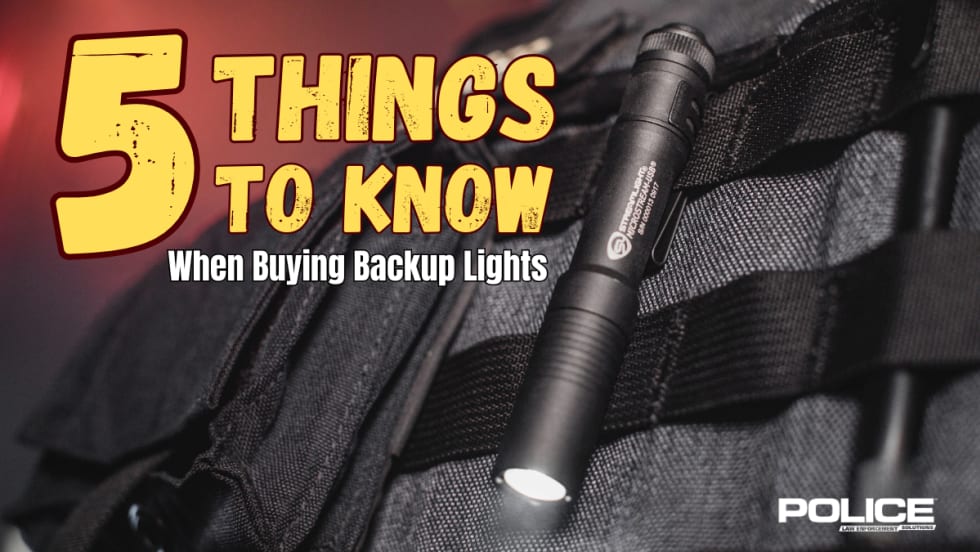
5 Things to Know When Buying Backup Lights for Patrol Use
What is the value of a backup light, and what do you need to consider when selecting one? These smaller lights are invaluable as a secondary or special-purpose light and can be easily carried in a pocket or clipped to MOLLE gear, a key chain, shirt, or a vest.
Read More →
363 Fallen Officers Honored During National Police Week
In case you missed NELOMF’s annual Candlelight Vigil, here are all 363 names of the fallen officers whose names were added to the National Law Enforcement Officers Memorial this year.
Read More →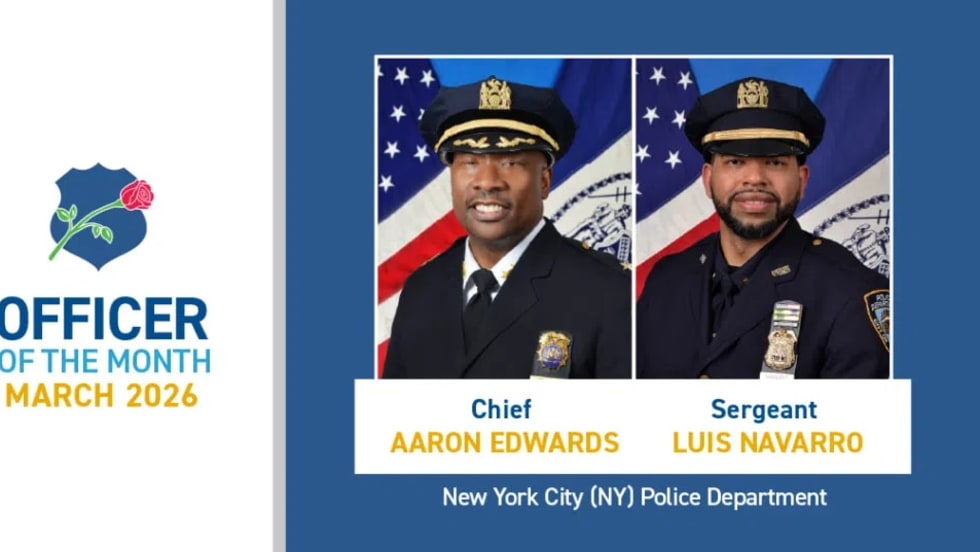
NYPD Officers Who Responded Quickly During IED Incident Recognized as NLEOMF Officers of the Month
Chief Aaron Edwards and Sgt. Luis Navarro were recognized by NLEOMF as Officers of the Month for their response during an IED incident and their actions that helped prevent harm to the public.
Read More →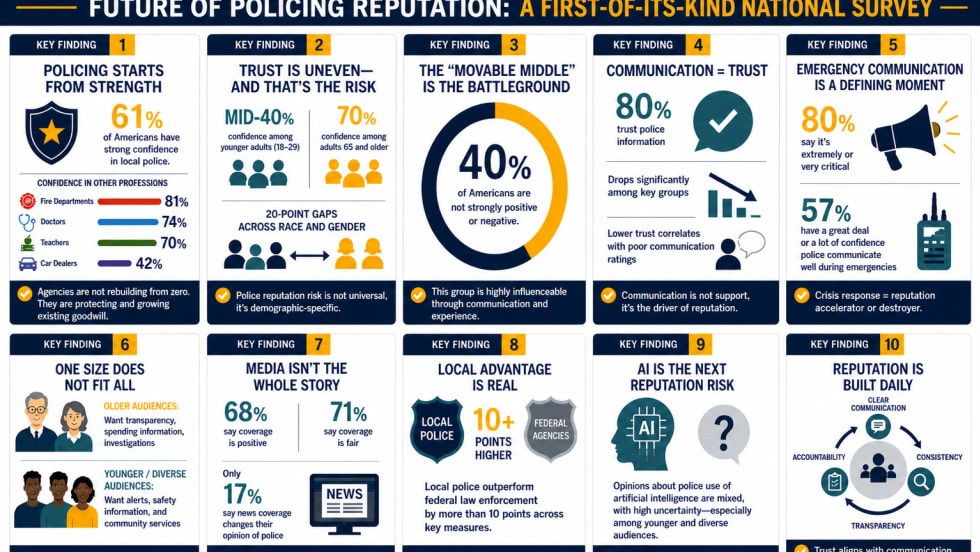
National Police Survey Reveals How Americans View Policing Today
A new national survey offers a comprehensive look at how Americans view policing. The study uncovers public sentiment toward local vs. federal police, communications, crisis response, the use of AI in policing, and more.
Read More →
Streamlight TLR-7 X Selected as Standard Issue Pistol Light by Canadian Federal Police
The Canadian Federal Police will be adding a new duty pistol system, which will include Streamlight’s TLR-7 X and a Glock 45 MOS 7 pistol with a red dot sight.
Read More →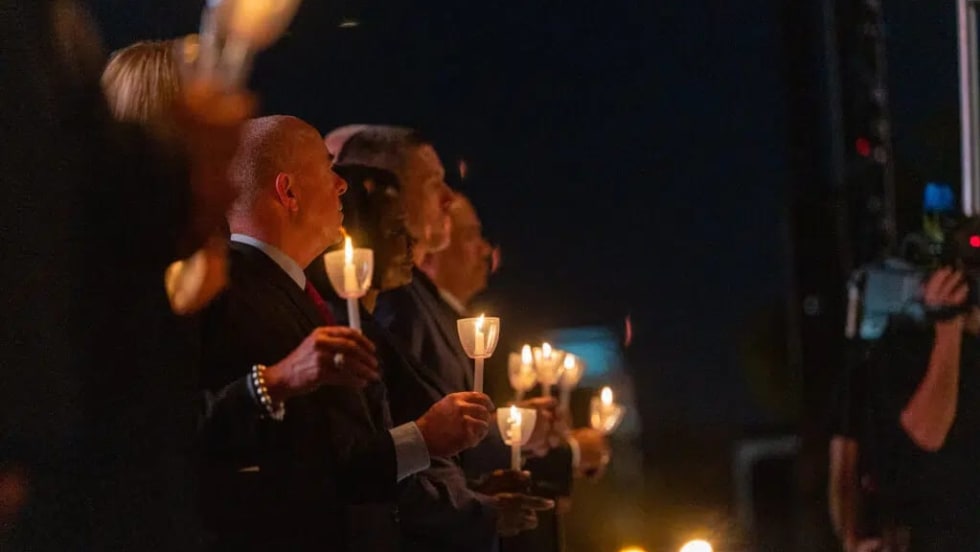
Fallen Law Enforcement Officers from Across the Country to be Honored During 38th Annual Candlelight Vigil on May 13th in Washington, D.C.
The National Law Enforcement Officers Memorial Fund (NLEOMF) will honor 363 fallen officers who have died in the line of duty as their names are added to the National Law Enforcement Officers Memorial during the annual Candlelight Vigil on May 13.
Read More →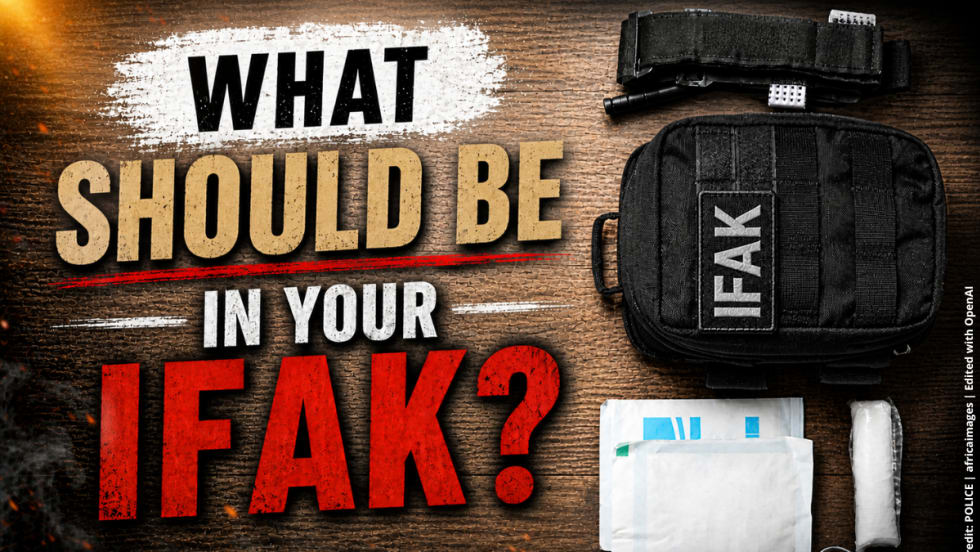
What Should Be in Your IFAK?
What should every officer include in an IFAK? Sydney Vail, M.D., a veteran trauma surgeon and former SWAT surgeon, explains which components are needed and which are not, and stresses training.
Read More →