



Video: Dragged Calif. Cop's Partner Relied On Training
After realizing his partner Officer Jarred Slocum was down, Officer McFarland relied on the "dummy drag," a technique he learned at the police academy. Officer McFarland holstered his sidearm, moved into the line of fire, hooked his arms around his partner, and dragged him to safety.

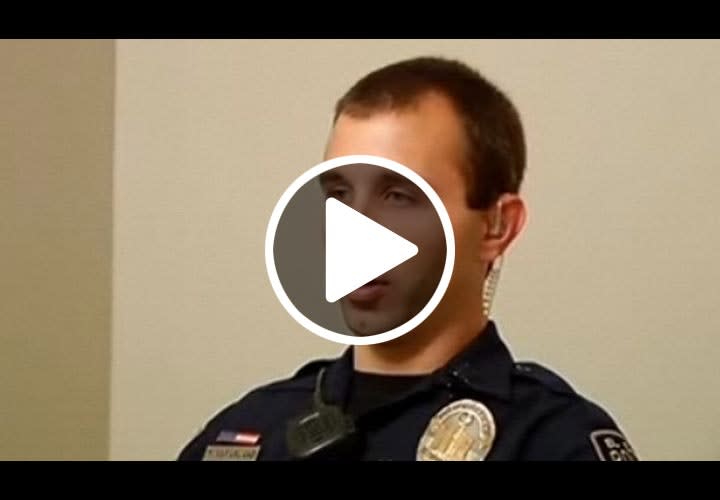
El Cajon (Calif.) Police Officer Tim McFarland said he was scared, as he watched his partner get shot in the head and stumble toward a chain-link fence and collapse.
After realizing his partner Officer Jarred Slocum was down, Officer McFarland relied on the "dummy drag," a technique he learned at the police academy. Officer McFarland holstered his sidearm, moved into the line of fire, hooked his arms around his partner, and dragged him to safety.
Officers Slocum and McFarland, a rookie officer with a month remaining on his field training, responded to a 911 call late Sunday of a man walking outside with a gun. As they set up defensive positions, suspect Kevin Collier, who had set his mother-in-law's home ablaze, began firing on the officers.
In dramatic footage shot by a freelance cameraman, Officer Slocum can be seen pressing the right side of his neck. Later in the video, the wound on the left side of his head can be seen as he is loaded into a patrol car.
Officer Slocum's condition is improving, as doctors reported he was sitting up and talking on Wednesday.
More Training
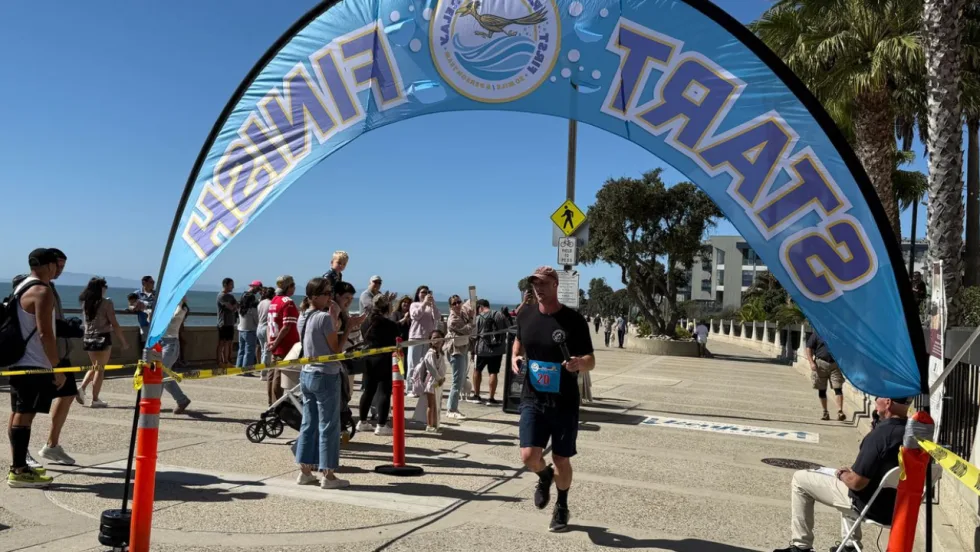
Registration Underway for Sixth Annual First Responders Relay
The California Police Athletic Federation’s annual First Responder Relay will welcome first responder teams from across the globe to compete along Ventura's scenic coastline on Oct. 11. Registration is underway.
Read More →
Vector Solutions Launches Comprehensive Online Dispatch Training Catalog for Emergency Communications Professionals
Vector Solutions’ new catalog of 35 expert-developed online courses can help emergency communication centers strengthen training, meet certification requirements, and simplify continuing education.
Read More →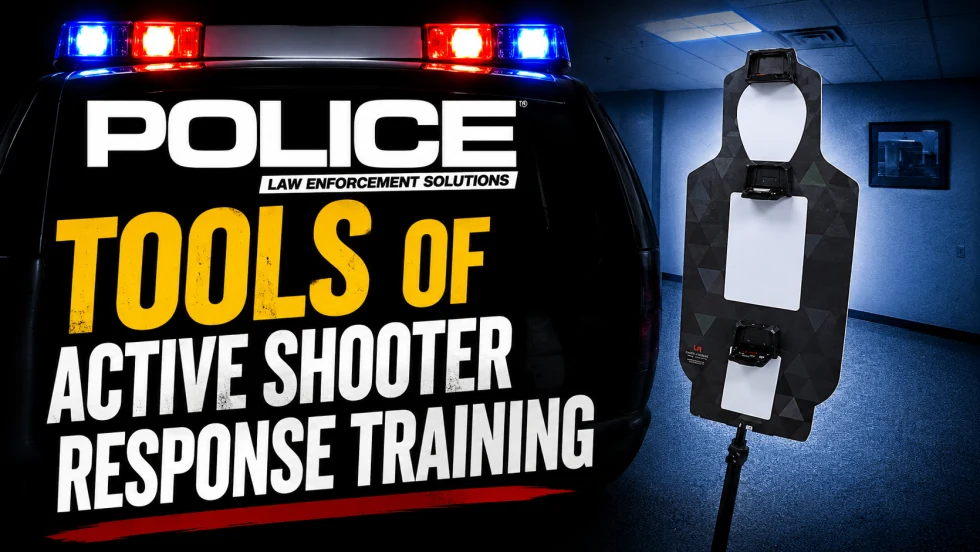
Tools for Active Shooter Response Training
What technologies help prepare officers for active shooter response situations? This behind-the-scenes look at law enforcement training explores shot simulators, smart firearms, laser target systems, and the tools used to build safer, more effective training environments.
Read More →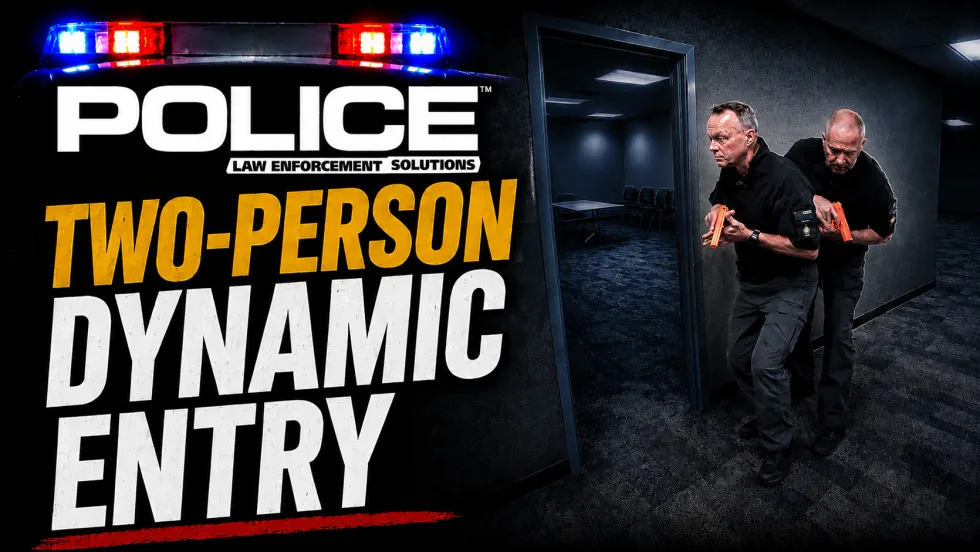
Two-Officer Tactical Doorway Entry Techniques
Entering a room during active-threat situations requires communication, coordination, and disciplined tactical movement. In this video, trainers from the United States Deputy Sheriff’s Association demonstrate critical room entry concepts, including fatal funnel awareness, team coordination, and safe tactical movement.
Read More →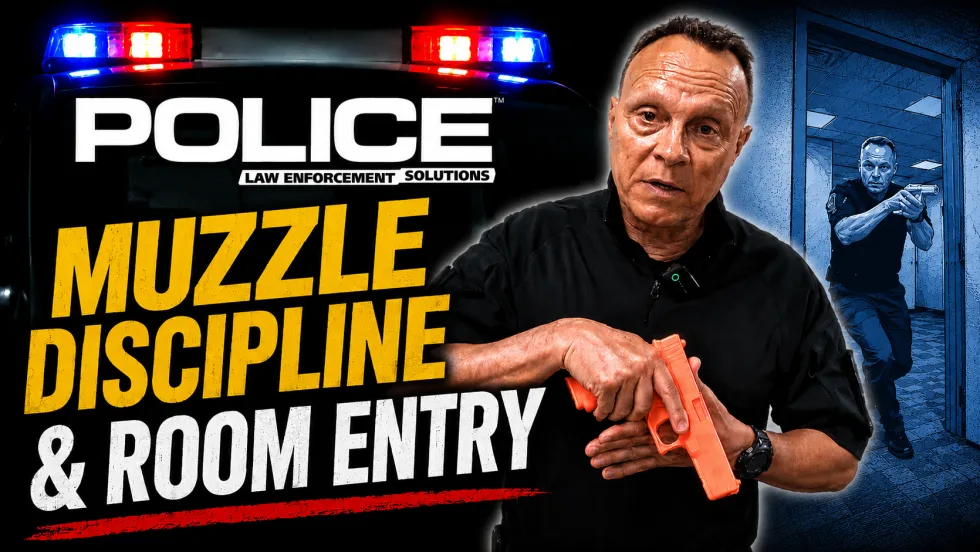
High Compressed Ready Explained | Muzzle Control For Room Entry
In this video, Mike Willis, law enforcement national training and program director for the United States Deputy Sheriffs’ Association, demonstrates the high compressed ready position and discusses muzzle control during room entry.
Read More →
Why Attend the DroneSense Innovation Summit by Versaterm?
Let’s hear from Ryan Bracken, head of product, about why your agency should send someone to the first annual DroneSense Innovation Summit by Versaterm in April.
Read More →
Caswell Live Fire Spins Off from InVeris
Caswell Live Fire has spun off from parent company InVeris, coinciding with the 100th anniversary of Caswell’s founding. Over the past 100 years, Caswell has developed pioneering solutions that support military, law enforcement, and commercial clients worldwide.
Read More →
When Do You Transport a Wounded Officer Instead of Waiting for EMS?
Thumbnail for video series POLICE Topics, Tactics & Tips with a yellow headline that reads When Do You Transport a Wounded Officer Instead of Waiting for EMS?
Read More →
How to Pick Your High-Risk Stop Location for Tactical Advantage
Hear veteran trainer Mike Willis, of the United States Deputy Sheriff’s Association, explain several considerations that can help you wisely pick your best spot to initiate high-risk or felony traffic stops.
Read More →
Coffee Break with Police Experts: Using Your Patrol Vehicle for Cover
In this video, hear from Dustin Mowery, a product specialist at Team Wendy, as he discusses how to best use a patrol vehicle for cover.
Read More →