



N.H. Police Chief Killed, 4 Wounded In Drug Raid
Greenland (N.H.) Police Chief Michael Maloney was eight days from retirement when he was gunned down during the raid targeting Cullen Mutrie, 29, at a Post Road home.

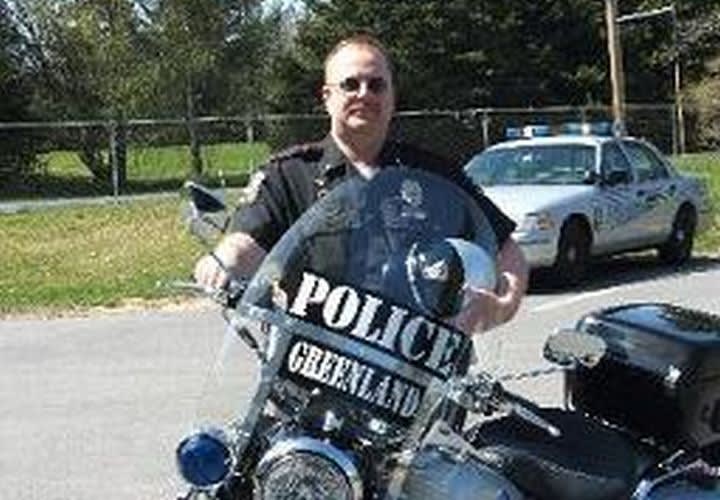
Greenland Police Chief Michael Maloney. Photo: GPD website
A small-town New Hampshire police chief was fatally shot and four other officers were wounded during a narcotics raid late Thursday.
Greenland (N.H.) Police Chief Michael Maloney was eight days from retirement when he was gunned down during the raid targeting Cullen Mutrie, 29, at a Post Road home. Mutrie and a female acquaintance were later found dead in the home, reports the Boston Globe.
Mutrie was a wannabe firefighter who faced nine steroid-related felonies in 2011 and had been arrested for domestic assault in 2010. He also pleaded guilty to two misdemeanor assault charged in 2007 for punching a man in the face, reports Seacoast Online.
Injured in the shootings were Detective Gregory Turner of the Dover Police Department, Officer Eric Kulberg of the University of New Hampshire Police Department, Officer Scott Kukesh of the Newmarket Police Department, and Officer Jeremiah Murphy of the Rochester Police Department. Officers Kukesh and Murphy remain in critical condition.
Chief Maloney, 48, had served as Greenland's chief since May of 2000. He had 26 years of law enforcement experience. An autopsy revealed the chief was shot in the head.
Late Thursday, Tara Laurent was sworn in as the Greenland PD's new chief. Laurent was a detective with the Newmarket PD. Chief Laurent will oversee six full-time and three part-time officers in a jurisdiction of 3,500 residents.
The agency is, according to the International Association of Police Chiefs, "the face of American policing" because 89% of the nation's law enforcement agencies serve populations of 25,000 and fewer, while 74% serve 10,000 and fewer.
"I am not only saddened but also angry that these types of incidents continue to occur with such alarming frequency," said Walter McNeil, IACP president, in a statement. "Last year 72 officers were feloniously killed—that means that 72 officers were killed in cold blood by brazen criminals who showed no hesitation in attacking law enforcement officers. This trend has to stop."
In New Hampshire's rural setting, small departments often rely on mutual aid from surrounding departments for task-force operations. This approach to resource sharing is not unusual in the state of 1.3 million residents, said Jeff Strelzin, the chief of the homicide unit in the Attorney General's office.
"Generally speaking, there's a high level of cooperation in New Hampshire law enforcement," Strelzin told POLICE Magazine.
While urban chiefs can rely on other command staff members, chiefs of departments with up to 40 sworn officers must at times become involved in enforcement operations, said Ephrata (Pa.) Police Chief William Harvey.
"The smaller the agency, the more a chief has to work," said Harvey, who also writes PoliceMag's Recruit blog. "You may be the senior person, the one with the most insights, the one with the most knowledge of how to handle operations like this."
By Paul Clinton
More Patrol
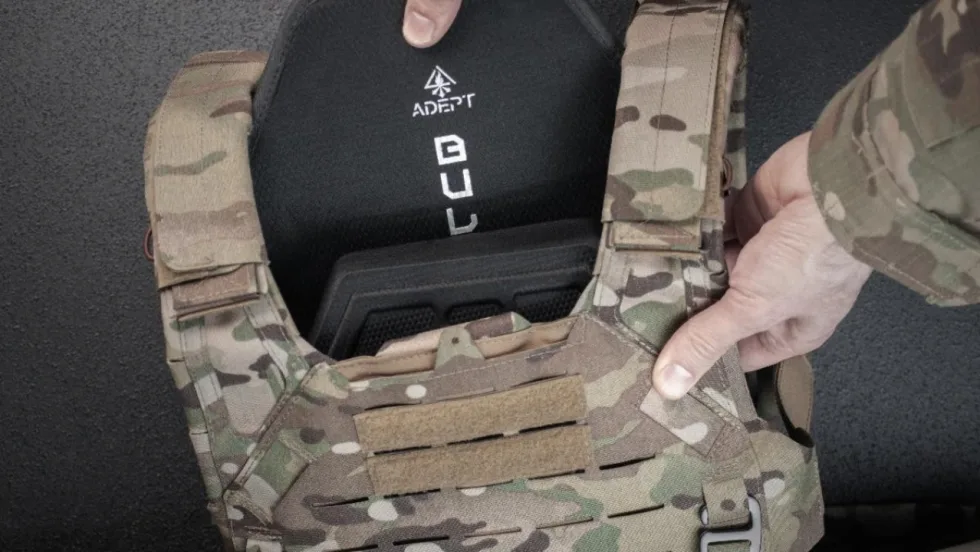
Adept Armor Introduces Two New Rifle Plates
Adept Armor has launched two new Level IV ballistic plates, the Emperor and the Archon Mark 2, which brings Adept Armor’s new Quatroid ceramic to the high-threat, performance-value center of the range at 5.2 pounds.
Read More →
POLICE Product Test: Benchmade Bailout
The Benchmade Bailout is a slim, lightweight carry knife with a deep-ride pocket clip and comes in a variety of blade steels and scales. Here is a detailed review of the Taiga Green Bailout, released earlier this year.
Read More →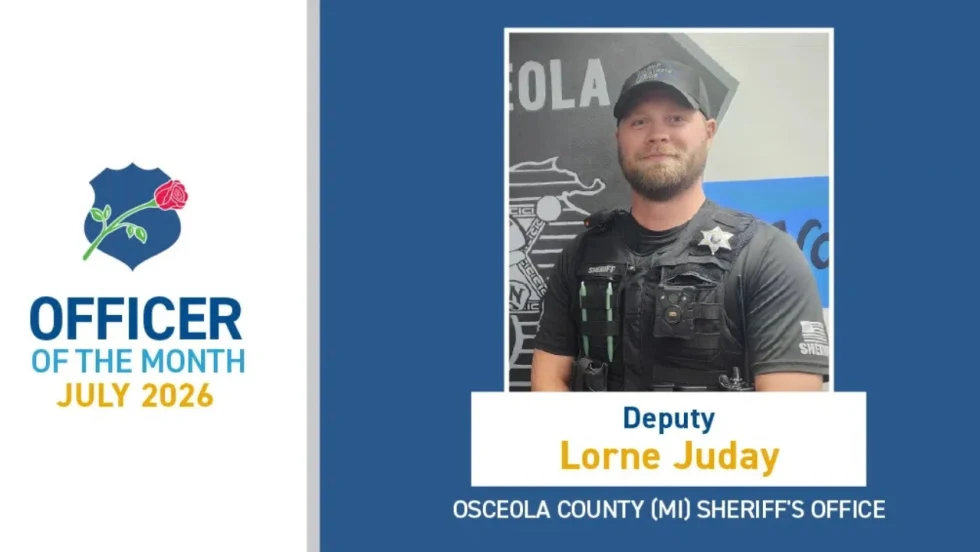
NLEOMF Announces July 2026 Officer of the Month
NLEOMF honored a Michigan deputy sheriff as the July 2026 Officer of the Month for rescuing a trapped driver from a burning vehicle following a Fourth of July crash.
Read More →
Streamlight to Showcase Newest Lighting Products at National Safety Council’s Safety Congress & Expo 2026
Streamlight will showcase its latest lights, including the Portable Scene Light III and the LiteBox 1Million, at the 2026 National Safety Council (NSC) Safety Congress & Expo.
Read More →
The 2027 World Police & Fire Games Set for Perth, Australia
The 2027 World Police & Fire Games (WPFG) will take place in Perth, Western Australia, from Friday, March 12 through Sunday, March 21, 2027.
Read More →
5.11 Partners with National Fallen Firefighters Foundation to Support #ForThe343
5.11 has joined the nationwide movement honoring the 343 New York City Fire Department firefighters lost on Sept. 11, 2001.
Read More →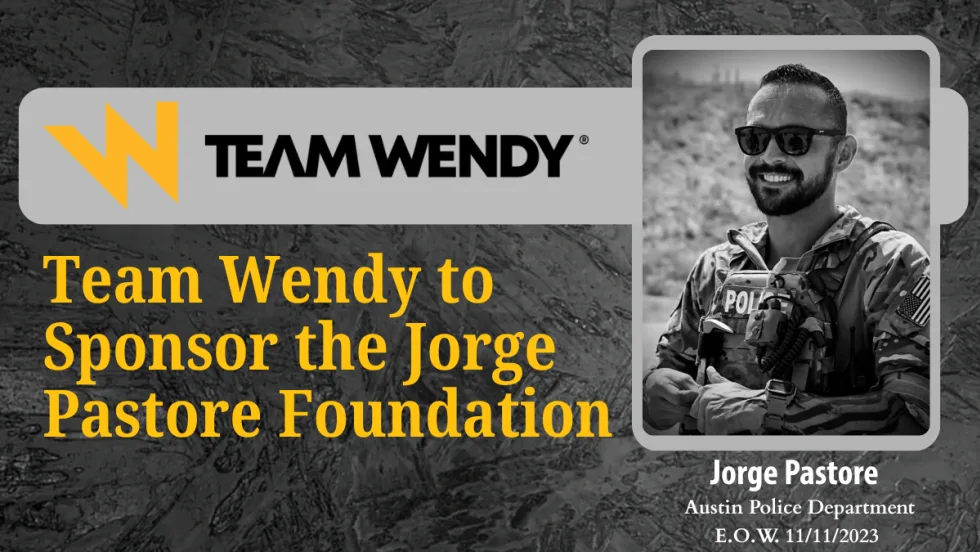
Team Wendy Announces Title Sponsorship of the Jorge Pastore Foundation
Team Wendy’s 3-year partnership with the Jorge Pastore Foundation expands access to programs that strengthen those who serve.
Read More →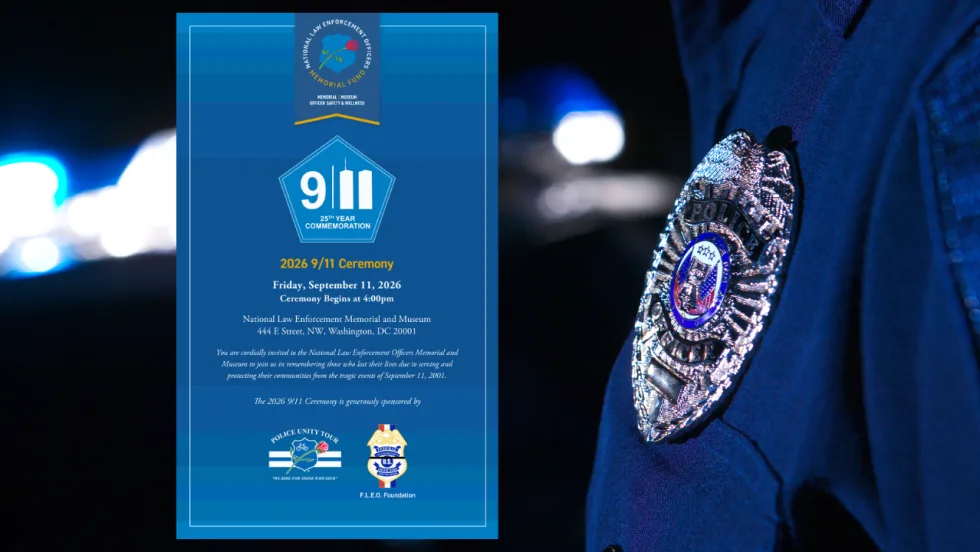
National Law Enforcement Memorial and Museum Hosting 9/11 25th-Year Commemoration Ceremony
The National Law Enforcement Memorial and Museum is hosting a 9/11 25th Year Commemoration Ceremony on Sept. 11 at 4 p.m.
Read More →
National Law Enforcement Officers Memorial Fund Announces June 2026 Officers of the Month
The National Law Enforcement Officers Memorial Fund (NLEOMF) named 15 officers of the Chico Police Department (California) as the Officers of the Month for June 2026 for their roles in responding to an active-shooter incident at a public library.
Read More →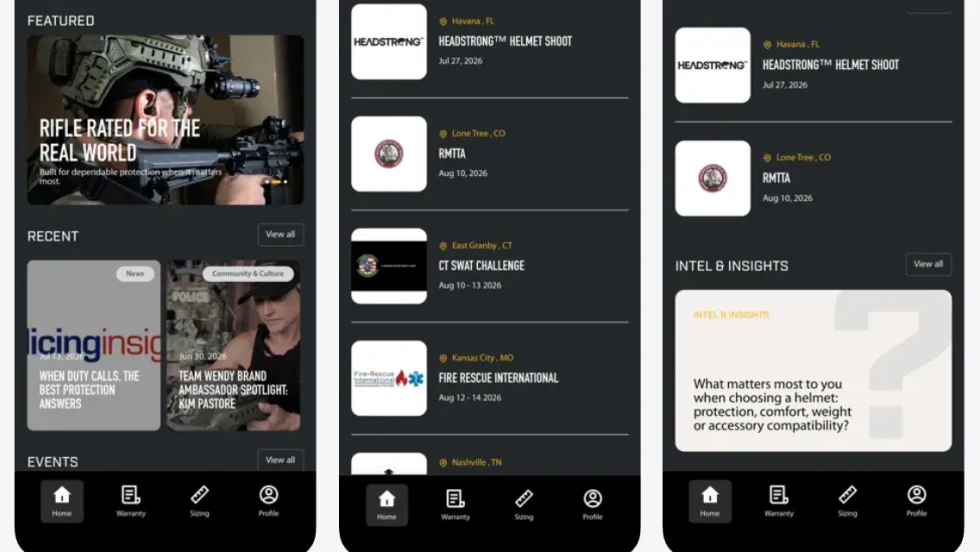
Team Wendy App Creates New Digital Hub for Helmet Owners
The Team Wendy Community App provides one location for warranty registration, size-fit tools, product updates, and community connection. For helmet owners, the new app creates a simpler path to the information and tools that matter most.
Read More →