



Navy Veteran, Amputee Becomes California Officer
A Navy veteran made law enforcement history in Ventura County on Thursday by becoming the first amputee not only to graduate from the sheriff's training academy but also to don the uniform of an Oxnard (CA) Police Department officer.

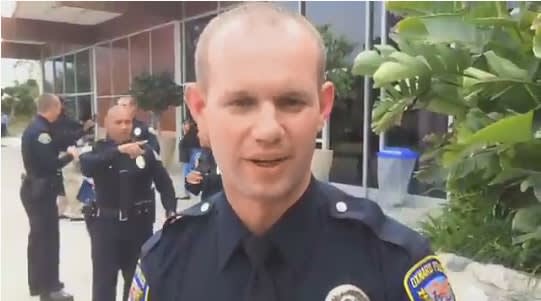
A Navy veteran made law enforcement history in Ventura County on Thursday by becoming the first amputee not only to graduate from the sheriff's training academy but also to don the uniform of an Oxnard (CA) Police Department officer.
"This is a happy day for all of us," Aaron Heldreth, 31, said as he stood outside the Oxnard Performing Arts Center on Thursday afternoon in full uniform, surrounded by family members, including his wife and two daughters.
Heldreth, along with 45 other law enforcement graduates, had just taken the stage inside, graduating from a grueling six-month course at the Ventura County Sheriff's Office's Criminal Justice Training Center in Camarillo.
Heldreth's left leg was amputated below the knee after an October 2008 car accident in San Diego. He'd just turned 22 and had been in the Navy for about five years at the time.
Afterward, he underwent numerous operations, including three amputations on his lower left leg. But within less than a year, he rejoined his Navy dive team after being outfitted with a high-tech prosthetic. He continued to serve in the Navy for about eight years, said his wife, Crystal Brewer.
"I think he's going to do an awesome job," Eric Sonstegard, Oxnard's assistant chief of police, told the Ventura County Star as he stood next to Heldreth on Thursday.
More Training
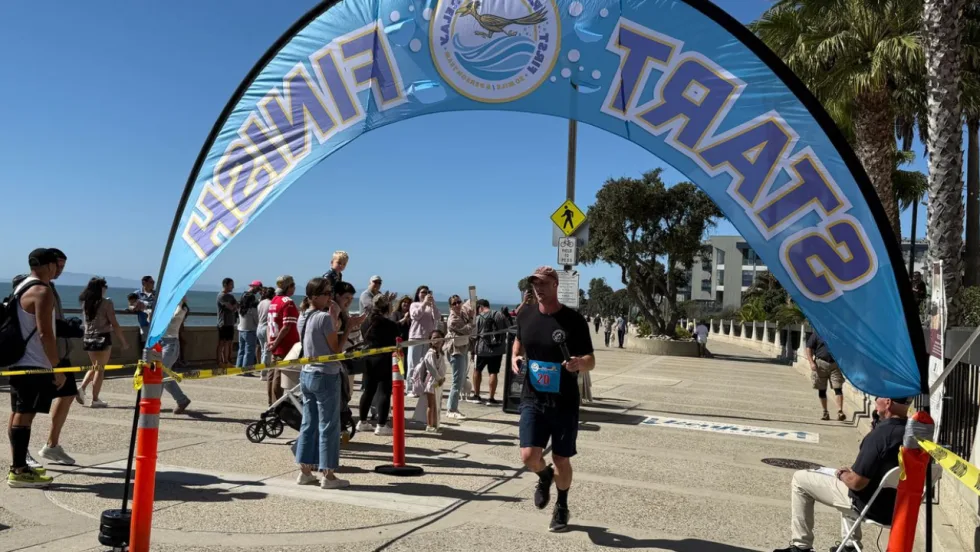
Registration Underway for Sixth Annual First Responders Relay
The California Police Athletic Federation’s annual First Responder Relay will welcome first responder teams from across the globe to compete along Ventura's scenic coastline on Oct. 11. Registration is underway.
Read More →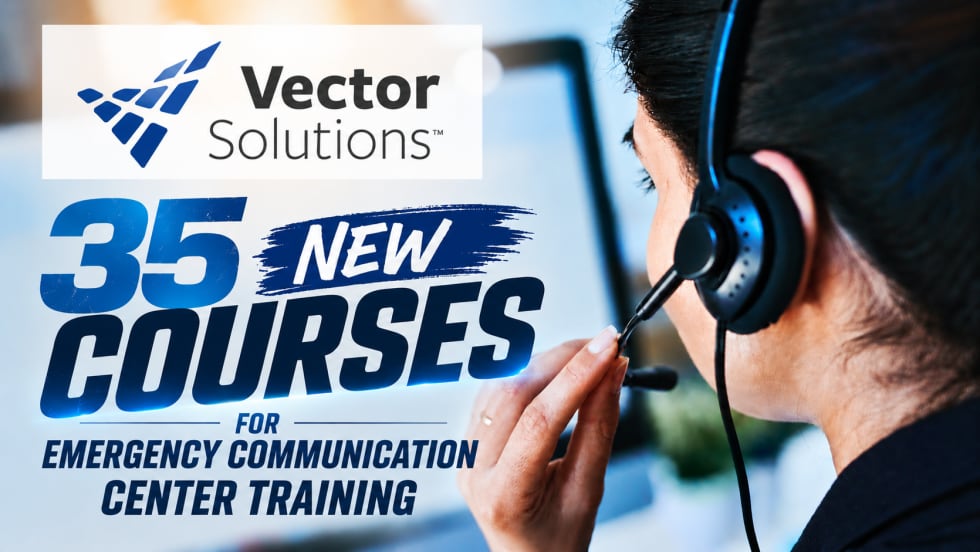
Vector Solutions Launches Comprehensive Online Dispatch Training Catalog for Emergency Communications Professionals
Vector Solutions’ new catalog of 35 expert-developed online courses can help emergency communication centers strengthen training, meet certification requirements, and simplify continuing education.
Read More →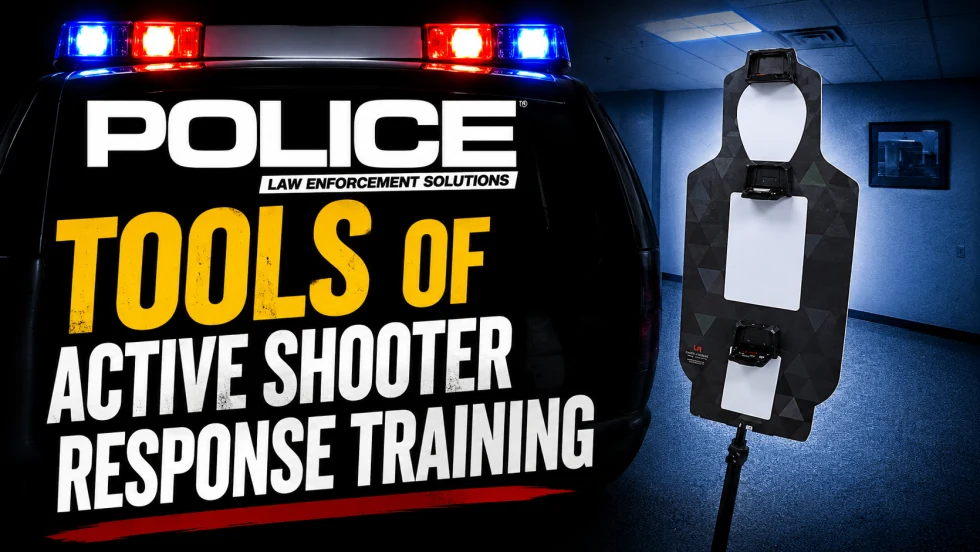
Tools for Active Shooter Response Training
What technologies help prepare officers for active shooter response situations? This behind-the-scenes look at law enforcement training explores shot simulators, smart firearms, laser target systems, and the tools used to build safer, more effective training environments.
Read More →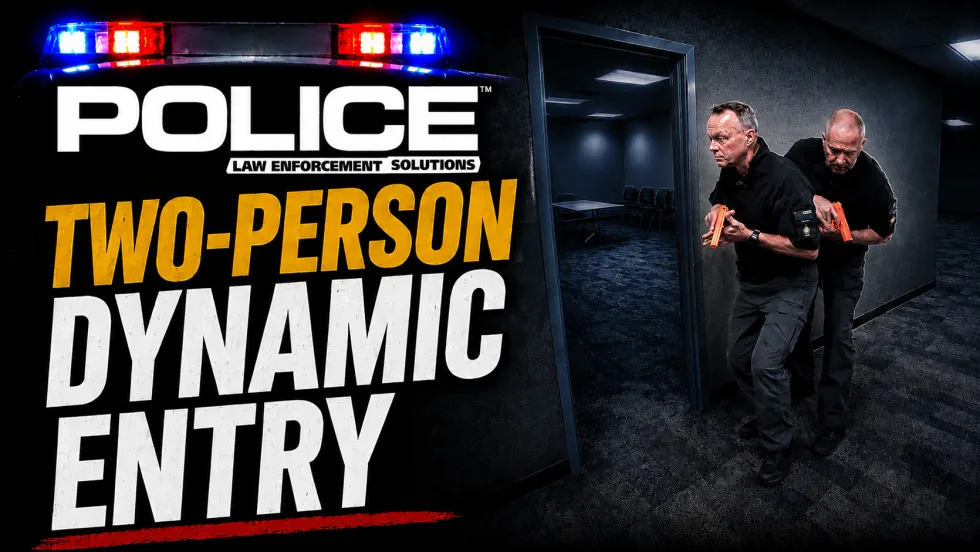
Two-Officer Tactical Doorway Entry Techniques
Entering a room during active-threat situations requires communication, coordination, and disciplined tactical movement. In this video, trainers from the United States Deputy Sheriff’s Association demonstrate critical room entry concepts, including fatal funnel awareness, team coordination, and safe tactical movement.
Read More →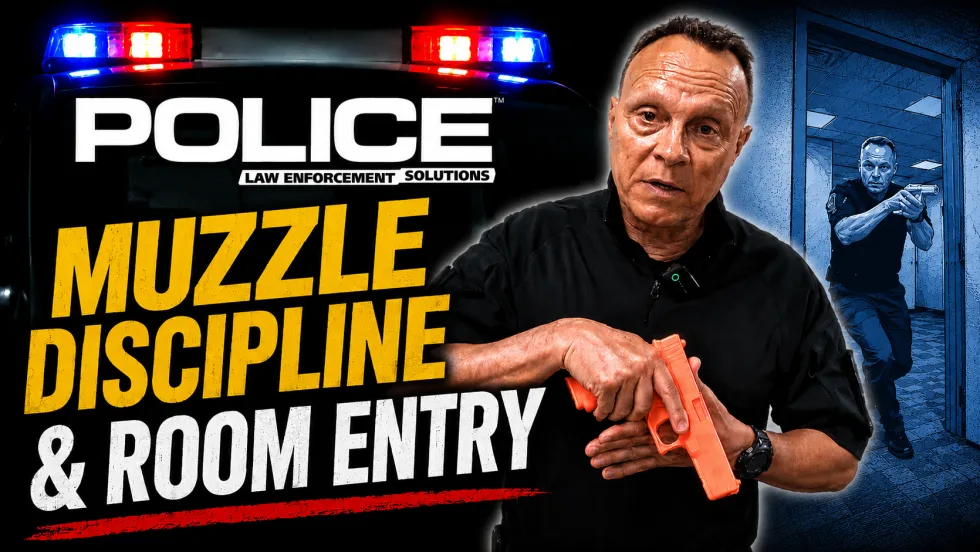
High Compressed Ready Explained | Muzzle Control For Room Entry
In this video, Mike Willis, law enforcement national training and program director for the United States Deputy Sheriffs’ Association, demonstrates the high compressed ready position and discusses muzzle control during room entry.
Read More →
Why Attend the DroneSense Innovation Summit by Versaterm?
Let’s hear from Ryan Bracken, head of product, about why your agency should send someone to the first annual DroneSense Innovation Summit by Versaterm in April.
Read More →
Caswell Live Fire Spins Off from InVeris
Caswell Live Fire has spun off from parent company InVeris, coinciding with the 100th anniversary of Caswell’s founding. Over the past 100 years, Caswell has developed pioneering solutions that support military, law enforcement, and commercial clients worldwide.
Read More →
When Do You Transport a Wounded Officer Instead of Waiting for EMS?
Thumbnail for video series POLICE Topics, Tactics & Tips with a yellow headline that reads When Do You Transport a Wounded Officer Instead of Waiting for EMS?
Read More →
How to Pick Your High-Risk Stop Location for Tactical Advantage
Hear veteran trainer Mike Willis, of the United States Deputy Sheriff’s Association, explain several considerations that can help you wisely pick your best spot to initiate high-risk or felony traffic stops.
Read More →
Coffee Break with Police Experts: Using Your Patrol Vehicle for Cover
In this video, hear from Dustin Mowery, a product specialist at Team Wendy, as he discusses how to best use a patrol vehicle for cover.
Read More →