



Knott Laboratory Creates Digital Media Forensics for Law Enforcement
Knott Laboratory’s Digital Media Forensics experts can take this footage and represent the 3D scene and distances accurately to prove or disprove points of a case, according to the company.

Knott Laboratory LLC, a forensic engineering and animation firm, has created a new division—Digital Media Forensics—to assist law enforcement with in-depth analysis of digital evidence.
Digital Media Forensics is a state-of-the-art process that uses existing digital evidence and data to recreate crime scenes previously not obtainable. The digital evidence is meshed in a variety of formats to clearly communicate the case to a jury.
"Cameras are becoming more prolific with each passing year, and the footage and photographs they produce contain much more information beyond the image displayed," the company says. The Force Science Institute has presented in its “Honest But Not Accurate” article that “[Cameras] don’t capture images in 3D or represent distances accurately.” Knott Laboratory’s Digital Media Forensics experts can take this footage and represent the 3D scene and distances accurately to prove or disprove points of a case, according to the company.
Digital Media Forensics can use video and audio evidence from body-worn cameras, surveillance cameras, in-vehicle video systems, cell phones, drones, smart doorbells, and traffic cameras. It can merge this evidence with a Point Cloud to find key factors such as positions of people, vehicles, and objects; second-by-second timelines of events; speed, pitch, yaw, roll, and angles of objects; locations of evidence; and points of rest.
“Digital analysis at this level is a new necessity for law enforcement,” said Stanley Stoll, CEO and principal engineer at Knott Laboratory. “We see cases scrutinized in the media. Every detail in our work is scientifically accurate, providing that needed transparency, while clearly presenting the facts of the case.”
In addition to video analysis, Knott Laboratory’s Digital Media Forensics experts can use motion capture, real-time simulation, interactive visualizations, and virtual reality to create custom case presentations.
To learn more about Digital Media Forensics, visit https://knottlab.com/services/digital-media-forensics/.
About Knott Laboratory LLC
Knott Laboratory is comprised of structural and mechanical engineers, fire and explosion investigators, forensic animators, accident reconstructionists, former law enforcement officers, and digital media forensics experts. This combination of expertise allows the company to serve a wide variety of industries such as attorneys, insurance companies, construction, community management, and law enforcement. Each project is assigned a team suited to the particular needs of the case and client. Knott Laboratory then provides investigation, analysis, animation production, and expert witness testimony. The company is headquartered in Centennial, CO.
More Technology
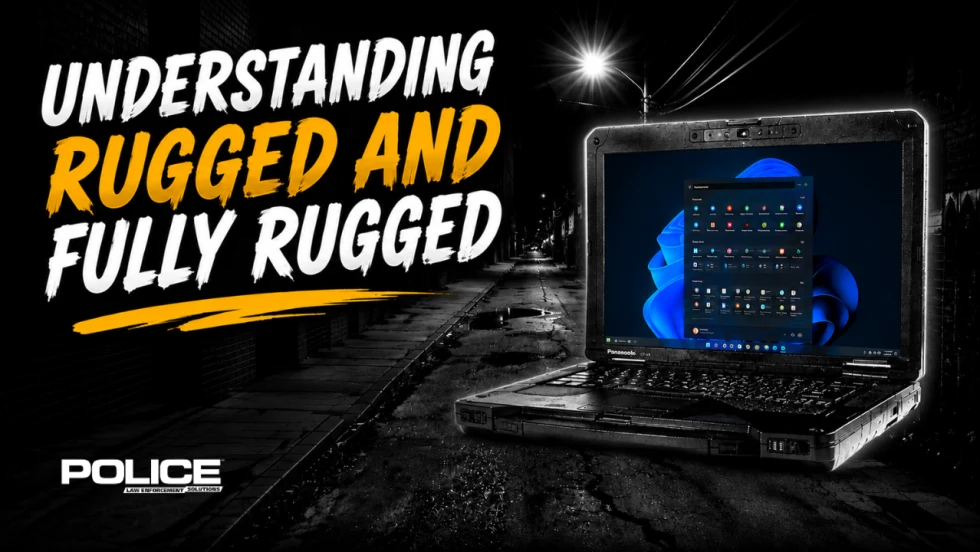
What Qualifies a Laptop as Rugged or Fully Rugged?
Police officers face a wide range of working conditions that can damage or even destroy a regular consumer laptop. Learn what qualifies a computer as rugged or fully rugged and why those devices are vital for law enforcement.
Read More →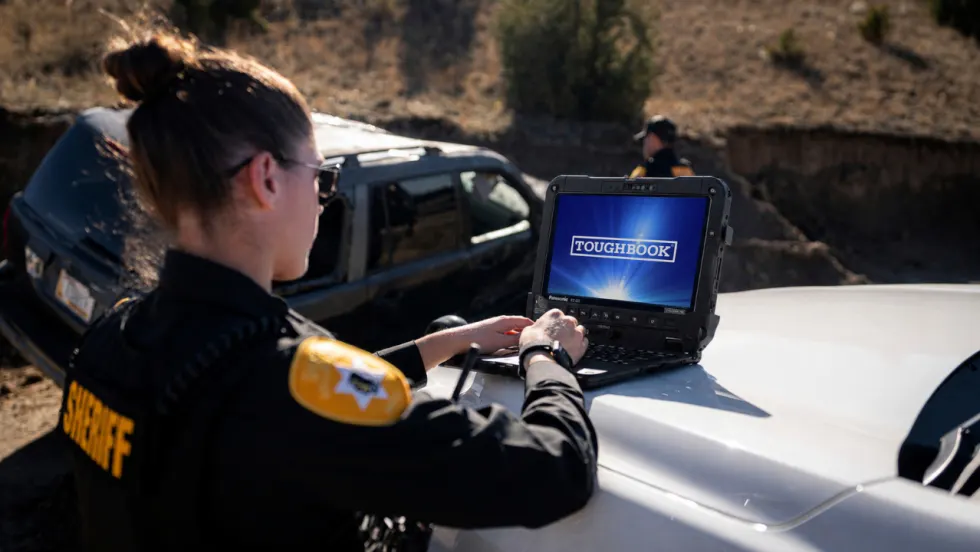
Panasonic Connect Launches the Toughbook 34 and Toughbook G3, Fully Rugged 2-in-1 Mobile Computers
Panasonic Connect has launched the Toughbook 34 and Toughbook G3 to facilitate in-vehicle dispatch, records management, and mobile command operations from any location.
Read More →
A police agency's guide to data-driven fleet management
Costs are rising and the public expects more transparency into how their tax dollars are spent. This e-book shows how police agencies can use fleet data to take control of fleet expenses while improving officer safety and demonstrating fiscal responsibility to the communities they serve.
Read More →
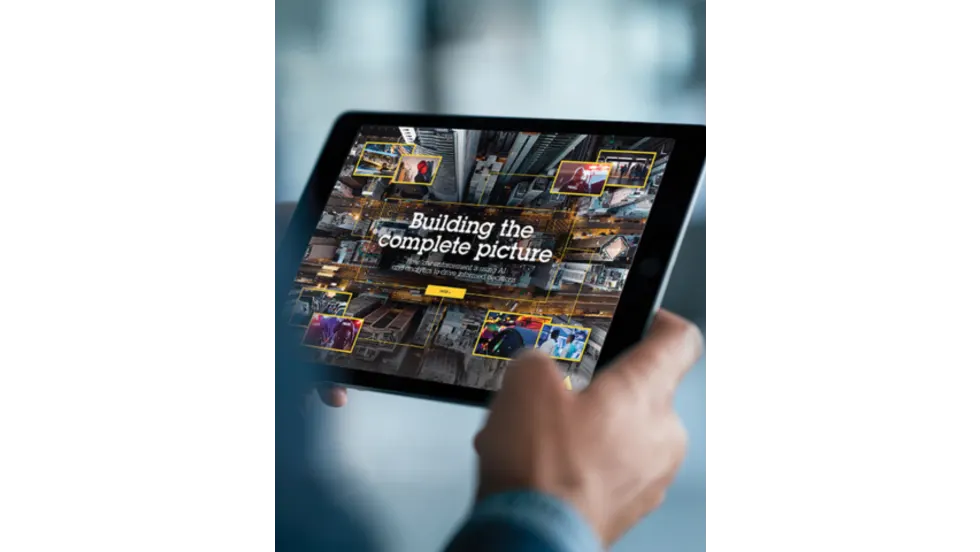
AI and analytics for law enforcement: Turning data into insights
Law enforcement agencies are managing more video, sensor data and digital evidence than ever before. Discover how AI and analytics can help turn that data into actionable insights that strengthen situational awareness, accelerate investigations and support more informed decisions.
Read More →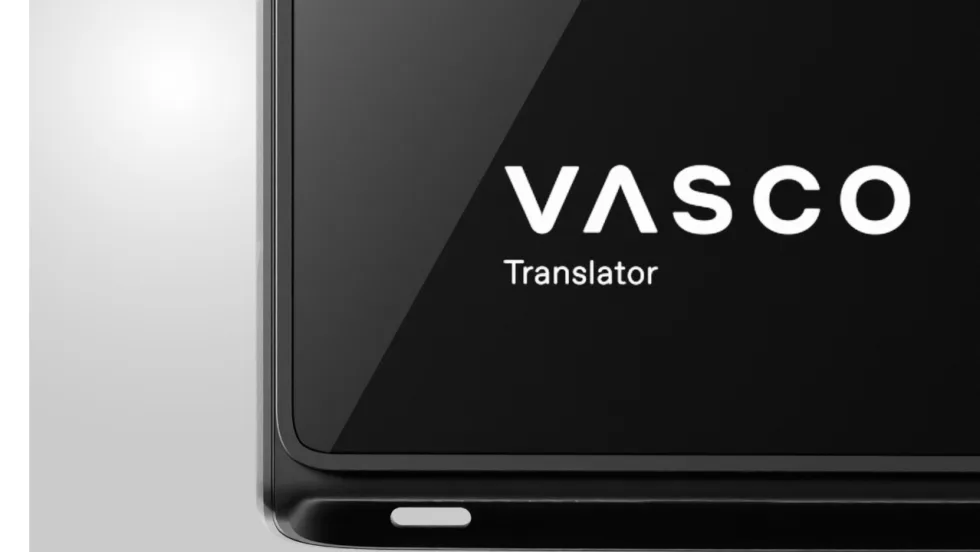
Vasco Electronics Adds Automatic Language Detection to Vasco Translator Q1
Vasco Electronics’ software update introduces hands-free language switching and expanded offline translation across 45 language pairs, empowering law enforcement, healthcare, and front-office enterprise teams
Read More →
North Miami Police Department Deploys Mark43
The North Miami Police Department has deployed Mark43 as part of its Five-Year Strategic Plan that represents its collective vision and goals for a more proactive police department, anchored by a core commitment to leveraging modern technology to enhance efficiency and public safety.
Read More →
Cellebrite Genesis for Enterprise Now Generally Available
Made available to the public sector in June, Cellebrite Genesis is serving a growing mix of national, regional, and local agencies worldwide, including some of the largest regional and metropolitan police departments. It is now available for enterprise organizations.
Read More →
2026 Vision FirstNet Users Summit to Host Emerging Leaders Training on Grassroots Advocacy for Public Safety
“Emerging Leaders Training: Understanding the Importance of Grassroots Advocacy for Public Safety," a session during the 2026 Vision FirstNet Users Summit, will offer a roadmap for unified advocacy at the federal level.
Read More →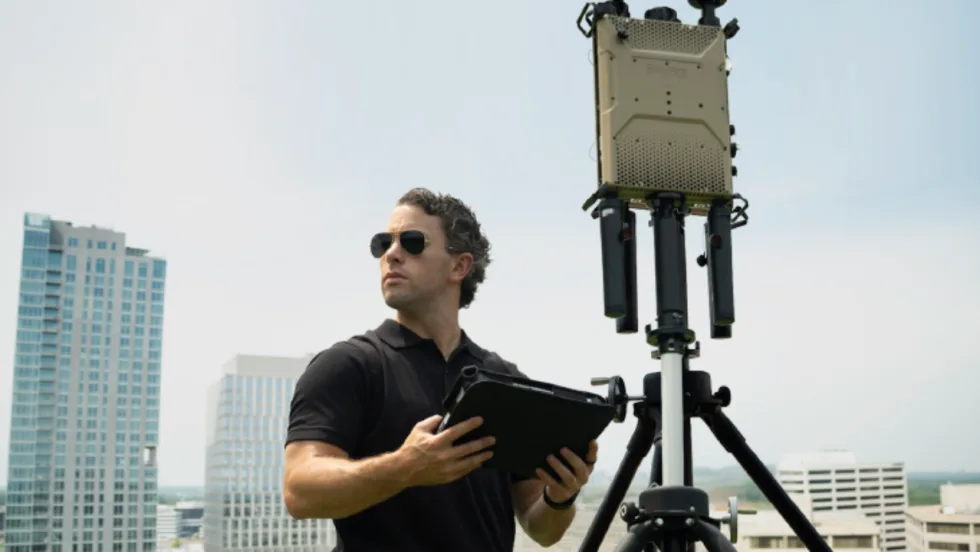
Motorola Solutions Completes Acquisition of D-Fend Solutions
Motorola Solutions has acquired D-Fend Solutions, an industry leader in counter-drone technology. This deal provides public safety and enterprise customers with access to advanced counter-unmanned aerial systems.
Read More →
ZeroEyes, Advantech & Camden Police Partner to Bring AI Gun Detection Technology to Delaware School District
ZeroEyes has partnered with Advantech and the Camden Police Department to deploy ZeroEyes’ AI gun detection and intelligent situational awareness platform at Delaware’s Caesar Rodney School District (CRSD).
Read More →