



California Cold Hit DNA Program Cracks Baffling Cases
In the last few years, California cops and prosecutors have scored 200 cold hits from DNA databases. That sounds impressive, but during the same time period, Virginia scored 1,000. California is clearly lagging behind many other states when it comes to exploiting 21st-century forensic technology, but that may be changing.

In the last few years, California cops and prosecutors have scored 200 cold hits from DNA databases. That sounds impressive, but during the same time period, Virginia scored 1,000. California is clearly lagging behind many other states when it comes to exploiting 21st-century forensic technology, but that may be changing.
One of the reasons that California has been slow to reap the rewards of cold hits--matches between DNA found at crime scenes and profiles of convicted criminals in a federal data-base--has been a legal challenge. But the lawsuit failed.
Now the Golden State's more than 600 Death Row inmates will have their DNA sampled. Also the authori-ties are now sampling any individual convicted of a major crime, including violent felonies, first-degree burglary, etc.
All of these samples are now being added to the FBI's DNA database, and the results have been impressive. In Sacramento County alone, three homi-cides and six rapes have been solved through cold hits in the last six months. In addition, California now has the largest state database of con-vict DNA in the nation.
Of course, having the samples from convicts is only half of the equation. Agencies have to hold onto crime scene samples and rape kits to make the system work. And that's easier said than done.
The state attorney general's office created a program two years ago to prompt labs and investigators to pur-sue cold hits. Some $50 million was allocated for the the three-year initia-tive with a goal of processing 30,000 rape kits and other biological evidence from crime scenes. State officials later cut the funding to $28.5 million after discovering that some agencies had destroyed the biological evidence to save space. In the most celebrated case of DNA destruction, the Los Angeles Police Department trashed 1,100 rape kits. Detectives ordered the evidence destroyed in all cases that were more than six years old, not realizing that the California statute of limitations for rape had been extended to 10 years in 2001.
Under the cold hit program, crime labs can petition the attorney general's office for funds to hire criminalists and buy equipment for DNA analysis. Crime lab directors and prosecutors say that's good on one level, but their major concern is processing the evi-dence before the money runs out. The program ends next October, and un-less it is renewed, the labs will be forced to look for another funding source or they will have to trim staff.
More Patrol

Adept Armor Introduces Two New Rifle Plates
Adept Armor has launched two new Level IV ballistic plates, the Emperor and the Archon Mark 2, which brings Adept Armor’s new Quatroid ceramic to the high-threat, performance-value center of the range at 5.2 pounds.
Read More →
POLICE Product Test: Benchmade Bailout
The Benchmade Bailout is a slim, lightweight carry knife with a deep-ride pocket clip and comes in a variety of blade steels and scales. Here is a detailed review of the Taiga Green Bailout, released earlier this year.
Read More →
NLEOMF Announces July 2026 Officer of the Month
NLEOMF honored a Michigan deputy sheriff as the July 2026 Officer of the Month for rescuing a trapped driver from a burning vehicle following a Fourth of July crash.
Read More →
Streamlight to Showcase Newest Lighting Products at National Safety Council’s Safety Congress & Expo 2026
Streamlight will showcase its latest lights, including the Portable Scene Light III and the LiteBox 1Million, at the 2026 National Safety Council (NSC) Safety Congress & Expo.
Read More →
The 2027 World Police & Fire Games Set for Perth, Australia
The 2027 World Police & Fire Games (WPFG) will take place in Perth, Western Australia, from Friday, March 12 through Sunday, March 21, 2027.
Read More →
5.11 Partners with National Fallen Firefighters Foundation to Support #ForThe343
5.11 has joined the nationwide movement honoring the 343 New York City Fire Department firefighters lost on Sept. 11, 2001.
Read More →
Team Wendy Announces Title Sponsorship of the Jorge Pastore Foundation
Team Wendy’s 3-year partnership with the Jorge Pastore Foundation expands access to programs that strengthen those who serve.
Read More →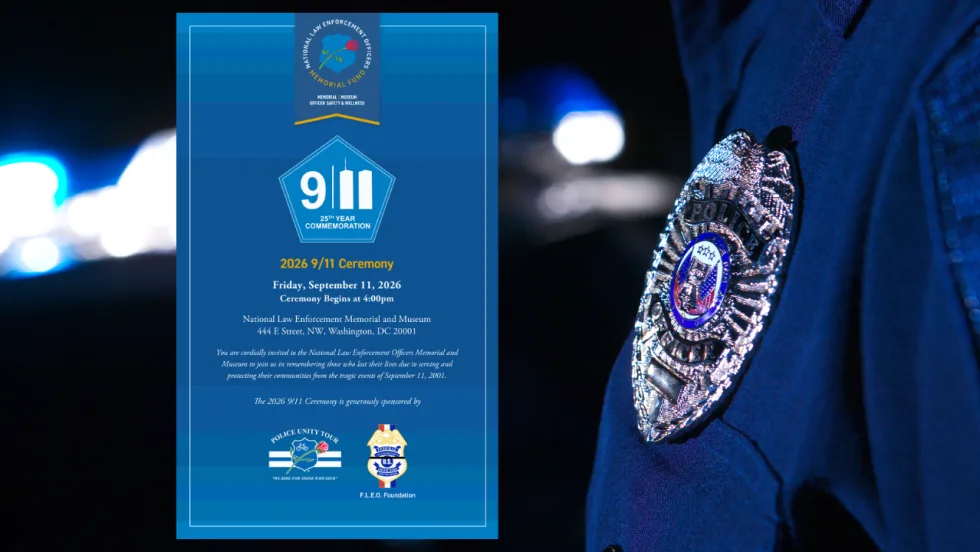
National Law Enforcement Memorial and Museum Hosting 9/11 25th-Year Commemoration Ceremony
The National Law Enforcement Memorial and Museum is hosting a 9/11 25th Year Commemoration Ceremony on Sept. 11 at 4 p.m.
Read More →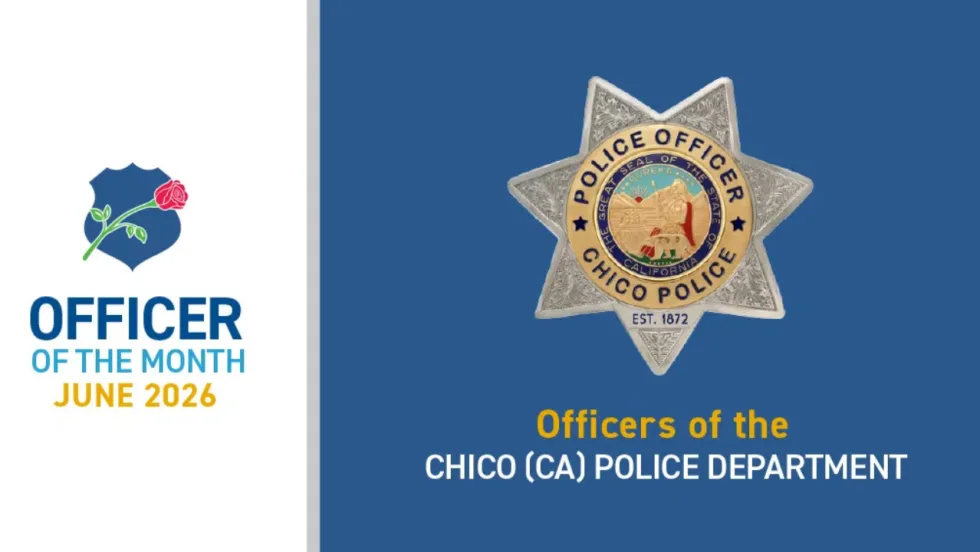
National Law Enforcement Officers Memorial Fund Announces June 2026 Officers of the Month
The National Law Enforcement Officers Memorial Fund (NLEOMF) named 15 officers of the Chico Police Department (California) as the Officers of the Month for June 2026 for their roles in responding to an active-shooter incident at a public library.
Read More →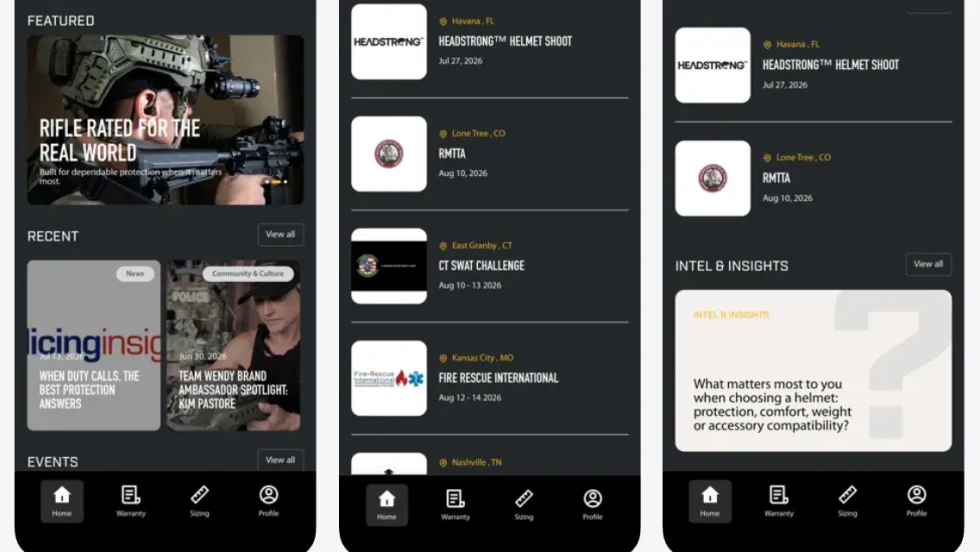
Team Wendy App Creates New Digital Hub for Helmet Owners
The Team Wendy Community App provides one location for warranty registration, size-fit tools, product updates, and community connection. For helmet owners, the new app creates a simpler path to the information and tools that matter most.
Read More →