



BART Verdict: Consider a Weak-Hand TASER Draw
It is essential that trainers put officers through their paces with training that is dynamic, stress-inducing, and requires officers to make force-options decisions that truly test the officer's ability to be ready for stressful encounters on the street.

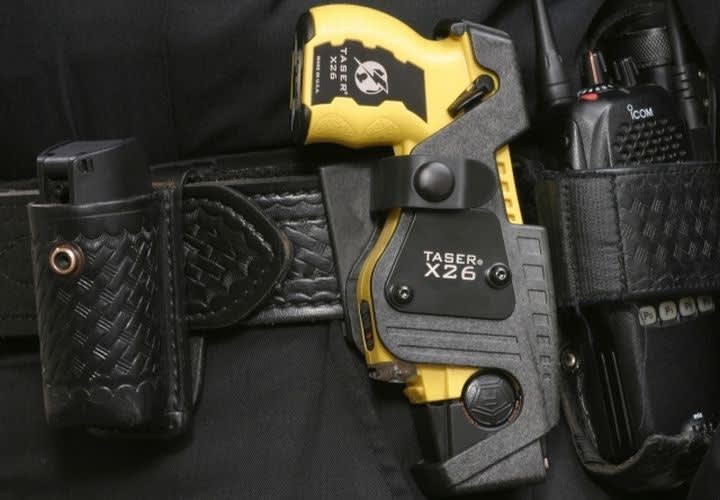
Photo via Euro-police.noblogs.org.
I was the defense use-of-force expert on the case, and I have read the jury instructions.
I've tentatively concluded that the jury went with involuntary manslaughter on the basis that former Bay Area Rapid Transit (BART) Officer Johannes Mehserle was engaged in a lawful act—the arrest of Oscar Grant III—and that he accidentally drew his handgun while intending to draw his TASER.
That being said, the jury found that he was criminally negligent in that effort in that he didn't reasonably follow policy or training. Let's analyze three key areas of my testimony that officers and trainers ought to consider:
First, a TASER is sometimes used in imminent deadly force scenarios. Many lives have been saved, but sometimes officers are hurt in the process. It is important to do this as safely as possible.
Second, there have been six prior weapon-confusion cases in the past nine years where an officer shot someone while intending to use his or her TASER.
And third, it is essential that trainers put officers through their paces with training that is dynamic, stress-inducing, and requires officers to make quick force-options decisions. The training must truly test the officer's ability to be ready for stressful encounters on the street.
As a common thread of all six weapon-confusion cases, the officer's strong hand was involved. Therefore, consider requiring an officer's TASER to be in weak-side holsters requring a weak-hand draw to reduce the possibility of another tragic case. Dr. Bill Lewinski (Force Science Research Center) and I have discussed this issue, and we believe that it would signfiicantly reduce the risk of having a weapon-confusion incident.
Finally, several media outlets are reporting that the jury also found that the California law involving the use of a gun during the commission of a crime (the so-called "gun enhancement") applied in this case. This one is a head-scratcher, because according to my reading of the jury instructions on that issue he would have had to intentionally use the firearm. That seems contrary to the involuntary manslaughter verdict.
We'll see how the judge handles all of this at sentencing on Aug. 6. Regardless of the outcome, this is a tragic case with no winners.
Greg Meyer retired as a captain from the LAPD. A consultant and expert witness on use-of-force issues, he is a member of both the National Advisory Board of the Force Science Research Center and the POLICE Advisory Board and serves as chairman of the Los Angeles Police Historical Society.
More Blog Posts
Preventing Heat Injury in Police K-9s
In the relentless heat of summer and even early fall in some parts of the country, officers face the important task of protecting their K-9 partners while working in sweltering temperatures. Recognizing changes in a dog’s behavior is the key.
Read More →
Why Your Agency Needs to Attend the ILEETA Conference
ILEETA is a complete resource for trainers to address trainers' needs. Its mission is to enhance the skills and safety of criminal justice practitioners while fostering stronger and safer communities.
Read More →
IACP 2023: New Training Products
Technologies for improving law enforcement training and training management were some of the highlights at this year's show.
Read More →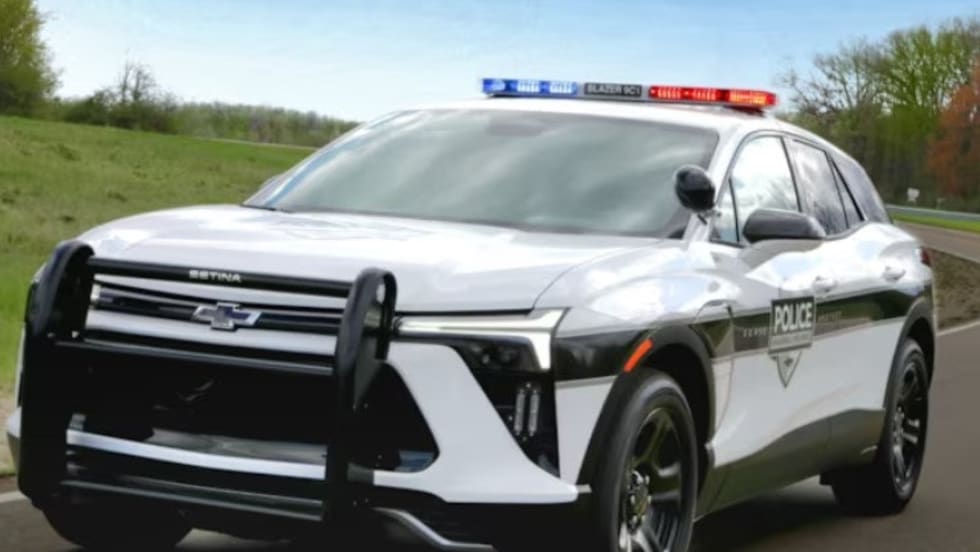
Initial Results Released from MSP 2024 Police Vehicle Testing
The 2024 pursuit-rated vehicles--all pickup trucks or SUVs, including two battery electric models the Chevrolet Blazer EV AWD and Ford Mustang Mach-E--were put through their paces.
Read More →
Officer Safety Considerations Related to Alternative-Fuel Vehicles
As more alternative-fuel and hybrid vehicles hit the road, police and other first responders need to understand that they are no more dangerous than conventional vehicles. However, there are certain safety considerations every cop should know.
Read More →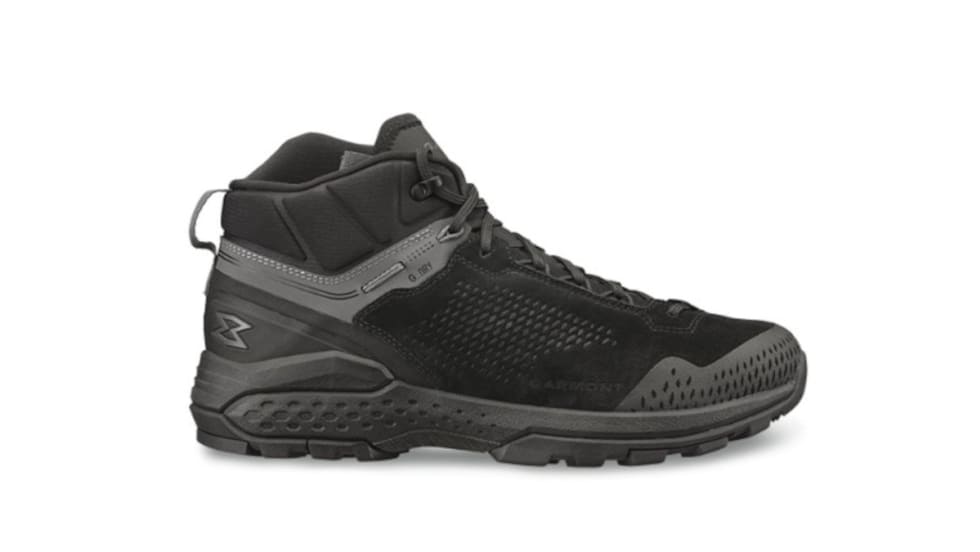
Garmont Working to Grow LE Market Presence
Garmont Tactical has found wide acceptance by military boot buyers, but now the company is trying to better respond to the needs of police officers. Many cops now are not fans of 8-inch boots, so Garmont is adapting.
Read More →
Publisher’s Note: Our Commitment to You
Through our magazine and website and our Police Technology eXchange event, we promise to provide you with information and access to resources to help you do your job safer and better.
Read More →
10 Tips for Responding to Mental Health Crisis Calls
The Harris County Sheriff's Office is a model for other agencies that want to learn about crisis intervention and mental health crisis response. Sgt. Jose Gomez shares the story of their programs and provides 10 tips for mental health crisis call response
Read More →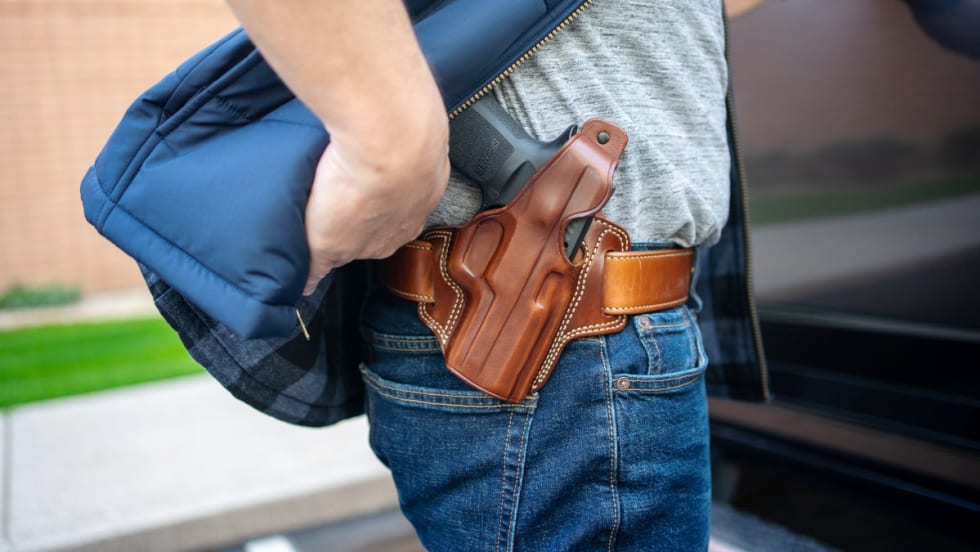
5 Things to Know When Buying Concealed-Carry or Off-Duty Holsters
Mike Barham, of Galco Holsters, shares five important considerations to keep in mind when you buy off-duty concealed or plain-clothes carry holsters.
Read More →
10 Tips for Reviewing Use-of-Force Reports
While the burden of accurately reporting use-of-force situations is on an individual deputy or officer, the person reviewing those reports shares in the responsibility of making sure the reporting is done properly, with clear details included.
Read More →