



A Shocking Proposition
A categorical claim that the availability of TASERs in the field mitigates the need for a backup officer is not only grossly irresponsible, but a prescription for disaster.

I received this question in our "Ask the Expert" mailbox the other day, and I felt it needed a comprehensive response. It reads: "One of our department personnel recently commented (something to the effect) that the effective and proper use of TASERs has reduced the need for backup officers. Any thoughts on this?"
I thank the poster for taking the time to share this question with the rest of us. And yes, I do have some thoughts on it.
First, to think that a fellow law enforcement like the officer on the poster's department would claim that TASERs have obviated the need for backup officers is stunning.
Don't get me wrong. Personally, I love the TASER, having been witness to its efficacy in numerous field situations. I believe that officers should have a variety of less-lethal options available to them, and I would be hard pressed to think of another less-lethal tool that is as widely deployed and equally effective as the TASER.
Indeed, the public's growing awareness of the TASER is such that it has even gained the psychological impact of a shotgun being racked: Once aware of its presence, many subjects display instant compliance. Those who don't become converts soon enough. You can watch testimony from the converted at this link.
But as much as I am a believer in the TASER, I also believe even the strongest TASER proponents would pause before claiming that the TASER has negated the need for a backup officer.
And with good reasons.
For one, the TASER is much like any other tool. Sometimes when you use it, it doesn't achieve the effect that you hoped it would. A suspect's size, his or her degree of intoxication, the distance between him or her and the TASER wielding officer, the type of clothing he or she is wearing, his or her movements, and other factors can reduce the effectiveness of a TASER.
In a study of the Seattle Police Department's first-year use of the M-26 TASER, officers were able to make "verified TASER contact" only 86 percent of the time. The reason for this is easily understood; people tend to move when you try to TASER them.
That same Seattle study documented that in five percent of the cases in which contact was confirmed, the M-26s did not deliver "a disabling or partially disabling effect." This was probably due to weak batteries in the TASERs. And I would bet that the results are better with the X26, and its improved battery pack.
The Seattle study doesn't mean that the TASER isn't a great tool. Believe me, it is. I would put the TASER's success rates up against any other less-lethal weapon, and I would win that bet.
But there are times when a TASER should never be deployed such as when you are confronted by a suspect wielding a firearm. Sadly, more than one officer has paid the price for thinking otherwise.
Such realities factor into how we handle volatile field situations and why we appoint designated shooters, less-lethal weaponry officers, and arrest teams. These clear-cut areas of responsibility simultaneously give us a wide range of force options while freeing individual officers from the distraction of having to make some split-second use-of-force adjustment. Such designations of force options have helped officers successfully end thousands of field situations involving everything from domestic disturbances to agitated drunks to violent offenders of all stripes.
Yes, I can imagine situations where a TASER has mitigated the need for a backup officer. But in a vast majority of such cases, I believe that determination could only be made with the advantage of hindsight and well after the incident has been resolved.
This is part of the reason that I find a categorical claim that the availability of TASERs in the field mitigates the need for a backup officer is not only grossly irresponsible, but a prescription for disaster. Not only does such thinking encourage "one man army" attitudes, it also removes other options such as the availability of a second officer who may develop a rapport with the subject in question, thereby negating the need for force.
Personally, I think we need all the backup we can get. I'm an advocate for two-person cars. Realistically, I know that we ain't going back to that system. But I do think it's reasonable for us to expect sufficient field coverage so that officers have a realistic expectation of prompt backup.
My read of the poster's question leaves me with the nagging suspicion that someone on his agency may have been trying to use the availability of TASERs to justify an environment wherein backup officers are either not deployed or not requested, probably to save money.
And that concept is not only stunning, it's dangerous.
More Blog Posts
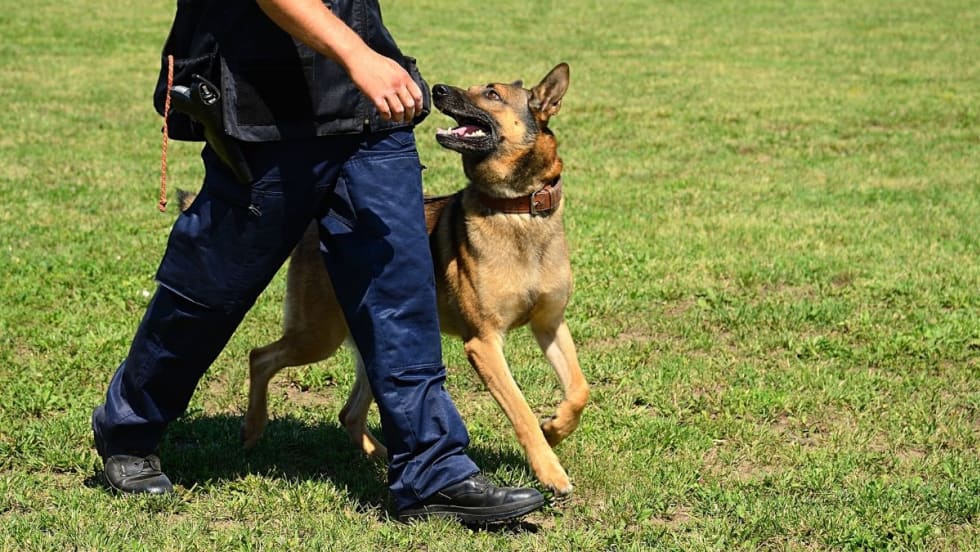
Preventing Heat Injury in Police K-9s
In the relentless heat of summer and even early fall in some parts of the country, officers face the important task of protecting their K-9 partners while working in sweltering temperatures. Recognizing changes in a dog’s behavior is the key.
Read More →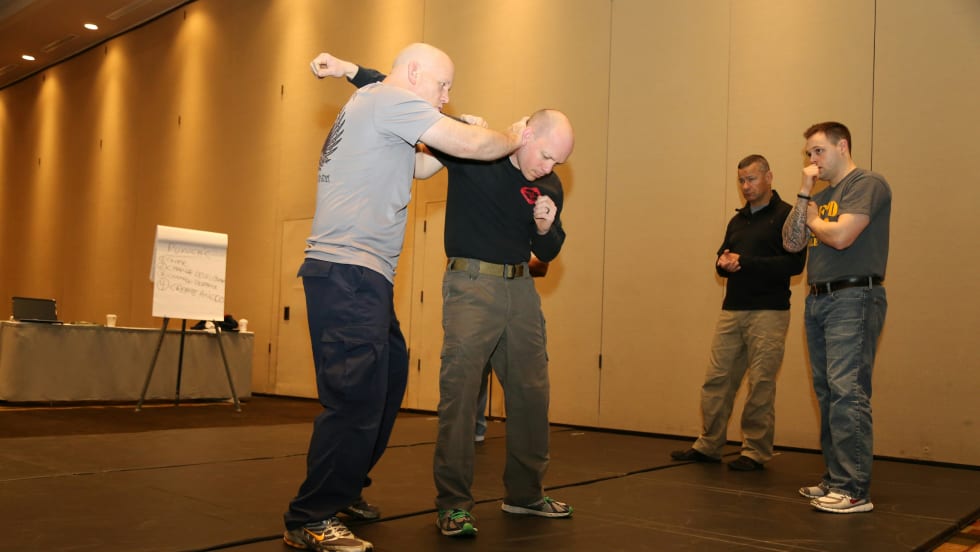
Why Your Agency Needs to Attend the ILEETA Conference
ILEETA is a complete resource for trainers to address trainers' needs. Its mission is to enhance the skills and safety of criminal justice practitioners while fostering stronger and safer communities.
Read More →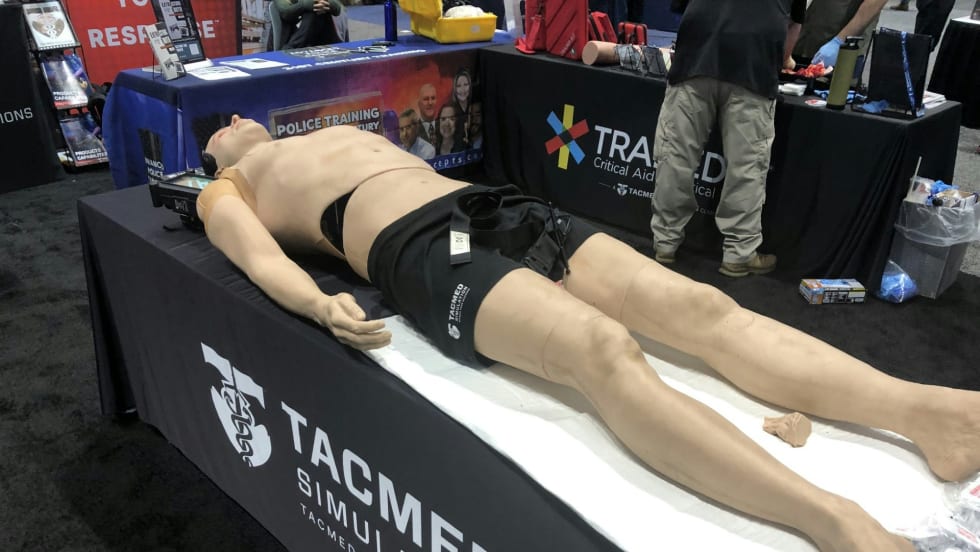
IACP 2023: New Training Products
Technologies for improving law enforcement training and training management were some of the highlights at this year's show.
Read More →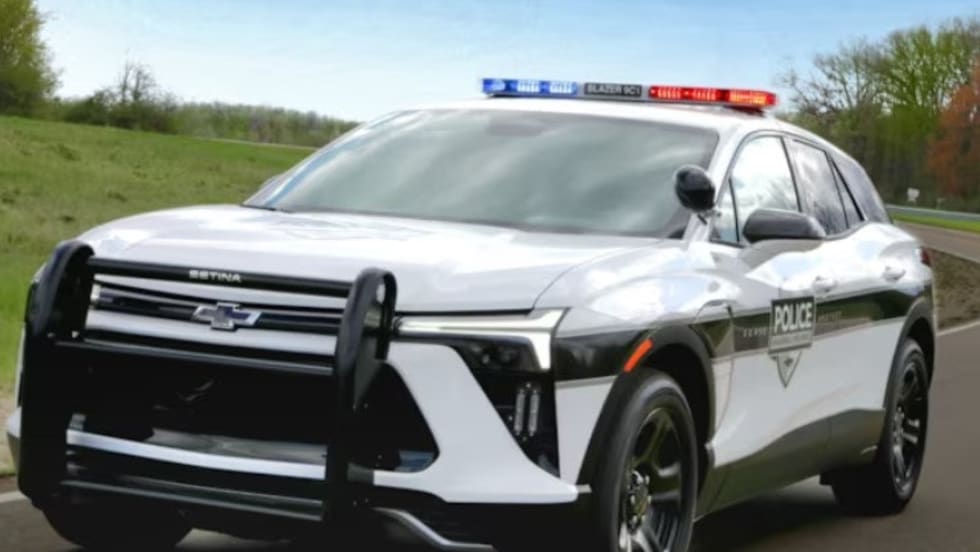
Initial Results Released from MSP 2024 Police Vehicle Testing
The 2024 pursuit-rated vehicles--all pickup trucks or SUVs, including two battery electric models the Chevrolet Blazer EV AWD and Ford Mustang Mach-E--were put through their paces.
Read More →
Officer Safety Considerations Related to Alternative-Fuel Vehicles
As more alternative-fuel and hybrid vehicles hit the road, police and other first responders need to understand that they are no more dangerous than conventional vehicles. However, there are certain safety considerations every cop should know.
Read More →
Garmont Working to Grow LE Market Presence
Garmont Tactical has found wide acceptance by military boot buyers, but now the company is trying to better respond to the needs of police officers. Many cops now are not fans of 8-inch boots, so Garmont is adapting.
Read More →
Publisher’s Note: Our Commitment to You
Through our magazine and website and our Police Technology eXchange event, we promise to provide you with information and access to resources to help you do your job safer and better.
Read More →
10 Tips for Responding to Mental Health Crisis Calls
The Harris County Sheriff's Office is a model for other agencies that want to learn about crisis intervention and mental health crisis response. Sgt. Jose Gomez shares the story of their programs and provides 10 tips for mental health crisis call response
Read More →
5 Things to Know When Buying Concealed-Carry or Off-Duty Holsters
Mike Barham, of Galco Holsters, shares five important considerations to keep in mind when you buy off-duty concealed or plain-clothes carry holsters.
Read More →
10 Tips for Reviewing Use-of-Force Reports
While the burden of accurately reporting use-of-force situations is on an individual deputy or officer, the person reviewing those reports shares in the responsibility of making sure the reporting is done properly, with clear details included.
Read More →