



7 Tips for Handling the Unusual Call
If it is true that fortune favors the prepared, then it makes sense for law enforcement to have as much prior contingency planning in place as possible. There are several things patrol personnel can do in the absence of otherwise readily available protocol.


Photo: POLICE file
If it is true that fortune favors the prepared, then it makes sense for law enforcement to have as much prior contingency planning in place as possible. To that end, there are several things patrol personnel can do in the absence of otherwise readily available protocol.
1. Have a "go-to" checklist of sources to contact. Include legal contacts—the circumstances confronting you may actually dictate if that involvement is neither warranted, nor wanted.
2. Establish flexibility in your own ability to plan and adapt to new situations.
3. Develop contingencies for contingencies. Realize that the complicated may become more so. Do all that you can to avoid creating "domino-type" scenarios wherein additional people fall prey to circumstances.
4. In the absence of a policy and procedures manual to address the problem, consider exploiting the Internet. A multi-casualty plan is available online as are procedures to follow in the aftermath of a nuclear or radiological incident. There are a variety of such federal resources available online.
5. Be sure not just to make notifications of agencies that you want to, but those that you may be required to such as the National Transportation Safety Board, Centers for Disease Control, FBI, etc.
6. Look for the silver lining in such events. Share the lessons learned through in-house critical incident debriefings (where appropriate) or via e-mail. Recognize the chance to develop mutual protocol and alliances with other agencies and resources.
7. Have a psychological safety net in place. Whether it is your faith, your family, friends, or professional counseling, don't hesitate to exploit assistance where and when you can find it.
With sufficient desire and foresight, it may even become normal for you to be regarded as the go-to guy in handling the unusual.
Related:
More Blog Posts
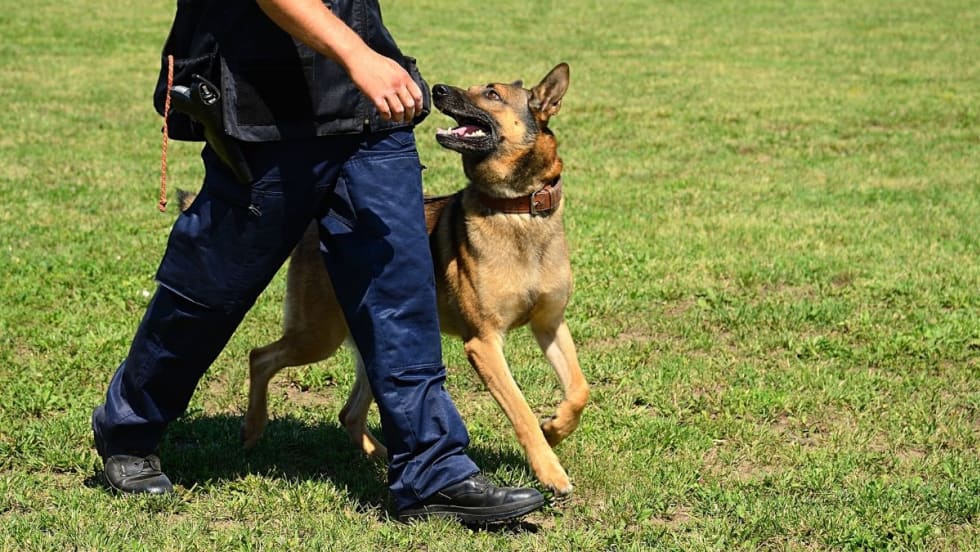
Preventing Heat Injury in Police K-9s
In the relentless heat of summer and even early fall in some parts of the country, officers face the important task of protecting their K-9 partners while working in sweltering temperatures. Recognizing changes in a dog’s behavior is the key.
Read More →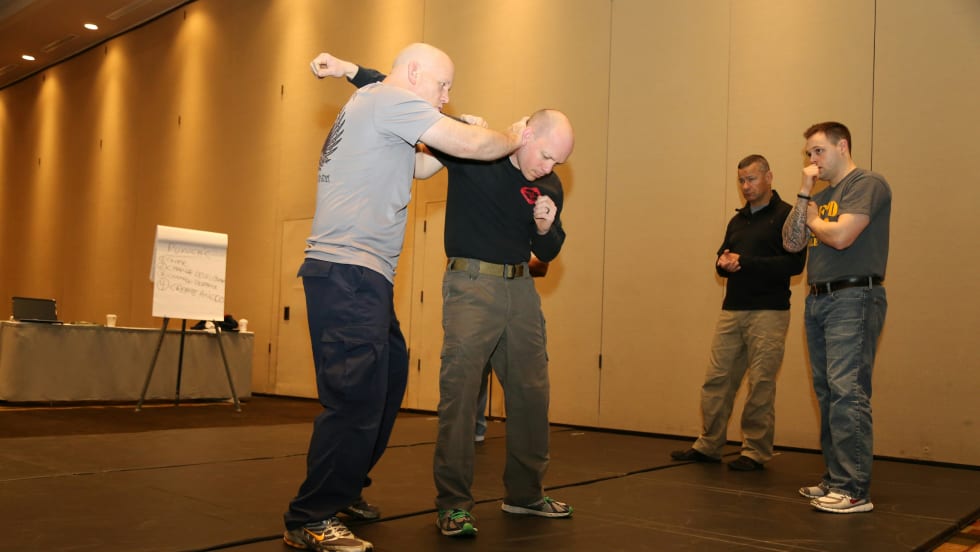
Why Your Agency Needs to Attend the ILEETA Conference
ILEETA is a complete resource for trainers to address trainers' needs. Its mission is to enhance the skills and safety of criminal justice practitioners while fostering stronger and safer communities.
Read More →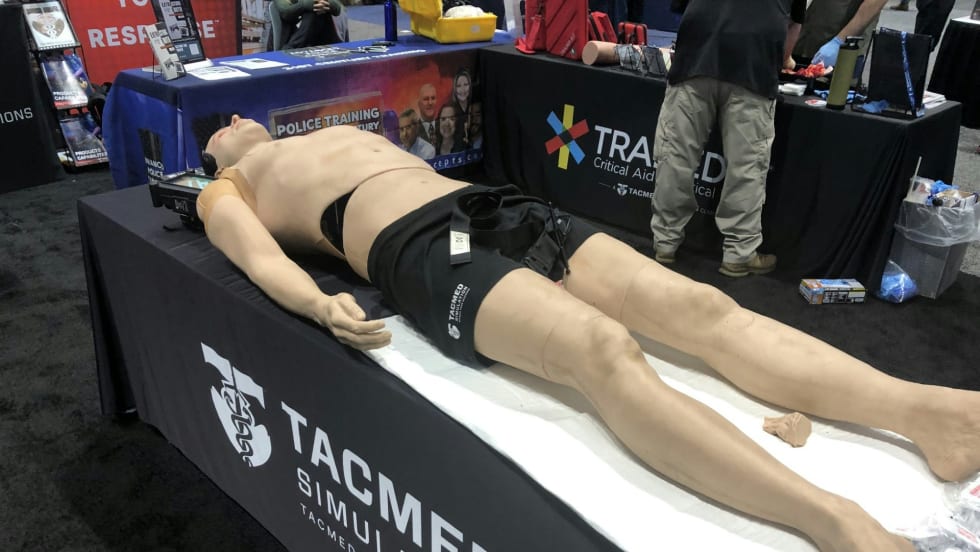
IACP 2023: New Training Products
Technologies for improving law enforcement training and training management were some of the highlights at this year's show.
Read More →
Initial Results Released from MSP 2024 Police Vehicle Testing
The 2024 pursuit-rated vehicles--all pickup trucks or SUVs, including two battery electric models the Chevrolet Blazer EV AWD and Ford Mustang Mach-E--were put through their paces.
Read More →
Officer Safety Considerations Related to Alternative-Fuel Vehicles
As more alternative-fuel and hybrid vehicles hit the road, police and other first responders need to understand that they are no more dangerous than conventional vehicles. However, there are certain safety considerations every cop should know.
Read More →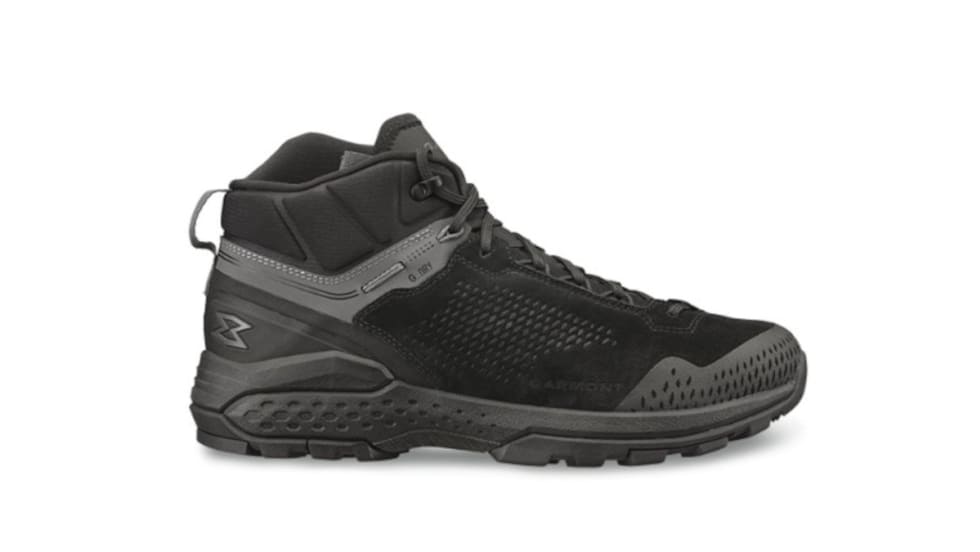
Garmont Working to Grow LE Market Presence
Garmont Tactical has found wide acceptance by military boot buyers, but now the company is trying to better respond to the needs of police officers. Many cops now are not fans of 8-inch boots, so Garmont is adapting.
Read More →
Publisher’s Note: Our Commitment to You
Through our magazine and website and our Police Technology eXchange event, we promise to provide you with information and access to resources to help you do your job safer and better.
Read More →
10 Tips for Responding to Mental Health Crisis Calls
The Harris County Sheriff's Office is a model for other agencies that want to learn about crisis intervention and mental health crisis response. Sgt. Jose Gomez shares the story of their programs and provides 10 tips for mental health crisis call response
Read More →
5 Things to Know When Buying Concealed-Carry or Off-Duty Holsters
Mike Barham, of Galco Holsters, shares five important considerations to keep in mind when you buy off-duty concealed or plain-clothes carry holsters.
Read More →
10 Tips for Reviewing Use-of-Force Reports
While the burden of accurately reporting use-of-force situations is on an individual deputy or officer, the person reviewing those reports shares in the responsibility of making sure the reporting is done properly, with clear details included.
Read More →