



Why We Should Hire Returning Veterans
Like war, police work can be an ugly job. Like military service, it can be dangerous physically and psychologically. But who's better prepared to endure that crucible than our returning combat veterans?

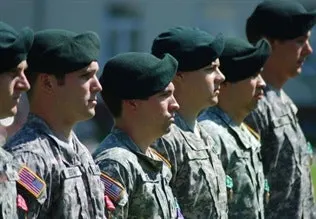
Soldiers of Company B, 1st Battalion, 10th Special Forces Group (Airborne), stand in formation. Photo courtesy of U.S. Army/Flickr.
As the war in the "sandbox" winds down, our military veterans return home looking for new opportunities. Most will return to civilian life. Some of these veterans will become police officers.
We must remember that these young men and women have been changed in the crucible of war. For the great majority, military service has helped these kids grow up and taught them how to handle responsibility. They've toughened up, learned discipline, and got into good physical shape. They've had a few years to mature psychologically. They've gained technical knowledge and valuable skills and many have developed the ability to lead others.
But war is hell. It's ugly. Many of these young men and women have been exposed to horrific experiences. As the saying goes, "there are no unwounded soldiers." Abusing alcohol and drugs to self medicate against the physical and psychological results of the war are unfortunately too common. PTSD is a common side effect of these wartime experiences.
On the other hand, college students living at home with little life experience, no skill with arms, and no leadership ability don't make the perfect law enforcement candidates either. They don't seem to do any better passing alcohol and drug background checks. They seem to test better on computer skills but not as well on people skills or working with others as a team member. They haven't usually passed through a crucible of any kind.
Looking back into history, we know that some returning veterans from the Civil War suffered from morphine addiction (known as the "soldier's disease"). Some became gunslingers or outlaws and formed criminal gangs. The same thing happened when World War I veterans returned home. Many of the individuals who formed the infamous outlaw gangs of the Roaring '20s and Depression era were former military men.
The Hell's Angels outlaw motorcycle gang was formed by returning World War II veterans who liked riding Harley Davidson motorcycles. In the 1950s and '60s, returning GIs from Korea and Vietnam also formed and joined outlaw motorcycle and street gangs. The technical and tactical experiences of these returning veterans were perverted to serve the needs of the criminal gang.
From this war, we can expect some hardened veterans returning to civilian life to become outlaws and gangsters. Experienced in combat and skilled with deadly weapons, they will present a serious challenge to law enforcement officers wherever they settle. Veterans who abuse drugs and alcohol and those who suffer from PTSD present even more of a problem.
But not all of these returning vets will become criminals and gang members. The majority will re-enter society as productive citizens. A few will become lawmen.
This was also true among the veterans returning from service in the Civil War, World War I, World War II, Korea, and Vietnam. The same technical and tactical skills became valuable assets to the law enforcement community. They made good gang cops.
Of late, agencies have been reluctant to hire these returning combat veterans. The risk managers and department psychologists have blocked their hiring, apparently fearing they might be liabilities to the agency because of past war-time psychological issues. They worry about the veteran's use of violence. These same psychologists and risk managers would have blocked returning World War I, World War II, Korean War, and Vietnam vets if they had the power. Luckily they did not, or many of our most famous gang busters would never have carried a badge and gun.
Like war, police work can be an ugly job. Like military service, it can be dangerous physically and psychologically. But who's better prepared to endure that crucible than our returning combat veterans? To quote George Orwell, "People sleep peacefully in their beds at night only because rough men (and women) stand ready to do violence on their behalf." This idea describes military and police occupations.
Some of the best gang busters I have ever worked with were former military combat veterans, especially former U.S. Marines, Army Special Forces members, or military policemen. We should be giving our current returning veterans preference in hiring, rather than hindering them.
More Blog Posts
Preventing Heat Injury in Police K-9s
In the relentless heat of summer and even early fall in some parts of the country, officers face the important task of protecting their K-9 partners while working in sweltering temperatures. Recognizing changes in a dog’s behavior is the key.
Read More →
Why Your Agency Needs to Attend the ILEETA Conference
ILEETA is a complete resource for trainers to address trainers' needs. Its mission is to enhance the skills and safety of criminal justice practitioners while fostering stronger and safer communities.
Read More →
IACP 2023: New Training Products
Technologies for improving law enforcement training and training management were some of the highlights at this year's show.
Read More →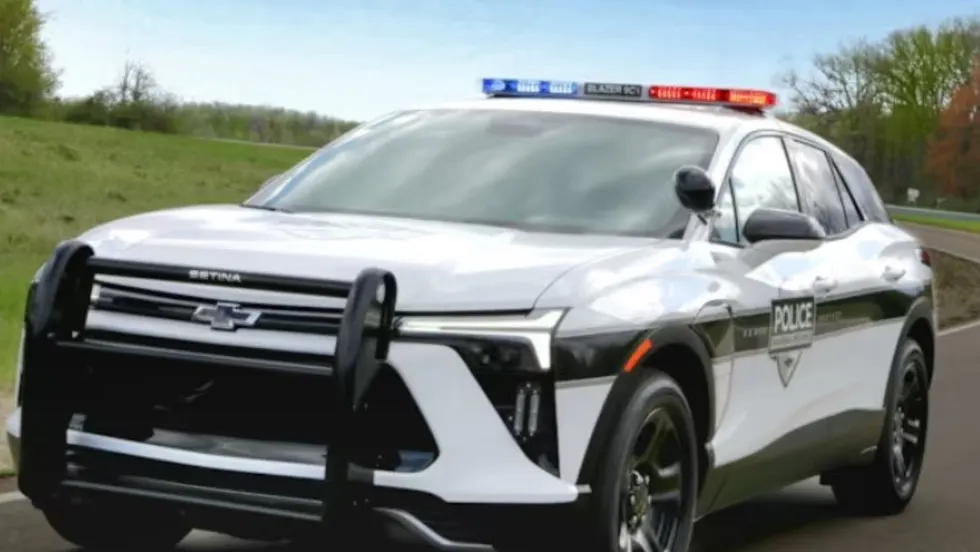
Initial Results Released from MSP 2024 Police Vehicle Testing
The 2024 pursuit-rated vehicles--all pickup trucks or SUVs, including two battery electric models the Chevrolet Blazer EV AWD and Ford Mustang Mach-E--were put through their paces.
Read More →
Officer Safety Considerations Related to Alternative-Fuel Vehicles
As more alternative-fuel and hybrid vehicles hit the road, police and other first responders need to understand that they are no more dangerous than conventional vehicles. However, there are certain safety considerations every cop should know.
Read More →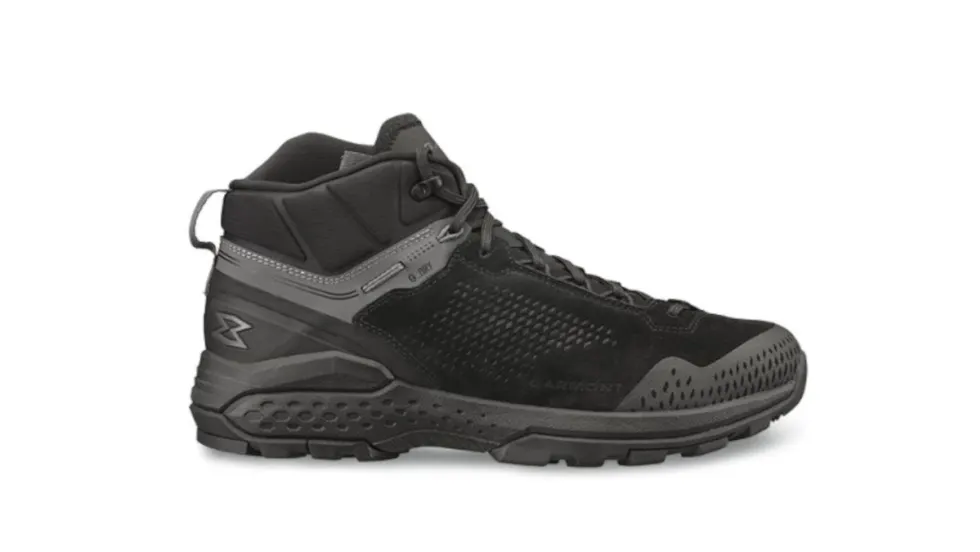
Garmont Working to Grow LE Market Presence
Garmont Tactical has found wide acceptance by military boot buyers, but now the company is trying to better respond to the needs of police officers. Many cops now are not fans of 8-inch boots, so Garmont is adapting.
Read More →
Publisher’s Note: Our Commitment to You
Through our magazine and website and our Police Technology eXchange event, we promise to provide you with information and access to resources to help you do your job safer and better.
Read More →
10 Tips for Responding to Mental Health Crisis Calls
The Harris County Sheriff's Office is a model for other agencies that want to learn about crisis intervention and mental health crisis response. Sgt. Jose Gomez shares the story of their programs and provides 10 tips for mental health crisis call response
Read More →
5 Things to Know When Buying Concealed-Carry or Off-Duty Holsters
Mike Barham, of Galco Holsters, shares five important considerations to keep in mind when you buy off-duty concealed or plain-clothes carry holsters.
Read More →
10 Tips for Reviewing Use-of-Force Reports
While the burden of accurately reporting use-of-force situations is on an individual deputy or officer, the person reviewing those reports shares in the responsibility of making sure the reporting is done properly, with clear details included.
Read More →