



Wounded Officer Treatment and Transport
The minutes slowly click by. The wounded officer is moaning and asking loudly for help. You tell him, "It's going to be OK; EMS is coming." But you think to yourself, "Where are they?"

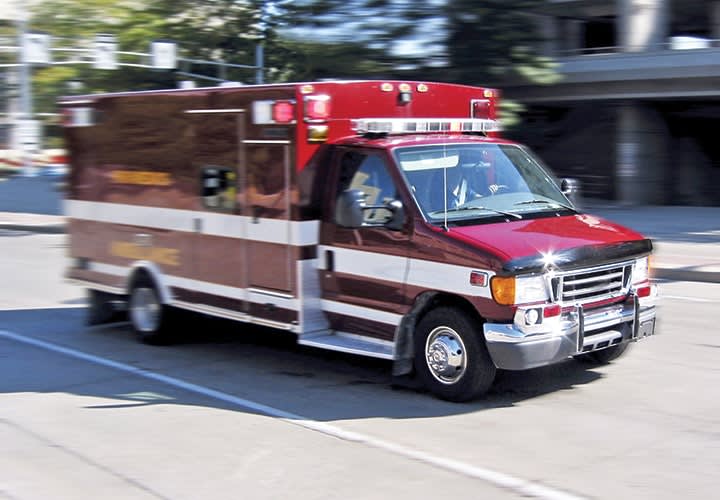
Barricade incident in a residential area. You have the home surrounded, you are behind cover with your weapon drawn, and shots are being fired from inside the residence. An officer is hit. The wounded officer moves to cover and you request fire and EMS. It doesn't look that bad. He is moving and talking, everything looks like it's going to be OK.
The minutes slowly click by. The wounded officer is moaning and asking loudly for help. You tell him, "It's going to be OK; EMS is coming." But you think to yourself, "Where are they?"
An eternity seems to go by with no EMS. The officer is now beginning to go in and out of consciousness and is pleading for help. "Where the hell is fire and EMS?" you say out loud. Then you realize that fire and EMS may not get to you in time to help your buddy.
It's not that your fellow first responders aren't trying to get to you. Fire and EMS desperately wants to help your fellow officer. But they are delayed by distance and the "fog of war," trying to get answers about the scene over the radio from dispatch. Is the shooter in custody? From which direction should they enter the scene? Is the scene safe? What is the location of the wounded officer?
This is a common scenario when officers are wounded at critical incidents, shootouts, and other situations. Fire and EMS are doing their best to respond but they need to know more about the scene and the situation because they are not supposed to operate in zones where gunfire or other attacks could be expected. And by the time the scene is safe and fire and EMS arrive it may be too late.
Time is Blood
Surviving a gunshot wound usually comes down to the speed of blood loss over a given time. The larger the bleed, the shorter the time you have to help yourself or another wounded person.
If the person is visibly bleeding, a trained officer with an individual first-aid kit (IFAK) may be able to use a tourniquet, a clotting agent, or another anti-hemorrhaging tool to control the bleeding. If the bleeding is internal, then people on the scene may have no idea how large the bleed is or even sometimes that the person is bleeding at all or where. So the only immediate response in the field to internal bleeding for anyone other than trained medical personnel is transport to an emergency room.
Control the Bleeding
This is a scenario in which minutes are critical, and you may not have time to wait for fire and EMS to get to the scene. You need to try to control the bleeding and get the officer to the ER as fast as possible.
To control the bleeding each patrol vehicle should be equipped with an IFAK that contains two combat tourniquets, gauze, a clotting agent, and other emergency medical response tools. Train on how to apply the tourniquets quickly and how to effectively pack a gunshot wound with combat gauze. Your agency should hire a medical specialist who is trained in trauma response to teach officers how to properly and effectively use these tools.
Transport Immediately
When an officer is shot, a two- to three-person rescue and extraction team should immediately come together from the officers on the scene. Pull a patrol vehicle over to the officer to provide cover. Apply a tourniquet if needed and/or quickly pack the wound. Load the officer in the back of the patrol vehicle, have one to two officers hold pressure on the wound, and run code quickly but safely to the closest emergency room.
While you are en route to the hospital, have dispatch notify the hospital you are on your way and that you have a wounded officer who needs trauma care. The hospital will activate the trauma team and will most likely be waiting on the ER ramp with a stretcher when you arrive.
When to Transport
You should be able to have the officer treated and loaded in a vehicle in two to three minutes. The best way you can ensure this level of efficiency is to drill with other officers to execute this lifesaving action before you need it.
Once the wounded officer is loaded into a vehicle, you most likely can have the officer in the hands of an ER team faster than fire and EMS can get to you. If you are a rural department, the travel time to an ER will be longer, but so will the time it takes fire and EMS to get to you.
You don't want to transport every wounded officer. You have to weigh whether to rapidly transport or wait on Fire and EMS for each scenario. If EMS is close and they are reporting they are a few minutes out, then by all means wait for them. But please don't wait while your buddy bleeds out wondering if fire and EMS will make it in time.
Trying to control the bleeding while rapidly transporting him or her to the hospital is the best bet for saving an officer with a critical gunshot wound. A small investment in combat bleeding control products and some training time in how to use them and how to transport a wounded officer in a patrol vehicle could literally mean the difference between life and death.
Chris Smith is a lieutenant and tactical medic with the Cobb County (GA) Fire & Emergency Services Medical Operations Team. The MedOps team serves in the tactical medic role to support Cobb County Police and the Cobb County Sheriff's Office.
More Patrol
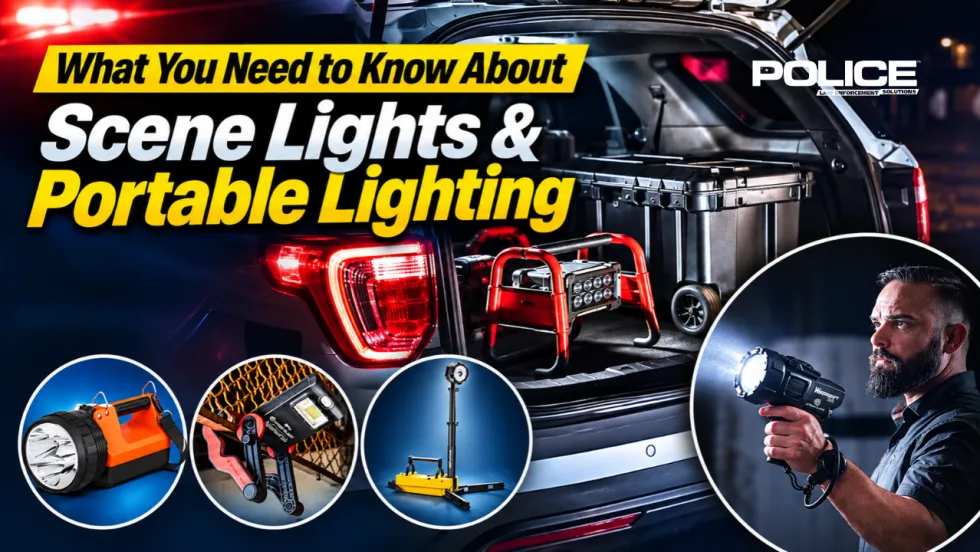
Scene Lights and Portable Lighting: Indispensable Tools for Patrol Vehicles
Carrying dedicated portable scene lights can make all the difference when illuminating a nighttime accident scene, conducting a roadside investigation, searching a wooded area, or managing other incidents before additional resources arrive. Here is what you need to know.
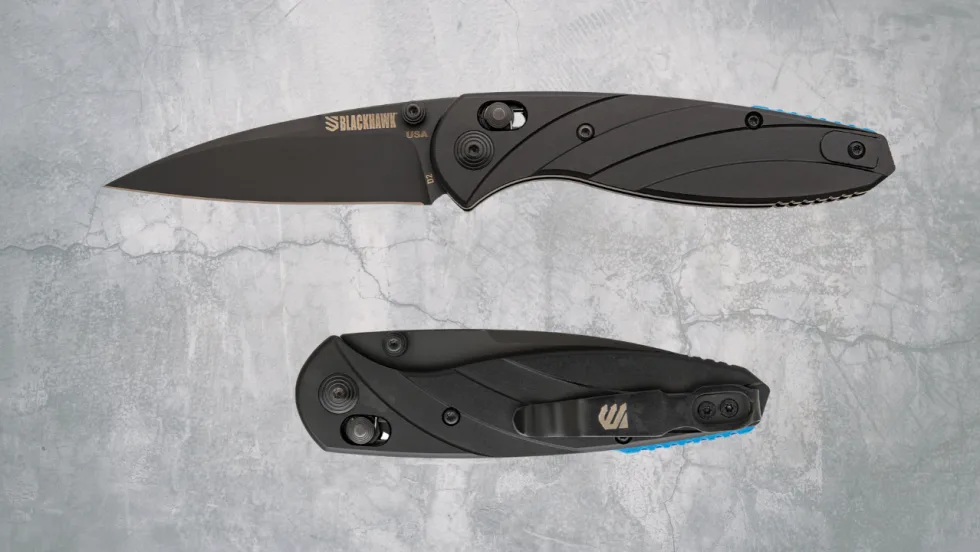
Blackhawk Showcases Officer Carry Slide Lock Folder
Blackhawk’s Officer Carry slide lock folder is a back-to-basics folder that offers the perfect middle ground of lightweight, positive manual operation, and multi-purpose performance built around a D2 steel blade.

Folds of Honor North Texas Gala Brings Community Together at AT&T Stadium, Raising $4 Million for Military and First Responder Families
The 2026 Folds of Honor North Texas Gala featured an inspiring evening honoring service, sacrifice, and the power of education, and raised $4 million to provide scholarships to the spouses and children of America's fallen or disabled military members and first responders.
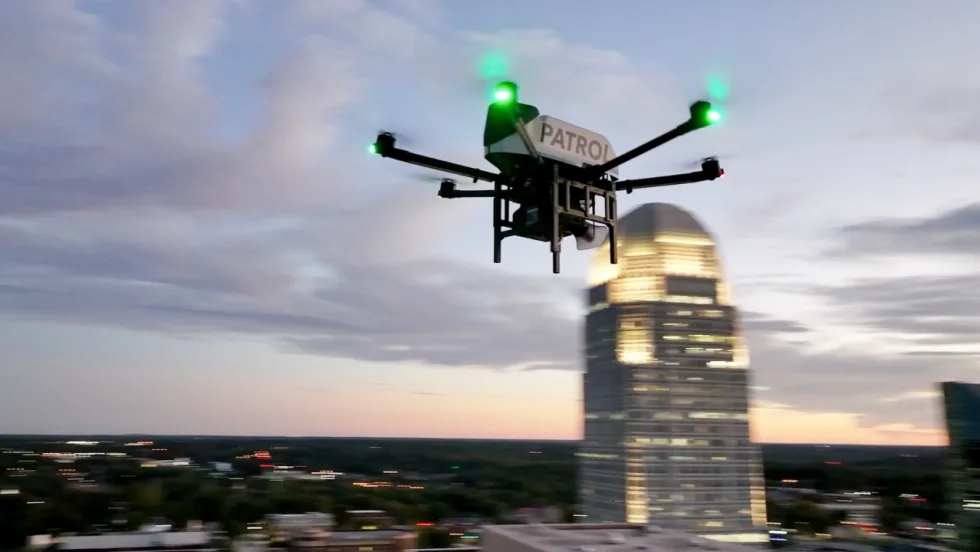
Forsyth County Sheriff Establishes First U.S. A2Z AirDock Network, Expanding its DFR Capabilities
The Forsyth County Sheriff’s Office, North Carolina, has launched the nation’s first A2Z Drone Delivery AirDock network. The dedicated network for drone-as-first-responder missions supports a fleet of A2Z Longtail Patrol drones.
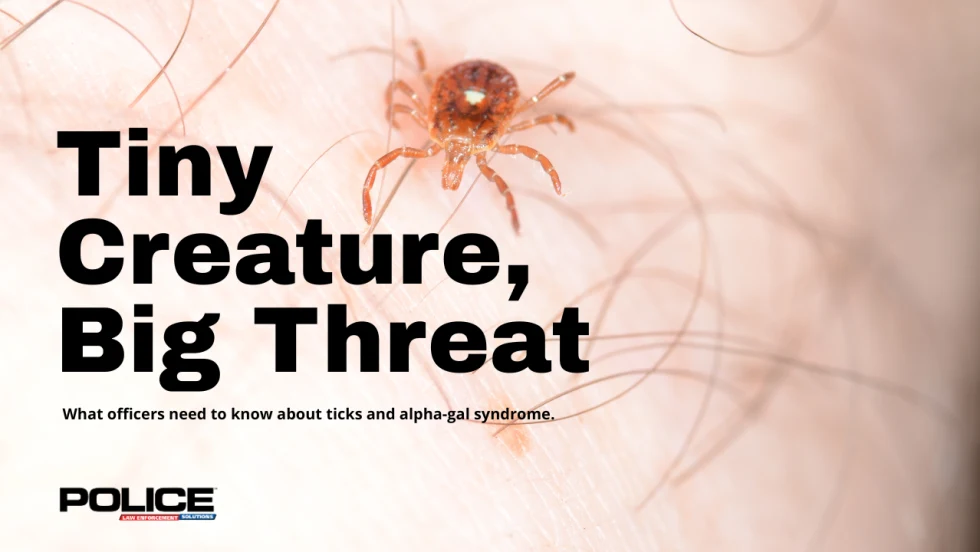
The Threat That Fits Under Your Fingernail
What cops need to know about alpha-gal, the tick-borne allergy that can turn an ordinary exposure into a problem weeks or months later.
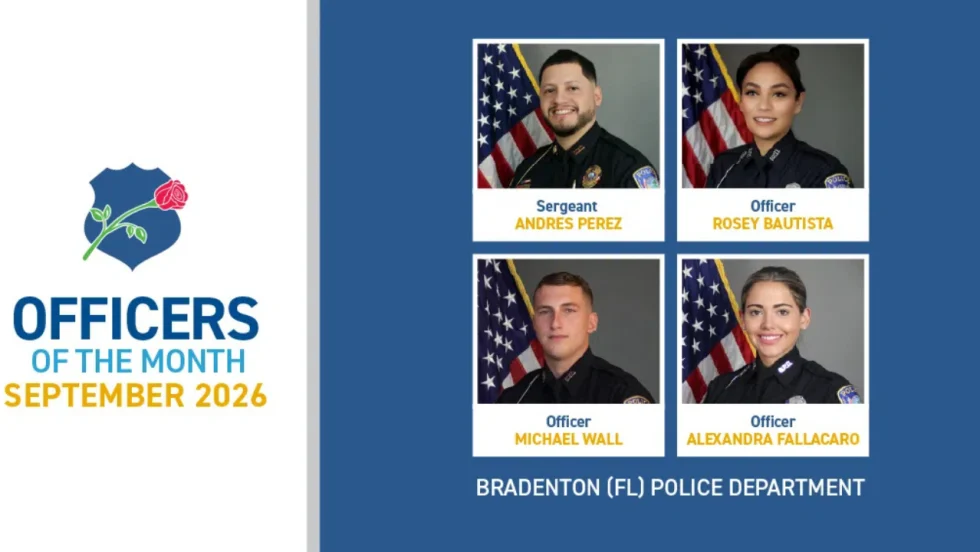
NLEOMF Honors September 2026 Officers of the Month
Four Bradenton Police Department officers were selected as the NLEOMF Officers of the Month for September 2026 for a nighttime water rescue.
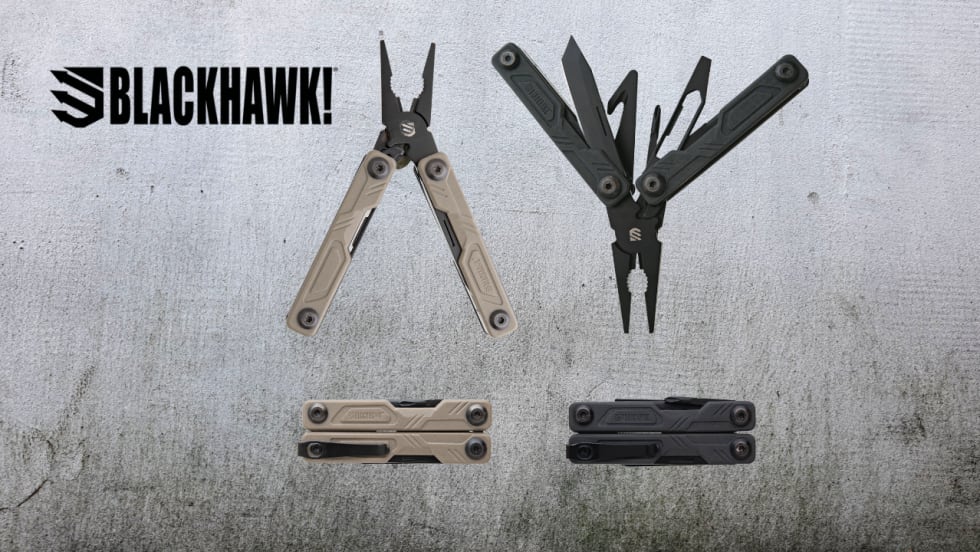
Blackhawk Debuts Mini EDC Pocket Multi-Tool
The Blackhawk Mini EDC Pocket Multi-Tool stows easily in pants pockets thanks to a sturdy stainless steel pocket clip and incorporates several essential/emergency tools into a single, high-mobility unit.

Team Wendy Introduces the EXFIL Endurance Ballistic Helmet, Engineered to Reduce the Burden of Extended Wear
Team Wendy has launched its EXFIL Endurance, a new lightweight ballistic helmet engineered to deliver protection, comfort, and fit during demanding, extended operations.

The First Responders Children’s Foundation National First Responders Day Roll Call of Heroes Ceremony Returns to Times Square, NYC
First Responders Children’s Foundation (FRCF), in collaboration with T-Mobile, will host the Roll Call of Heroes ceremony in Times Square to commemorate National First Responders Day on Wednesday, Oct. 28. During the event, FRCF will present 18 Hero Awards.
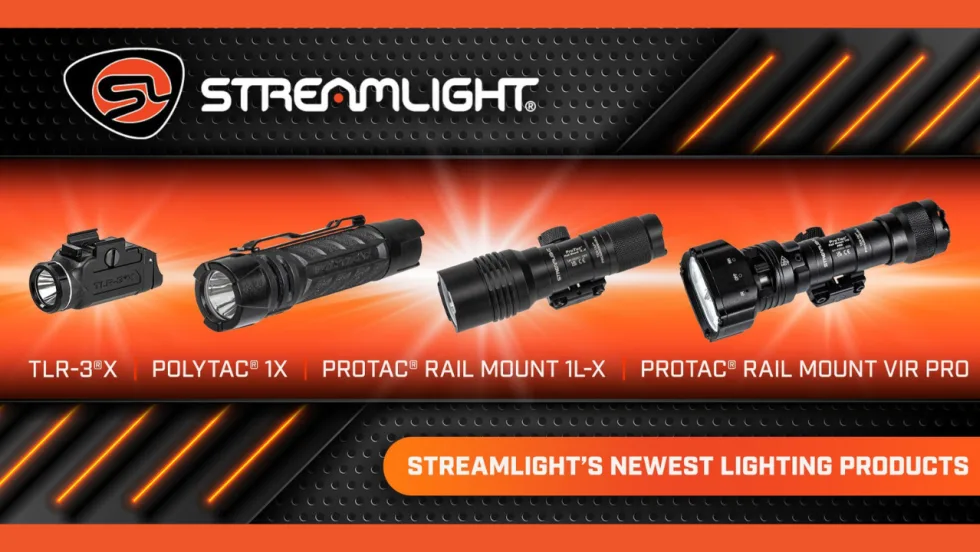
Streamlight to Showcase Newest Lighting Products for Law Enforcement Professionals at IACP 2026
Streamlight will showcase its newest lights for law enforcement at the International Association of Chiefs of Police Annual Conference & Expo. Featured lights will include the TLR-3 X, the PolyTac 1X, and more.