



What You Need to Know Before Buying Robots
Robots are extremely useful law enforcement tools, but they are not inexpensive. So it's important to do your research.

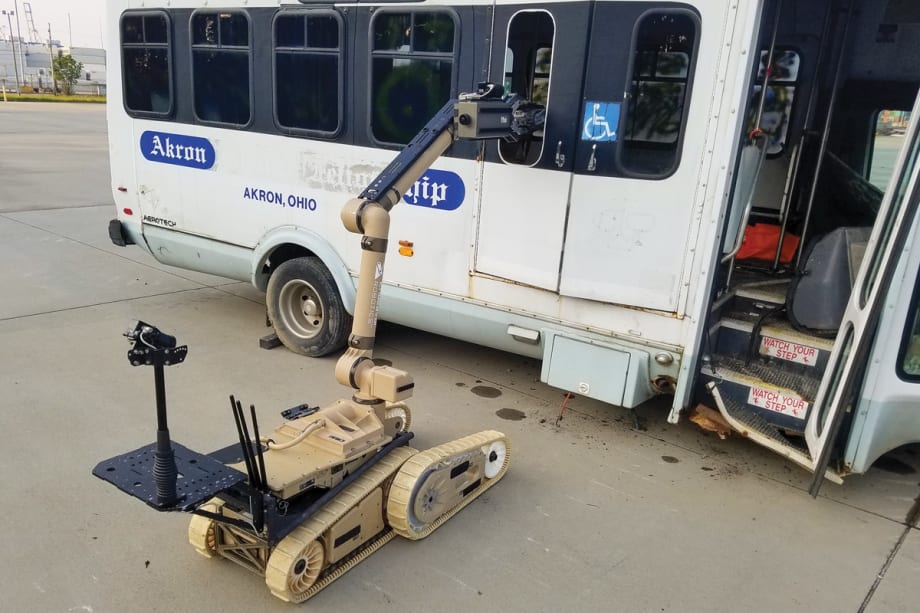
On average it takes about a day to get up and running with a robot. More complicated missions can require as much as five days of intensive training. Operating a robot is a perishable skill, so teams should train regularly to maintain proficiency.
Photo: FLIR Systems
Law enforcement agencies have been using robots for tactical operations and bomb tech applications for more than 20 years. These machines can be sent into dangerous situations in advance of officers and even instead of officers. Police robots can gather intelligence on barricaded suspects, conduct surveillance, distract gunmen during tactical ops, aid communications, examine explosive devices, and even neutralize explosive devices. The benefits of these unmanned ground systems (UGS) are numerous but all that capability comes at a price, sometimes as high as six figures. So agencies buying robots need to know what they will gain from the purchase and how to maximize their return on investment.
Before Buying
The most important thing a law enforcement leader needs to know when starting the process to add a robot to his or her agency's toolbox is the reason or reasons it is needed. Many law enforcement robots are suitable for multi-purpose use. For example, large bomb disposal robots can be used for barricaded suspect operations. However, some robots are designed for a specific purpose and are not suitable for other uses. For example, small robots designed to be thrown into buildings have limited capabilities because of their size and available options.
Typical options that can be acquired to customize the robot for specific missions include such tools as a multi-axis arm for opening doors and carrying and/or using tools. The UGVs can also be fitted with cameras, sensors, communication systems that allow officers to communicate with barricaded subjects, bomb disruptors, and other tools.
One very important consideration for any agency buying a robot is at what distance it will be operated. "This is such an important question," says Kamila Blain, sales account manager for law enforcement at FLIR Systems. "A robot can be easy to operate, pick up a lot of weight, and have the best cameras—but if you can't get the robot to the danger area and keep officers at a safe distance, then what's the point?"
Pricing and Funding
The "point" has to be clearly articulated by the agency to the people who govern it because robots capable of conducting law enforcement operations are not cheap. Small systems are available for $20,000 or so. Larger multi-purpose tactical and bomb tech robots can cost more than $100K.
Experts say grant funding is used for many police robot purchases and some manufacturers provide their customers with assistance in applying for the grant. FLIR, for example, offers templates customers can use for grant proposals.
"The reality for LE agencies is that budget dictates much of the decision," says Blain. "Many great robots are available in the market, but often times agencies are not able to afford them. Grant funding is responsible for the majority of funds used for UGVs. This means the work needs to start early in the process. Agencies must think about robots as a tool in the toolbox. The more they're able to use it, the better their chances of getting funding to purchase one."
Learning to Use It
Once a robot system is acquired, agency personnel needs to learn how to operate it proficiently. On average it takes about a day to get up and running with a robot. More complicated missions can require as much as five days of intensive training.
FLIR's Blain says operating a robot is a perishable skill. "It is advised that team members train regularly with the robot in various operations.
Channce Rising of Superdroid Robots says learning how to operate a tactical robot's multi-axis arm can be the most difficult aspect of training. "Driving with the arm changes the center of gravity when trying to navigate rough terrain or an urban environment," Rising explains. "The more you train with the arm, the better you get." Rising even says he knows some police robot operators who train with the systems using them to grab drinks from refrigerators, a process that involves driving the robot to and from the refrigerator, using the arm to open and close the door, then using the arm to grab the drink.
Blain says some FLIR robot operators train to use the robots with their team multiple times a month. "Many agencies have access to buildings that are about to be torn down, so officers can practice clearing a building they've never seen before, shoot a disruptor, practice explosive door breaching, etc. Some teams get together with other area teams at bigger regional trainings to practice working together and see what others have for tools. Also, multiple times a year there are events where agencies can get together with other U.S. and international teams and learn from them. These sometimes include 'robot rodeos' where scenarios are set up to test the teams' and their robots' abilities."
Maintenance and Readiness
Law enforcement robots do not need much in the way of routine maintenance. Blain recommends that operators periodically inspect the robot's tracks for stretching or nicks and make sure that no debris or rocks are in the bogie wheels because that can cause chipping.
It's also important to check the robot regularly to ensure that it is ready for a bomb squad or SWAT callout. "I recommend checking it every two weeks," says Rising. "You need to check the charge and top off the battery," he says. Users should also check the batteries in the control unit.
Planning for the Future
FLIR's Blain says the question most agencies don't ask before buying a robot is one of the most important. They need to know what the future holds for their UGV systems, she says.
"Many of us live in the now," Blain explains. "But when looking at robots or any technology that you'll have for a long time, it's important to ask about the product roadmap and how your mission fits into it. Some agencies get stuck with robots that offer little or no upgrade opportunities."
More Technology
A police agency's guide to data-driven fleet management
Costs are rising and the public expects more transparency into how their tax dollars are spent. This e-book shows how police agencies can use fleet data to take control of fleet expenses while improving officer safety and demonstrating fiscal responsibility to the communities they serve.
Read More →
AI and analytics for law enforcement: Turning data into insights
Law enforcement agencies are managing more video, sensor data and digital evidence than ever before. Discover how AI and analytics can help turn that data into actionable insights that strengthen situational awareness, accelerate investigations and support more informed decisions.
Read More →
Vasco Electronics Adds Automatic Language Detection to Vasco Translator Q1
Vasco Electronics’ software update introduces hands-free language switching and expanded offline translation across 45 language pairs, empowering law enforcement, healthcare, and front-office enterprise teams
Read More →

North Miami Police Department Deploys Mark43
The North Miami Police Department has deployed Mark43 as part of its Five-Year Strategic Plan that represents its collective vision and goals for a more proactive police department, anchored by a core commitment to leveraging modern technology to enhance efficiency and public safety.
Read More →
Cellebrite Genesis for Enterprise Now Generally Available
Made available to the public sector in June, Cellebrite Genesis is serving a growing mix of national, regional, and local agencies worldwide, including some of the largest regional and metropolitan police departments. It is now available for enterprise organizations.
Read More →
2026 Vision FirstNet Users Summit to Host Emerging Leaders Training on Grassroots Advocacy for Public Safety
“Emerging Leaders Training: Understanding the Importance of Grassroots Advocacy for Public Safety," a session during the 2026 Vision FirstNet Users Summit, will offer a roadmap for unified advocacy at the federal level.
Read More →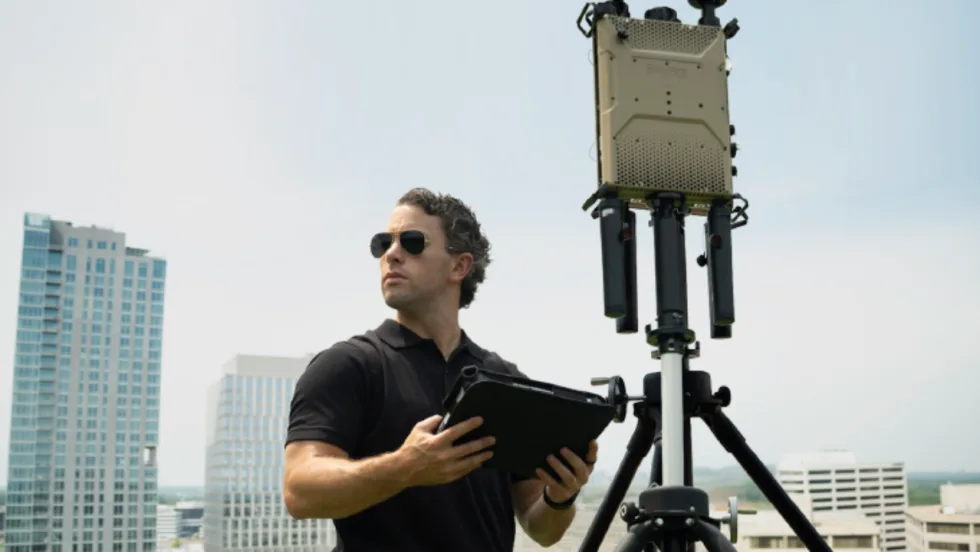
Motorola Solutions Completes Acquisition of D-Fend Solutions
Motorola Solutions has acquired D-Fend Solutions, an industry leader in counter-drone technology. This deal provides public safety and enterprise customers with access to advanced counter-unmanned aerial systems.
Read More →
ZeroEyes, Advantech & Camden Police Partner to Bring AI Gun Detection Technology to Delaware School District
ZeroEyes has partnered with Advantech and the Camden Police Department to deploy ZeroEyes’ AI gun detection and intelligent situational awareness platform at Delaware’s Caesar Rodney School District (CRSD).
Read More →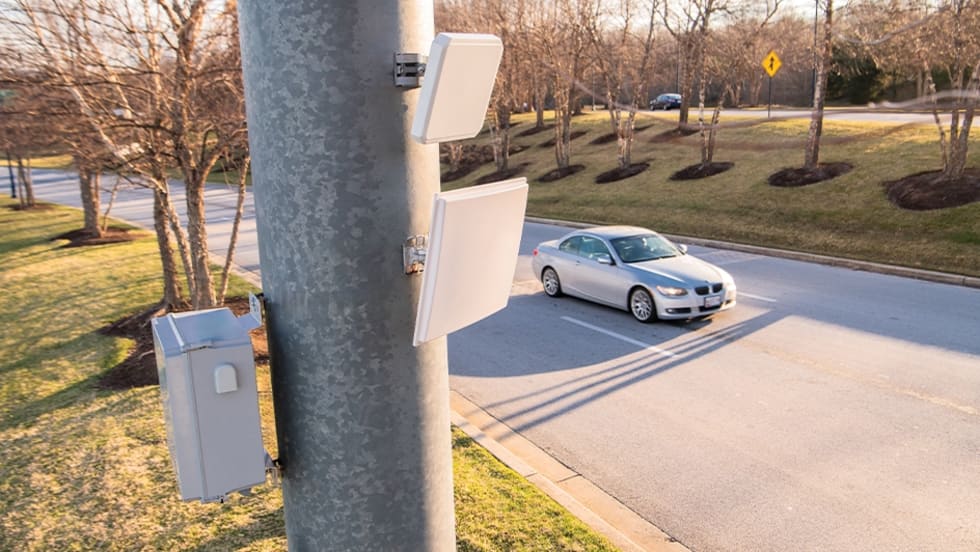
Leonardo U.S. Cyber & Security Solutions Introduces SignalTrace, the Next Evolution in Electronic Signature Detection Technology
SignalTrace reflects years of product refinement and a clearer expression of the technology’s purpose of recognizing and correlating electronic signatures in publicly broadcast wireless signals to reveal patterns, relationships, and trends that might otherwise go undetected.
Read More →
Pimloc Launches Secure File Sharing to Streamline Release of Redacted Video
Pimloc’s Secure File Sharing lets organizations deliver redacted video, audio, and documents through expiring, passcode-protected links, accelerating delivery while reducing security, compliance, and chain-of-custody risks.
Read More →