



Walking the Line
As a supervisor, get to know your people, support them and provide the guidance to ensure they are making the right decisions. When you are successful, anonymity is often your reward, while failure brings the press scandal that brings down careers and departments.

"Support the strong, give courage to the timid, remind the indifferent, and warn the opposed." - Whitney M. Young Jr.
During Operation Iraqi Freedom, my good friend Maj. Mike Walker was responsible for the tactical security of our unit during the frequent halts on the drive to Baghdad.
Every time we set in, he "walked the line" to ensure that the Marines were alert, that all the heavy guns were properly deployed, and that the Marines had everything they needed to repel an enemy attack. This meant he moved around in the pitch black of night, in vicious, blinding sandstorms and often on very little food and sleep.
He knew the success of the mission, as it always does, depends on making sure your people know how to do their jobs, that they have the tools to do it, and that they are doing the right thing. By "walking the line," Maj. Walker provided the supervision and leadership needed at every level of an organization.
The Abu Ghraib prison story showing the graphic abuse of the Iraqi prisoners has been all over the news, so I won't go into the details.
The real question in this story is, Where were the front line supervisors during the abuses depicted in the photos? Where were the senior enlisted men and the company grade officers? Were they conducting daily inspections? Did they ensure everyone was properly trained and understood the rules of war? Were they talking to their men and the prisoners to make sure all the proper protocols were being followed?
The answer clearly must be no; otherwise the abuses would not have happened or would have been limited to an isolated incident.
These two examples are taken from the recent military situation in Iraq, but can easily be translated into supervisory issues in police work. "Walking the line" can be quite a bit harder for police supervisors, because sergeants and lieutenants need to go out and find their officers at calls and traffic stops in order to interact with them.
But the principles are the same; the officers should be properly trained and equipped, they should be rested, fed, and watered as the situation allows; and they better be doing the morally and ethically right thing. The only way to know is for police leaders to be tireless in the day-to-day supervision of their officers, their squads, and their watches.
Supervision is not an intrusion, nor should it be perceived by officers to be interference in the performance of their duties. If that is the case, you have an officer that needs counseling or retraining. I have found that once the officers realize I care about the department, the unit, doing good police work, and them as individuals, this is rarely a problem.
Other than a few rare cases, officers who are righteous and feel that they are well supported never have a problem with supervisors visiting their calls. Unfortunately, many officers find supervisor visits are too rare an occurrence.
Following are some ways I have found to be excellent approaches to "walking the line" in police supervision. Rather than single out individual officers, I like to conduct mass inspections of personnel, equipment, and vehicles as it gives me an indication of who needs more attention. Backing up officers on calls and traffic stops gives me an indication as to whether or not officers are using good tactics and professionally dealing with the public.
These contacts also give me an opportunity to praise outstanding work and write commendations. Carefully reviewing paperwork, while painful and tearfully boring at times, is another tool to identify who pays attention to detail and who can write. Conducting and attending training is an excellent way to identify the strengths and weaknesses of officers and offers an opportunity to correct deficiencies before mistakes are made in the field.
Finally, during most shifts there is time for a meal and coffee breaks; these are the best opportunities to get to know the officers personally and find out how they really feel with regards to work-related issues. Sometimes, these informal communications are a great way to gently provide leadership.
All things being equal, the difference between success and failure is often decided by the quality of supervision throughout every level of an organization.
In your department, "walking the line" might be a tour through the jail, backing officers in the field, or stopping by the desks of your detectives. As a supervisor, get to know your people, support them and provide the guidance to ensure they are making the right decisions. When you are successful, anonymity is often your reward, while failure brings the press scandal that brings down careers and departments.
More Patrol
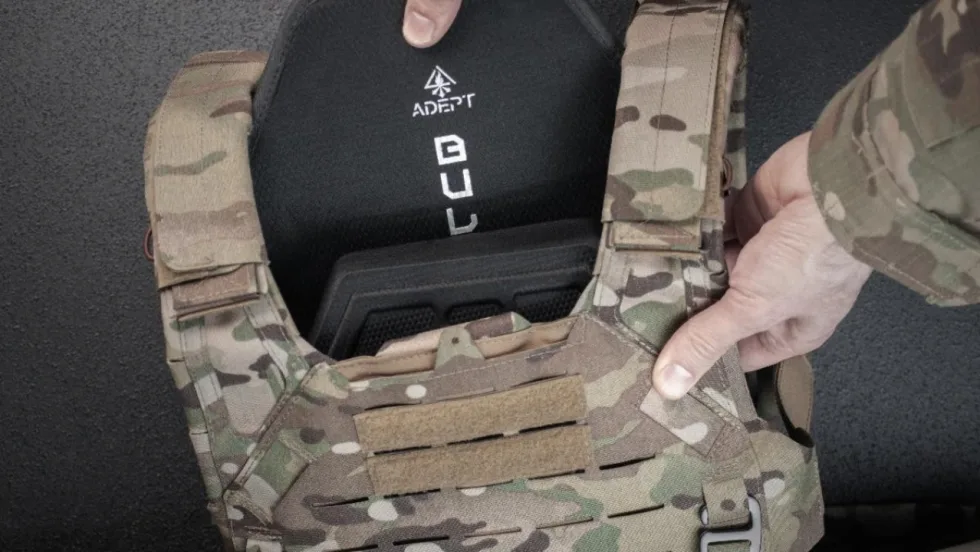
Adept Armor Introduces Two New Rifle Plates
Adept Armor has launched two new Level IV ballistic plates, the Emperor and the Archon Mark 2, which brings Adept Armor’s new Quatroid ceramic to the high-threat, performance-value center of the range at 5.2 pounds.
Read More →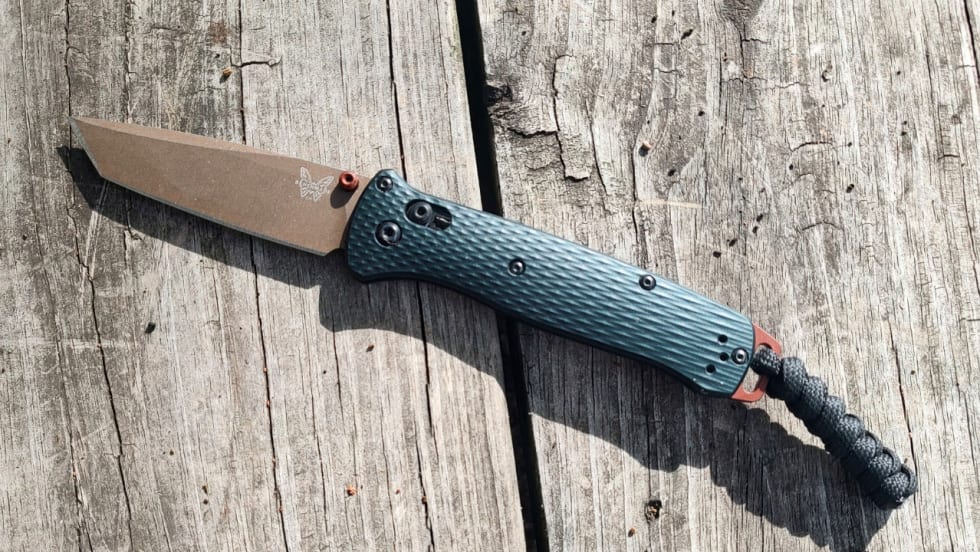
POLICE Product Test: Benchmade Bailout
The Benchmade Bailout is a slim, lightweight carry knife with a deep-ride pocket clip and comes in a variety of blade steels and scales. Here is a detailed review of the Taiga Green Bailout, released earlier this year.
Read More →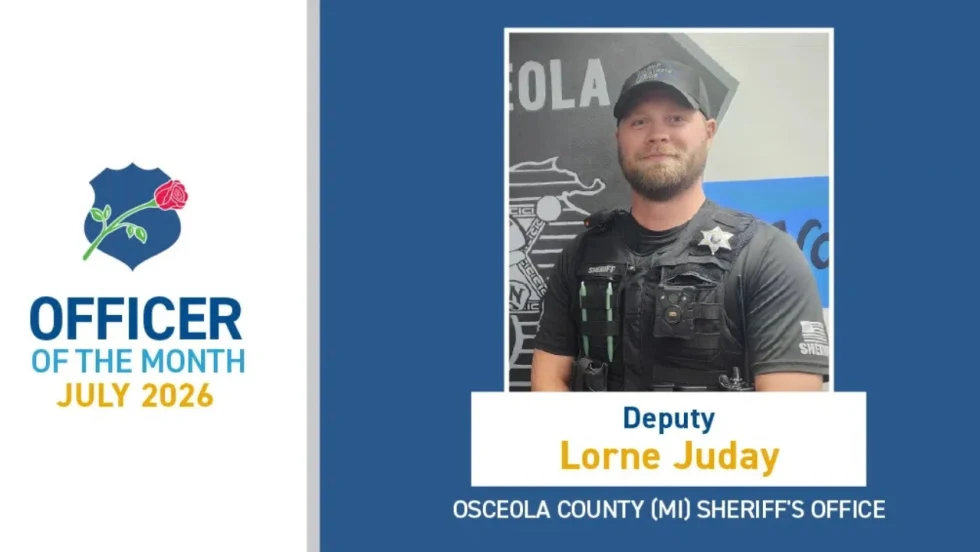
NLEOMF Announces July 2026 Officer of the Month
NLEOMF honored a Michigan deputy sheriff as the July 2026 Officer of the Month for rescuing a trapped driver from a burning vehicle following a Fourth of July crash.
Read More →
Streamlight to Showcase Newest Lighting Products at National Safety Council’s Safety Congress & Expo 2026
Streamlight will showcase its latest lights, including the Portable Scene Light III and the LiteBox 1Million, at the 2026 National Safety Council (NSC) Safety Congress & Expo.
Read More →
The 2027 World Police & Fire Games Set for Perth, Australia
The 2027 World Police & Fire Games (WPFG) will take place in Perth, Western Australia, from Friday, March 12 through Sunday, March 21, 2027.
Read More →
5.11 Partners with National Fallen Firefighters Foundation to Support #ForThe343
5.11 has joined the nationwide movement honoring the 343 New York City Fire Department firefighters lost on Sept. 11, 2001.
Read More →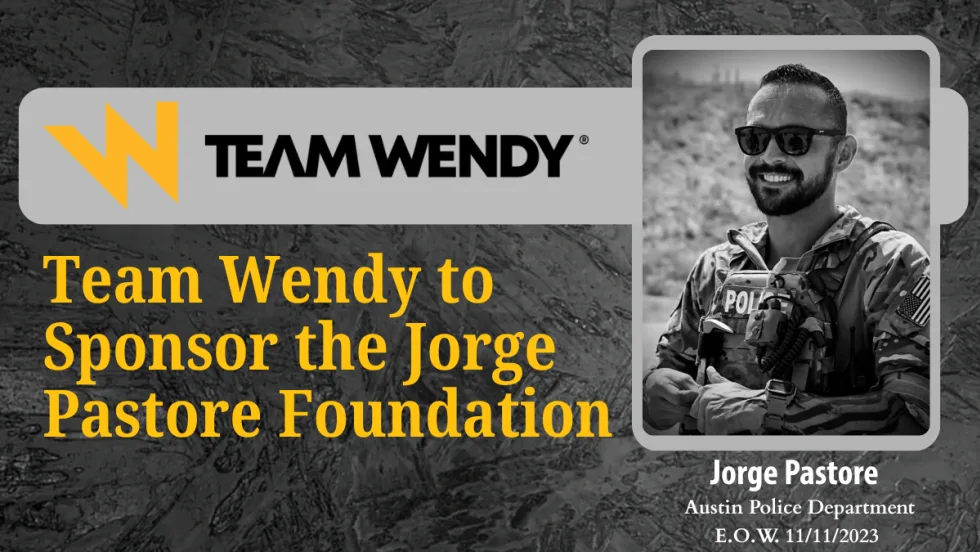
Team Wendy Announces Title Sponsorship of the Jorge Pastore Foundation
Team Wendy’s 3-year partnership with the Jorge Pastore Foundation expands access to programs that strengthen those who serve.
Read More →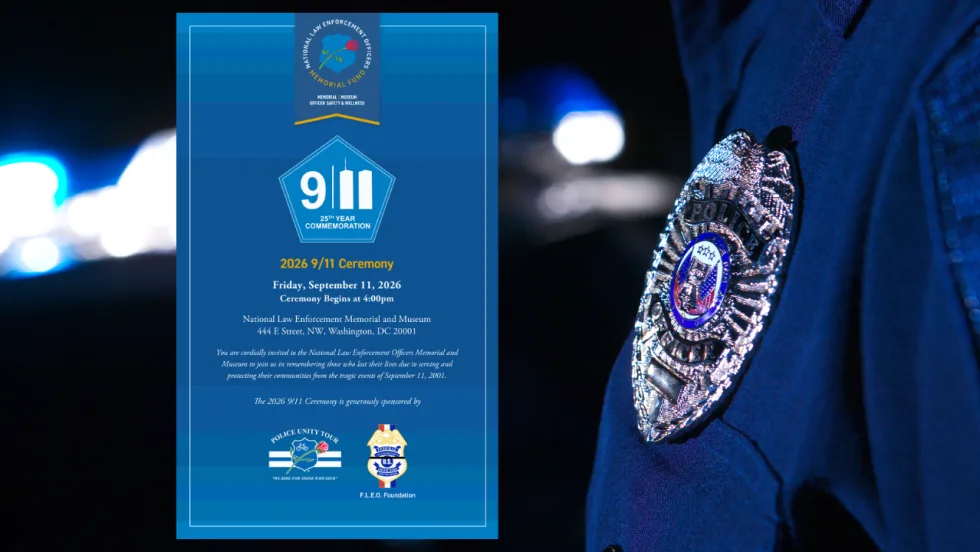
National Law Enforcement Memorial and Museum Hosting 9/11 25th-Year Commemoration Ceremony
The National Law Enforcement Memorial and Museum is hosting a 9/11 25th Year Commemoration Ceremony on Sept. 11 at 4 p.m.
Read More →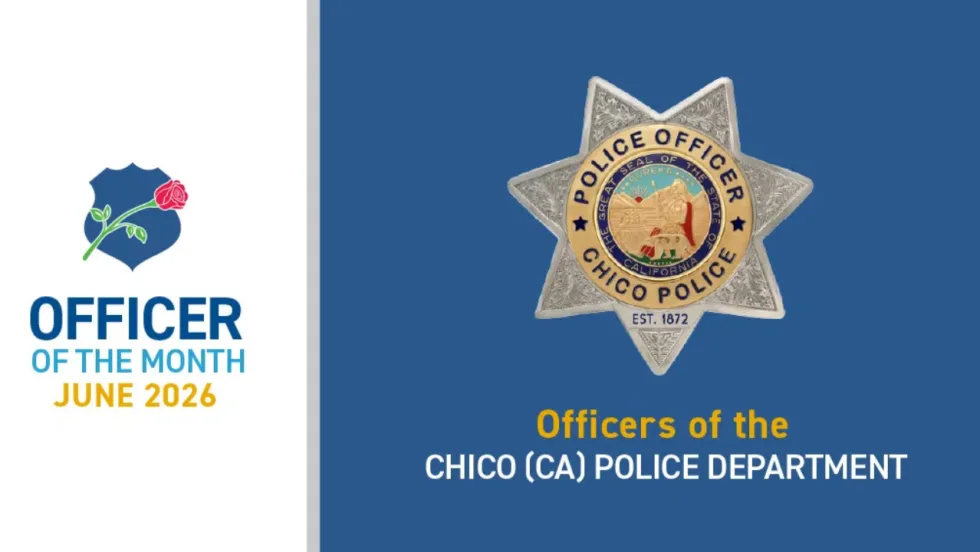
National Law Enforcement Officers Memorial Fund Announces June 2026 Officers of the Month
The National Law Enforcement Officers Memorial Fund (NLEOMF) named 15 officers of the Chico Police Department (California) as the Officers of the Month for June 2026 for their roles in responding to an active-shooter incident at a public library.
Read More →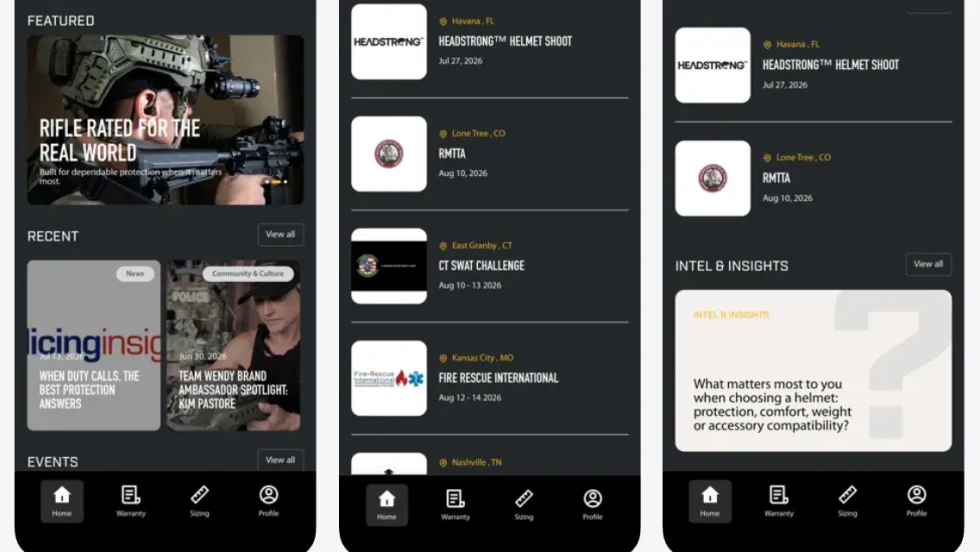
Team Wendy App Creates New Digital Hub for Helmet Owners
The Team Wendy Community App provides one location for warranty registration, size-fit tools, product updates, and community connection. For helmet owners, the new app creates a simpler path to the information and tools that matter most.
Read More →