



(Un)Reasonable Force
After the encounter, Jones' sergeant told him, "I have a problem with your use of force. It wasn't reasonable."

As you read the following scenario, make a determination about the proper use of force employed.
"Drop the knife!" yelled officer Bill Jones.
Then he blasted his armed adversary with a burst from his pepper spray canister. The subject dropped the knife, and he was taken into custody without further incident.
After the encounter, Jones' sergeant told him, "I have a problem with your use of force. It wasn't reasonable."
"What do you mean?" protested Jones. "The guy had a knife and I only sprayed him."
"That's just the point," answered the sergeant. "That guy brought a knife to a gunfight. You needlessly exposed yourself and others to a deadly threat and you lucked out. Pepper spray is meant to slow someone down. A firearm is meant to stop someone. Now let me ask you, 'If a guy's attacking you with a knife, do you want him to stop, or slow him down?' I'm putting a reprimand in your file, and I'm recommending additional training for you on deadly force. You clearly used unreasonable force."
Could the above story be fiction?
The U.S. Supreme Court has ruled that police officers can use "reasonably necessary" force during the performance of their duties. The standard, according to this decision, is the "reasonably objective officer."
In its wisdom, the Supreme Court said that force should be "reasonable."
But what really is "reasonable force?" The spotlight is always on excessive force. But when an officer uses too little force, isn't that also unreasonable?
As a use-of-force expert, I often review cases in which officers should have used a higher level of force. Fear of litigation in many cases overrides personal safety. Many officers would rather face a snarling Neanderthal with a gun, than a slick attorney wearing a three-piece suit and armed with a subpoena.
Whenever an incident requiring a high level of force occurs, there's a good chance of a lawsuit being generated. There's a section of United States code, not all that jokingly referred to as "the indigent attorney's right to work statute," which is like blood in the water to litigious sharks.
While I was working as a Chicago police officer, the Superintendent of Police once took off his gun and entered face-to-face negotiations with a bombing suspect who had already killed two police officers. The Superintendent talked the man into putting down his weapon and surrendering to arrest. It turned out that the Superintendent's actions were considered heroic by both the media and the public.
But that Superintendent should have been fired. If those same actions had been taken by a rookie police officer, he or she would have been fired, and justifiably so.
Were the Superintendent's actions leadership or insanity?
Police administrators need to be leaders by example when it comes to officer safety. Agencies must provide the administrative backing so officers know that higher levels of force are called for in certain situations.
Many police officers define a high-risk use of force encounter as it applies to litigation and not as it applies to officer safety.
Police officers cannot sacrifice their personal safety for the sake of avoiding possible litigation. Officers need to know their agencies stand behind them-and not with a hatchet-when it comes to using reasonable force. Agencies need to take a strong position that too little force is just as wrong as too much force.
There are three rules relating to use of force by any officer. Rule number one is you go home the same way as when you went to work: Alive. Rule number two is you don't go to prison. Rule number three is you keep your job.
If your use of force is reasonable, you protect yourself, your agency, the community, and even the assailant. But when in doubt, always remember rule number one.
Ed Nowicki is a POLICE Advisory Board member and a a part-time officer for the Twin Lakes (Wisconsin) Police Department. He also conducts Use of Force Instructor Certification courses across the nation. His e-mail address is ed@ncjtc.org
More Patrol

Streamlight Portable Scene Light III Wins 2026 OH&S New Product of the Year Award
Streamlight’s Portable Scene Light III has won the 2026 Occupational Health & Safety (OH&S) New Product of the Year Award in the Lighting category.
Read More →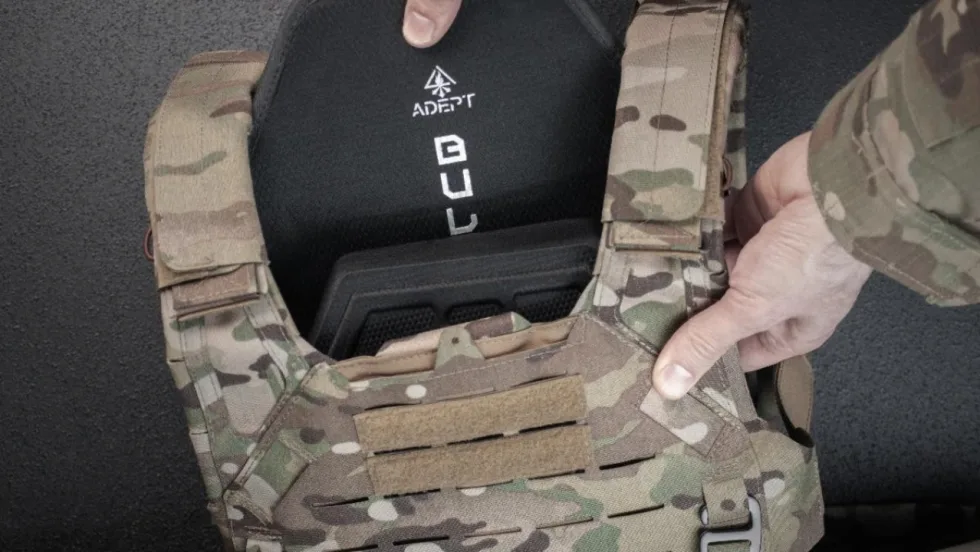
Adept Armor Introduces Two New Rifle Plates
Adept Armor has launched two new Level IV ballistic plates, the Emperor and the Archon Mark 2, which brings Adept Armor’s new Quatroid ceramic to the high-threat, performance-value center of the range at 5.2 pounds.
Read More →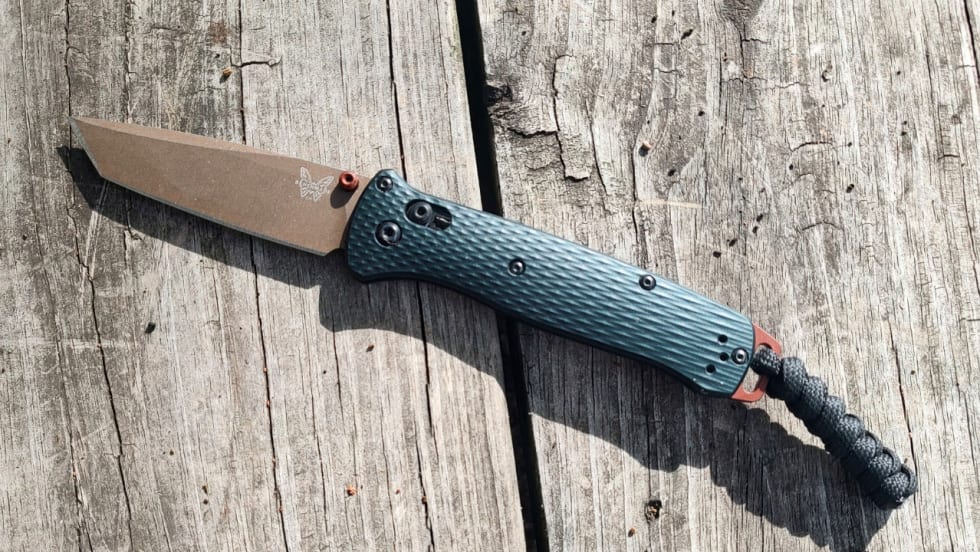
POLICE Product Test: Benchmade Bailout
The Benchmade Bailout is a slim, lightweight carry knife with a deep-ride pocket clip and comes in a variety of blade steels and scales. Here is a detailed review of the Taiga Green Bailout, released earlier this year.
Read More →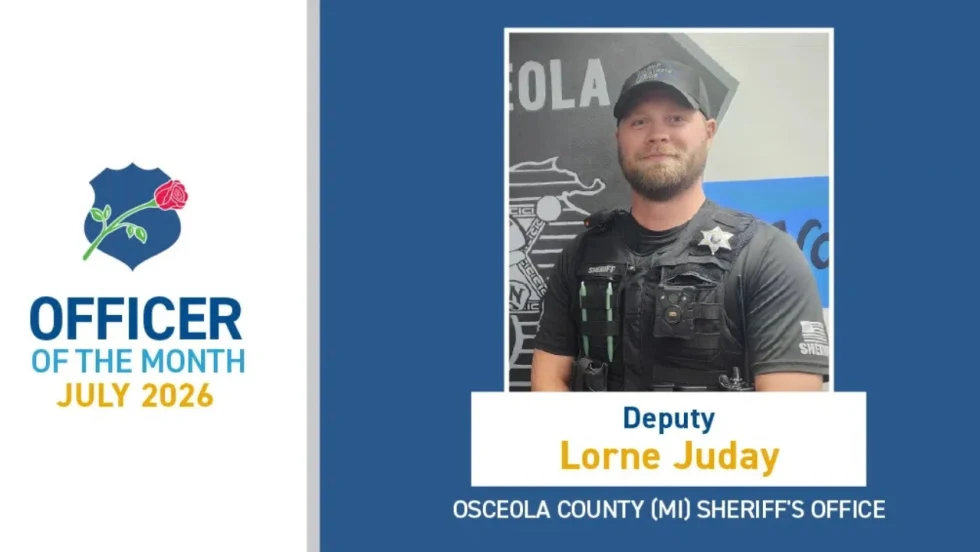
NLEOMF Announces July 2026 Officer of the Month
NLEOMF honored a Michigan deputy sheriff as the July 2026 Officer of the Month for rescuing a trapped driver from a burning vehicle following a Fourth of July crash.
Read More →
Streamlight to Showcase Newest Lighting Products at National Safety Council’s Safety Congress & Expo 2026
Streamlight will showcase its latest lights, including the Portable Scene Light III and the LiteBox 1Million, at the 2026 National Safety Council (NSC) Safety Congress & Expo.
Read More →
The 2027 World Police & Fire Games Set for Perth, Australia
The 2027 World Police & Fire Games (WPFG) will take place in Perth, Western Australia, from Friday, March 12 through Sunday, March 21, 2027.
Read More →
5.11 Partners with National Fallen Firefighters Foundation to Support #ForThe343
5.11 has joined the nationwide movement honoring the 343 New York City Fire Department firefighters lost on Sept. 11, 2001.
Read More →
Team Wendy Announces Title Sponsorship of the Jorge Pastore Foundation
Team Wendy’s 3-year partnership with the Jorge Pastore Foundation expands access to programs that strengthen those who serve.
Read More →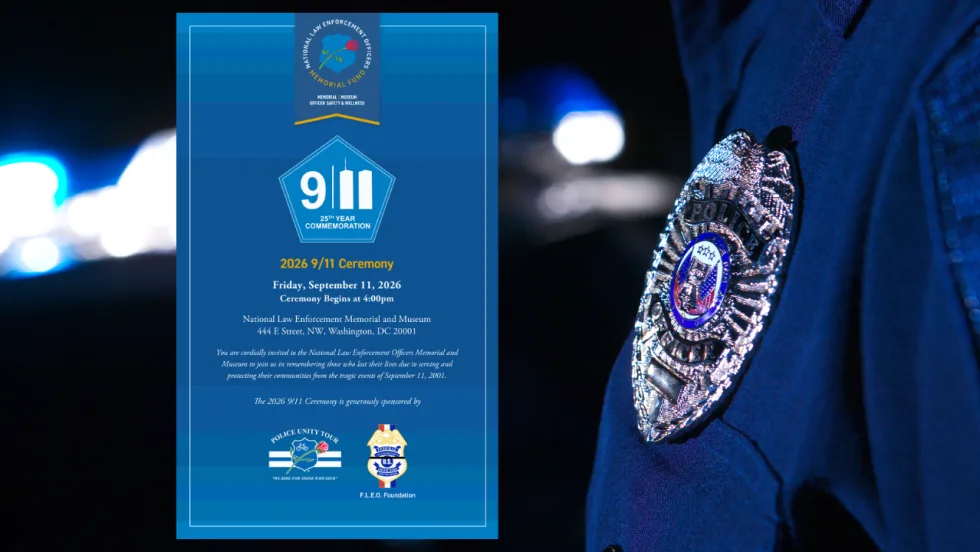
National Law Enforcement Memorial and Museum Hosting 9/11 25th-Year Commemoration Ceremony
The National Law Enforcement Memorial and Museum is hosting a 9/11 25th Year Commemoration Ceremony on Sept. 11 at 4 p.m.
Read More →
National Law Enforcement Officers Memorial Fund Announces June 2026 Officers of the Month
The National Law Enforcement Officers Memorial Fund (NLEOMF) named 15 officers of the Chico Police Department (California) as the Officers of the Month for June 2026 for their roles in responding to an active-shooter incident at a public library.
Read More →