



Two Tools for Field Communications
Two models may help your field conversations, depending on who you're talking to. Introduce-Explain-Ask is a service-oriented approach for relatively low-stress encounters. For tougher, more volatile situations, you can use Ask-Tell-Make.


If they don't respond to Ask and Tell, Make them comply, using your full and legal authority to do so. (Photo: Getty Images)
How, when, and why you talk to people in the field is all about the context, the setting, and the seriousness or the urgency of the issue at hand. Most conversations between citizens and the police, which are not initiated by 9-1-1-driven radio calls or getting flagged down as you pass ("Hurry! He's beating her over on the next block!"), are fairly routine. They usually involve saying hello, passing on information, or hearing about some situation that could bear looking into.
Talking to people who are under extreme stress, or giving commands when you are, is difficult and we tend to fall back on habits where we use the same conversational patterns. Saying "Calm down!" to someone who is not calm and will not become calm just because you shouted that command is a perfect example of what not to try.
Let's make a few assumptions. Most people hate being told what to do, especially if it embarrasses them in front of their peers, families, or spouse/boyfriend/girlfriend. Most people are not good listeners, especially under stress, which means you usually have to repeat things you just said. And most people who think they might be arrested or actually are being arrested really don't listen too much after they see or feel your matching silver bracelets. It's this latter category that gets us into arguments as to who is "righter," at a minimum, or foot pursuits or fights, at the worst.
Two models may help your field conversations. Which one you use will depend on if you are talking to cooperative people; could or could not be cooperative people; or uncooperative people. In days of old we referred to these three types as Yes-Maybe-No people. Our biggest challenge is trying not to turn Maybe people into No people, because that's what usually leads to us having to get physical.
Introduce-Explain-Ask
One choice is the communications concept known as Introduce-Explain-Ask. This is a service-oriented approach for relatively low-stress encounters and it comes from my pal who was an East Coast police detective and now works as the director of security for a West Coast megachurch. He teaches it to his ushers and security staff.
The model starts with Introducing yourself to the person, who at the start could be a good guy, a bad guy, a friend of the bad guy, or a witness. Let's follow along:
"I'm Officer Whomever, from the Local Police Department." Followed by some version of "Who are you?" "What's your name, sir/ma'am?" "Tell me who I'm talking to here?" Your choice of tone will depend on if you're standing in front of a citizen, a gangster, a known crook, or a witness who you know nothing about.
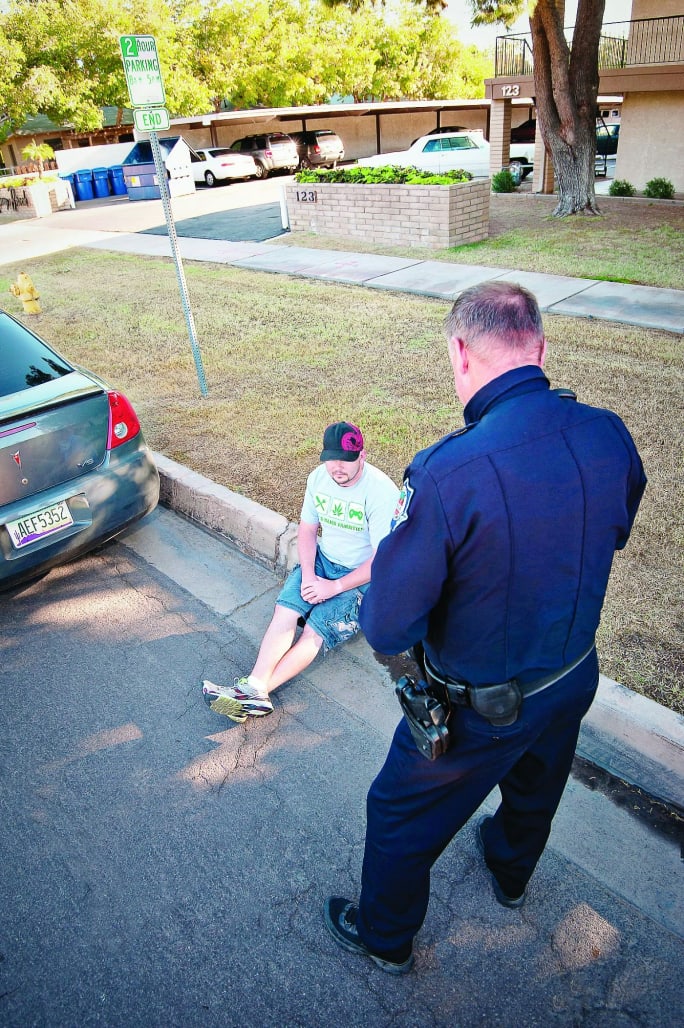
Introduce-Explain-Ask is simple for someone to hear and fulfill, and works best when the stakes are low. (Photo: POLICE File)
The benefit to this first step is two-fold: You have clearly identified yourself (and badged them if you're in plainclothes), so there can be no doubt later that they were talking to the real-deal police. And you can get his or her name early, while things are still fairly low-key.
Explain why you came over, why you are there, what you are about to do, and why you are about to do it: "I pulled over because it looked like you were having a problem with X, Y, or Z." "The reason I stopped you was…" or "What I need you to do for me is …"
And then Ask for their compliance, which, of course, you may or may not get. If they don't comply, remember that people don't think, speak, or listen well under stress, and even a routine conversation with a cop can raise their pulse rates. In this case, repeat the Explain and Ask steps again, knowing that you may need to use repetition to be fully understood. The value to this model is that it's simple for you to say, simple for them to hear and fulfill, and works best when the stakes are low.
Ask-Tell-Make
For tougher, more volatile situations, especially with known suspects or people who are about to become suspects in your mind, you can use Ask-Tell-Make. You may or may not want to Introduce yourself, depending on the urgency or seriousness of the situation, but you will Ask the person to comply and if they do, thank them for it. If they don't, you move to the next step, which adds a sterner tone and suggests they are near the end of your last offer of voluntary compliance. If they don't respond to Ask and Tell, Make them comply, using your full and legal authority to do so.
You get a call to contact the staff at the library for help with a threatening person who appears high on drugs or alcohol, or mentally ill, but potentially combative. Let's follow along:
"I'm Officer Whomever, from the Local Police Department. What's your name, sir?"
"Larry!"
"Okay, Larry. Thanks for that. I got called here and it looks like it's time for you to leave the library. I'm going to Ask you to gather up your stuff, so we can head outside to talk some more. You hear what I'm Asking you?"
"You can't tell me what to do! I know my civil rights! I'm not leaving!"
"I hear you, Larry. But at this point, I've already made up my mind that you're trespassing and they have warned you in the past that you can't be here. So now, I'm Telling you, you have to leave. Let's head to the door."
"F--- you!" (Or some variation of the Universal Police Challenge to your legal authority.)
"OK, Larry. I've Asked you to leave, I've Told you to leave, so you need to leave. Now, you've given me no choice, so I will have to Make you leave."
If Library Larry squares off and challenges you to fight, then you take the necessary steps (with a cover officer, preferably) to Make him leave with you, via an arrest for trespass, public intoxication, warrants, civil order violation, or whatever the situation dictates.
The value to repeating the steps in Ask-Tell-Make is not just for Larry's benefit; it's for the library staffers and civilians who are gathered around watching and listening to your encounter. Even the most anti-police types in the room will have to grudgingly admit that you gave Larry several chances to go along with the program and he didn't. (For those of you who wear body cameras, the benefit to this approach should be obvious.)
No need to use Introduce-Explain-Ask during a felony hot stop or a shots fired call, of course. It has its uses during mostly lower-risk encounters. And Ask-Tell-Make works best in those situations where the suspect needs to know you have given him options and now those are over. You will not back down or change your mind about using arrest and control force to take him into custody.
Once you reach the Make stage, it's no longer up for discussion, it's not a debate, and you will have to take action because he has failed to comply. Don't keep repeating the ATM model or it will lose its power. Once you decide to Make, put hands on.
Both of these models give you a range of semantic choices from Officer Friendly to Officer Assertive. You can always skip steps if you need to, but these communication approaches can help you "sell" what you're doing in the field, to citizens, witnesses, and suspects alike.
Steve Albrecht worked for the San Diego Police Department for 15 years. His books include Albrecht on Guns; Patrol Cop, Streetwork, Contact and Cover, and Tactical Perfection for Street Cops. He can be reached at drsteve@drstevealbrecht.com or on Twitter @DrSteveAlbrecht.
More Patrol
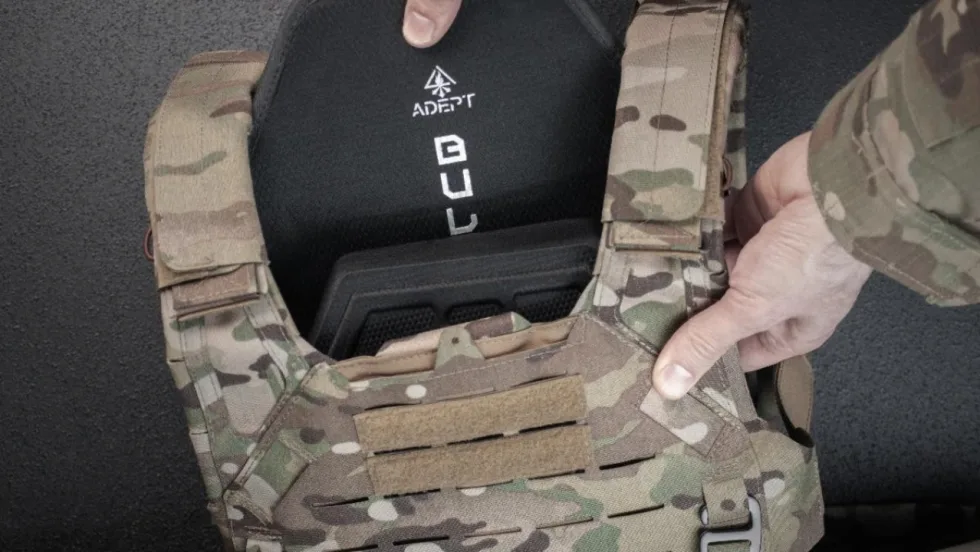
Adept Armor Introduces Two New Rifle Plates
Adept Armor has launched two new Level IV ballistic plates, the Emperor and the Archon Mark 2, which brings Adept Armor’s new Quatroid ceramic to the high-threat, performance-value center of the range at 5.2 pounds.
Read More →
POLICE Product Test: Benchmade Bailout
The Benchmade Bailout is a slim, lightweight carry knife with a deep-ride pocket clip and comes in a variety of blade steels and scales. Here is a detailed review of the Taiga Green Bailout, released earlier this year.
Read More →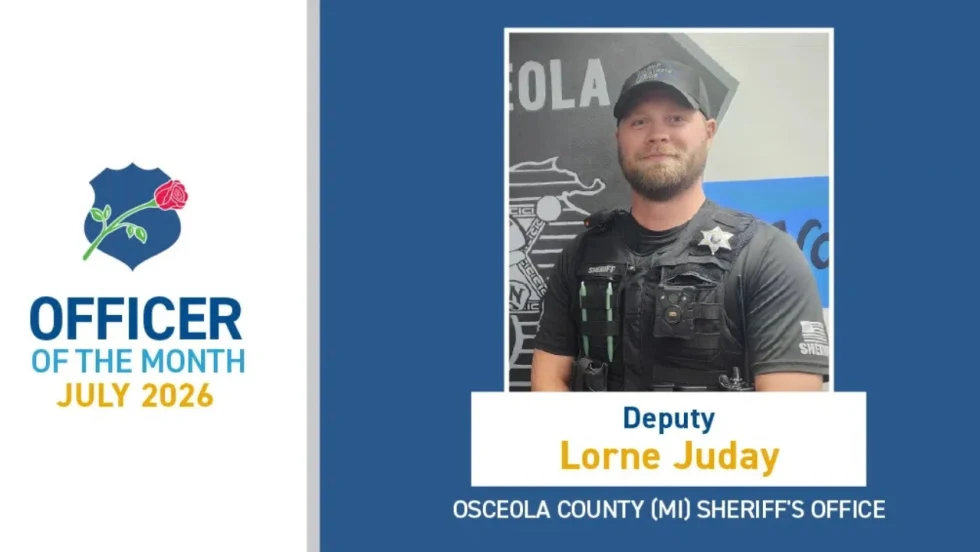
NLEOMF Announces July 2026 Officer of the Month
NLEOMF honored a Michigan deputy sheriff as the July 2026 Officer of the Month for rescuing a trapped driver from a burning vehicle following a Fourth of July crash.
Read More →
Streamlight to Showcase Newest Lighting Products at National Safety Council’s Safety Congress & Expo 2026
Streamlight will showcase its latest lights, including the Portable Scene Light III and the LiteBox 1Million, at the 2026 National Safety Council (NSC) Safety Congress & Expo.
Read More →
The 2027 World Police & Fire Games Set for Perth, Australia
The 2027 World Police & Fire Games (WPFG) will take place in Perth, Western Australia, from Friday, March 12 through Sunday, March 21, 2027.
Read More →
5.11 Partners with National Fallen Firefighters Foundation to Support #ForThe343
5.11 has joined the nationwide movement honoring the 343 New York City Fire Department firefighters lost on Sept. 11, 2001.
Read More →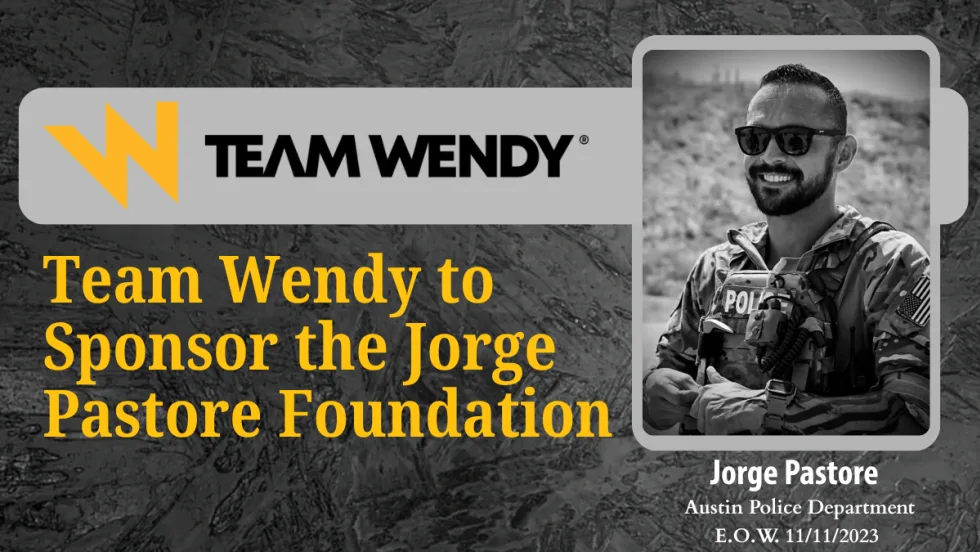
Team Wendy Announces Title Sponsorship of the Jorge Pastore Foundation
Team Wendy’s 3-year partnership with the Jorge Pastore Foundation expands access to programs that strengthen those who serve.
Read More →
National Law Enforcement Memorial and Museum Hosting 9/11 25th-Year Commemoration Ceremony
The National Law Enforcement Memorial and Museum is hosting a 9/11 25th Year Commemoration Ceremony on Sept. 11 at 4 p.m.
Read More →
National Law Enforcement Officers Memorial Fund Announces June 2026 Officers of the Month
The National Law Enforcement Officers Memorial Fund (NLEOMF) named 15 officers of the Chico Police Department (California) as the Officers of the Month for June 2026 for their roles in responding to an active-shooter incident at a public library.
Read More →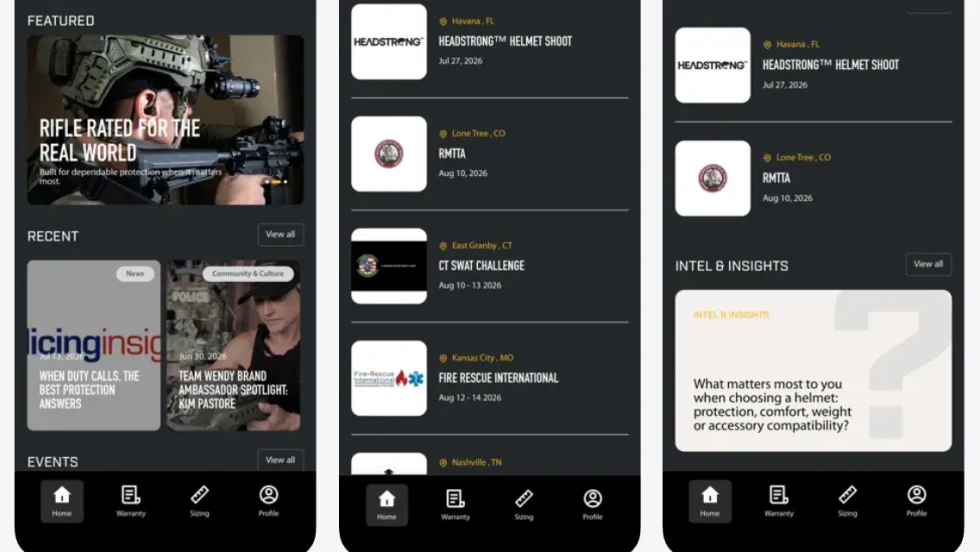
Team Wendy App Creates New Digital Hub for Helmet Owners
The Team Wendy Community App provides one location for warranty registration, size-fit tools, product updates, and community connection. For helmet owners, the new app creates a simpler path to the information and tools that matter most.
Read More →