



TREXPO Seminars Offer Valuable Info for Tactical Officers
Often the classroom sessions are the dullest part of any professional show. But TREXPO West flipped that assumption on its ear. At the March exposition and conference, the conference portion of the proceedings was dynamic and powerful and many attendees walked away with valuable information that could save officer and civilian lives.

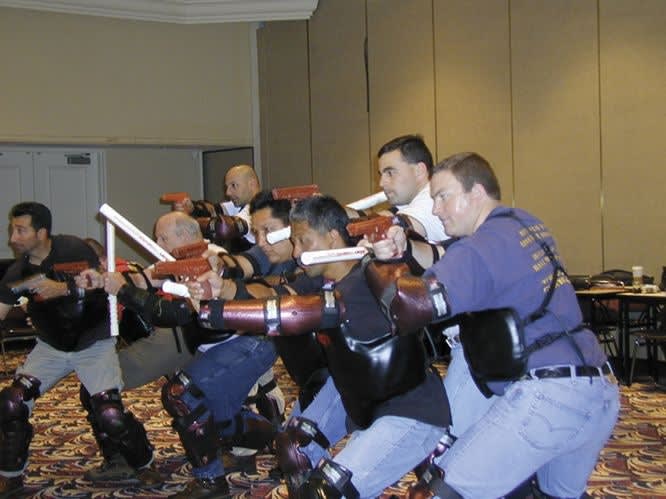
Seminars at TREXPO West included a session on tactics for delivering deadly force in crowd control situations.
Often the classroom sessions are the dullest part of any professional show. But TREXPO West flipped that assumption on its ear. At the March exposition and conference, the conference portion of the proceedings was dynamic and powerful and many attendees walked away with valuable information that could save officer and civilian lives, prevent or limit litigation, and help departments field the best possible SWAT teams.
The following is a brief overview of some of the best received seminars at TREXPO West:
Best SWAT Practices
In this session, Larry Glick, executive director of the National Tactical Officers Association (NTOA), discussed proven strategies for developing, staffing, training, and fielding a SWAT team.
Highlights included how to:
• Draft a policy statement covering the mission, procedures, use-of-force guidelines, and command structure of a tactical team.
• Set physical and mental standards for SWAT assignment.
• Establish training standards for the team.
• Acquire equipment and gear for missions.
• Develop tactics for common SWAT operations.
• Secure mutual aid agreements with other agencies.
Using Less-Lethal Munitions
Lt. R.K. Miller of the Huntington Beach (Calif.) Police Department discussed the growing importance of less-lethal munitions in SWAT and patrol operations.
Highlights included:
• An overview of munitions and launchers.
• A look at safety and liability.
• Deployment concerns such as accuracy, range, and appropriate target areas.
• Tactical considerations such as lethal cover for operators of less lethal launchers.
• Supervision and communication to prevent sympathetic lethal fire by other officers.
• Medical treatment for subjects.
Selection of SWAT Snipers
This frank and forthright discussion of the psychological aspects and training of the law enforcement rifle marksman was led by FBI-qualified sniper James D. Stalnaker of the San Bernardino (Calif.) County Sheriff’s Department. Highlights included discussions of:
• The history of the sniper.
• The missions and duties of police and military snipers.
• The importance of physical fitness for police snipers.
• The psychological makeup of the SWAT sniper.
• The differences between a marksman and a sniper.
• The application and screening process for SWAT snipers.
Terrorist/Drug Courier Interdiction
Clay Searle, president of the International Narcotics Interdiction Association, explained the successful strategies he has used to identify drug “mules” in transportation centers and how they could be used to interdict terrorists at airports.
Highlights included how to:
• Identify suspicious ticket purchases.
• Analyze reservation, arrival, and check-in times.
• Enlist the aid of airline personnel.
• Interpret nervous behavioral patterns such as yawning, pacing, and sweating.
• Foil attempts to fool canine assets with masking odors.
• Spot fashion and apparel mismatches that scream courier.
Delivering Deadly Force in Crowds
Using RedMan training gear and simulated firearms, tactical training specialists Gary Klugiewicz and Dave Young walked officers through how to deliver deadly force in a crowd management environment.
Highlights included hands-on, practical instruction in:
• Small unit tactics for SWAT teams.
• The use of specific formations, including line, wedge, flattened wedge, and right and left echelon.
• Transitioning from batons to primary weapons.
More Special Units

New K9 Decontamination Protocol Launched
A new K-9 protocol from the SoRite Company gives law enforcement agencies a standardized rapid-response framework to decontaminate K-9s, their handlers, and police vehicles, from dangerous narcotics.
Read More →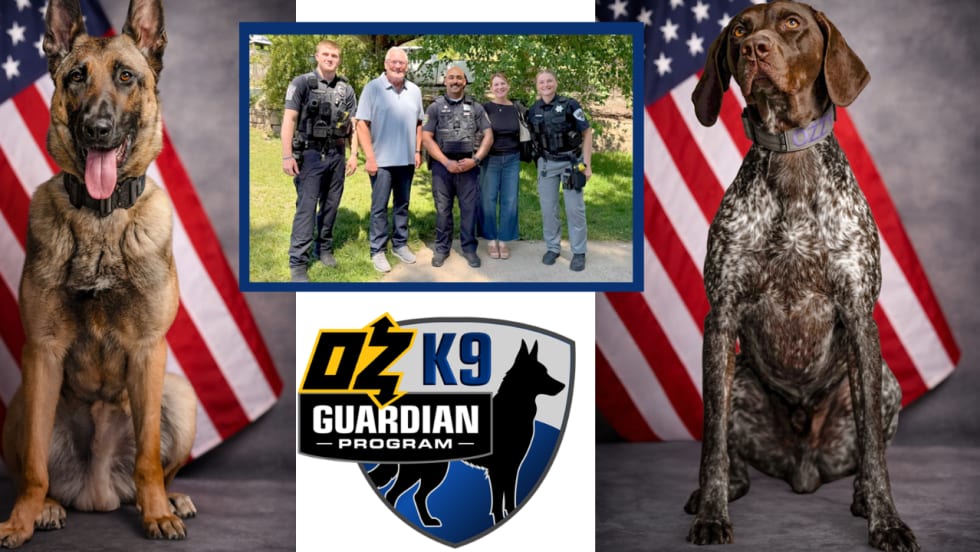
OZ Lifting Doubles Impact of K9 Guardian Program
In response to the positive impact the program has had on local communities. OZ Lifting Products has expanded its K9 Guardian Program by committing to fund a second police dog each year.
Read More →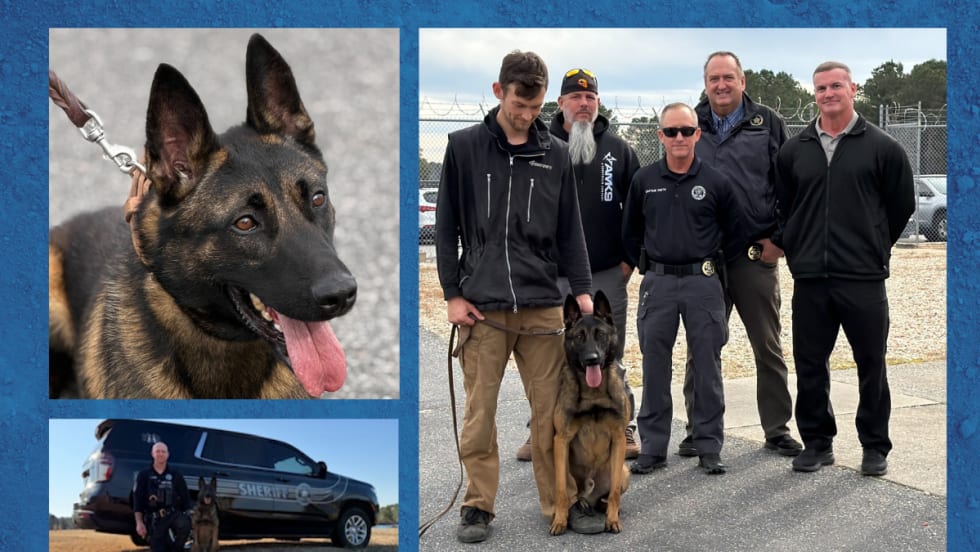
Constellis’ AMK9 to Donate K9 Officer to Currituck County Sheriff’s Office
AMK9 will donate a fully trained K9 officer to the Currituck County Sheriff’s Office K9 Unit. DAX, a 20-month-old Belgian Malinois, joined his new handler and has begun training at the Constellis Training Center.
Read More →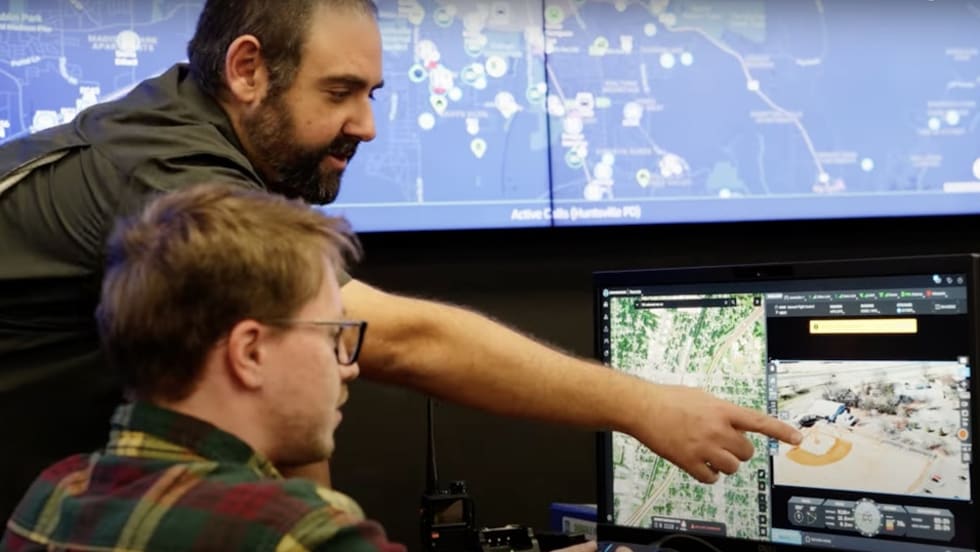
Ohio’s Statewide Drone First Responder Program to Take Flight
Over the next two years, the Ohio DFR Pilot Program will equip municipalities with advanced drone systems, deliver comprehensive training for first responders, and enable FAA-approved Beyond Visual Line of Sight operations.
Read More →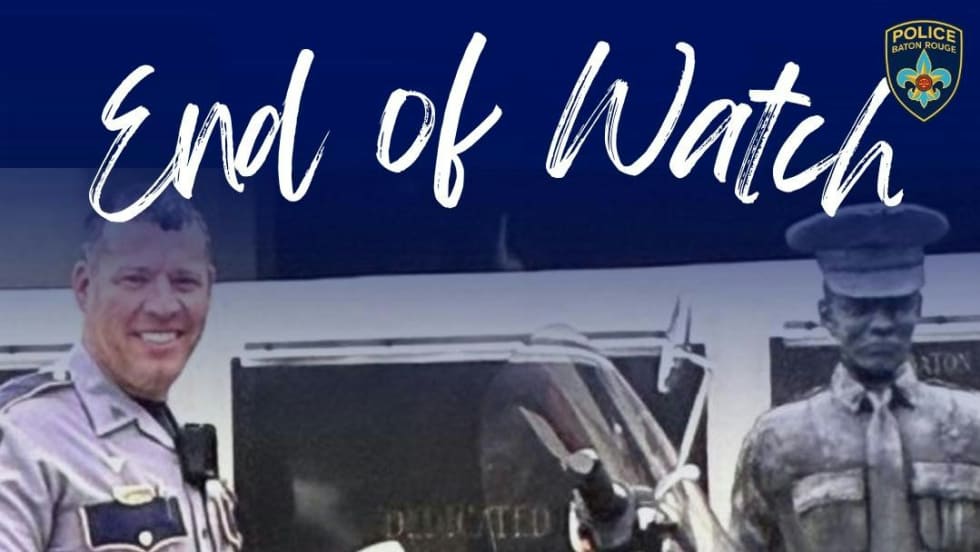
Louisiana Motor Sergeant Dies from Injuries Suffered in June “Intentional” Crash
A motor officer, Sgt. Caleb Eisworth was on his way to participate in a funeral escort when he was struck by another vehicle.
Read More →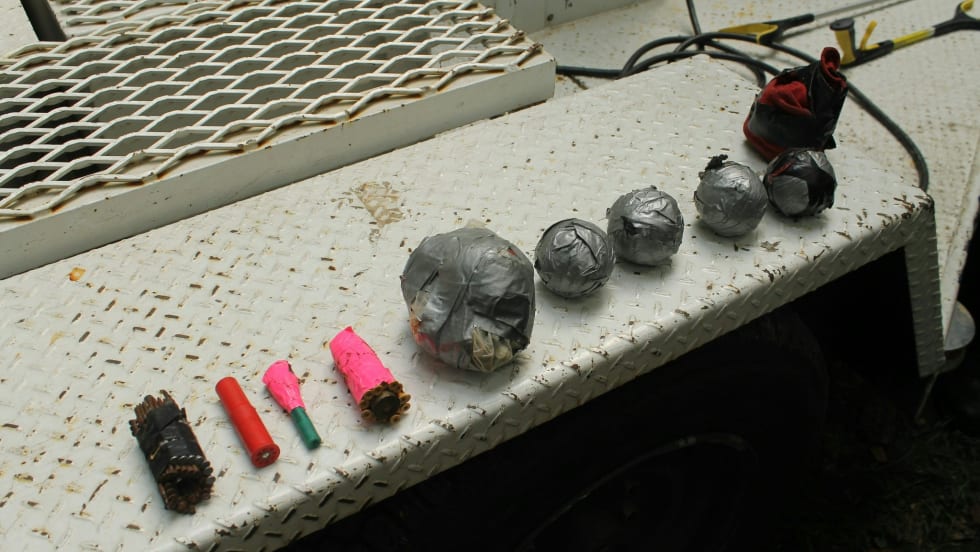
Tennessee Officers Say Man Tried to Detonate IED During Arrest
Inside the bedroom officers found what they believed to be an IED. The officers evacuated the house and called for the Chattanooga Police Bomb Squad and ATF agents.
Read More →
Florida School Officer Dies After On-Duty Medical Emergency
Sergeant Greg Graff was “preparing school leaders for the upcoming year during a safety training program at Clearwater High School,” the school district said.
Read More →
Grenade is Missing from Explosion That Killed 3 LASD Deputies
ATF Special Agent in Charge Kenny Cooper said definitively that only one grenade detonated at the facility on July 18.
Read More →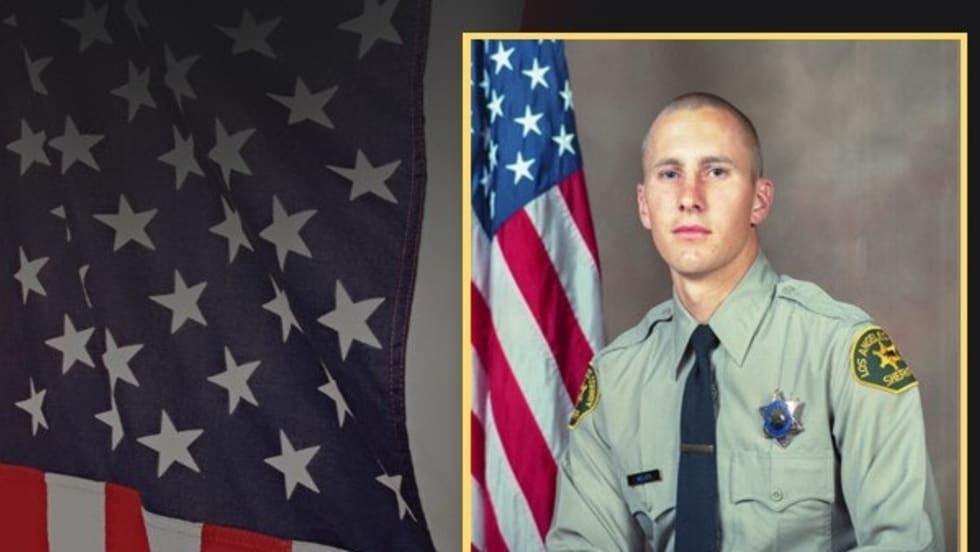
Los Angeles County Sheriff's Department Names Deputies Lost in Friday Explosion
LASD said Detective Joshua Kelley-Eklund, Detective Victor Lemus, and Detective William Osborn who were all assigned to Special Enforcement Bureau’s Arson Explosives Detail were killed in the incident.
Read More →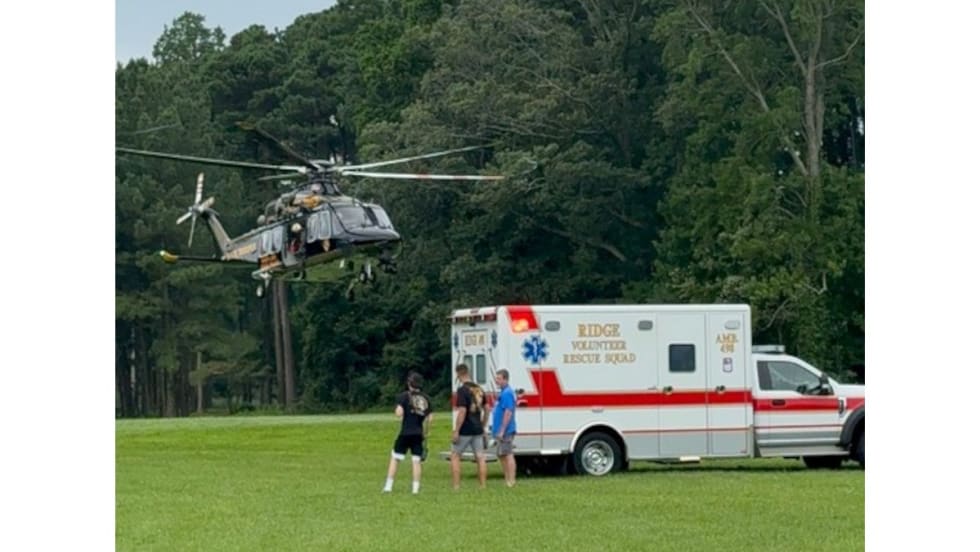
Maryland State Police Helicopter Rescues Victim from Overturned Boat in Chesapeake Bay
The Maryland State Police Aviation Command Trooper 7 crew, the MSP helicopter based in California, Maryland, were monitoring the county dispatch radio, overheard the dispatch, and self-launched.
Read More →