



New K9 Decontamination Protocol Launched
A new K-9 protocol from the SoRite Company gives law enforcement agencies a standardized rapid-response framework to decontaminate K-9s, their handlers, and police vehicles, from dangerous narcotics.
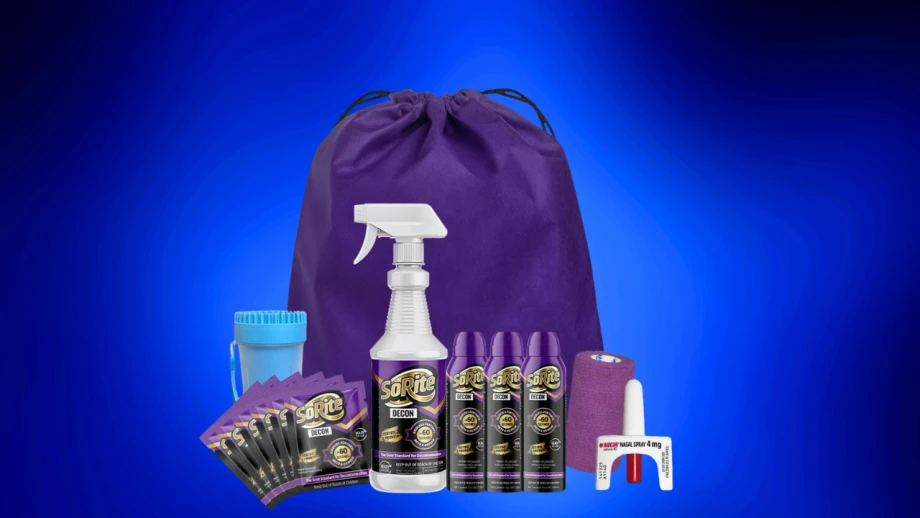
The K9 SoRite Decon Protocol includes a K9 Kit containing essential components to physically decontaminate the dog and its handler before transportation commences.
SoRite Company
- SoRite Company has introduced a new protocol for the rapid decontamination of K-9 units and their handlers.
- The protocol is designed to address exposure to dangerous narcotics during law enforcement operations.
- The framework ensures that K-9s, handlers, and police vehicles are effectively decontaminated.
*Summarized by AI
The SoRite Company has launched its new K9 SoRite Decon Protocol designed to enable police K-9 handlers to rapidly administer emergency care to their dogs if they are exposed to fentanyl, novel opioids, benzodiazepines, methamphetamine, or other hazardous narcotics while performing their duties.
The K9 Decon Protocol outlines best practices for preparing a compromised K-9 for evacuation via police vehicle, ambulance, or helicopter to advanced veterinary care.
It also includes a K9 Kit containing essential components to physically decontaminate the dog and its handler before transportation commences.
The kit also enables compromised vehicles and equipment to be thoroughly cleaned once the animal has reached a veterinary medical facility. The protocol protects the officers, their colleagues, suspects who may be transported in police vehicles, and police family members against additional exposure.
Risk for Narcotic Contamination
SoRite said a police K-9 is most at risk for narcotic contamination when using its nose to perform duties such as vehicle searches, evidence processing, and search warrant execution. Sniffing is the dog’s primary detection method, making the nasal passages and lungs the most direct pathway for microscopic narcotic particles to enter the animal’s system. Other exposure pathways include mucous membranes in the nose, eyes, and jowls.
K-9s can also transfer narcotic residue through their paws and coat, or from contaminated handler equipment, potentially exposing their handler, family members, and veterinary teams treating the animal.
“Historically, there has never been a standardized protocol for the decontamination of K-9 teams, particularly police K-9s. The new K-9 decontamination protocol is critically important due to the toxicity of fentanyl and the new generation of synthetic opioids on the streets. It provides the law enforcement sector with a uniform procedure to manage operational risk in the field while minimizing contamination risks to dogs and their handlers, police equipment, and third parties. This is lifesaving,” said Rob Havice, SoRite’s director of K-9 and a former Medford Police K-9 officer.
Commenting on the threats fentanyl and other narcotics pose to K-9s, Dr. Kenneth G. Furton, a world-leading scholar in chemical olfaction and dogs, distinguished University Professor of Chemistry and Biochemistry, and executive director of the Global Forensic and Justice Center at Florida International University, said, “A K-9’s greatest asset is its ability to sample large volumes of air and quickly detect target odors, including drugs like fentanyl. This is also a liability because if free particles of drugs, particularly fentanyl, are present, a K-9 can quickly ingest the substance or get it on its fur and later absorb it, putting the dog at risk. Fortunately, with rapid decontamination of the K-9’s fur and the administration of Naloxone, there is a high likelihood of survival.”
Developed with Input from K9 Experts
The K9 SoRite Decon Protocol was developed with input from recognized K-9 industry experts, including Dr. Furton, Rob Havice, and Mark Rispoli, a former prosecutor, retired narcotics police canine handler, and current director of K-9 training at SoRite. All three are members of the International Police Canine Association.
3 Operational Steps
The protocol is built around three operational steps: Cloak It, which involves immediately covering and isolating a compromised K-9’s paws, coat, and exposed gear to contain contamination and prevent further spread.
The next step, Soak It, involves applying sodium chlorite solution to the K-9’s paws, coat, and contact surfaces to oxidize narcotics. The final step, Bag It, secures contaminated materials, including towelettes, gloves, and single-use equipment, in a sealed bag for disposal while preserving relevant evidence.
What is in the K9 Kit?
The K9 Kit provides components needed for the rapid implementation of the three operational steps. It includes four 3-ounce Decon canisters, six Decon wipes, one 24-by-24-inch Decon wipe, vet tape, paw cleaner, one 32-ounce Decon bottle, a large disposal bag, a string bag, laminated instruction cards, and access to a “How To” video. Compromised K-9s may require Naloxone, which law enforcement agencies are responsible for providing as part of the kit.
SoRite Decon contains low-toxicity sodium chlorite and is the only proven solution that oxidizes fentanyl, heroin, methamphetamines, xylazine, and other narcotics in 60 seconds without harsh chemicals and without harming skin, gear, or surfaces.
More Products
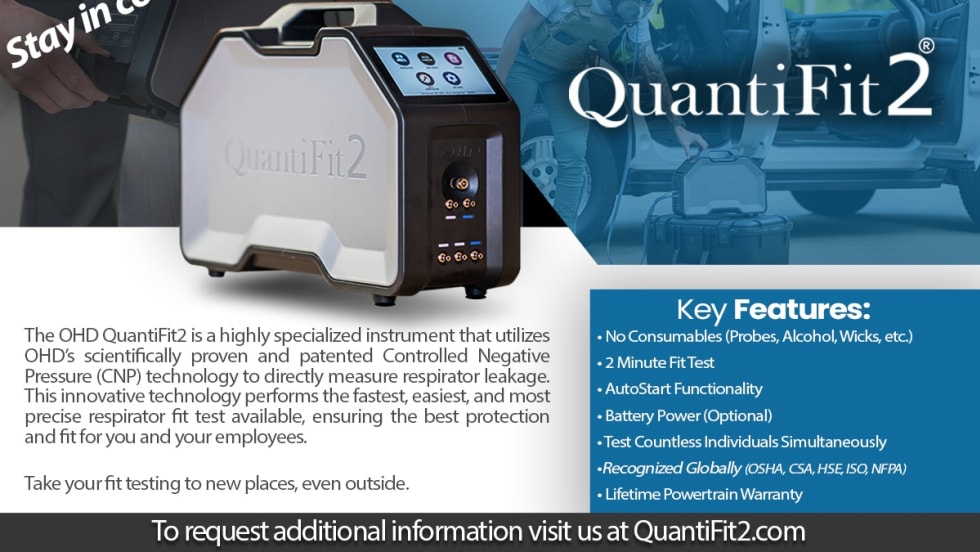
QuantiFit2 Respirator Fit Tester
The OHD QuantiFit2 lets you perform a fit test anywhere (outside included) in under two minutes.
Read More →
Vengeance Shields
Made in America and incorporating our patented Vengeance Viewport and the Elzetta Horizontal Handle system, our shield delivers enhanced field of vision and improved tactical operations.
Read More →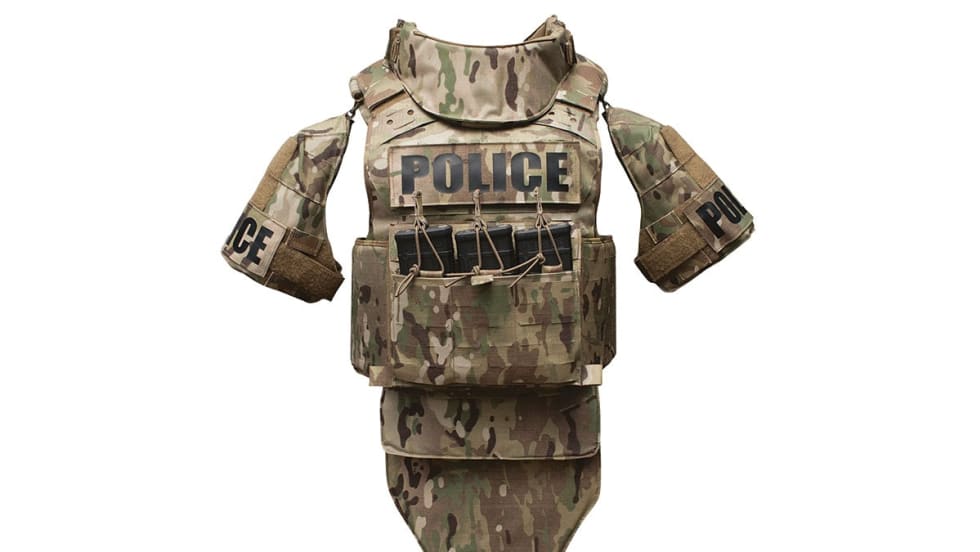
Armis Laser
This highly scalable carrier allows tactical units the flexibility to configure the body armor system to meet mission specific needs.
Read More →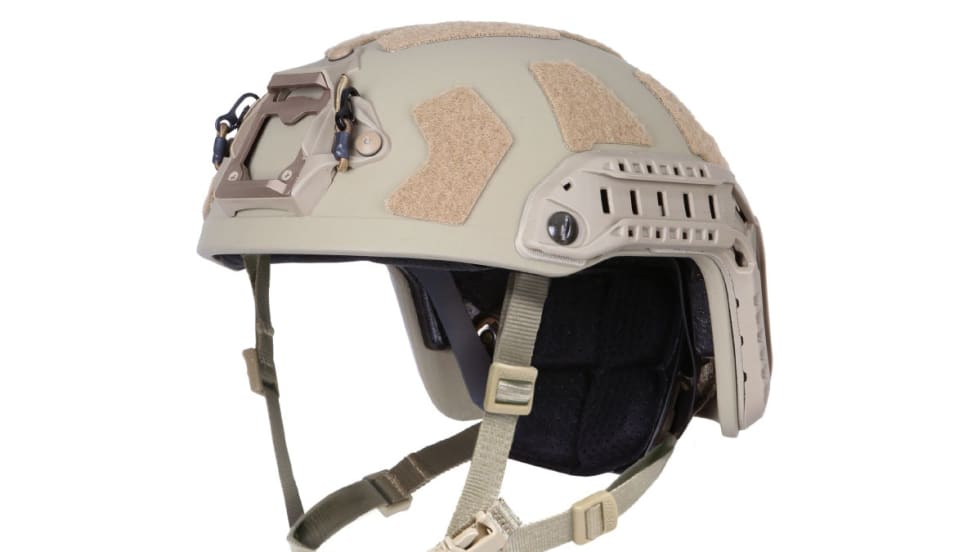
Fast SF Helmet
This lightweight, open architecture helmet seamlessly integrates with hearing protection, eyewear, communication systems, and respiratory protection products.
Read More →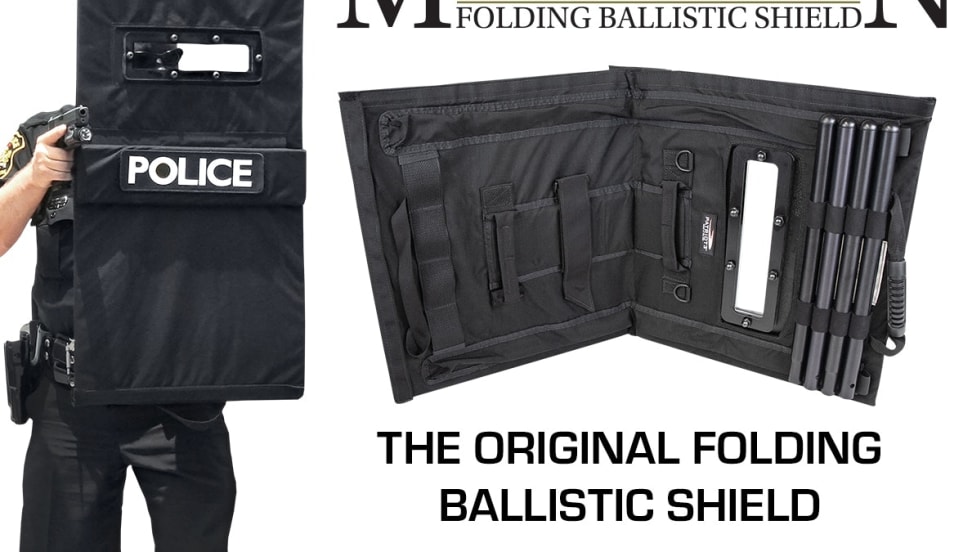
Minuteman Folding Ballistic Shield
The Minuteman Folding Ballistic Shield is the original ballistic shield that can be folded for rapid deployment and convenient storage. It's the ideal shield for any patrol, SWAT, and VIP protection needs.
Read More →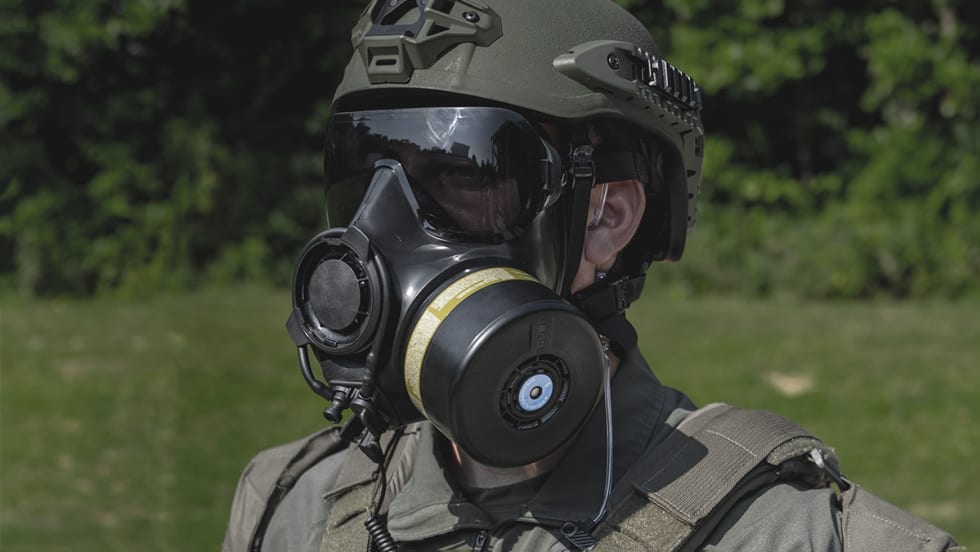
F90 Ballistic Helmet
The F90 helmet utilizes advanced ultra-high molecular weight polyethylene material (UHMWPE) that is lightweight assisting in reducing operational fatigue.
Read More →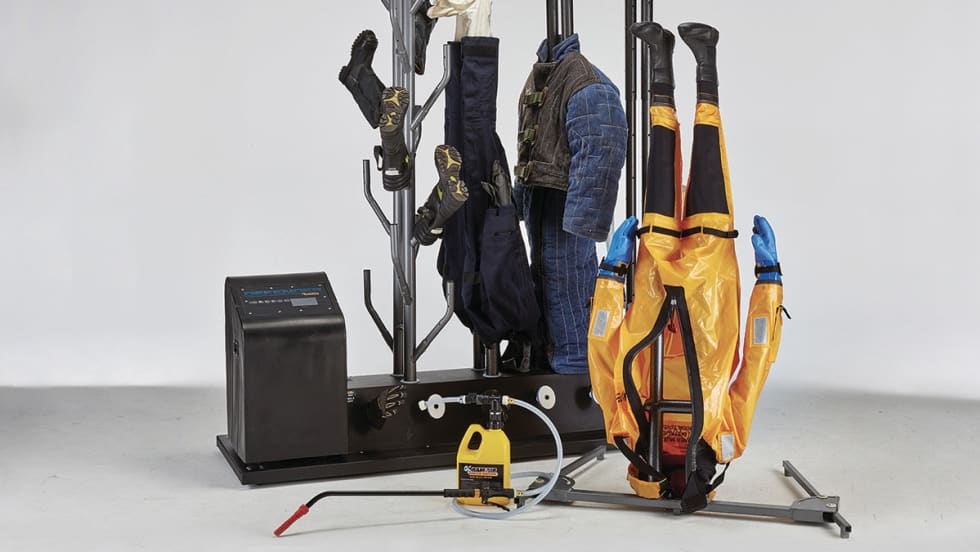
Defender PPE Gear Dryer System
The Defender PPE Gear Dryer System teams a high-end gear dryer and cleaning/decontamination sprayer with a rinse station for quick and effective cleaning and drying of K9 bite suits and sleeves, hazmat suits, CBRN/multi-threat suits, bomb suits, ice water rescue/wet suits and chemical resistant coveralls.
Read More →Vengeance Series Ballistic Shields
The shields feature BlueRidge's exclusive and patented VENGEANCE viewports with COREBOND large-format identification and lighting options from Elzetta and Fox Fury.
Read More →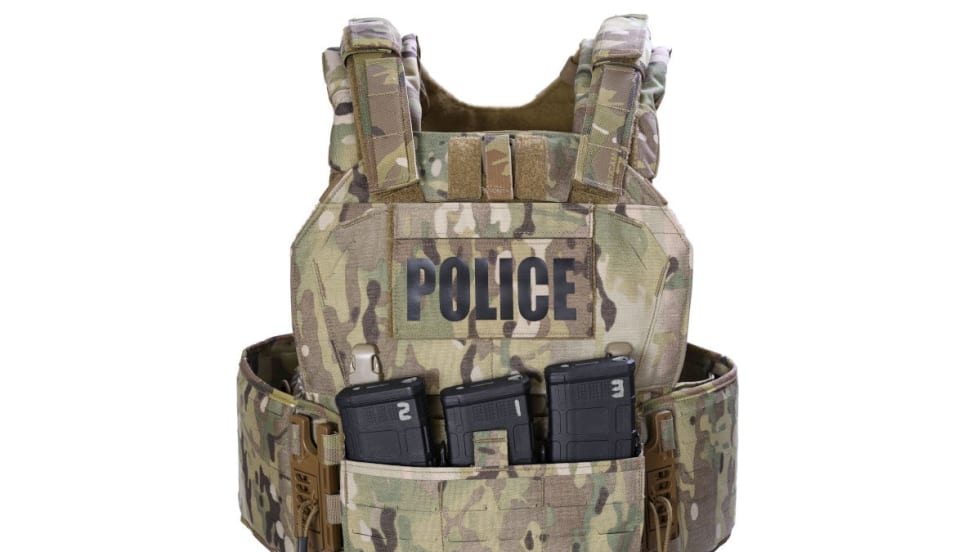
Special Response Vest (SRV) Laser
The SRV Laser is made with Point Blank's advanced laser-cut composite material, Tank Track with Debris Management System.
Read More →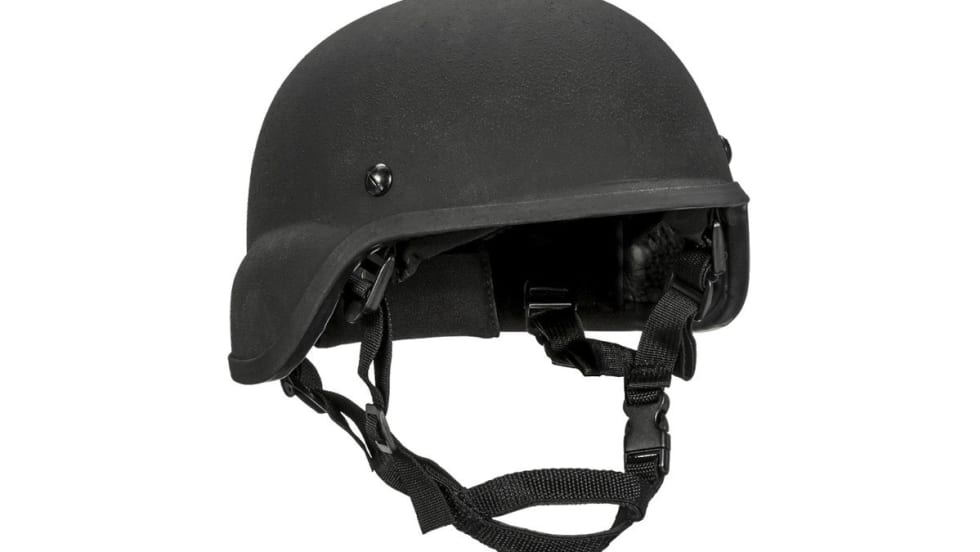
BA3A Ballistic Helmet
Avon Protection's BA3A ballistic helmets accommodate face shields and are designed for critical response personnel, security, and mobile field forces.
Read More →