



TREXPO East 2005: A Training Buffet
Conference attendance was up significantly at this year’s TREXPO East, held Aug. 29 through Aug. 31 in Chantilly, Va. And with good reason. The conference program offered an excellent balance of hands-on defensive tactics training, anti-terrorism classes, and patrol and SWAT tactics courses.

Conference attendance was up significantly at this year's TREXPO East, held Aug. 29 through Aug. 31 in Chantilly, Va. And with good reason. The conference program offered an excellent balance of hands-on defensive tactics training, anti-terrorism classes, and patrol and SWAT tactics courses.
Asked what officers gain from taking courses offered by the TREXPO conference, many of the instructors at TREXPO East said the benefit was tactical training from numerous instructors with a variety of points of view. So to give Police readers an idea of what they can learn at TREXPO, we offer this sampling of the TREXPO East courses, the backgrounds of the instructors, and the goals these instructors have for their classes.
Ground Fighting Techniques for Law Enforcement
Instructor: Officer George Ryan, Los Angeles Police Department
Bio: A team member and "arrest and control instructor" for LAPD SWAT, Ryan is a second-degree black belt in Tae Kwon Do. He is a firearms and tactics instructor for the National Tactical Officers Association (NTOA).
What do you want students to take away from your course?
Ryan: I want them to learn ground-control techniques that they can apply in a use-of-force situation. Officers need to know how to win if they go to the ground with a suspect, and they need to know that they can win-they can take the suspect into custody without being hurt-even if they are smaller than the suspect.
Close Quarter Combatives
Instructor: Louis Marquez, chief tactical trainer of Police Combative Training Academy
Bio: Marquez recently retired after 24 years of service with the Austin Police Department. He served as a SWAT entry team leader, and is a highly respected police trainer and martial artist who specializes in defensive tactics.
What do you want students to take away from your course?
Marquez: I want them to see the difference between a combative program and a sports program. Law enforcement and military training are very different from martial arts. I teach my students how to respond to a real-time confrontation that is both fluid and dynamic. The most important thing that I teach is that distance is not insurance. My students learn to engage up close and to stay engaged.
Officer Survival/High-Risk Patrol Tactics
Instructor: Q. Gillus, Virginia Tactical Police Association
Bio: Gillus is a 17-year-veteran law enforcement officer. He has served as a training academy instructor and a SWAT team member. He is also a Special Forces soldier who saw combat in Afghanistan.
What do you want students to take away from your course?
Gillus: We are losing officers because their tactics are poor. I want my students to know that if they do this job, they are modern-day samurai. And they have to train like samurai. Your department will give you the minimum training to do the job, but you have to get the training that's necessary to come home safely each day on your own.
Tactical Folding Knife
Instructor: Eric Edgecomb, Northeastern Tactical Schools
Bio: Edgecomb is an instructor for the U.S. Army Reserve, a former adjunct instructor at the SIGarms Academy, and an adjunct instructor at the Smith & Wesson Academy.
What do you want students to take away from your course?
Edgecomb: I want them to widen their perspective on the folding knife. It's a piece of lifesaving gear that they are already carrying. So they need to know how to use it.
Weapon Retention and Gun Grab Encounters
Instructor: Stefan Theodore, founder Protective Services Gruppe
Bio: A police officer with 12 years of experience, Theodore is a member of the Warwick (R.I.) Police Department's SWAT team. His company, Protective Services Gruppe, trains law enforcement officers and government security personnel.
What do you want students to take away from your course?
Theodore: Police officers need to learn how to win gun grab encounters, not just survive them. The number of officers being killed with their own firearms is on the rise, and officers need to realize that gun grab encounters are sudden, violent, and brutal. To win them, you have to be 100-percent violent. Whatever you do, lock on and do it.
Preparing Small Agencies for Terrorism
Instructor: Don Alwes, vulnerability assessment team leader Kentucky Department of Criminal Justice Training
Bio: Alwes has 22 years of law enforcement experience. He has served as an adjunct instructor in the firearms and tactical sections of the Kentucky Department of Criminal Justice police academy for 14 years. His current assignment is to conduct research on and develop anti-terror tactics.
What do you want students to take away from your course?
Alwes: I want the students to be aware that mass acts of violence can happen in any community. So interagency cooperation and preplanning are essential.
Tactical Edged Weapon Defense: Counterknife Tactics
Instructor: Alfred Giusto, Bo Fung Do Tactical
Bio: Giusto holds a master's certification in Bo Fung Do and is the former owner of New York City-based Multiple Combat and Self Defense. He has served as an adjunct instructor for the Modern Warrior Defensive Tactics Institute and has trained Marines, correctional insertion teams, and many New York-area law enforcement officers.
What do you want students to take away from your course?
Giusto: The primary thing I want them to learn is how to move into an attack. When you move in, everything happens and you can turn the hunter into the hunted.
Terrorist Weapons: Improvised Explosive Devices
Instructor: Officer Tom Lynch of the Philadelphia Police Department
Bio: An 18-year veteran with the Philadelphia PD, Lynch is a certified bomb tech who is cross-trained in SWAT operations. He is a member of the Society of Explosive Engineers and serves on the board of the National Tactical Officers Association.
What do you want students to take away from your course?
Lynch: I want officers to be aware of the types of IEDs that are being used. They need to know how to recognize these threats when they encounter them. Knowing what to look for could help them interrupt a terrorist attack.
Crisis Response for First Responders
Instructor: Elliott Grollman, chairman of the Law Enforcement Working Group on WMD for the Metro Washington Council of Governments
Bio: Grollman has 29 years of experience in federal law enforcement. He serves as team leader for the National Medical Response Team, and he is an adjunct professor for criminal justice at Northern Virginia Community College.
What do you want students to take away from your course?
Grollman: Crises are not just attacks. A crisis can be a natural disaster, a serious traffic accident, an industrial accident. It can be many things. You have to plan and train for them. Also, in a crisis, you will need help from other agencies. So know your other local responders, know your role, and know how to work together.
More Special Units

New K9 Decontamination Protocol Launched
A new K-9 protocol from the SoRite Company gives law enforcement agencies a standardized rapid-response framework to decontaminate K-9s, their handlers, and police vehicles, from dangerous narcotics.
Read More →
OZ Lifting Doubles Impact of K9 Guardian Program
In response to the positive impact the program has had on local communities. OZ Lifting Products has expanded its K9 Guardian Program by committing to fund a second police dog each year.
Read More →
Constellis’ AMK9 to Donate K9 Officer to Currituck County Sheriff’s Office
AMK9 will donate a fully trained K9 officer to the Currituck County Sheriff’s Office K9 Unit. DAX, a 20-month-old Belgian Malinois, joined his new handler and has begun training at the Constellis Training Center.
Read More →
Ohio’s Statewide Drone First Responder Program to Take Flight
Over the next two years, the Ohio DFR Pilot Program will equip municipalities with advanced drone systems, deliver comprehensive training for first responders, and enable FAA-approved Beyond Visual Line of Sight operations.
Read More →
Louisiana Motor Sergeant Dies from Injuries Suffered in June “Intentional” Crash
A motor officer, Sgt. Caleb Eisworth was on his way to participate in a funeral escort when he was struck by another vehicle.
Read More →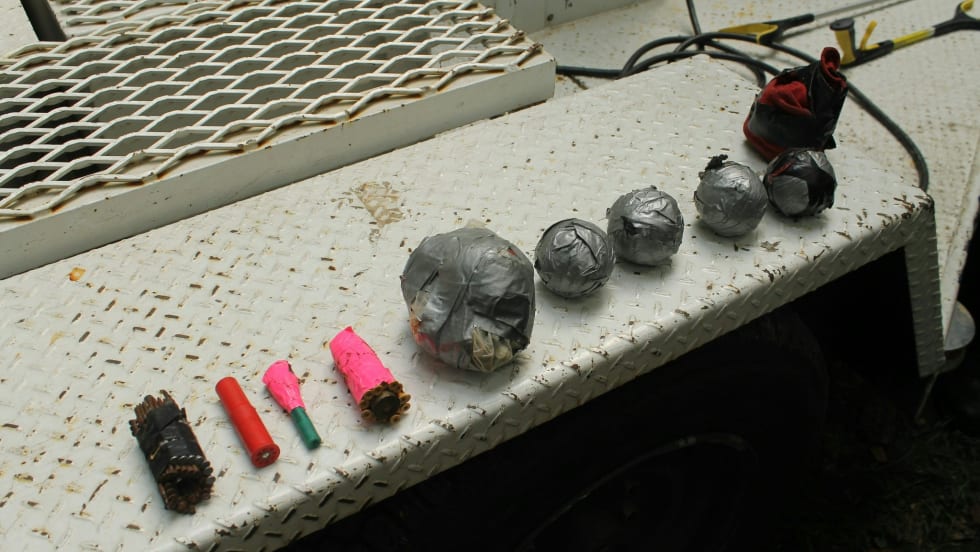
Tennessee Officers Say Man Tried to Detonate IED During Arrest
Inside the bedroom officers found what they believed to be an IED. The officers evacuated the house and called for the Chattanooga Police Bomb Squad and ATF agents.
Read More →
Florida School Officer Dies After On-Duty Medical Emergency
Sergeant Greg Graff was “preparing school leaders for the upcoming year during a safety training program at Clearwater High School,” the school district said.
Read More →
Grenade is Missing from Explosion That Killed 3 LASD Deputies
ATF Special Agent in Charge Kenny Cooper said definitively that only one grenade detonated at the facility on July 18.
Read More →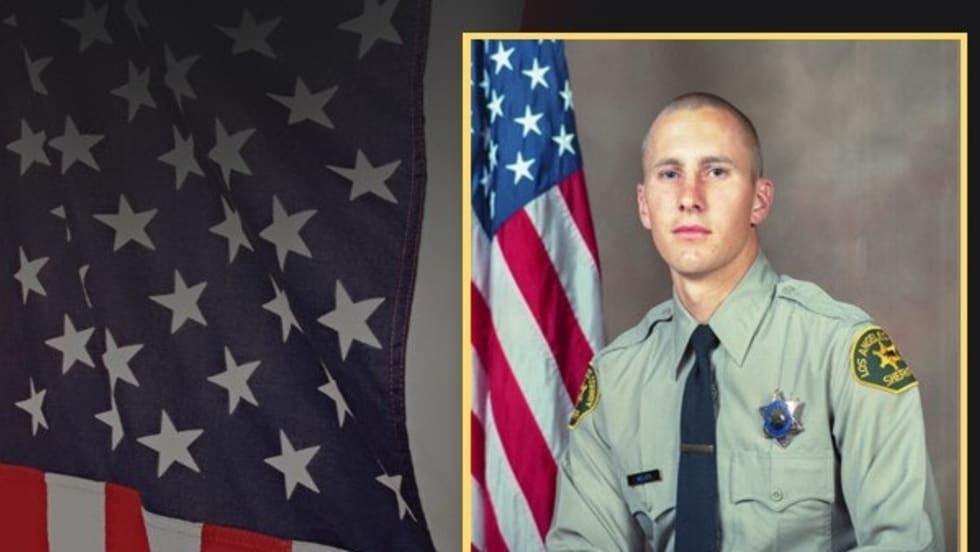
Los Angeles County Sheriff's Department Names Deputies Lost in Friday Explosion
LASD said Detective Joshua Kelley-Eklund, Detective Victor Lemus, and Detective William Osborn who were all assigned to Special Enforcement Bureau’s Arson Explosives Detail were killed in the incident.
Read More →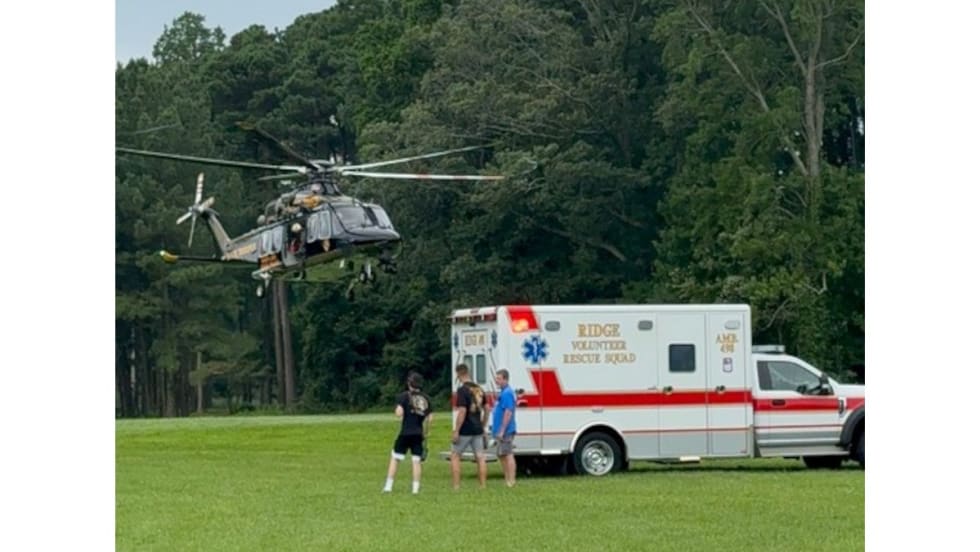
Maryland State Police Helicopter Rescues Victim from Overturned Boat in Chesapeake Bay
The Maryland State Police Aviation Command Trooper 7 crew, the MSP helicopter based in California, Maryland, were monitoring the county dispatch radio, overheard the dispatch, and self-launched.
Read More →