



Training for Real
Recently, several deputies and I responded to a "man with a gun" call. Based on the rapidly escalating nature of the situation, we made an aggressive approach to the location. Angry that we'd frustrated his attempt to kill his girlfriend and family, the suspect turned his aggressions on us. Soon, we were the ones under fire.

Experience--your own and others'--can be a powerful teacher for those who listen ... and survive the lesson.
The first time that I'd ever heard a gunshot in an uncontrolled environment. I was sure, because of the elongated barrel and the muted bang, that the man had been filing a .22-caliber rifle.
It was a shotgun.
I did some research to find out why I'd confused the pump-action nightmare with a rifle. I learned that what I'd experienced was termed "auditory exclusion": a kind of "tunnel hearing" where in the brain hears what it wants to hear.
In the years since, I've tried to share such stories with my troops - stories culled from personal experience, b.s. sessions, readings, training films and documentaries. You never know when some odd bit of information might turn out to be a lifesaver.
Recently, several deputies and I responded to a "man with a gun" call. Based on the rapidly escalating nature of the situation, we made an aggressive approach to the location. Angry that we'd frustrated his attempt to kill his girlfriend and family, the suspect turned his aggressions on us. Soon, we were the ones under fire.
Every time I read of an officer-involved shooting, I play "what if?" and place myself in that officer's role. Earlier that day I'd read of a female officer who had been sniped at while investigating a "shots fired" call. I thought about how terrifying being ambushed in the dark would be, but that the darkness that concealed the suspect could also be an asset to the person being fired upon. Little did I know that in less than 12 hours, I'd find myself living that same nightmare.
Looking back, I was thankful that I'd read that article. It factored into my pa11ner, Brad Higgins, and I opting for a blacked-out approach to the location. Though there were many things that factored into our surviving the attack, I believe this approach helped us immensely.
When the first shot rang out, I knew I'd been hit. I was scared. But because 1 was in a position to recognize the fact that 1 wasn't dead, I knew I was also in a position to act.
Brad and I returned fire - a quick volley in the direction of the amber flash. Ducking down behind cover, I told my partner I'd been hit. Brad suggested we move out of the kill zone. Never before had an idea held so much appeal for me.
We moved in unison, laying down cover fire as we scrambled to a position of cover further from the house. There, we engaged the suspect a third time and reloaded with fresh magazines in the event we had to engage him yet again.
When we made our final move from the kill zone, 1 couldn't hear the suspect's succeeding shots. But I did hear my fellow deputies yelling out that he was still firing. I was grateful for this information and for the cover fire our peers, Eric Barron and Geoffrey Deedlick, provided us as the suspect made a last attempt to take us down.
A nine-hour barricade situation developed, involving SWAT and Crisis Negotiation Team members. Fortunately, no one else was injured.
In the end, we'd practiced what had been preached to us: coordination, strategic deployment. Communication.' We'd adapted, used cover fire, reloaded and prepared to re-engage if necessary.
It was all stuff I'd been trained to do in the academy. It was the stuff of law enforcement magazines, urban mythologies, informal debriefings, and war stories exchanged over coffee and doughnuts, over and over again. It hadn't merely been morbid fascination that found me picking some cop's brains about what it's like to be in a shooting, but a desire to provide myself with the tools I would need when the situation presented itself.
It was also the stuff that saved my life. Our lives.
So, from now on, if I impress my troops as being redundant - of being a little overly concerned with making sure that seemingly obvious points are being bandied about on a routine basis - well. I can live with that. I hope they can, too.
By the way, this time I knew it wasn't a .22 rifle. This time I was sure it had been a shotgun.
It turned out to be an AK -4 7 assault lit1e.
There's that damned auditory exclusion again!
Editor's Note: Sgt. Scoville suffered a leg wound from this April 1998 incident, but returned to work shortly after.
Sgt. Dean Scoville is a patrol supervisor with the Los AngelesCounty Sheriff's Department. He is a frequent contributor to POLICE.
More Patrol

Streamlight Portable Scene Light III Wins 2026 OH&S New Product of the Year Award
Streamlight’s Portable Scene Light III has won the 2026 Occupational Health & Safety (OH&S) New Product of the Year Award in the Lighting category.
Read More →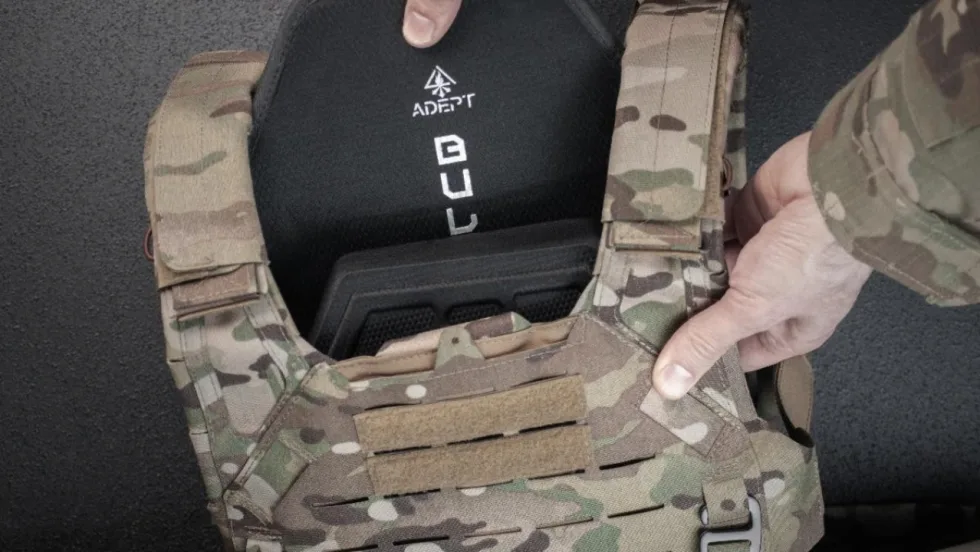
Adept Armor Introduces Two New Rifle Plates
Adept Armor has launched two new Level IV ballistic plates, the Emperor and the Archon Mark 2, which brings Adept Armor’s new Quatroid ceramic to the high-threat, performance-value center of the range at 5.2 pounds.
Read More →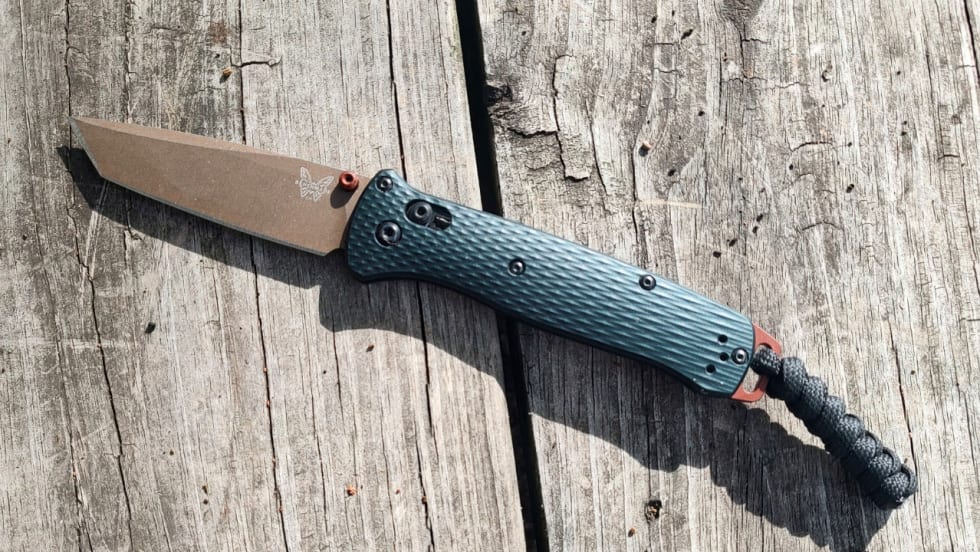
POLICE Product Test: Benchmade Bailout
The Benchmade Bailout is a slim, lightweight carry knife with a deep-ride pocket clip and comes in a variety of blade steels and scales. Here is a detailed review of the Taiga Green Bailout, released earlier this year.
Read More →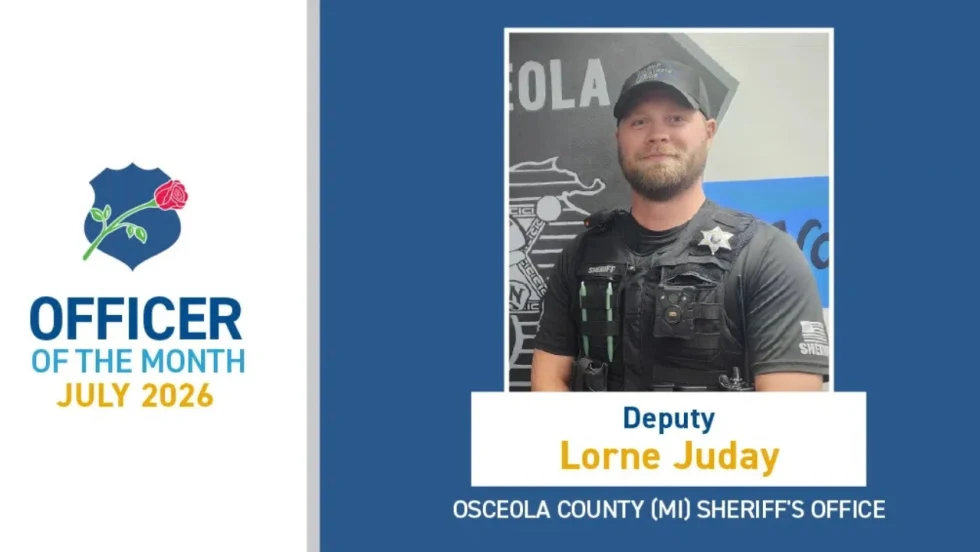
NLEOMF Announces July 2026 Officer of the Month
NLEOMF honored a Michigan deputy sheriff as the July 2026 Officer of the Month for rescuing a trapped driver from a burning vehicle following a Fourth of July crash.
Read More →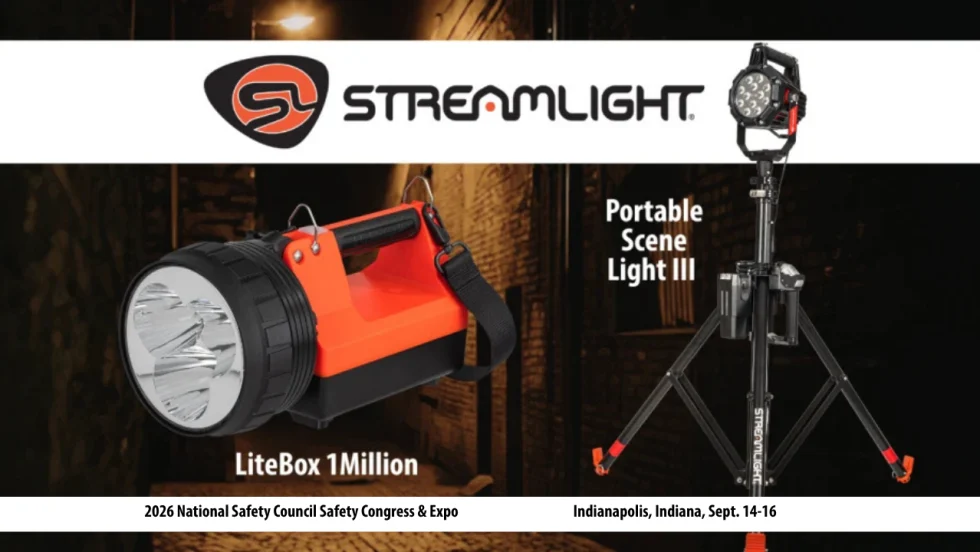
Streamlight to Showcase Newest Lighting Products at National Safety Council’s Safety Congress & Expo 2026
Streamlight will showcase its latest lights, including the Portable Scene Light III and the LiteBox 1Million, at the 2026 National Safety Council (NSC) Safety Congress & Expo.
Read More →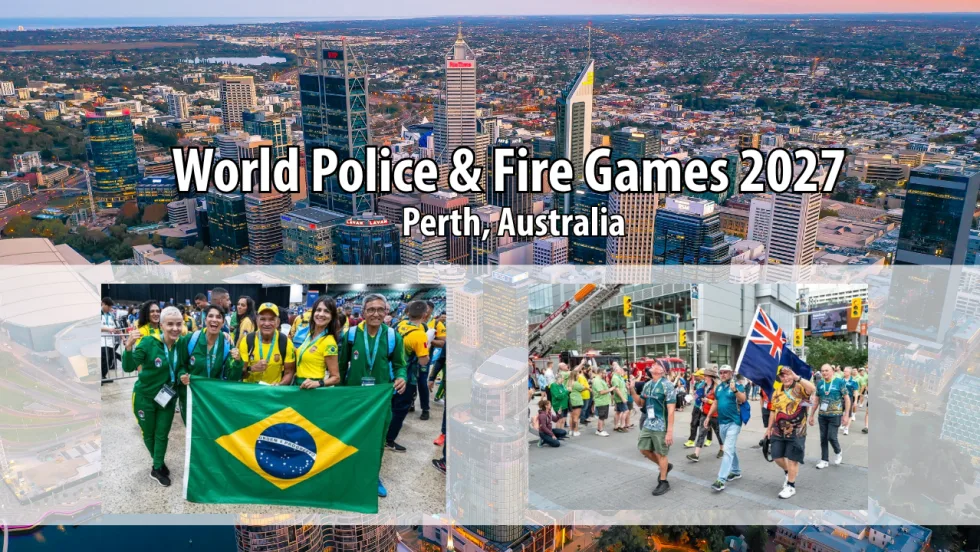
The 2027 World Police & Fire Games Set for Perth, Australia
The 2027 World Police & Fire Games (WPFG) will take place in Perth, Western Australia, from Friday, March 12 through Sunday, March 21, 2027.
Read More →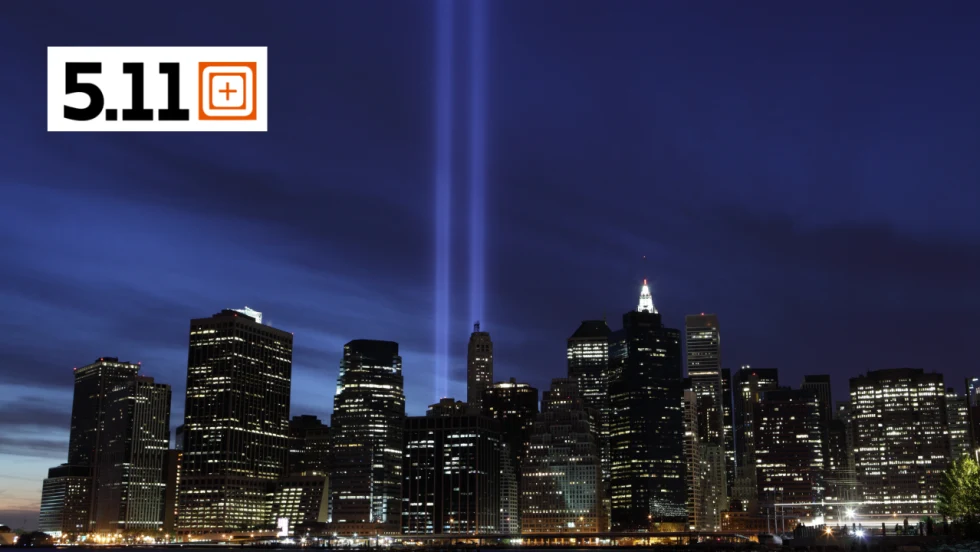
5.11 Partners with National Fallen Firefighters Foundation to Support #ForThe343
5.11 has joined the nationwide movement honoring the 343 New York City Fire Department firefighters lost on Sept. 11, 2001.
Read More →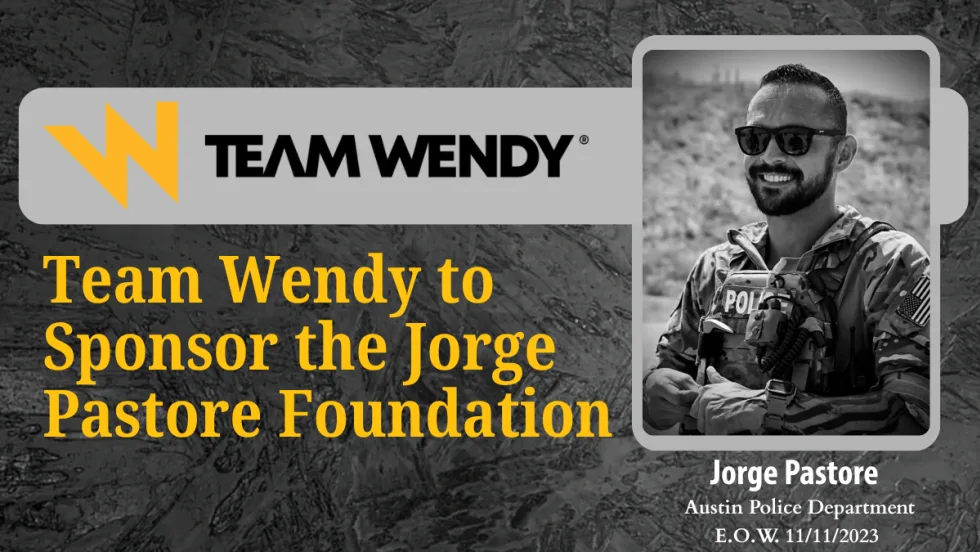
Team Wendy Announces Title Sponsorship of the Jorge Pastore Foundation
Team Wendy’s 3-year partnership with the Jorge Pastore Foundation expands access to programs that strengthen those who serve.
Read More →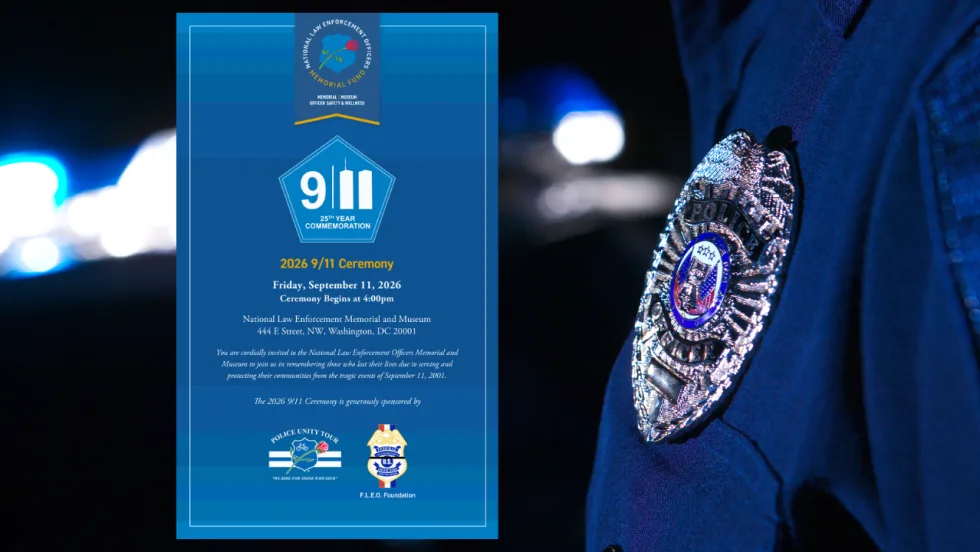
National Law Enforcement Memorial and Museum Hosting 9/11 25th-Year Commemoration Ceremony
The National Law Enforcement Memorial and Museum is hosting a 9/11 25th Year Commemoration Ceremony on Sept. 11 at 4 p.m.
Read More →
National Law Enforcement Officers Memorial Fund Announces June 2026 Officers of the Month
The National Law Enforcement Officers Memorial Fund (NLEOMF) named 15 officers of the Chico Police Department (California) as the Officers of the Month for June 2026 for their roles in responding to an active-shooter incident at a public library.
Read More →