



Read More: A Case for Communications Training
Motorola Solutions Extends Resilient, Mission-Critical Communications and AI with T-Satellite from T-Mobile
A collaboration between Motorola Solutions and T-Mobile helps deliver uninterrupted situational awareness and access to AI wherever the mission leads, enabled by satellite connectivity for Motorola Solutions' APX NEXT smart radios.
from News/Media Release
April 9, 2026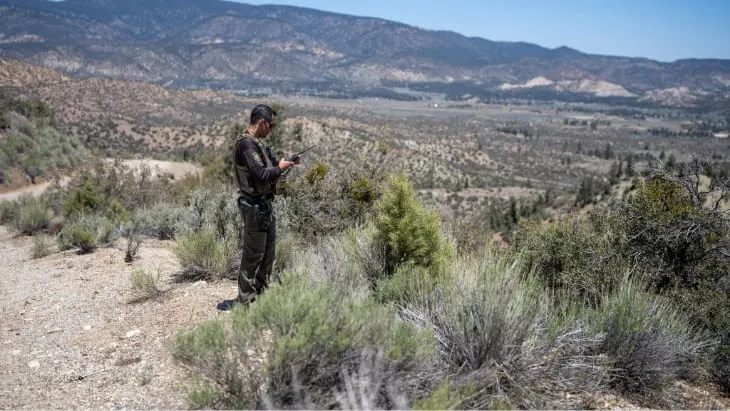
Motorola Solutions' APX NEXT smart radios can now operate leveraging T-Priority from T-Mobile, bringing first responders more capacity and faster speeds.
Credit:
Motorola Solutions
3 min to read
- Motorola Solutions and T-Mobile collaborate to enhance continuous operational communication.
- The integration is designed to provide constant situational awareness with AI capabilities.
- Satellite connectivity is utilized for Motorola Solutions' APX NEXT smart radios.
*Summarized by AI
Motorola Solutions and T-Mobile have collaborated to bring satellite connectivity to Motorola Solutions' APX NEXT smart radios. The radios, designed to intelligently unify networks including land mobile radio (LMR), 5G, and Wi-Fi, can now operate leveraging T-Priority from T-Mobile, bringing first responders more capacity and faster speeds.
They can also access T-Satellite with Starlink’s low earth orbit (LEO) direct-to-cell satellite network for seamlessly extended connectivity. Together, these technologies deliver resilient communications and real-time intelligence for first responders wherever the mission leads.
T-Mobile extends the power of Motorola Solutions’ mission-critical AI, Assist, and SVX - a body-worn AI assistant, remote speaker microphone, and body camera that pairs with APX NEXT - to help first responders maintain hands-free access to essential voice, data-rich communications, and mission-critical AI, even in the most isolated and harshest locations.
“We’re proud to work with T-Mobile to seamlessly broaden the reach of first responders’ trusted communication lifeline, their radios,” said Mahesh Saptharishi, executive vice president and chief technology officer, Motorola Solutions. “This level of real-time resilient connectivity advances our vision to put the power of human-AI interaction - increasingly a need-to-have for public safety workflows - into the hands of every first responder in the U.S.”
More Than 13K Radio Networks
Motorola Solutions has deployed more than 13,000 two-way radio networks globally, providing the uniquely hardened foundation for emergency response, as well as more than 500 broadband push-to-talk deployments with over 1.3 million users worldwide. Adding T-Satellite and 5G technology as supplementary bearers augments this trusted foundation with high-speed data access and extended reach, optimizing each technology's unique physical properties.
Reliable Radio Connectivity
T-Mobile’s T-Satellite operates the largest satellite-to-mobile network, extending coverage to the half a million square miles of the U.S. otherwise unreachable by traditional land-based cellular towers. T-Priority delivers up to five times greater network priority to help insulate first responders from public-driven congestion.
“Our deputies have come to rely heavily on the APX NEXT radios and their built-in layers of redundancy to maintain constant connectivity with their partners and the dispatch center,” said Patrick Maynard, director of Ventura County Sheriff’s Emergency Services. “From residential neighborhoods to rugged, off-grid terrain, this technology helps ensure our deputies no longer need to worry about how they are connected. They can communicate clearly and reliably through both voice and data, wherever the job takes them.”
“Reliable connectivity is the essential lifeline for first responders in the U.S. who handle more than 200 million emergencies annually,” said Mo Katibeh, executive vice president and chief business marketing officer, T-Mobile Business Group. “We’re proud to work with Motorola Solutions to advance the future of first responder connectivity - grounded in Motorola Solutions’ LMR and expanded by T-Priority’s 5G and T-Satellite - so first responders can operate with greater resilience, visibility and confidence wherever they go.”
Equipped with Smart Connect
Motorola Solutions’ APX NEXT satellite-connected radios are equipped with the SmartConnect application, which intelligently maintains trusted connectivity across LMR, 5G and LEO satellite, delivering multi-bearer resiliency that dynamically supports operations. Public safety agencies can also access SmartLocate and SmartMessaging over satellite for real-time personnel location and secure messaging.
FedRAMP High Authorized
Both APX NEXT and SVX are FedRAMP High authorized, affirming that they meet the federal government’s highest standards for data security and availability in the cloud.
More Patrol
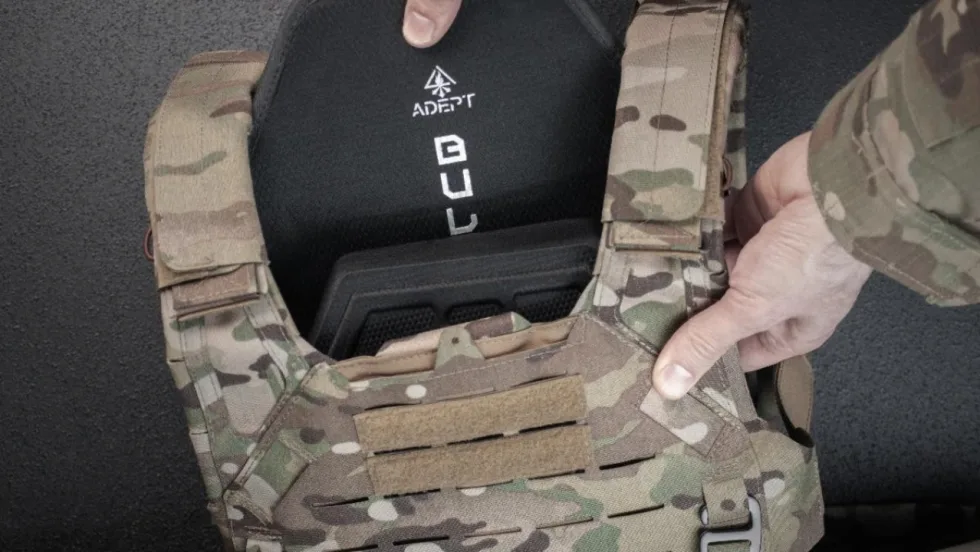
Adept Armor Introduces Two New Rifle Plates
Adept Armor has launched two new Level IV ballistic plates, the Emperor and the Archon Mark 2, which brings Adept Armor’s new Quatroid ceramic to the high-threat, performance-value center of the range at 5.2 pounds.
Read More →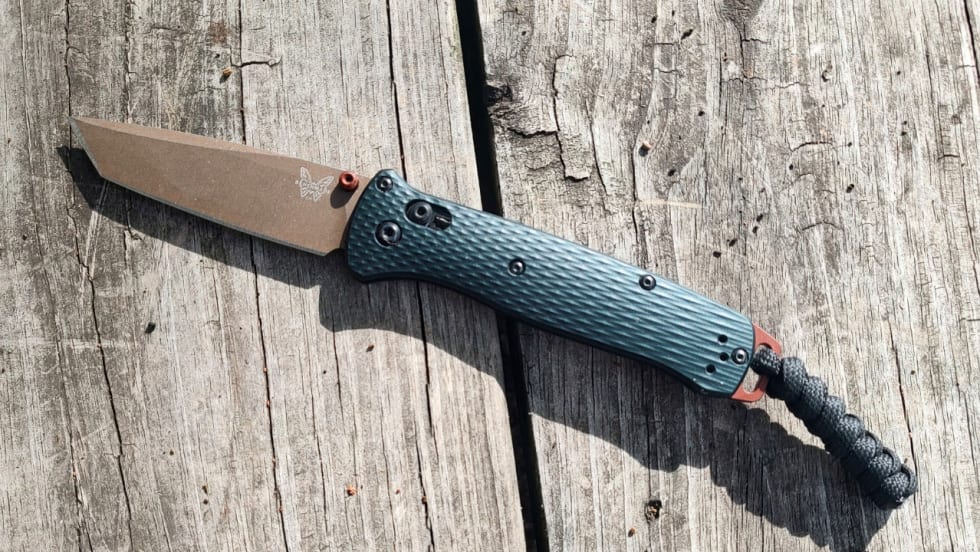
POLICE Product Test: Benchmade Bailout
The Benchmade Bailout is a slim, lightweight carry knife with a deep-ride pocket clip and comes in a variety of blade steels and scales. Here is a detailed review of the Taiga Green Bailout, released earlier this year.
Read More →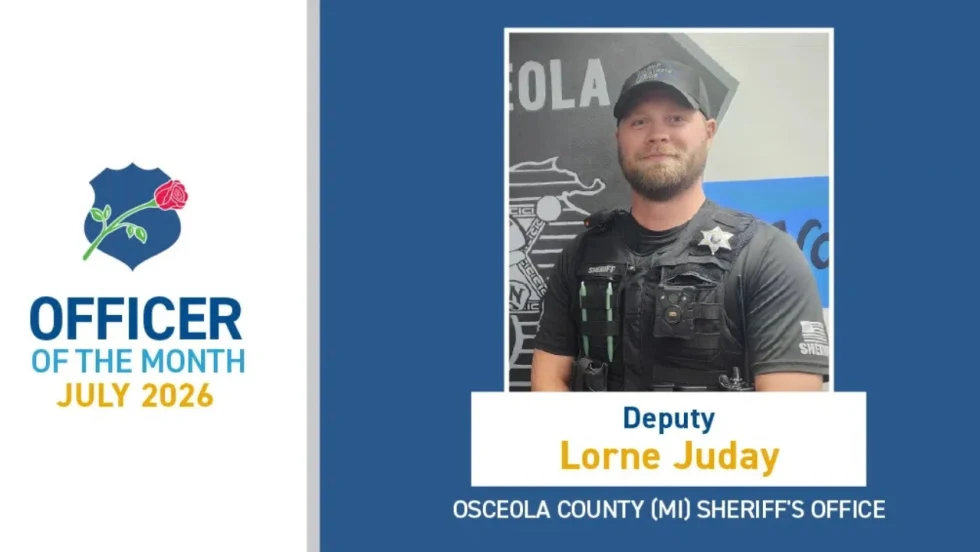
NLEOMF Announces July 2026 Officer of the Month
NLEOMF honored a Michigan deputy sheriff as the July 2026 Officer of the Month for rescuing a trapped driver from a burning vehicle following a Fourth of July crash.
Read More →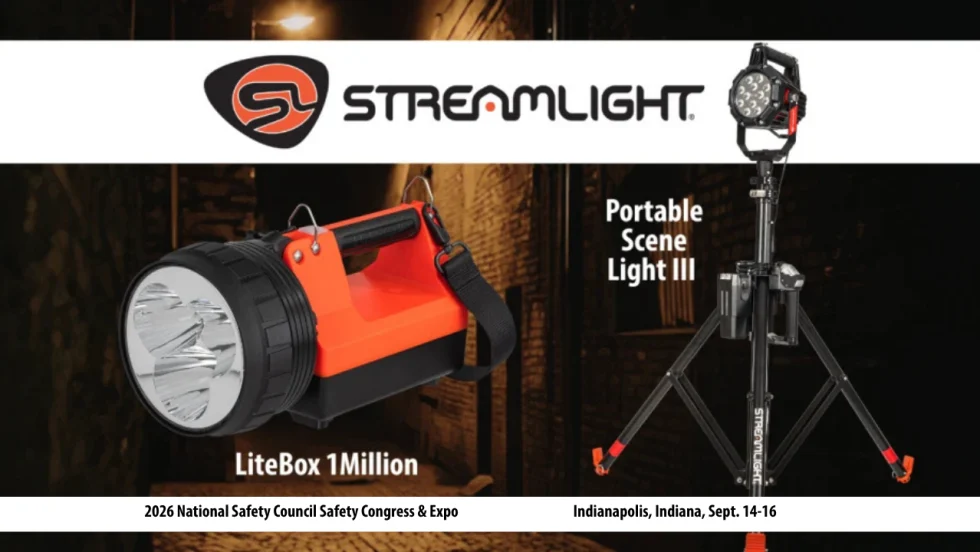
Streamlight to Showcase Newest Lighting Products at National Safety Council’s Safety Congress & Expo 2026
Streamlight will showcase its latest lights, including the Portable Scene Light III and the LiteBox 1Million, at the 2026 National Safety Council (NSC) Safety Congress & Expo.
Read More →
The 2027 World Police & Fire Games Set for Perth, Australia
The 2027 World Police & Fire Games (WPFG) will take place in Perth, Western Australia, from Friday, March 12 through Sunday, March 21, 2027.
Read More →
5.11 Partners with National Fallen Firefighters Foundation to Support #ForThe343
5.11 has joined the nationwide movement honoring the 343 New York City Fire Department firefighters lost on Sept. 11, 2001.
Read More →
Team Wendy Announces Title Sponsorship of the Jorge Pastore Foundation
Team Wendy’s 3-year partnership with the Jorge Pastore Foundation expands access to programs that strengthen those who serve.
Read More →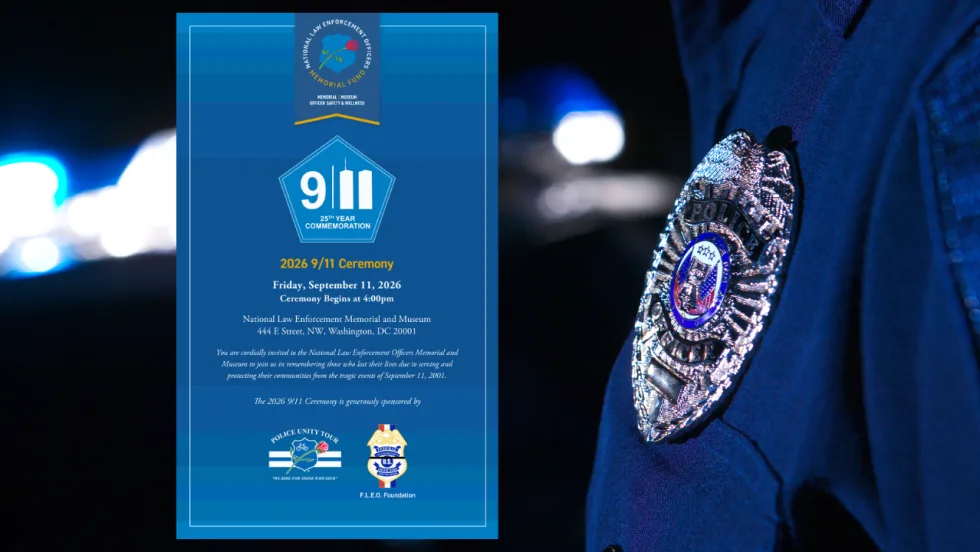
National Law Enforcement Memorial and Museum Hosting 9/11 25th-Year Commemoration Ceremony
The National Law Enforcement Memorial and Museum is hosting a 9/11 25th Year Commemoration Ceremony on Sept. 11 at 4 p.m.
Read More →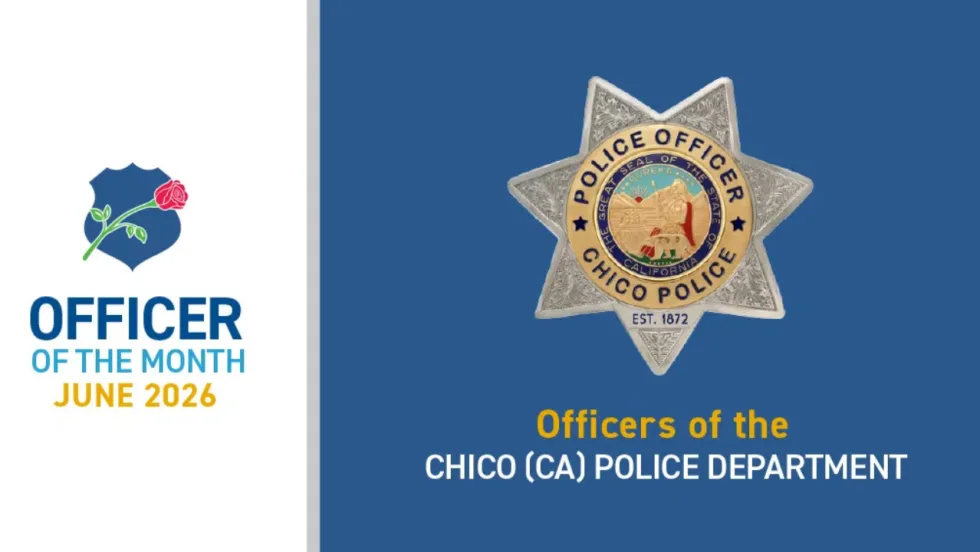
National Law Enforcement Officers Memorial Fund Announces June 2026 Officers of the Month
The National Law Enforcement Officers Memorial Fund (NLEOMF) named 15 officers of the Chico Police Department (California) as the Officers of the Month for June 2026 for their roles in responding to an active-shooter incident at a public library.
Read More →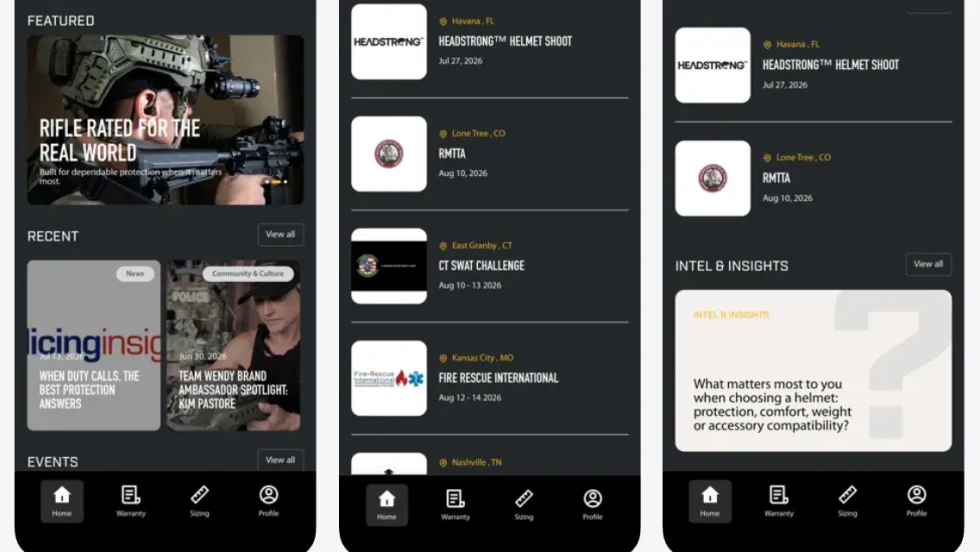
Team Wendy App Creates New Digital Hub for Helmet Owners
The Team Wendy Community App provides one location for warranty registration, size-fit tools, product updates, and community connection. For helmet owners, the new app creates a simpler path to the information and tools that matter most.
Read More →