



Traffic Congestion Around Schools
September means back to school time. And you, as police officers, are charged with the task of protecting society's most vulnerable citizens—its youth—from the very ominous threat posed by high volume traffic.

September means back to school time. And you, as police officers, are charged with the task of protecting society's most vulnerable citizens—its youth—from the very ominous threat posed by high volume traffic.
Vehicular congestion near schools is more than just an inconvenience to parents; it also jeopardizes the safety of teachers, administrators, school staff, and local residents. Traffic congestion around schools is also a potential source of injury to children and a growing problem that police departments cannot afford to ignore. With nearly 75 percent of school-aged children taken to school by car, we must realize the need for a workable plan to alleviate congestion. As urban sprawl continues, growing student populations utilize roadway infrastructures that are not expanding to accommodate the additional traffic flow. This growth in student population has overwhelmed traffic lanes originally designed for student pickups and drop-offs.
Picking up on Where They're Dropping Off
As schools plan to create and reconfigure their pickup and drop-off areas, we need to work closely with school districts to address changes in traffic patterns and new school construction. Our perspective in creating safe pedestrian paths, bicycle paths, and driving lanes is invaluable.
In many cases, we can't contribute to traffic planning around schools and have to work with the given situation that is already in place. But establishing why so many children are driven to school can help you prepare a solution. Research indicates that parents cite distance as a primary reason for driving children to school. Also cited are traffic hazards, time constraints, and bad weather. Many parents cite "stranger danger" or child predators as a major source of concern and a reason for why they drive their kids to school.
If a department's research indicates that distance and stranger danger are two primary reasons for parents driving children to school, we can create a "no drive zone" two blocks around the school. Instead of having all of the parents drive to one area in front of the school, children can be dropped off within two blocks of the school in all directions.
For the short walk the children have to the school, set up a saturation patrol by members of the patrol division, school resource officers, crossing guards, school personnel, and parent volunteers. This will alleviate the congestion immediately around the school grounds.
If you implement this plan, check the effects of the no drive zone on the surrounding neighborhood. If the plan creates congestion for residents or businesses, it will not work. A plan like this must receive support from the road department and neighborhood citizen organizations.
Another plan that you can implement with assistance from the road department is re-routing school buses or using an alternate school bus location. At many schools, parents drop off children in an area that is designated for school buses. This chaos can be reduced by having school buses only release children in the school parking lot or some other off-site location.
Auto Vs….?
There may be other reasons for the school traffic congestion that may require you to do some research to ascertain the source of the problem.
Your first stop is the department's records bureau. Are there a large number of motor vehicle crashes around the school? Are the crashes auto vs. auto or auto vs. pedestrian? Does student behavior (not crossing at the corners, etc.) contribute to the crashes? Are there a large number of complaints about the traffic congestion? Who makes the complaints: school staff, residents, parents, businesses, or all of them? Spend time observing traffic patterns to figure out who or what is causing the congestion.
Hoofing It
Conduct a study to determine how many students could walk to school. Establish a standard with the local PTA. (For example, a student living less than X number of miles should be able to walk to school.) If it is determined that a great many students could walk to school, take steps to make walking to school a safe and positive experience.
You can work with area educators to teach parents about the health benefits of walking. And with gas at $4 per gallon, you can also emphasize that letting their kids walk to school will save them money.
Establish safe walking routes from heavily affected areas. Some departments and schools have developed a "walking school bus" plan where chaperoned students walk a pre-determined route and pick up other students along the way. Work with local businesses (ice cream shops, candy stores, video game stores, and the like) to provide tangible incentives to students who walk or bike to school.
Of course, many students still live too far away to walk to school. Establishing school bus routes is outside the capabilities of most police departments, but you can work with the schools to create multiple occupant lanes. Automobiles with more than three occupants receive preferential treatment and access to specialized areas. This encourages carpooling and ultimately reduces the number of vehicles around the school property.
Work with the road department to make certain streets one-way only during peak hours such as 7:30–8:30 a.m. and 2:30–3:30 p.m. By directly addressing the flow of traffic, this helps cars move through the area more quickly.
Strategically funneling traffic is a good idea, but attention must be paid to where the funnel ends. Make sure the plan does not create a dangerous situation a few blocks away.
Work with the school to stagger the start and end times for different grades. Although this does little to help the parent who has children in different grades, it helps in an area where many of the parents only have one child enrolled.
Communities continue to grow and new and existing schools continue to enroll students. But the roads are not getting any wider. That leads to traffic congestion around schools
Ultimately, this problem will land in the lap of the local police department. By taking proactive steps to alleviate the growing congestion around schools, you can help to ensure the safety of students and motorists.
Det. Joseph Petrocelli is a 20-year veteran of New Jersey law enforcement. He can be contacted through SAFECOPS.com.
More Patrol
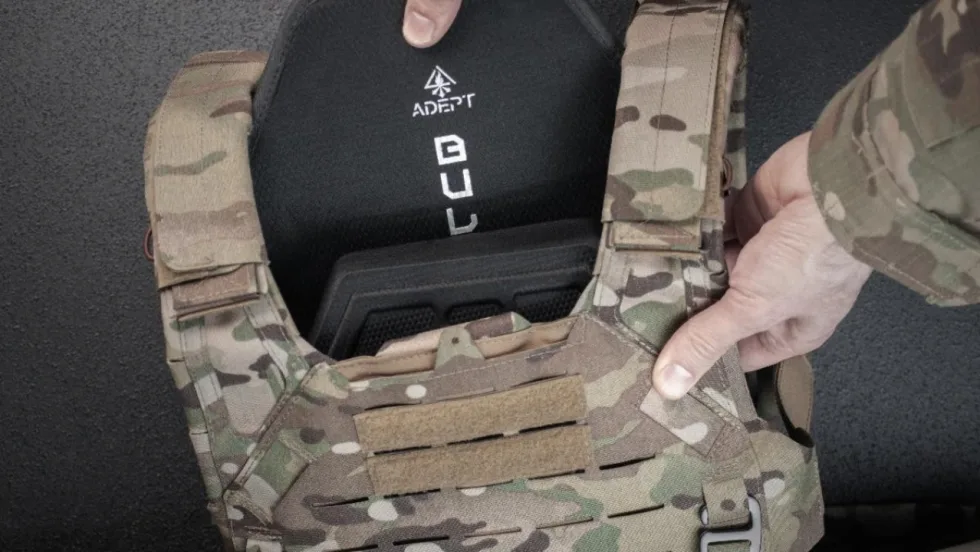
Adept Armor Introduces Two New Rifle Plates
Adept Armor has launched two new Level IV ballistic plates, the Emperor and the Archon Mark 2, which brings Adept Armor’s new Quatroid ceramic to the high-threat, performance-value center of the range at 5.2 pounds.
Read More →
POLICE Product Test: Benchmade Bailout
The Benchmade Bailout is a slim, lightweight carry knife with a deep-ride pocket clip and comes in a variety of blade steels and scales. Here is a detailed review of the Taiga Green Bailout, released earlier this year.
Read More →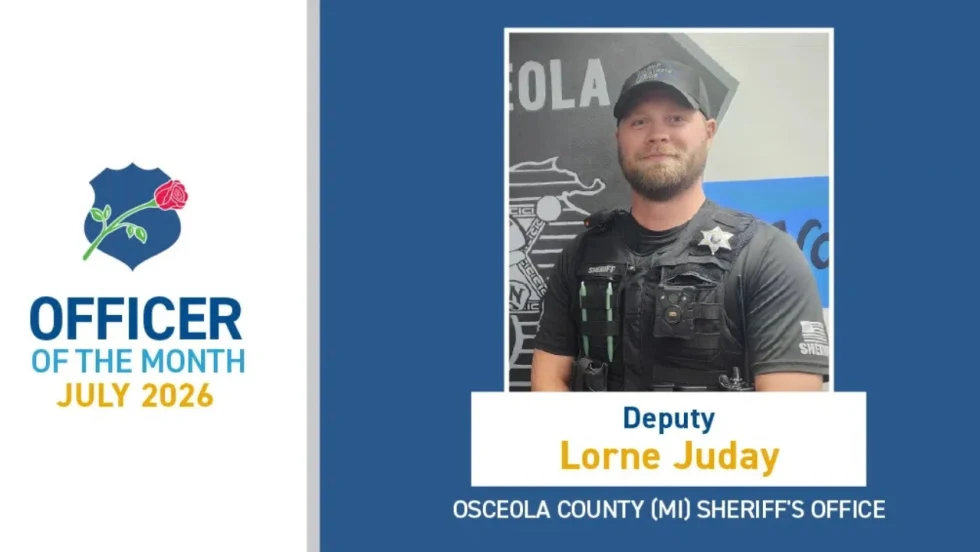
NLEOMF Announces July 2026 Officer of the Month
NLEOMF honored a Michigan deputy sheriff as the July 2026 Officer of the Month for rescuing a trapped driver from a burning vehicle following a Fourth of July crash.
Read More →
Streamlight to Showcase Newest Lighting Products at National Safety Council’s Safety Congress & Expo 2026
Streamlight will showcase its latest lights, including the Portable Scene Light III and the LiteBox 1Million, at the 2026 National Safety Council (NSC) Safety Congress & Expo.
Read More →
The 2027 World Police & Fire Games Set for Perth, Australia
The 2027 World Police & Fire Games (WPFG) will take place in Perth, Western Australia, from Friday, March 12 through Sunday, March 21, 2027.
Read More →
5.11 Partners with National Fallen Firefighters Foundation to Support #ForThe343
5.11 has joined the nationwide movement honoring the 343 New York City Fire Department firefighters lost on Sept. 11, 2001.
Read More →
Team Wendy Announces Title Sponsorship of the Jorge Pastore Foundation
Team Wendy’s 3-year partnership with the Jorge Pastore Foundation expands access to programs that strengthen those who serve.
Read More →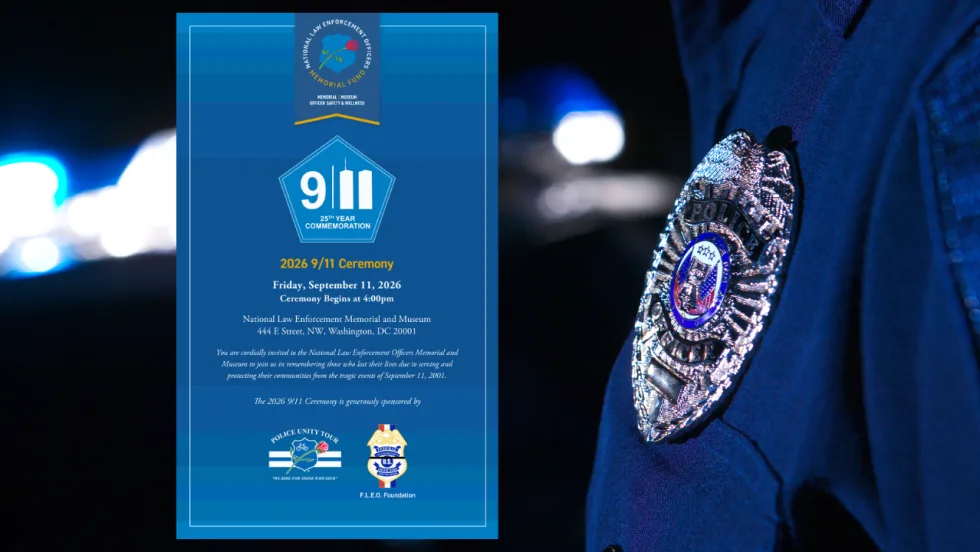
National Law Enforcement Memorial and Museum Hosting 9/11 25th-Year Commemoration Ceremony
The National Law Enforcement Memorial and Museum is hosting a 9/11 25th Year Commemoration Ceremony on Sept. 11 at 4 p.m.
Read More →
National Law Enforcement Officers Memorial Fund Announces June 2026 Officers of the Month
The National Law Enforcement Officers Memorial Fund (NLEOMF) named 15 officers of the Chico Police Department (California) as the Officers of the Month for June 2026 for their roles in responding to an active-shooter incident at a public library.
Read More →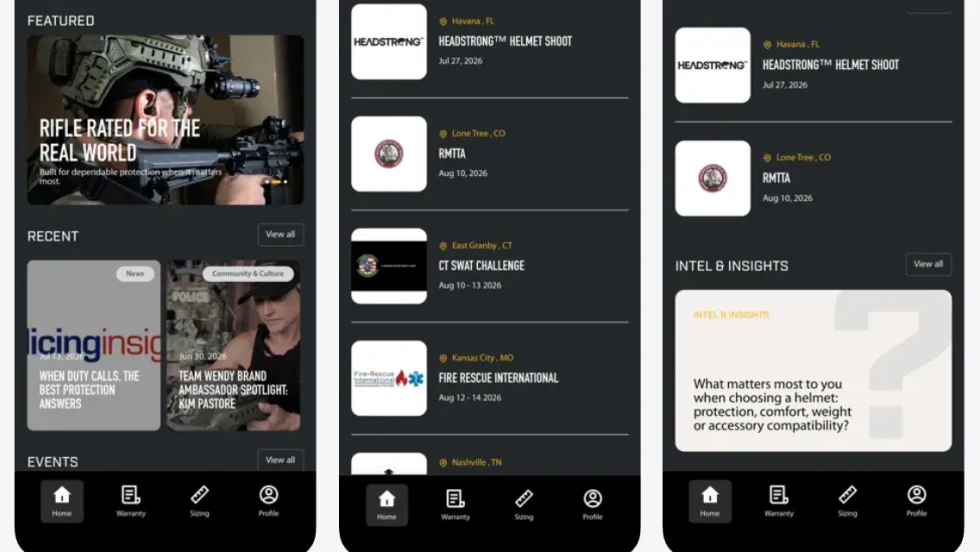
Team Wendy App Creates New Digital Hub for Helmet Owners
The Team Wendy Community App provides one location for warranty registration, size-fit tools, product updates, and community connection. For helmet owners, the new app creates a simpler path to the information and tools that matter most.
Read More →