



The Top 5 Facts About Public Safety Mobility
Curious about what mobility means in public safety? Check out this expert interview and find out what it means for law enforcement agencies and fire departments throughout the US.

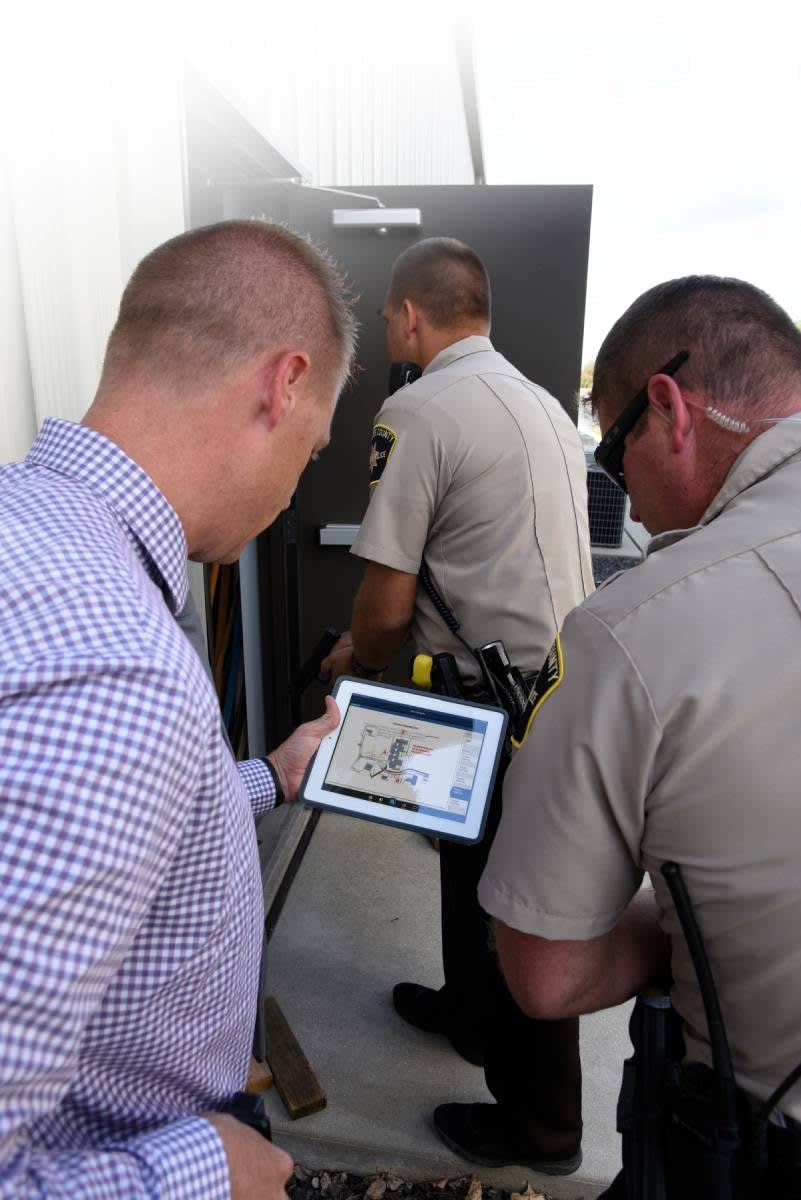
Technology changes every day. But many public safety agencies have yet to fully take advantage of the tools available that can help improve first responder safety. One of the biggest changes in public safety technology that helps improve safety and preparedness is the creation of mobility apps.
In this expert interview with Tyler Technologies’ mobility product owner Duane Kietzman, discover the top five facts regarding the power of public safety mobility for law enforcement and fire crews.
[Watch: What is Public Safety Mobility FAQ Video]
1. First off, what does the term mobility mean when it comes to public safety? How is it different from mobile?
The way I look at it, mobile is the suite of applications that empower mobility.
That means mobile is the connection of the computer aided dispatch (CAD) technology used by dispatchers in an emergency communication center to the mobile CAD and field reporting solutions used by first responders in the field. We’ve had mobile products on laptops in police cars and fire engines since the mid-1990s, but technology has grown exponentially since then.
Today, almost everyone uses a smartphone or tablet in their day-to-day lives. They expect to be able to use this same technology in their professional lives as well, which is where mobility comes in. Mobility takes the power of public safety solutions used every day by law enforcement, firefighters, and dispatchers and puts it in their pocket on a smartphone or tablet, or on their wrist on a watch. It means they’re always connected even when they’re away from their mobile data terminal in the police car or fire engine.
Think about this – in the every day lives of most people, we use multiple apps. That could be an app to order and pay for lunch, or have something delivered from Amazon, or an app to chat with friends or family all over the globe. Those examples show how mobility touches our lives every day. It just makes sense to provide that same type of access to first responders.
2. What changes in technology and the way the world communicates made it clear that mobility was something needed in public safety?
Smartphones have taken over everything that we do. It’s a business and consumer tool all in one. Today in the world of public safety, newer employees and those who grew up with technology expect to be able to do some component of their jobs on a smartphone or tablet. They expect apps to be available to help them with their daily tasks. In addition, many use apps that are complementary to their roles now – for instance, it’s common for first responders to use something like Google Maps if they don’t have powerful routing capabilities in their software. But they also use an app like Google Maps because they’re just used to it and comfortable with it from their day-to-day interactions with an app like that in their own lives.
I’ve actually heard a first responder say ‘I can buy anything I want on Amazon and have it delivered to my house in two hours, but dispatch and other first responders can’t see where I am on a map if I’m not in my car?’ That’s the type of expectations in the industry.
For the younger generation, mobility is a need-to-have capability. They don’t know anything different. What’s really interesting is that the youngest generation coming into public safety today isn’t even that familiar with a Windows-based laptop. They’re using smartphones and tablets. This trend is only going to continue as new recruits enter the workforce and current public safety personnel continues to move up the ranks.
3. What types of devices are mobility solutions compatible with?
It’s important that mobility solutions work on devices that agencies and departments want to use. That means smartphones, Surfaces, laptops, and wearables, such as a smartwatch. Basically, with the expectation of having this technology, it’s important to ensure that products are available on the devices used by public safety professionals.
4. How does mobility help extend the power of public safety software solutions used by law enforcement?
Mobility solutions bring all parts of the back office to the officer or fire crew member no matter where they are. This means an officer could be eating lunch and decide to view where someone else is located or what’s happening on a particular call for service. They have access to all of the information that they could need or want regarding a call for service or fire emergency. Mobility helps empower users to perform work on their own – they don’t have to radio or call in to dispatch or a records department to gather information. The details they need are right at their fingertips.
Think about this: you’re an investigator in the field and need to ask someone else to provide you with some information. Then you’re questioning the accuracy and validity of that information, it’s how you operate. In the long run you’re going to have to do more work to ensure you have correct data. Mobility products allow people to do what they’re good at themselves without relying on an intermediary.
[Watch: What is Public Safety Mobility FAQ Video]
5. Many times the general public has a certain level of expectation around what public safety agencies can do. How do mobility solutions help meet these expectations?
In a community where first responders have this capability, residents immediately benefit from the efficiency it provides to the first responders. These first responders have the information that’s relevant to them when they need to see it. For instance, the app will deliver the most important information to the user as it is needed, such as directions for the driver or preplanning documents for the firefighters. And that’s for every user in every role.
What’s great about role-based information is that any and every user – whether the user is in law enforcement or fire – sees information tailored to meet the specific needs of his or her role. The app knows what the user needs because it understands how that role typically interacts with information while in transit or on the scene.
Imagine how beneficial it is to fire crews with that information. That means when they arrive on the scene of a fire emergency, they already know what structures are involved, what hazardous materials are present, they have any access codes they need, and they know exactly where fire hydrants are located. While this is information that is historically provided by mobile data terminals in a fire engine, that information is typically only provided to the captain and engineer. They share this information with the crew, but it’s not the same as equipping each crew member - including the battalion chief and volunteer firefighters who aren’t in the same rig – with the mission critical data that they need for their roles. By accessing this information while in transit to an emergency, all members of a crew are more informed when they arrive on the scene. That means they’re able to tackle the situation almost instantly upon arrival, so they can start saving lives and dealing with the emergency at hand.
From the law enforcement side of things, mobility helps ensure the officers are always connected. What I mean by that is officers are typically disconnected when they step out of their police cruisers. Yes, they have access to the radio, but all of the information they have on their MDTs is back in the vehicle and they’re on their own. With the power of mobility being accessible on a smartphone, watch, or tablet, the officer can exit his or her vehicle and stay in connection with dispatch and other officers. The two-way communication never ceases. This lends itself to better safety for the officer, and also keeps the officer up-to-date on the situation. He or she will continue to have real-time data from CAD and will provide on-the-scene updates to dispatch and other officers.
Want to know more? Subscribe to Tyler Technologies’ mobility series to better understand how your law enforcement agency or fire department can benefit from mobile apps.
More Technology
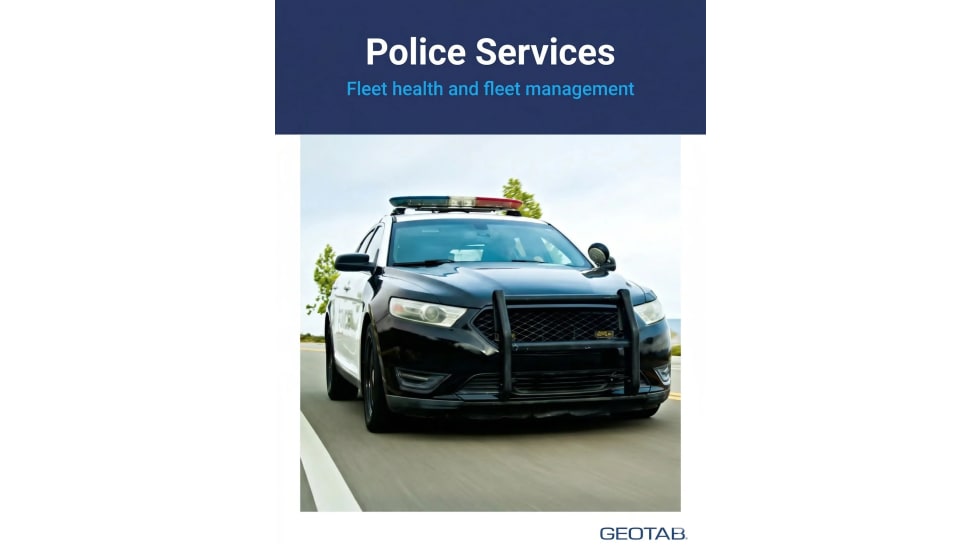
A police agency's guide to data-driven fleet management
Costs are rising and the public expects more transparency into how their tax dollars are spent. This e-book shows how police agencies can use fleet data to take control of fleet expenses while improving officer safety and demonstrating fiscal responsibility to the communities they serve.
Read More →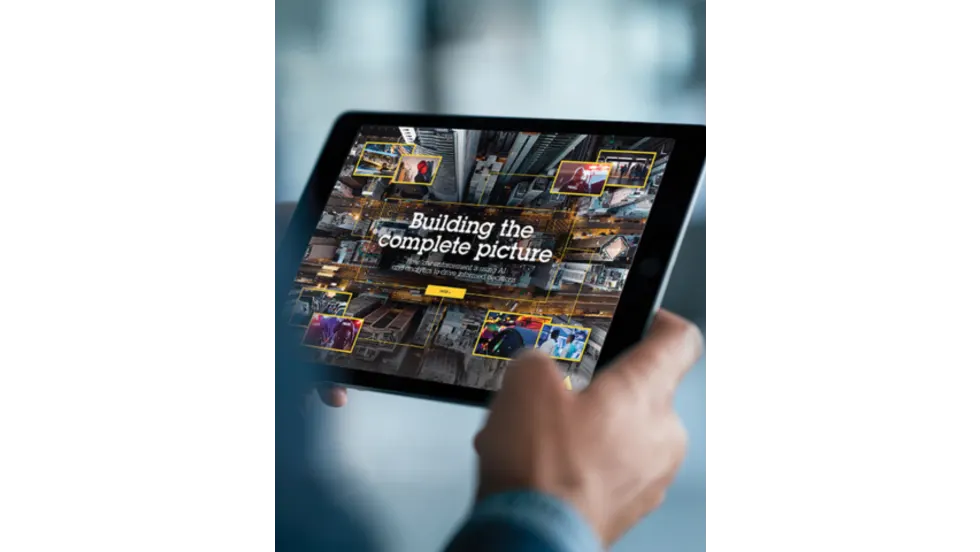
AI and analytics for law enforcement: Turning data into insights
Law enforcement agencies are managing more video, sensor data and digital evidence than ever before. Discover how AI and analytics can help turn that data into actionable insights that strengthen situational awareness, accelerate investigations and support more informed decisions.
Read More →
Vasco Electronics Adds Automatic Language Detection to Vasco Translator Q1
Vasco Electronics’ software update introduces hands-free language switching and expanded offline translation across 45 language pairs, empowering law enforcement, healthcare, and front-office enterprise teams
Read More →
North Miami Police Department Deploys Mark43
The North Miami Police Department has deployed Mark43 as part of its Five-Year Strategic Plan that represents its collective vision and goals for a more proactive police department, anchored by a core commitment to leveraging modern technology to enhance efficiency and public safety.
Read More →
Cellebrite Genesis for Enterprise Now Generally Available
Made available to the public sector in June, Cellebrite Genesis is serving a growing mix of national, regional, and local agencies worldwide, including some of the largest regional and metropolitan police departments. It is now available for enterprise organizations.
Read More →
2026 Vision FirstNet Users Summit to Host Emerging Leaders Training on Grassroots Advocacy for Public Safety
“Emerging Leaders Training: Understanding the Importance of Grassroots Advocacy for Public Safety," a session during the 2026 Vision FirstNet Users Summit, will offer a roadmap for unified advocacy at the federal level.
Read More →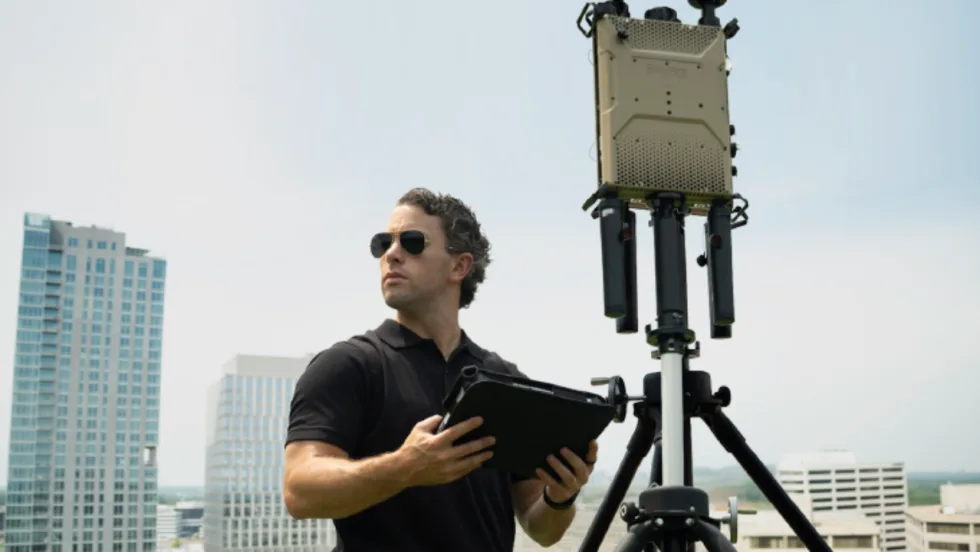
Motorola Solutions Completes Acquisition of D-Fend Solutions
Motorola Solutions has acquired D-Fend Solutions, an industry leader in counter-drone technology. This deal provides public safety and enterprise customers with access to advanced counter-unmanned aerial systems.
Read More →
ZeroEyes, Advantech & Camden Police Partner to Bring AI Gun Detection Technology to Delaware School District
ZeroEyes has partnered with Advantech and the Camden Police Department to deploy ZeroEyes’ AI gun detection and intelligent situational awareness platform at Delaware’s Caesar Rodney School District (CRSD).
Read More →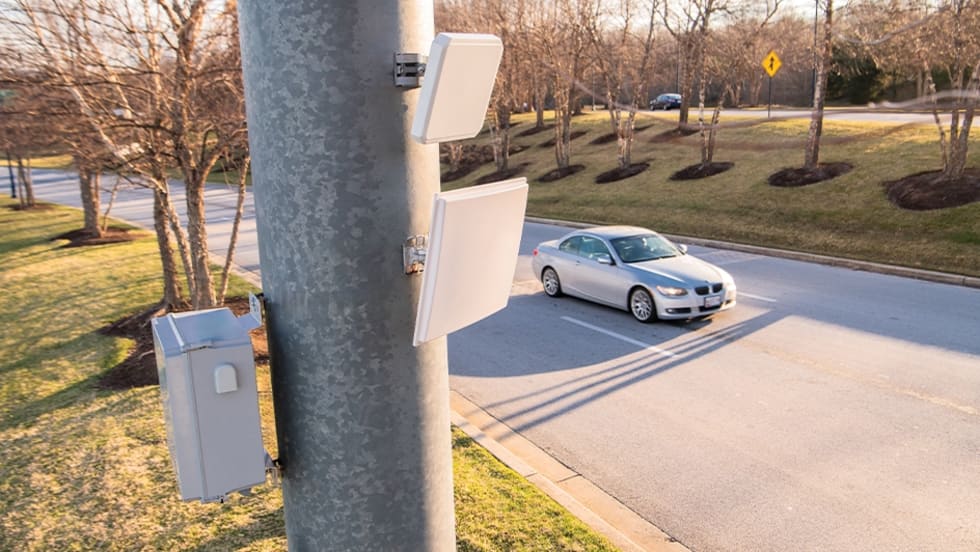
Leonardo U.S. Cyber & Security Solutions Introduces SignalTrace, the Next Evolution in Electronic Signature Detection Technology
SignalTrace reflects years of product refinement and a clearer expression of the technology’s purpose of recognizing and correlating electronic signatures in publicly broadcast wireless signals to reveal patterns, relationships, and trends that might otherwise go undetected.
Read More →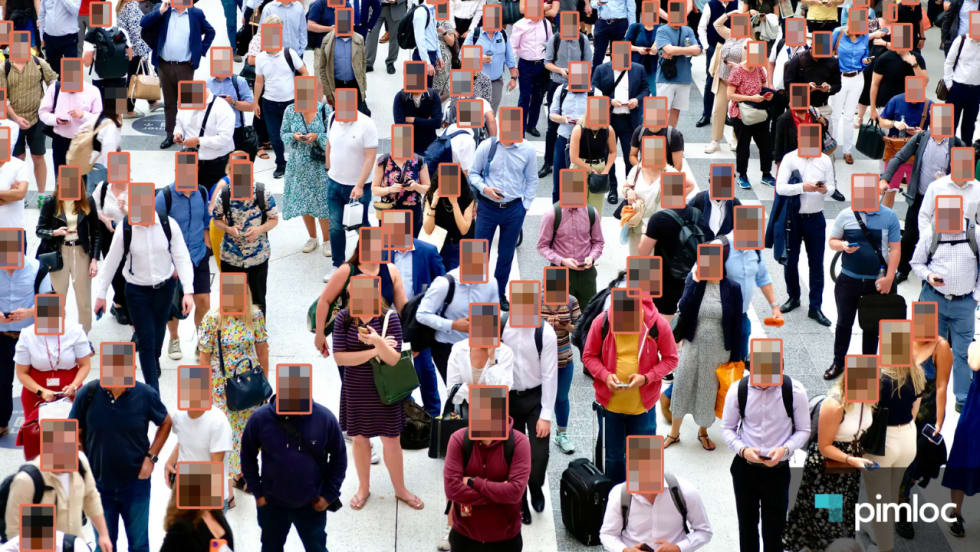
Pimloc Launches Secure File Sharing to Streamline Release of Redacted Video
Pimloc’s Secure File Sharing lets organizations deliver redacted video, audio, and documents through expiring, passcode-protected links, accelerating delivery while reducing security, compliance, and chain-of-custody risks.
Read More →