



The Future of Law Enforcement Leadership
"In a time of drastic change it is the learners who inherit the future." – Eric Hoffer

"In a time of drastic change it is the learners who inherit the future." - Eric Hoffer
I have been asked several times in recent months to speak on the future of law enforcement leadership. As I have written in the past few columns, we first need to recognize the need for across-the-board, intensive leadership education and training at every rank, in every department in the country. Due to the numerous issues currently facing American law enforcement, leadership at every level, from officers to chiefs, will be crucial to our success as a profession.
Why is this so important now? Five years into the New Millennium, it is important to the law enforcement community for the same reasons it is critical to the government, the military, and to corporations and businesses. Globally, political and economic change has led to greater instability as nations clash over power, ideology, resources, and religion. Nationally, the rapid advance of technology has made already complex social issues even more nebulous, opening a Pandora's Box of new problems for law enforcement.
From terrorism to human trafficking, our state and local police officers are now dealing with crimes that were federal problems until recently. We are now policing crimes that take very specialized expertise and may not have even been considered as law enforcement problems 10 years ago. Cyber-crime is a prime example. From cyber-fraud to internet child pornography, these crimes require individual specialization, in-depth training of personnel, new equipment, and therefore bigger budgets. All of this can be overwhelming for police leaders.
I have three suggestions for our supervisors, management, and executives: 1) Make educating politicians, public administrators, and the public on the changing needs of law enforcement a priority. 2) Develop the future leaders of your organizations to their fullest potential. 3) Consider using innovative practices from other fields and adapting them to law enforcement.
With the constant press coverage on terrorism and crime, what better time to educate our politicians, bureaucrats, and the public about the changing roles of law enforcement in the 21st Century? Sure resources are scarce, but can our society move forward in other areas if we are not secure in our homes, schools, and workplaces? I do not advocate promoting a climate of fear, but I think we need to realistically evaluate the personnel, training, and equipment needs of our agencies and make appropriate recommendations for future funding. Senior law enforcement leaders need to take long-term, strategic views when developing budgets and policies.
Bossidy and Charam write in their book Execution (2002) that the development of future leaders is one of the principle responsibilities of current leaders. Too many great police officers like pushing a patrol car so much that they do not want to move up to leadership positions. This is a source of frustration for me. I can understand why cops do this; patrol is exciting and fun. But we need these potential leaders to be actively mentored and groomed for promotion. It is the responsibility of our current supervisors, management, and executives to develop these future police leaders. Let's get on it!
Law enforcement, as a whole, could do a better job of adapting practices from the military, business, higher education, and other sources when it comes to leadership, management, training, technology adaptation, and policy development and implementation. This topic alone is voluminous, but I will give a couple of examples.
Law enforcement agencies find themselves conducting larger scale multi-agency operations than ever before. The military has been practicing large-scale joint operations for years and could be a good model. Law enforcement, and emergency service organizations in general, are using so many different computers and radio systems that we cannot communicate effectively between jurisdictions. Businesses are doing a fantastic job of using technology for rapid communication of information. Law enforcement could follow their lead in integrating information and communication technologies.
Hopefully this does not paint too bleak a picture of the future of law enforcement leadership, because I think in many ways we are moving in the right direction. Some departments and agencies are doing truly amazing things. It is important, though, to recognize the unique challenges we are now facing and address them appropriately. By thinking in a long-term, strategic manner, instead of a short-term, politically convenient way, we have an opportunity to change the face of American and world law enforcement.
Do your part.
More Patrol
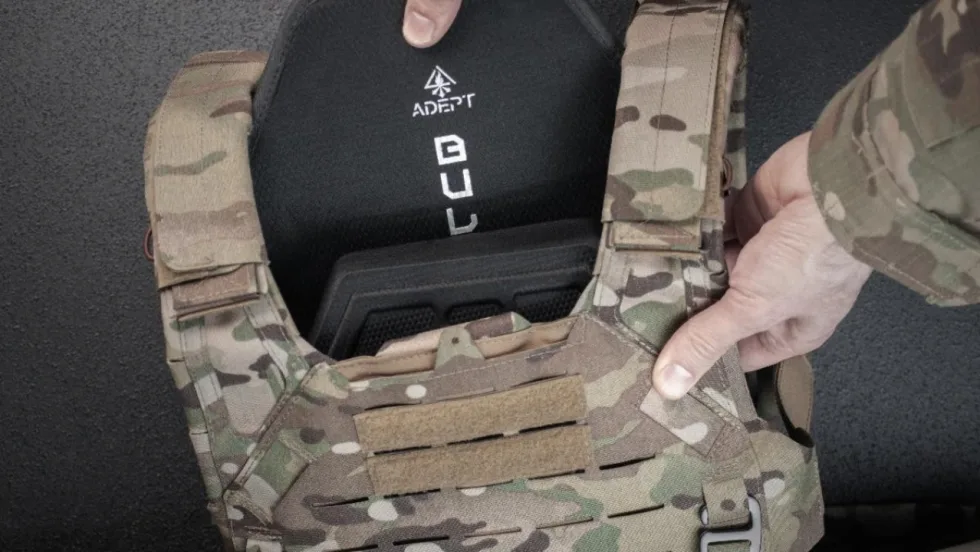
Adept Armor Introduces Two New Rifle Plates
Adept Armor has launched two new Level IV ballistic plates, the Emperor and the Archon Mark 2, which brings Adept Armor’s new Quatroid ceramic to the high-threat, performance-value center of the range at 5.2 pounds.
Read More →
POLICE Product Test: Benchmade Bailout
The Benchmade Bailout is a slim, lightweight carry knife with a deep-ride pocket clip and comes in a variety of blade steels and scales. Here is a detailed review of the Taiga Green Bailout, released earlier this year.
Read More →
NLEOMF Announces July 2026 Officer of the Month
NLEOMF honored a Michigan deputy sheriff as the July 2026 Officer of the Month for rescuing a trapped driver from a burning vehicle following a Fourth of July crash.
Read More →
Streamlight to Showcase Newest Lighting Products at National Safety Council’s Safety Congress & Expo 2026
Streamlight will showcase its latest lights, including the Portable Scene Light III and the LiteBox 1Million, at the 2026 National Safety Council (NSC) Safety Congress & Expo.
Read More →
The 2027 World Police & Fire Games Set for Perth, Australia
The 2027 World Police & Fire Games (WPFG) will take place in Perth, Western Australia, from Friday, March 12 through Sunday, March 21, 2027.
Read More →
5.11 Partners with National Fallen Firefighters Foundation to Support #ForThe343
5.11 has joined the nationwide movement honoring the 343 New York City Fire Department firefighters lost on Sept. 11, 2001.
Read More →
Team Wendy Announces Title Sponsorship of the Jorge Pastore Foundation
Team Wendy’s 3-year partnership with the Jorge Pastore Foundation expands access to programs that strengthen those who serve.
Read More →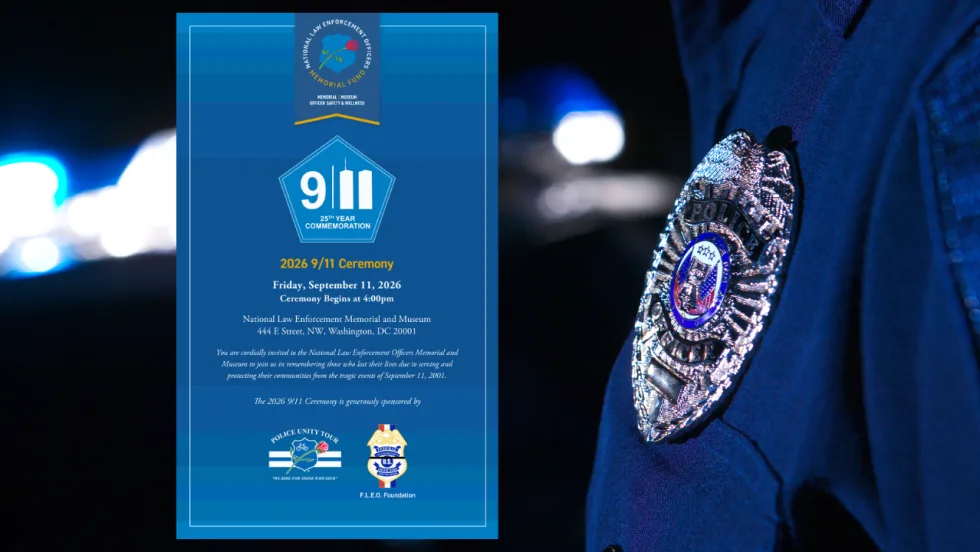
National Law Enforcement Memorial and Museum Hosting 9/11 25th-Year Commemoration Ceremony
The National Law Enforcement Memorial and Museum is hosting a 9/11 25th Year Commemoration Ceremony on Sept. 11 at 4 p.m.
Read More →
National Law Enforcement Officers Memorial Fund Announces June 2026 Officers of the Month
The National Law Enforcement Officers Memorial Fund (NLEOMF) named 15 officers of the Chico Police Department (California) as the Officers of the Month for June 2026 for their roles in responding to an active-shooter incident at a public library.
Read More →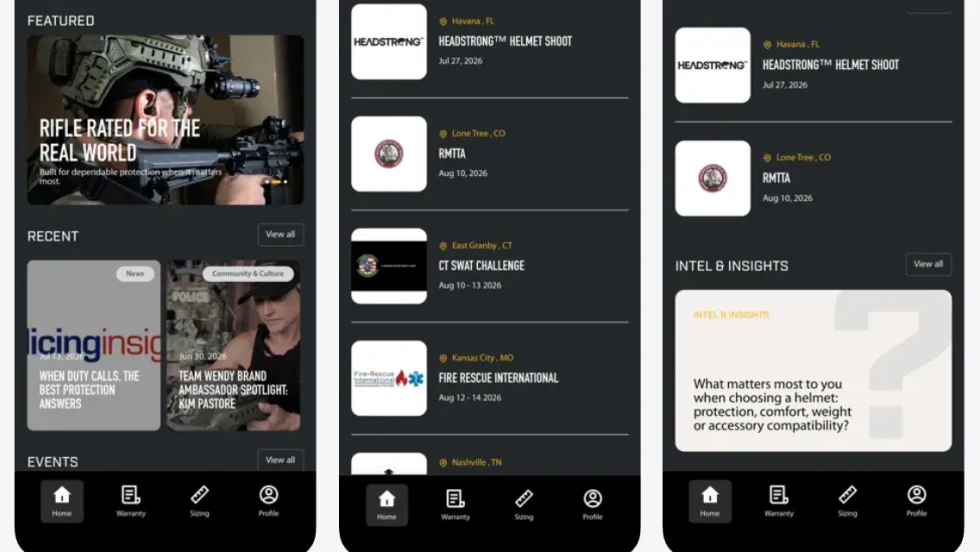
Team Wendy App Creates New Digital Hub for Helmet Owners
The Team Wendy Community App provides one location for warranty registration, size-fit tools, product updates, and community connection. For helmet owners, the new app creates a simpler path to the information and tools that matter most.
Read More →