



Taurus PT1911B Semi-Auto Pistol
The PT1911, like other handguns in the Taurus line, sports a lot of really nice "custom" features, it is made from high-quality components and, best of all, it's affordably priced at around $703. Here's my up close and personal look at this gun.

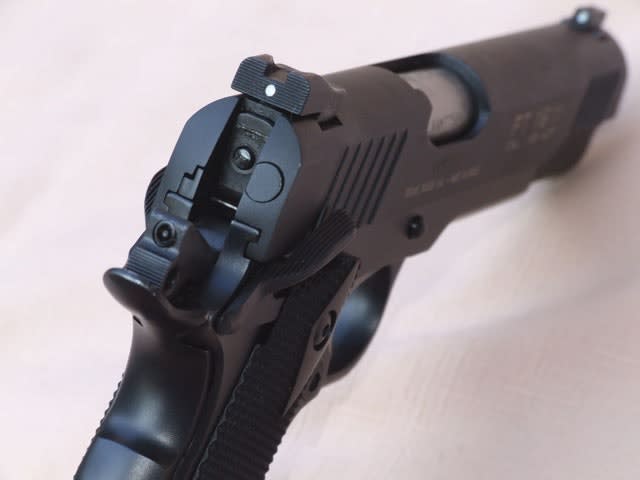
There are few if any handguns that have the mystique of the 1911. Designed by John Browning himself, the 1911 has now served the military and law enforcement for nearly a century, and if a lot of 1911 enthusiasts have their way it will be around another 100 years. So it's little wonder that almost every maker of quality pistols produces a 1911.
One of the newest players in the 1911 market is Taurus International.
Last year, Taurus launched the PT1911 at the SHOT Show. As is often the case, there was a sizable delay between the SHOT debut and the actual delivery of the guns to your local store.
Full of Features
I made arrangements with Taurus to get a sample of a blued (tactical black) PT1911, the PT1911B back at the SHOT Show, but the pistol has been very popular, so it was a few months before it arrived. It was worth the wait.
The PT1911, like other handguns in the Taurus line, sports a lot of really nice "custom" features, it is made from high-quality components and, best of all, it's affordably priced at around $703. Here's my up close and personal look at this gun.
My initial impression of the pistol is that Taurus did a really good job; it has a nice finish. The fit is good and all of the parts move smoothly and function properly.
Still, I had questions. Would this pistol live up to all of the hype? Would it be a good service and competition pistol? The only way to answer these questions was to spend some serious time checking out the beast.
The PT1911B is loaded with features and beautifully machined. It comes with Heinie Sights (specifically designed for Taurus), ambidextrous safety, front and rear cocking serrations, full-length guide rod, a posi-grip grip safety, slightly extended magazine release, and a Commander-style hammer. That may not sound so impressive unless you know 1911s. This list of items sounds like a custom-built 1911 and, in the not too distant past, it was. To customize a stripped-down GI-style 1911 to this level, you'd spend the better part of a thousand bucks, maybe more. Put plainly, the Taurus PT1911B is a really good value.
A checkered front strap and lower trigger guard is standard on the PT1911. The checkering is fine; it feels and looks like 30 lines per inch. Personally, I prefer more aggressive checkering for duty and concealed carry, but many folks think 30 lines per inch is plenty. I will concede that the PT1911's checkering gave me a good purchase when shooting, especially when I was wearing gloves.
Safety First
Fit, finish, and features are not the only reasons that a 1911 enthusiast might want to check out this Taurus. Because 1911s are single-action pistols that are intended to be carried cocked and locked, the mechanical safeties are critical. The PT1911 uses a proprietary firing pin safety that does not involve the trigger like a Colt series 80 safety or the grip safety found on Kimber's 1911s. It seems to work well and I didn't notice the trigger to be mushy or overly heavy; it broke between five and six pounds.
The other safety is Taurus' built-in locking system. This internal safety locks the firing system of the pistol. I know some folks will have issues with this lock, but it works. And even though Taurus has incorporated this internal lock into its pistols for many years, I am not aware of any malfunctions.[PAGEBREAK]
Torture Test
After spending some time examining the PT1911 and assessing its features, I decided that it was a well-designed pistol. OK. It looks good and has some great features. How does it shoot?
Since this is a 1911 and should be able to handle anything, I took it straight to the range right out of the box. I didn't clean it or give it an extra oiling; I just took it out to the range and shot it.
Initially, I ran 230-grain full-metal-jacket ammunition through the PT1911, just to ensure that it was reliable out of the box. I fired more than 100 rounds, and there were no failures to fire, feed, or extract. It was boringly reliable.
After running factory hardball, I figured a good test for the PT1911 would be a mixed bag of ammunition, all reloads. This mix included 230-grain lead round nose, 200-grain lead semi-wadcutters, and 155-grain lead semi-wadcutters. The 155-grain bullets tend to give most factory pistols fits, but the PT1911 never missed a beat and just kept on shooting.
By the time I was done with the pistol's initial testing, I had put more than 500 rounds through it, and it performed remarkably. There wasn't one failure to feed with the exception of a lead reload where the bullet was improperly seated over the lip of the brass. This made for an extra wide .45-caliber bullet that wouldn't fit in the chamber. This is more the author's problem of not paying attention when loading ammunition, not the PT1911's inability to feed it.
The next time out I fed the PT1911 a variety of factory-produced duty and practice ammunition. The ammo selection included 230-grain JHPS from Black Hills, 230-grain Winchester SXTs, 230-grain Gold Sabers from Remington, 230-grain Federal Hi-Shok HPs, 185-grain XTPs from Hornady; and a mix of 230-grain FMJs from Federal, Winchester, Wolf, and UMC. The PT1911 had zero failures to feed, fire, and extract during the firing of more than 500 rounds. And that was with a dirty gun. I hadn't cleaned it after my previous trip to the range.
From a Rest (Sort of)
After firing more than a thousand rounds to test the reliability of the PT1911, I decided that it was time to see how well this $700 pistol can shoot. Since I don't carry a rest on the job, I opted for a field expedient rest: my range bag. This has served me well for nearly a decade, and I was certain it would again.
I loaded the pistol to its capacity of nine (8 plus 1) and fired it supported off my range bag rest at targets set 20 yards down range. The PT1911 proved to be quite accurate, keeping nine-shot groups under three-and-a-half inches.
Now, you may say, "Three-plus inches? That's not that good." But bear in mind that this is nine rounds, and each one of them is nearly half an inch in diameter. Many of the groups had clusters of four and five rounds with a few rounds opening the group up. I felt this was pretty good for my late-forty-something eyes. I am certain a younger, more talented shooter could produce sub-two-inch groups with the PT1911.
Clean Up
After all this shooting, I figured it was time to finally clean the PT1911. Here's the drill.
First, make sure that the pistol is empty. Next, using a bushing wrench—or base of the magazine if you are old fashioned like me—rotate the barrel bushing to the left, and remove the recoil spring plug and recoil spring. Now push the slide to the rear until the slide stop can be removed through the small u-notch in the slide, pull out the slide stop, remove the slide, rotate the barrel bushing to the other side of the slide, and remove the bushing and barrel.
The pistol is now disassembled for cleaning. Use your favorite cleaner and lube on the PT1911 and simply reverse the procedure to reassemble.
Final Thoughts
After shooting the PT1911 for the past few months, I am pleased with it. The only issues I have with this gun are that the grips are too thin for my big hands. To compensate, I have installed standard thickness grips. I also prefer an arched mainspring housing over the flat one on the PT1911. An arched housing simply makes the pistol fit my hand better; and I have installed one for that reason. These are purely personal preferences and do not change my view of the PT1911 out of the box.
Overall, I am truly impressed with Taurus' PT1911. It shoots well, it looks good, all the safeties function properly, and it is affordably priced. So if you are looking for a 1911 for duty or personal use, I'd recommend that you look at the Taurus PT1911.
Taurus is working on light rail versions and alloy frame versions of the PT1911. They should be available late this year or early in 2008.
Scott Smith is a disabled veteran who served as an active-duty Army MP and in the U.S. Air Force Reserve and Air National Guard as a security policeman. He is a contributing editor to POLICE.
More Weapons
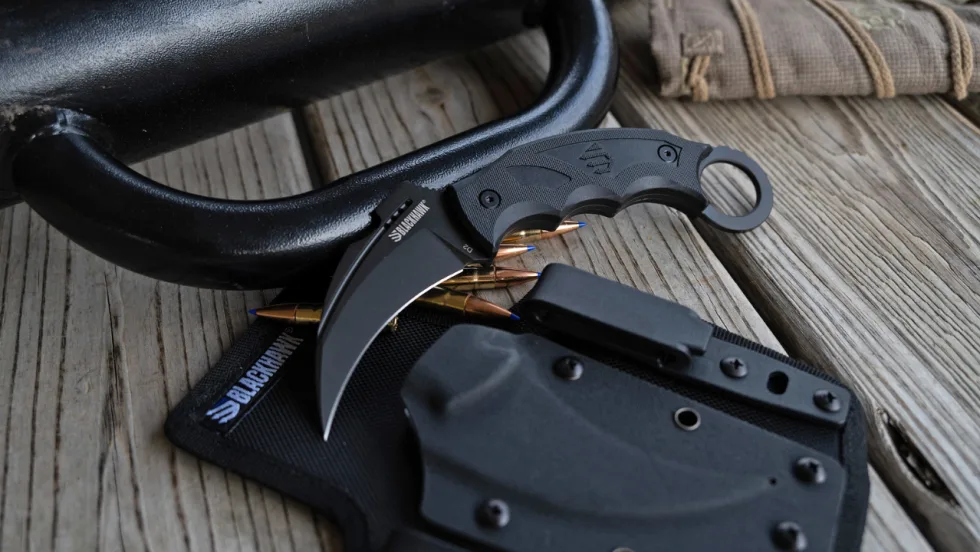
Blackhawk Introduces the Garra Fixed Karambit
The Blackhawk Garra Fixed Karambit is made from D2 steel and features a curved profile that enhances slicing efficiency, plus the full-tang construction ensures strength and durability from tip to handle.
Read More →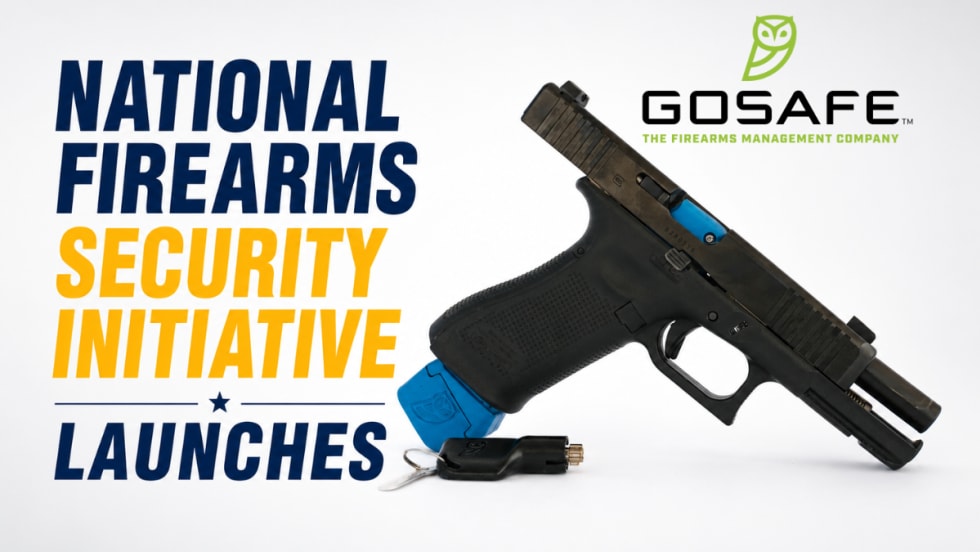
GOSAFE Technology Announces Public Safety Initiative Focused on Firearm Security and Risk Reduction
GOSAFE Technology’s new initiative provides support for agency-level solutions around secure firearm storage, vehicle-storage risks, off-duty firearm security, firearm accountability, and the public safety consequences that may result when firearms are stolen, lost, improperly secured, or diverted from lawful possession.
Read More →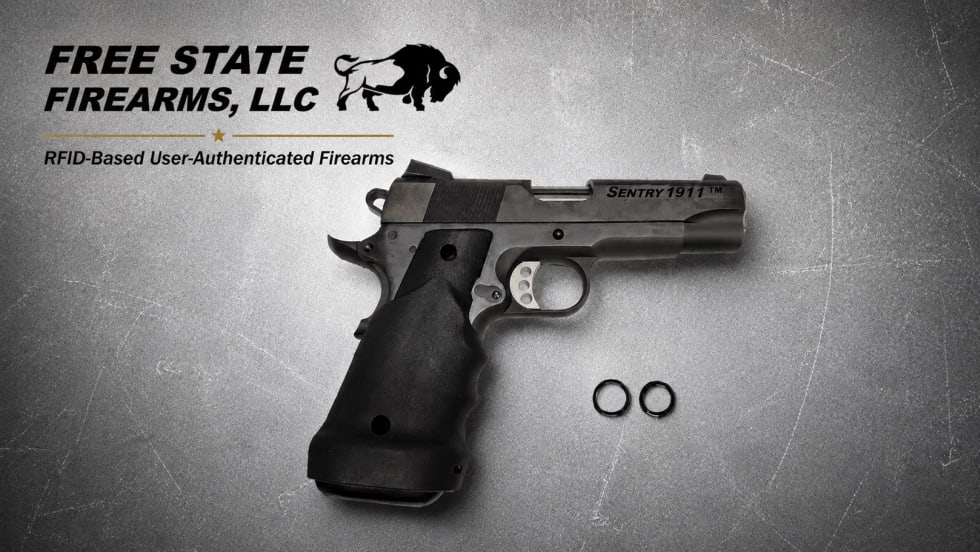
Texas Sheriff’s Office Deploys RFID-Based User-Authenticated Firearm for Prisoner Transport Operations
A sheriff’s office in Texas is now using RFID-based user-authenticated firearms, from Free State Firearms, for prisoner transfer and transport operations.
Read More →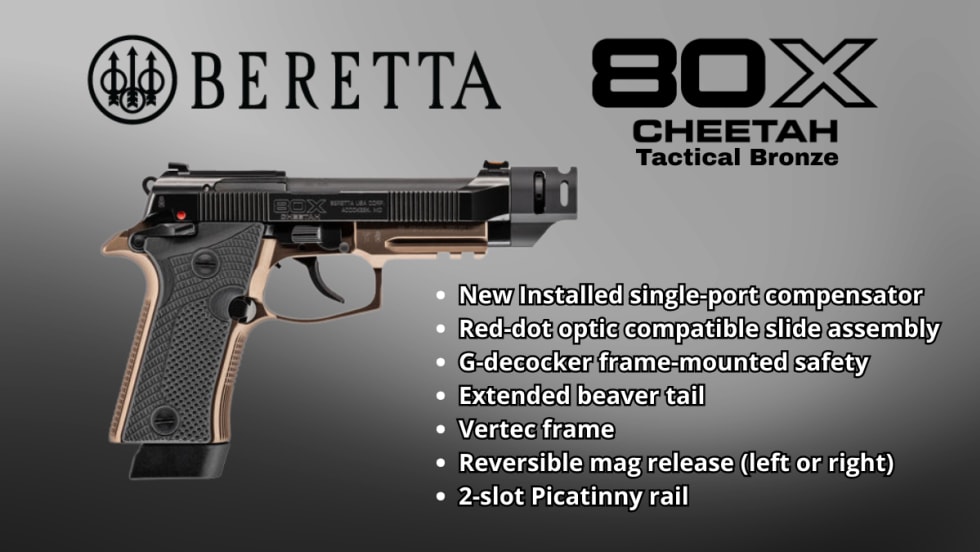
Beretta Introduces the 80X Cheetah Tactical Bronze
Beretta has launched the 80X Cheetah Tactical Bronze, which features a fiber-optic front sight, a serrated rear sight, and a Picatinny rail for accessory mounting, and ships with three 15-round extended magazines.
Read More →
Wrap Raises $5 Million to Restart Domestic Manufacturing & Advance R&D
With new funding, Wrap Technologies will restart domestic manufacturing, advance validated R&D programs into commercialization, and responsibly accelerate early growth initiatives aligned with rising demand for non-lethal response capabilities.
Read More →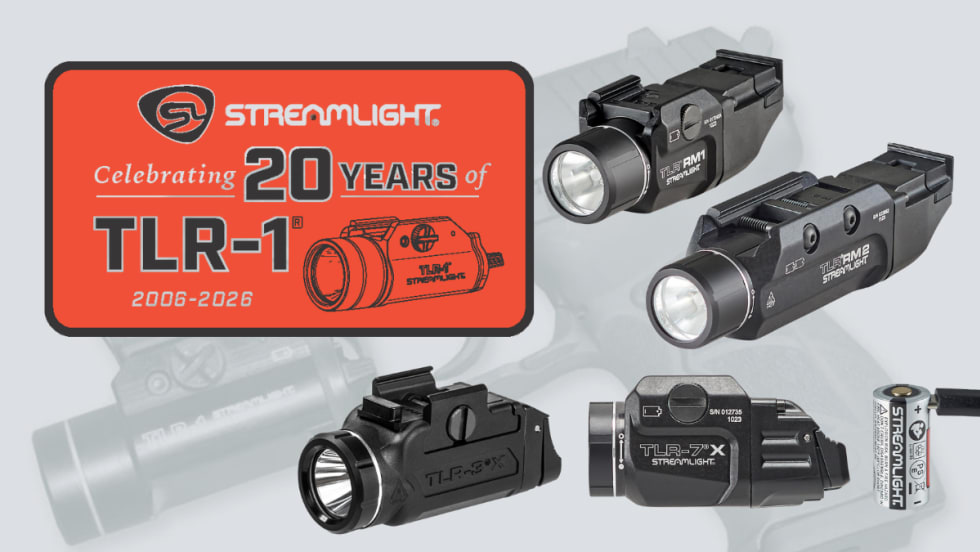
Streamlight Celebrates the 20-Year Anniversary of the TLR Series
This year, Streamlight marks two decades of weapon-mounted lighting innovation with the 20th anniversary of the TLR-1.
Read More →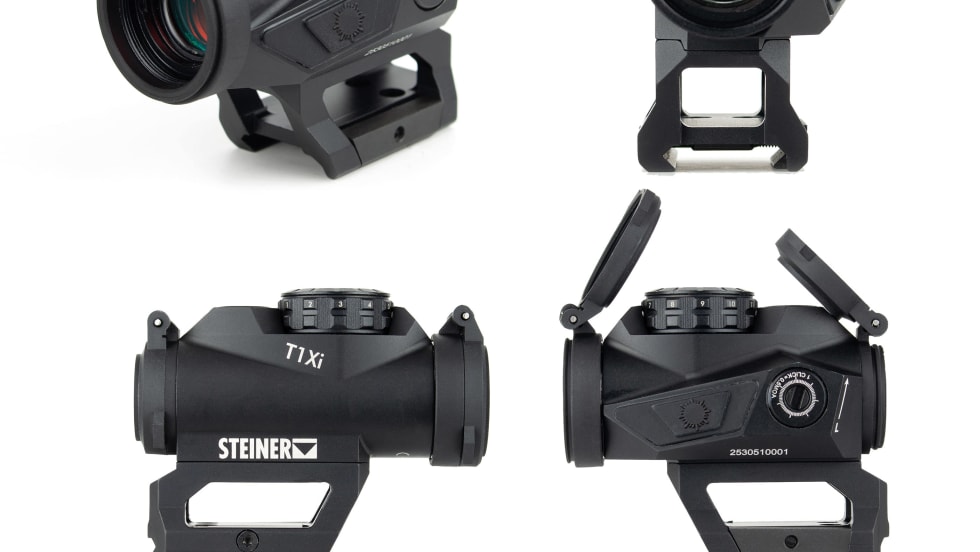
Steiner’s T1Xi Selected as Top Performer in Texas DPS Optic Evaluation
Steiner Optics’ T1Xi was selected as the top-performing red dot in the recent Texas Department of Public Safety optic evaluation.
Read More →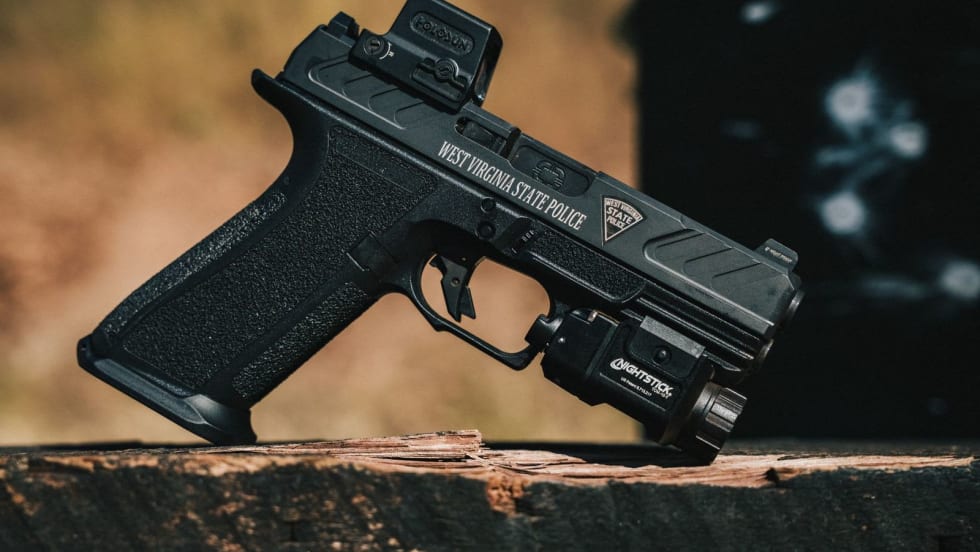
Shadow Systems Selected as Exclusive Pistol Provider for West Virginia State Police
Shadow Systems will provide 700 XR920 crossover pistols for West Virginia State Police troopers and 80 CR920X high-capacity subcompact pistols for the Bureau of Criminal Investigation.
Read More →
Aimpoint Celebrates 50 Years of Innovation and Excellence in Sighting Technology
Aimpoint is marking its 50th anniversary in 2025, celebrating five decades of red dot innovation trusted by military, law enforcement, and tactical professionals worldwide.
Read More →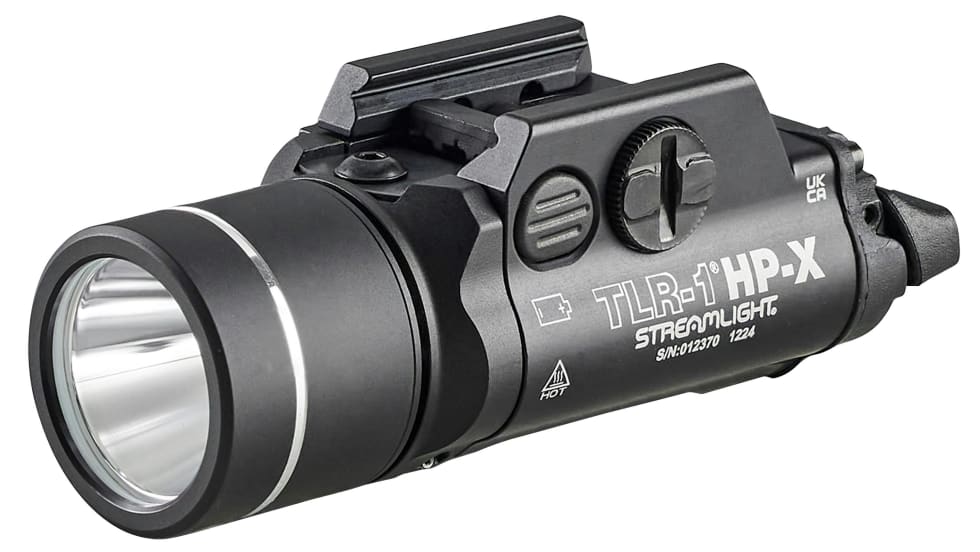
Streamlight Introduces Long-Range Handgun Light
“Our newest weapon light provides an industry-leading level of candela for handguns, giving users enhanced visibility under low light conditions, such as when searching a dark alley,” said Streamlight President Michael F. Dineen.
Read More →