



Snitches Get Stitches
So the federal government tells people to "say something" if they suspect terrorist activities, but the highest-ranking officials in that government vocally disparage anyone who says something and is wrong about their suspicions.

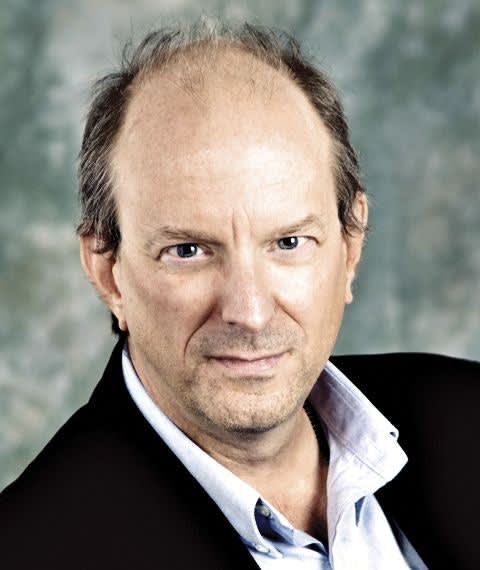
Photo: Kelly Bracken
Standing in the security line last month for my flight to the Shooting, Hunting, and Outdoor Trade (SHOT) Show in Las Vegas, I took notice of the many signs set up to tell people how to conform to TSA regs. There were the usual warnings about weapons, friendly reminders about the size of toiletries that would be allowed, and some bizarrely outdated information about the effects of X-rays on photographic film. And then there was a sign telling everyone to report suspicious behavior that included the government's cheery little slogan of "See Something, Say Something."
Really? We're still giving people this advice when the last thing the government wants you to do is report suspicious behavior? OK. Maybe you can report suspicious behavior if you see people actively staging an attack. But short of that the government will treat people who "say something" the same way gang members treat snitches, and you all know what that means.
Consider the bizarre case of "Clock Kid," as it is a perfect example of what happens when security-minded Americans and law enforcement officers say something about and investigate suspicious behavior. Clock kid sounds like a laughable comic book supervillain, but he's a very real kid named Ahmed Mohamed who last year on Sept. 13 decided to deconstruct an old digital clock, put it inside a pencil box, and bring it to his high school in Irving, TX, the next day.
Clock Kid, who is of Sudanese ancestry and is a Muslim, says he did this to impress his teachers. But his teachers shouldn't have been impressed because any idiot can disassemble a clock and put it in a box. And I guess this is a total coincidence but the thing had a pretty solid resemblance to what most people think of when they think "briefcase bomb," although it clearly did not contain any explosives.
So after seeing this device—which Clock Kid insisted on showing everybody against the better advice of the engineering teacher he wanted to impress—one of his teachers decided to say something about it to her bosses. And that led to the school calling in the police and Clock Kid getting questioned for an hour and a half and handcuffed and the usual drill. And boy did everyone involved in saying something about the suspicious nature of Clock Kid's behavior and his "invention" get stitches.
Clock Kid's family, which has since moved to Qatar, is demanding a $15 million settlement and a public apology from the city of Irving, the police department, and the school system. Worse, the teachers and officers who questioned him and examined his clock who should have been commended for their vigilance have been called bigots and Islamophobes by everyone from celebrities to the president of the United States who invited Clock Kid to the White House.
So the federal government tells people to "say something" if they suspect terrorist activities, but the highest-ranking officials in that government vocally disparage anyone who says something and is wrong about their suspicions. This is an absurd policy, and it is having a chilling effect on anyone who might say something and is costing innocent lives.
One of Syeed Farook's and Tashfeen Malik's neighbors was suspicious about the activities at the couple's home before the San Bernardino Massacre but reportedly chose not to say anything to law enforcement for fear of being condemned for "profiling." That's where we are as a culture. We have become more afraid of being thought racist or Islamophobic than we are of saying nothing and letting bad things happen. Which is the real message of our national leadership when it comes to terrorism. They don't want people to say anything that might be construed as profiling no matter how many people die as a result.
We as a nation are expected to accept that it's better to die than be politically incorrect. We are in the same position as that of the residents of a gang-plagued neighborhood who know they had better not report any criminal activity to the police—even if they are the victims of the crime—because the retaliation by the gang members will be multiple times worse than the original offense. Such "snitches get stitches" intimidation makes the jobs of officers investigating gang crimes extremely difficult. And the federal government's and the popular media's condemnation of anyone who might say something about the truly suspicious behavior of people who happen to be Muslim puts us all at risk and makes law enforcement's counter-terrorism efforts much less effective.
More Patrol
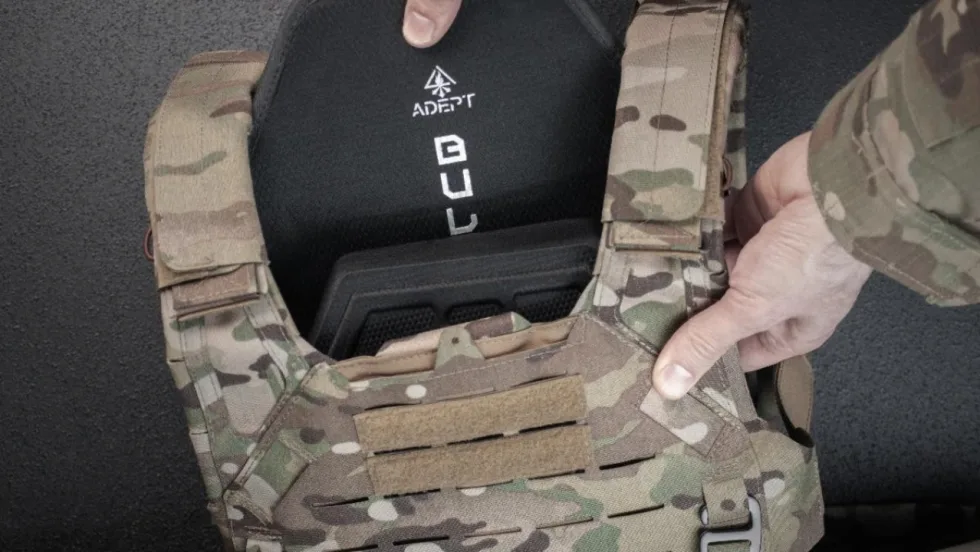
Adept Armor Introduces Two New Rifle Plates
Adept Armor has launched two new Level IV ballistic plates, the Emperor and the Archon Mark 2, which brings Adept Armor’s new Quatroid ceramic to the high-threat, performance-value center of the range at 5.2 pounds.
Read More →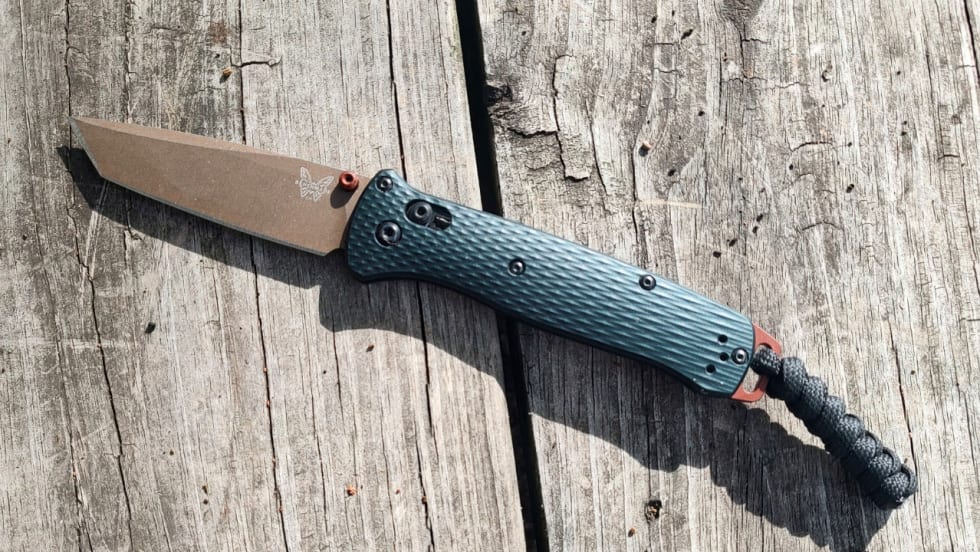
POLICE Product Test: Benchmade Bailout
The Benchmade Bailout is a slim, lightweight carry knife with a deep-ride pocket clip and comes in a variety of blade steels and scales. Here is a detailed review of the Taiga Green Bailout, released earlier this year.
Read More →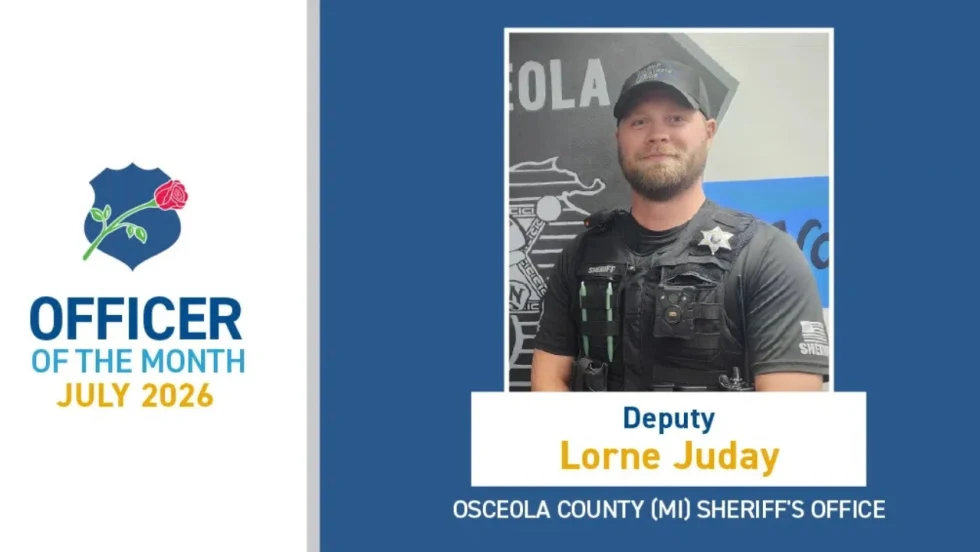
NLEOMF Announces July 2026 Officer of the Month
NLEOMF honored a Michigan deputy sheriff as the July 2026 Officer of the Month for rescuing a trapped driver from a burning vehicle following a Fourth of July crash.
Read More →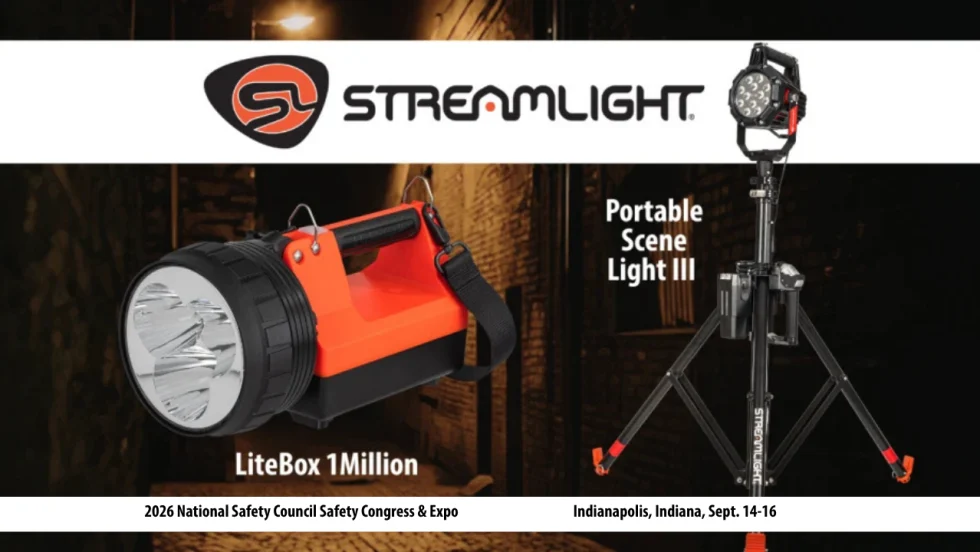
Streamlight to Showcase Newest Lighting Products at National Safety Council’s Safety Congress & Expo 2026
Streamlight will showcase its latest lights, including the Portable Scene Light III and the LiteBox 1Million, at the 2026 National Safety Council (NSC) Safety Congress & Expo.
Read More →
The 2027 World Police & Fire Games Set for Perth, Australia
The 2027 World Police & Fire Games (WPFG) will take place in Perth, Western Australia, from Friday, March 12 through Sunday, March 21, 2027.
Read More →
5.11 Partners with National Fallen Firefighters Foundation to Support #ForThe343
5.11 has joined the nationwide movement honoring the 343 New York City Fire Department firefighters lost on Sept. 11, 2001.
Read More →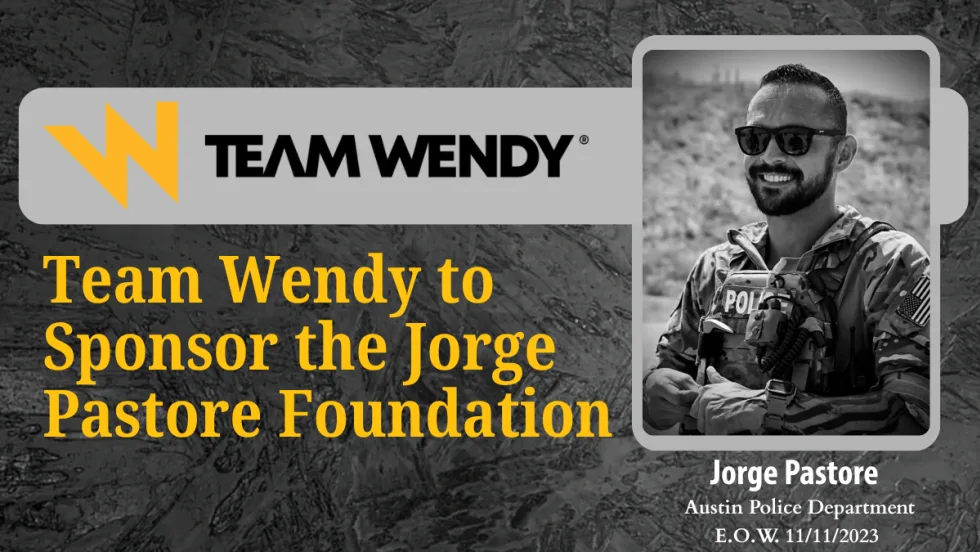
Team Wendy Announces Title Sponsorship of the Jorge Pastore Foundation
Team Wendy’s 3-year partnership with the Jorge Pastore Foundation expands access to programs that strengthen those who serve.
Read More →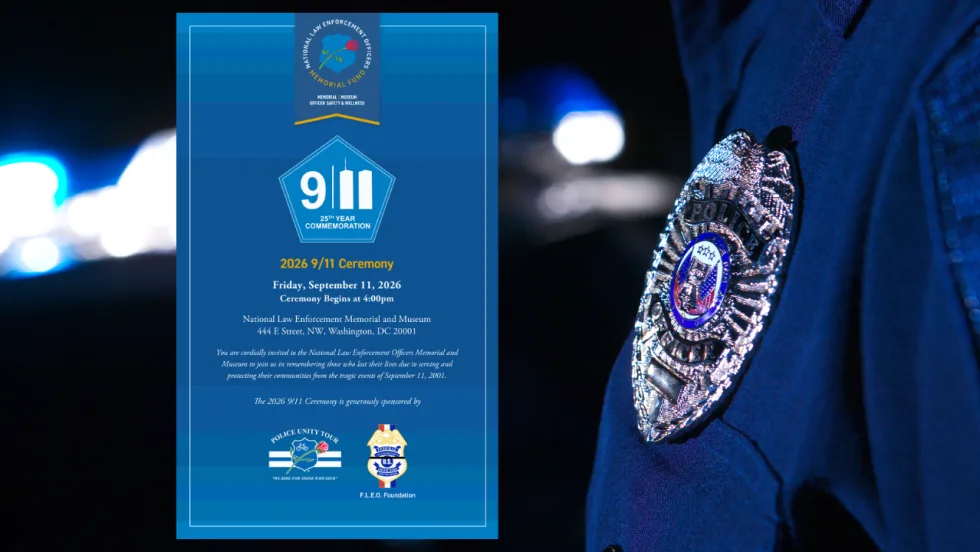
National Law Enforcement Memorial and Museum Hosting 9/11 25th-Year Commemoration Ceremony
The National Law Enforcement Memorial and Museum is hosting a 9/11 25th Year Commemoration Ceremony on Sept. 11 at 4 p.m.
Read More →
National Law Enforcement Officers Memorial Fund Announces June 2026 Officers of the Month
The National Law Enforcement Officers Memorial Fund (NLEOMF) named 15 officers of the Chico Police Department (California) as the Officers of the Month for June 2026 for their roles in responding to an active-shooter incident at a public library.
Read More →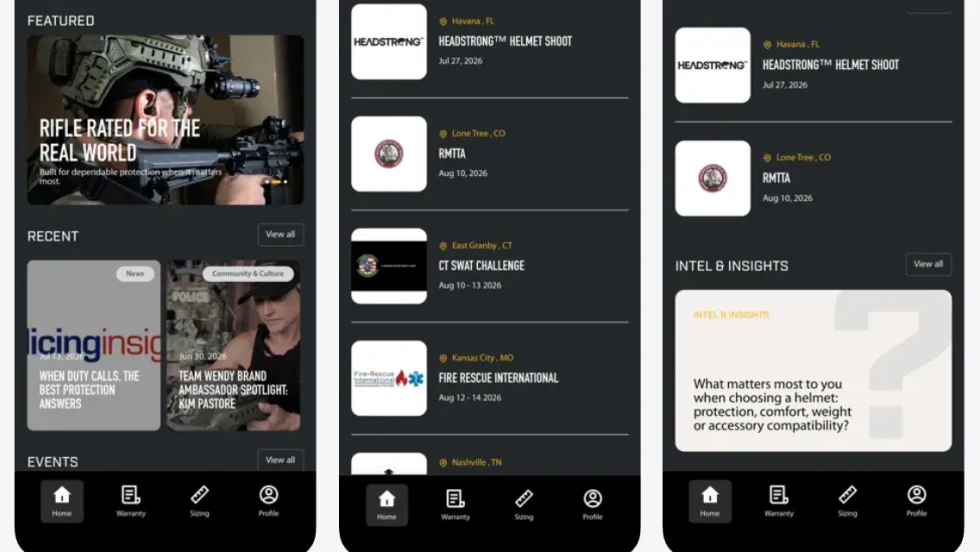
Team Wendy App Creates New Digital Hub for Helmet Owners
The Team Wendy Community App provides one location for warranty registration, size-fit tools, product updates, and community connection. For helmet owners, the new app creates a simpler path to the information and tools that matter most.
Read More →