



Smart Phone Apps: Extra Features
Today we throw around the term "smartphone" with emphasis on the "phone" part of the word. But our real attention should be paid to the "smart." The processing power of these devices and their capabilities go far beyond cellular telephony. And manufacturers of law enforcement technology products have taken notice.

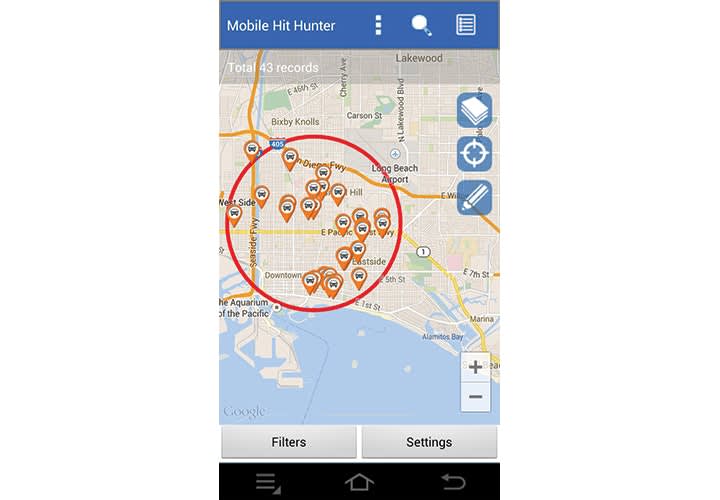
Vigilant Solutions' Mobile Companion app includes Mobile Hit Hunter, which helps officers pinpoint the locations of target vehicles.
In June we will see the 10th anniversary of the introduction of the Apple iPhone, the world's first practical smartphone. Apple was quickly challenged in the market by the Android operating system, and smartphones proliferated to the point they are now essential tools in 2017.
Today we throw around the term "smartphone" with emphasis on the "phone" part of the word. But our real attention should be paid to the "smart." The processing power of these devices and their capabilities go far beyond cellular telephony. And manufacturers of law enforcement technology products have taken notice.
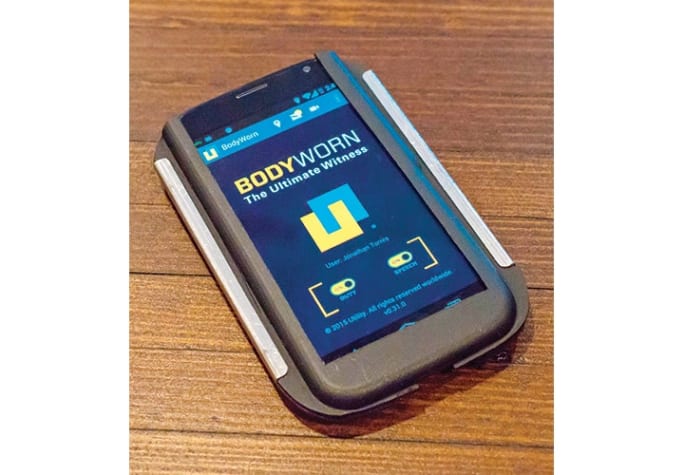
Utility's Smart Scene 360 app lets BodyWorn users capture a 3D digital model of a scene to review later in virtual reality.
"We view a smartphone as a very powerful mobile computing device with great cameras and great sensors that happens to run a voice calling application," says Robert McKeeman, CEO of Utility, which makes the BodyWorn evidence capture system.
The mobile computing power of smartphones is now being used to enhance the capabilities of numerous law enforcement tools through apps. Most people when they hear the word "app" think of Candy Crush or some little informational widget, but an app is really any piece of software that runs on a mobile OS such as Android or iOS. And there are apps that complement extremely sophisticated law enforcement technologies and some that even operate those technologies.
Video Evidence Capture
A number of body-worn and in-car video system makers have produced apps that allow users to review and manage evidence captured by their systems. The evidence is not altered in the process, and the chain of custody is maintained.
Digital Ally (www.digitalallyinc.com) makes VuVaultGo, an Android or iOS version of its VuVault evidence management system. VuVault lets agencies view, store, and copy evidentiary video files captured on the company's in-car or body-worn systems. The data can be stored on local servers or in the cloud. The VuVaultGo app allow officers with permission to do so to manage evidence in the field, quickly play back video, and add notes.
TASER (www.taser.com) offers two apps for use with its evidence capture and management systems. Axon View lets users stream live video from Axon cameras, play back recorded video, and add GPS information to evidence files. TASER's Evidence Mobile app lets users capture still photos and record audio and/or video with a smartphone and import it to TASER's evidence management and storage platform Evidence.com. Both of these apps are available for Android and iOS.
WatchGuard Video (www.watchguardvideo.com) calls its evidence management system for its in-car and on-body cameras Evidence Library. This storage and management tool can be accessed through a desktop, laptop, or mobile device and offers local and cloud storage options. Users can play back and share video over their smartphones using Evidence Library.
Even though many evidence capture systems have apps, no other relies as much on the smartphone as the BodyWorn system from Utility (www.bodyworn.com). This system uses software running on an Android smartphone to leverage the camera, the sensors, and the processing power of the mobile device to create an officer-worn video solution.
Agencies subscribe to the BodyWorn solution. The subscription covers all the BodyWorn hardware and software, including Android smartphones, 4G vehicle routers, other necessary hardware, and software. In addition to the application software for the camera, Utility supplies evidence management and auto-redaction software. Subscribers also receive at no additional charge new capabilities the company develops. These are loaded into the Android system as apps.
At the International Association of Chiefs of Police Show in October, Utility announced the launch of a crime scene documentation app for the BodyWorn solution. The app, called Smart Scene 360, allows users to capture a 3D digital model of a scene for later review in virtual reality.
Utility CEO McKeeman says the company plans to add new features as Android apps to the BodyWorn solution. "Adding new capabilities in software is so much different than doing it in hardware. With hardware you have six months to a year of design and then a cycle of production. Software can be quickly updated."
LPR and Facial Recognition
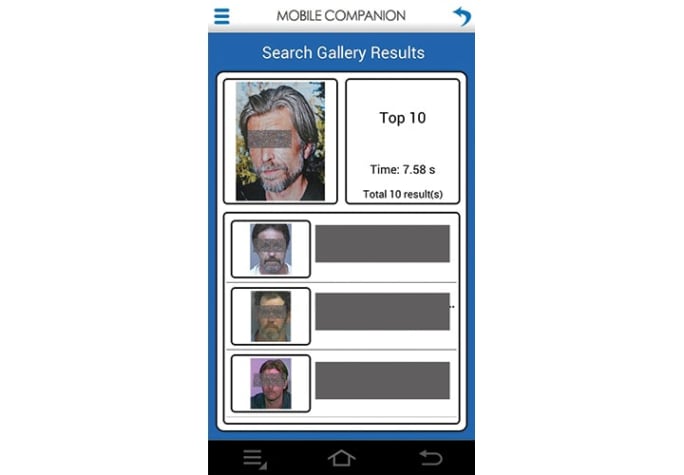
Vigilant Solutions' facial recognition feature
Like evidence capture systems, license plate recognition systems and facial recognition
systems require computer processing power and sharp imagery. So the camera and
CPU of a smartphone can be exploited to give officers these capabilities in their hands and not just in their cars.
One LPR and facial recognition technology company that has produced a smartphone app that complements its in-car and desktop tools is Vigilant Solutions (www.vigilantsolutions.com). The company's Mobile Companion app puts facial recognition and LPR capability in the user's pocket.
Tom Joyce, Vigilant Solutions' VP of business development, says officers can use Mobile Companion to capture photos of people and license plates and query databases to gain information. "We've had officers use the Mobile Companion facial recognition capabilities to identify subjects they are speaking with in the field. Sometimes the subject doesn't have an ID or the officer has reason to believe the ID carried by that person is false," Joyce says.
Joyce is a retired NYPD detective and when you speak with him about Mobile Companion's LPR capabilities, you can tell he wishes this tool had existed when he was on the job. He is especially keen on a feature called Mobile Hit Hunter.
Mobile Hit Hunter lets an officer set up a two- or five-mile territory. Operating on foot or in a vehicle, the officer can check out the area for the presence of vehicles on the hot list or a specific target vehicle during the last 60 days and in real time. Mobile Hit Hunter will show the officer the exact location of the target vehicle and mark a path to it. "Instead of waiting for them to come to you, you can take a proactive approach," Joyce says. "One user said this was like 'shooting fish in a barrel.'"
Mobile Hit Hunter is just one example of tools produced in what Joyce calls Vigilant Solutions' "agile" software development environment. He says the company's mobile app will likely be enhanced soon. "Mobile Companion is constantly evolving. The app could be very different in six months with new features added and perhaps other features removed because customers say they are not using them," Joyce says.
Radios
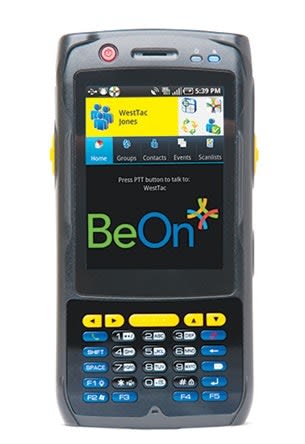
One of the first apps to complement law enforcement technology was BeOn, a Harris (www.harris.com) product that added push-to-talk police radio capabilities to a smartphone. BeOn was developed so it could be used in a pinch when radios fail. It also lets officers listen to their agencies' radio traffic or contact fellow officers when they are outside of their radio networks.
Motorola (www.motorolasolutions.com) also offers a police radio app called Broadband PTT. It also works with tablets, and even laptop and desktop PCs. Broadband PTT integrates with Astro 25 systems via Motobridge radio gateways.
Pryme Radio Products (www.pryme.com) recently developed the BT-PTT-Mini, a low-cost wireless PTT all-in-one package that turns a smartphone or tablet into a PTT device when used with walkie-talkie mobile apps like Zello.
Speed Enforcement
Traffic enforcement technology is another class of tools where some manufacturers are looking for ways to complement their systems with mobile apps. For example, Laser Technology's TruSpeed laser enforcement units sync over Bluetooth with an iOS/Android app called SpeedCapture.
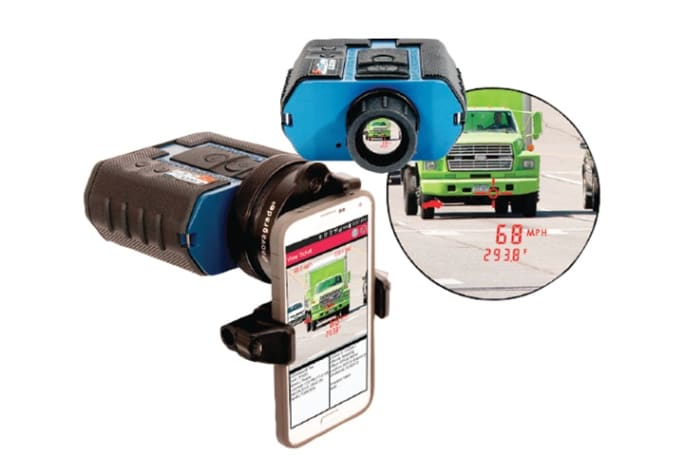
Laser Technology's SpeedCapture app collects vehicle images as well as time, speed, and distance data.
Laser Technology's SpeedCapture app collects vehicle images as well as time, speed, and distance data. This violation data is embedded into the photo as seen through the laser device's seven-power scope, which can also capture evidence of distracted driving and of seat belt use violations.
Photos taken by the SpeedCapture app are saved on the smartphone's photo album and later transferred to evidence storage. Downloaded records are organized by officer name, date, and time so that they can be easily accessed when needed for court.
Note: Officers should be aware that using their personal digital devices for duty operations can result in serious legal complications. The devices can be taken into custody as evidence and held for months. Also, attorneys can argue that everything on the officer's personal phone is now discoverable.
More Technology
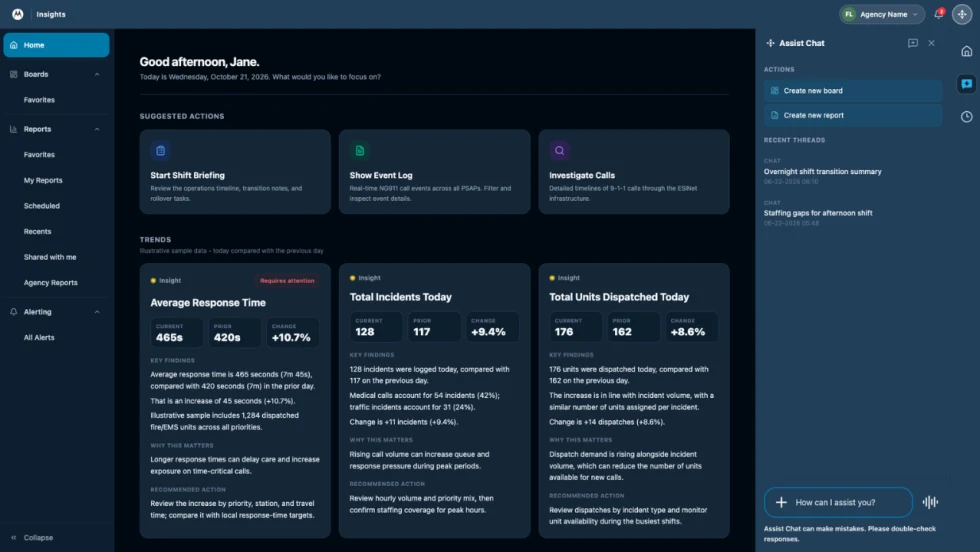
How Motorola Solutions’ New “Insights” Platform Helps Public Safety Agencies Identify Trends to Improve Their Operations
Motorola Solutions has introduced Insights, which leverages Assist, its mission-critical artificial intelligence (AI), to address these challenges and shape what’s next for public safety analytics and reporting technology.
Read More →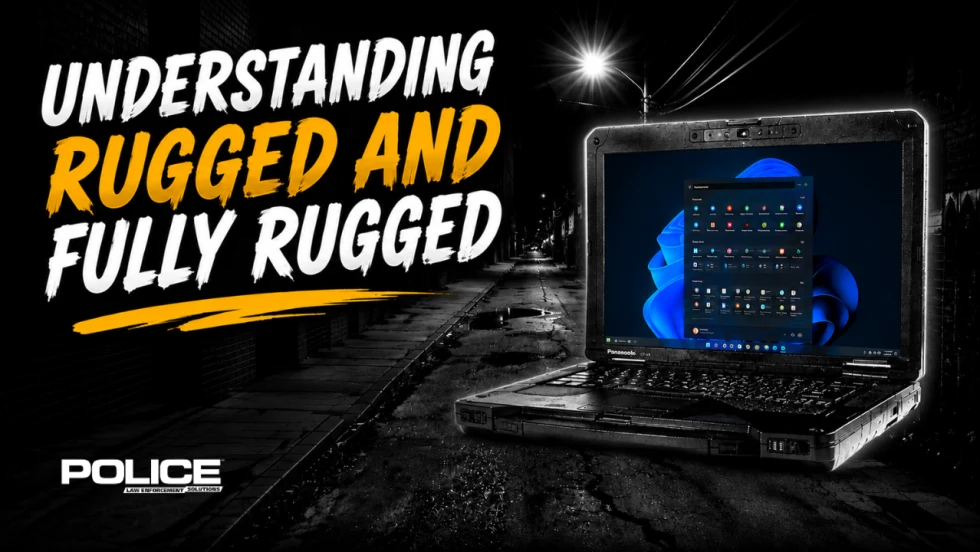
What Qualifies a Laptop as Rugged or Fully Rugged?
Police officers face a wide range of working conditions that can damage or even destroy a regular consumer laptop. Learn what qualifies a computer as rugged or fully rugged and why those devices are vital for law enforcement.
Read More →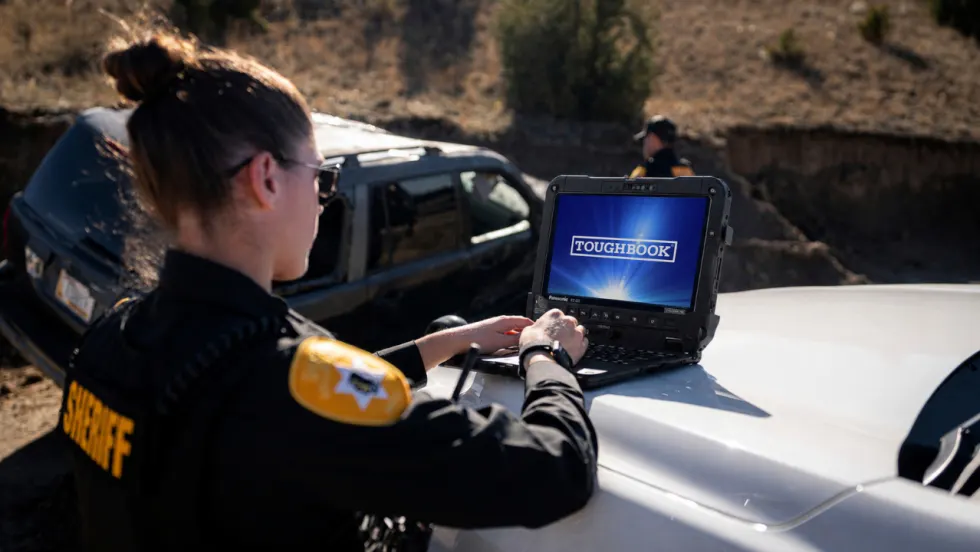
Panasonic Connect Launches the Toughbook 34 and Toughbook G3, Fully Rugged 2-in-1 Mobile Computers
Panasonic Connect has launched the Toughbook 34 and Toughbook G3 to facilitate in-vehicle dispatch, records management, and mobile command operations from any location.
Read More →
A police agency's guide to data-driven fleet management
Costs are rising and the public expects more transparency into how their tax dollars are spent. This e-book shows how police agencies can use fleet data to take control of fleet expenses while improving officer safety and demonstrating fiscal responsibility to the communities they serve.
Read More →
AI and analytics for law enforcement: Turning data into insights
Law enforcement agencies are managing more video, sensor data and digital evidence than ever before. Discover how AI and analytics can help turn that data into actionable insights that strengthen situational awareness, accelerate investigations and support more informed decisions.
Read More →
Vasco Electronics Adds Automatic Language Detection to Vasco Translator Q1
Vasco Electronics’ software update introduces hands-free language switching and expanded offline translation across 45 language pairs, empowering law enforcement, healthcare, and front-office enterprise teams
Read More →
North Miami Police Department Deploys Mark43
The North Miami Police Department has deployed Mark43 as part of its Five-Year Strategic Plan that represents its collective vision and goals for a more proactive police department, anchored by a core commitment to leveraging modern technology to enhance efficiency and public safety.
Read More →
Cellebrite Genesis for Enterprise Now Generally Available
Made available to the public sector in June, Cellebrite Genesis is serving a growing mix of national, regional, and local agencies worldwide, including some of the largest regional and metropolitan police departments. It is now available for enterprise organizations.
Read More →
2026 Vision FirstNet Users Summit to Host Emerging Leaders Training on Grassroots Advocacy for Public Safety
“Emerging Leaders Training: Understanding the Importance of Grassroots Advocacy for Public Safety," a session during the 2026 Vision FirstNet Users Summit, will offer a roadmap for unified advocacy at the federal level.
Read More →
Motorola Solutions Completes Acquisition of D-Fend Solutions
Motorola Solutions has acquired D-Fend Solutions, an industry leader in counter-drone technology. This deal provides public safety and enterprise customers with access to advanced counter-unmanned aerial systems.
Read More →