



Scene Management
By remembering and practicing a few little techniques, we can keep crime scenes as clean as a rookie’s uniform.

Crime scene management is always a hot topic in police work. And as patrol officers, crime scenes are something we see every day and handle as many times as the wind causes alarms to go off. Let’s face it, crime scenes are a common occurrence for any police department.
But like anything else handled on a daily basis, we can get a bit complacent in how we treat crime scenes. This can lead to unknowingly contaminating the scene, which can hinder the prosecution of a case and more importantly create needless officer safety risks. However, by remembering and practicing a few little techniques, we can keep crime scenes as clean as a rookie’s uniform.
So here’s a little review for all of us on crime scene management.
1. Protect the Scene. This is the easiest and most important thing you can do to preserve your crime scene. Simply limiting the traffic through your scene will help keep it in the same condition as when you arrived, thus preserving clues and evidence located inside.
Protecting the crime scene doesn’t just mean keeping people out, it can also mean protecting your scene from the elements such as rain, wind, heat, or snow. Weather can wreck a crime scene quicker than the officers walking through it. Use the crime scene tape in your patrol car, and get a little ingenious on how you deal with the elements. Some time this may mean collecting the evidence quicker than you would like.
2. Keep it Clean. Admittedly, crime scenes aren’t the cleanest of places, but do your best to preserve the evidence as you found it. When you collect evidence, avoid throwing it all into one bag or putting two or more pieces of evidence into one container. This can cause the trace evidence (such as hairs, body fluids, or fibers) on these items to transfer or mix inside the bag. It may not seem like a big deal at the time, but you can bet the defense lawyer will throw a fit about it later.
Also, make sure you don’t contaminate the evidence by not wearing gloves. It’s the easiest way to keep your evidence clean.
3. Document Everything. Anything at a crime scene may be important. No one really knows what piece of evidence may be crucial to a case until the investigation is well underway. Even if you think something is insignificant, write it down. Even the lack of an item at the crime scene can be a significant break in a case. If you document everything you see at the initial scene, this won’t be an issue later in court.
4. Take Plenty of Photos. You’ve heard the expression “A picture is worth a thousand words,” right? Well, that guy certainly knew his crime scenes.
Photos are invaluable in documenting what a scene looked like. Take photos of the scene before you move or touch anything. You want to document it just as it was before you disturbed it. Take individual photos of any items that appear to be significant when you arrive. Once you leave the scene, take a few photos of what the area looked like after you left. This can also help you to remember to collect items you would have normally forgotten.
5. Protect Yourself. This is the most forgotten area of crime scene management. If nothing else, protect yourself at all costs. This means using all the protective gear you can. The easiest to use and most commonly forgotten protective items are gloves. As we discussed earlier, gloves can help protect the evidence from contamination but, more importantly, they can protect you from hazardous material at the scene. Any time you have to handle a crime scene, you should be gloved up. It’s simple and very effective.
With a little preparation, crime scene management can be much easier on both patrol officers and detectives alike. A little review of proper crime scene management can go a long way toward keeping your crime scene and yourself clean and protected.
More Patrol

The First Responders Children’s Foundation National First Responders Day Roll Call of Heroes Ceremony Returns to Times Square, NYC
First Responders Children’s Foundation (FRCF), in collaboration with T-Mobile, will host the Roll Call of Heroes ceremony in Times Square to commemorate National First Responders Day on Wednesday, Oct. 28. During the event, FRCF will present 18 Hero Awards.
Read More →
Streamlight to Showcase Newest Lighting Products for Law Enforcement Professionals at IACP 2026
Streamlight will showcase its newest lights for law enforcement at the International Association of Chiefs of Police Annual Conference & Expo. Featured lights will include the TLR-3 X, the PolyTac 1X, and more.
Read More →
Streamlight Portable Scene Light III Wins 2026 OH&S New Product of the Year Award
Streamlight’s Portable Scene Light III has won the 2026 Occupational Health & Safety (OH&S) New Product of the Year Award in the Lighting category.
Read More →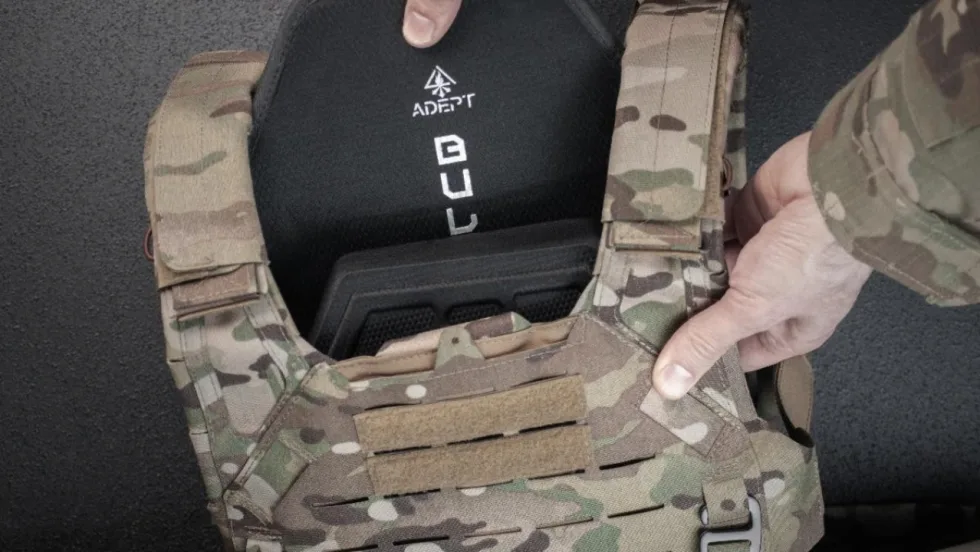
Adept Armor Introduces Two New Rifle Plates
Adept Armor has launched two new Level IV ballistic plates, the Emperor and the Archon Mark 2, which brings Adept Armor’s new Quatroid ceramic to the high-threat, performance-value center of the range at 5.2 pounds.
Read More →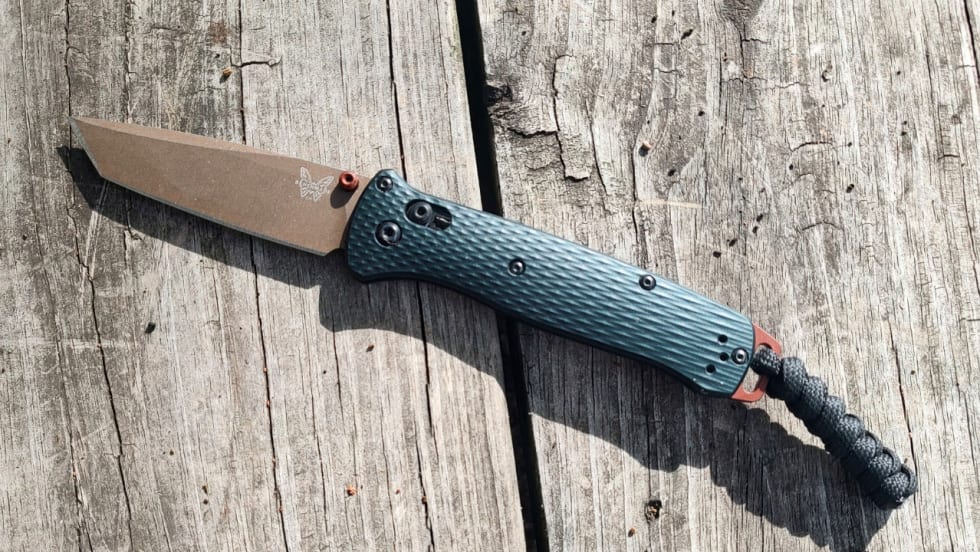
POLICE Product Test: Benchmade Bailout
The Benchmade Bailout is a slim, lightweight carry knife with a deep-ride pocket clip and comes in a variety of blade steels and scales. Here is a detailed review of the Taiga Green Bailout, released earlier this year.
Read More →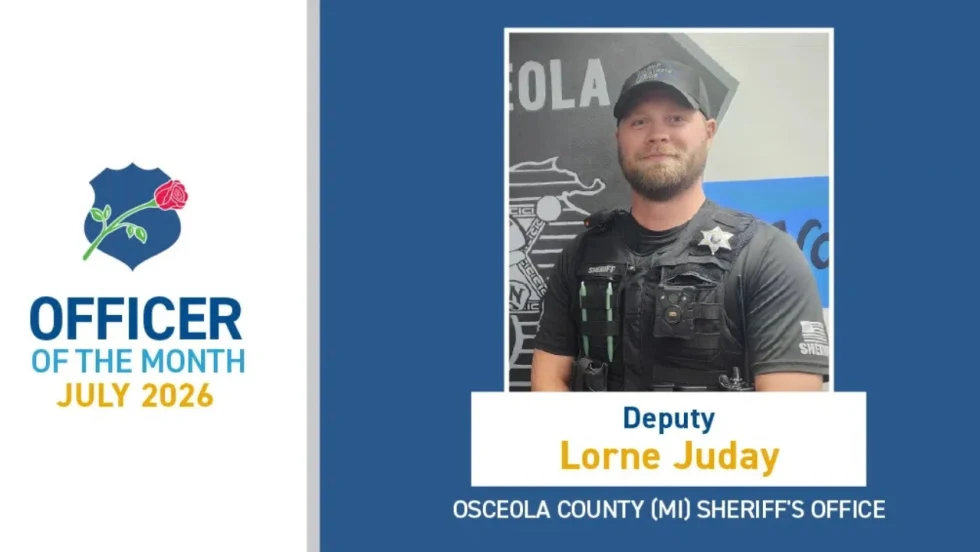
NLEOMF Announces July 2026 Officer of the Month
NLEOMF honored a Michigan deputy sheriff as the July 2026 Officer of the Month for rescuing a trapped driver from a burning vehicle following a Fourth of July crash.
Read More →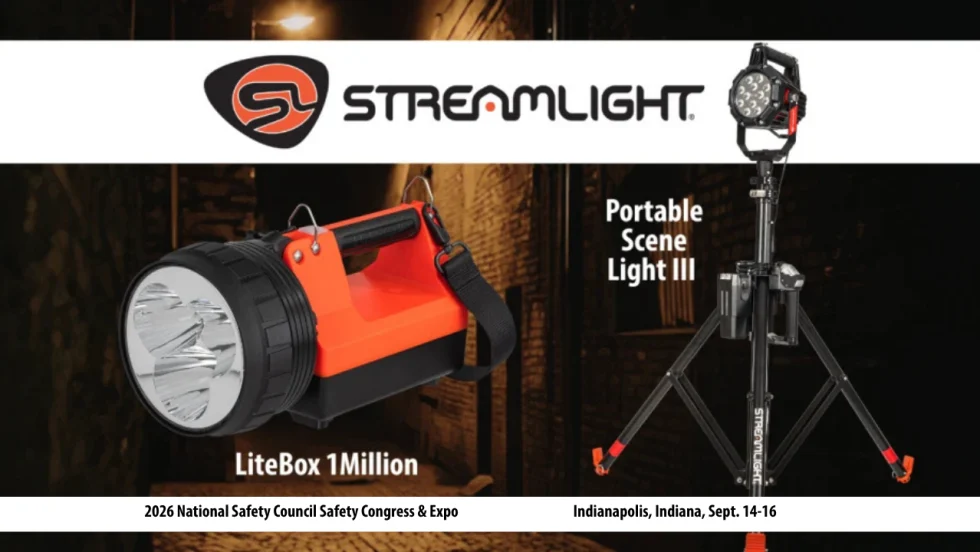
Streamlight to Showcase Newest Lighting Products at National Safety Council’s Safety Congress & Expo 2026
Streamlight will showcase its latest lights, including the Portable Scene Light III and the LiteBox 1Million, at the 2026 National Safety Council (NSC) Safety Congress & Expo.
Read More →
The 2027 World Police & Fire Games Set for Perth, Australia
The 2027 World Police & Fire Games (WPFG) will take place in Perth, Western Australia, from Friday, March 12 through Sunday, March 21, 2027.
Read More →
5.11 Partners with National Fallen Firefighters Foundation to Support #ForThe343
5.11 has joined the nationwide movement honoring the 343 New York City Fire Department firefighters lost on Sept. 11, 2001.
Read More →
Team Wendy Announces Title Sponsorship of the Jorge Pastore Foundation
Team Wendy’s 3-year partnership with the Jorge Pastore Foundation expands access to programs that strengthen those who serve.
Read More →