



Rethinking Traffic Stop Interrogations
Every year there are newspaper and television accounts of police officers who've made life-threatening mistakes and found themselves being dragged by automobiles. With proper training, mental preparation, and a little common sense, you can avoid many of these scenarios and take your suspects into custody without incident.


Every year there are newspaper and television accounts of police officers who've made life-threatening mistakes and found themselves being dragged by automobiles. In many of these situations, the patrol officer was attempting to make an arrest or requesting consent to search. Unlike felony traffic stops where officers engage known threats, practically all of these encounters were considered routine violations and things happened spontaneously.
With proper training, mental preparation, and a little common sense, you can avoid many of these scenarios and take your suspects into custody without incident. Exercising layperson psychology is the key to defusing potentially dangerous encounters. You have to be wiser than the folks you deal with. Mental preparation is paramount.
Uncontrollable adrenaline rushes have the ability to cloud the mind and compel people to do weird and desperate things. Some experts categorize this as the "fight or flight" syndrome. The hopelessness felt by detainees who face being cuffed, incarcerated, and deprived of their freedom can strike panic. Over the course of time, countless perpetrators who otherwise would be released, fined, or slapped on the wrist by our court systems refuse to comply. As a result, hundreds of peace officers lose their lives in the line of duty over petty misdemeanors.
Smitty's Wild Ride
On one sweltering July afternoon in 1995, I became witness to such an event that nearly claimed the life of a fellow officer. During my rookie year, my partner, nicknamed Smitty, pulled over an older model Ford with no license plates. Smitty enjoyed working drug interdiction and his natural intuitions usually paid off.
I was in the general vicinity, so it only took me a few minutes to respond. When I arrived, Smitty confided that he wanted to take a closer look at this vehicle. Together, we made a textbook approach, fanning out on both sides of the faded Maverick. When my partner asked the young, longhaired driver for his license, insurance, and registration papers, the man's hands shook so profusely that we immediately sensed something was wrong. I observed a teenage girl sitting on the passenger's side whose composure wasn't what it should be, either. Her fingers trembled as she brushed her blond hair away from her right ear.
After retrieving the necessary paperwork, we returned to Smitty's patrol car to run the driver's license. Throughout, we were both equally sure the vehicle's occupants were in possession of something illicit.
While I might have been a rookie, I'd logged more hours as a reserve officer than anyone else in the department, many of which had been spent riding with Smitty. Over the course of time, a mutual trust had developed between us. We'd developed a routine wherein one of us stood guard while the other probed for hiding places in vehicle searches.
In due time, the county dispatcher advised us via the radio that our subject had negative warrants. Smitty still had the man's license in his hand when he re-approached and asked the pivotal question, "Would you object if we take a look inside your car?"
Without hesitating, the slender girl emerged and made her way toward the grass embankment. But the young man protested, shouting "No!" his head turning from side to side so fast that he resembled an animated cartoon character. In a split second, he fired up the ignition and peeled out with my partner clinging to the driver's door, struggling to gain control.
I watched in disbelief as the accelerating car careened down the highway with Smitty's legs dangling from the side. I impotently screamed for the driver to stop, then shifted my attention to the pitiful teenager with a horrified look on her face. Hurriedly, I placed her in the backseat of my partner's unit. I looked back up in time to see the Maverick wipe out in a ditch approximately 200 yards away.
Here We Go Again
My radio transmissions became a blur, and to this day I have no recollection of what I actually said during those intense moments. All I remember is racing to my partner's aid in my patrol car and seeing him sprawled out atop the hood of the perpetrator's car. He rolled forward when the car crashed, but managed to hold on to the window frame. Suddenly the engine revved again, and the car started going forward.
In a futile attempt to preserve his life, Smitty drew his sidearm with his right hand as the Ford yawed through the muddy ditch. I realized if I didn't get to him quickly, the whole debacle would repeat itself. We couldn't allow the vehicle to get back onto the highway. I slammed on the police cruiser's brakes, bailed out, and sprinted to save my friend's life. Smitty yelled, "Help me, pull his ass out!"
With all my strength, I yanked the Maverick's door open, snatched a handful of hair, and with one arm jerked the felon from behind the wheel. Whirling around, I flung him to the ground.
Recognizing the hopelessness of his situation, the young guy started screaming like a scalded cat, fighting with every ounce of resistance he had. Once Smitty regained his composure, he assisted me in getting the prisoner into custody.
Our arrest netted 16 quarter-bags of methamphetamine, some pills, and a partial bag of marijuana.
The thing that surprised and angered me the most was the fact that my partner's life had nearly been lost due to a petty drug dealer.
Where Did We Go Wrong?
In retrospect, this situation could have been avoided. I've rehearsed in my mind dozens of times what I would do should such a scenario happen again. Indeed, the odds favor it—if not for me, then for others simply because of the volume of people we deal with.
Some general rules that have governed my traffic stop protocol from that day on include the following:
Never ask suspicious people for consent to search while they're sitting in their automobile. Lure them outside and get them as far away as possible. Use any excuse, but be creative.
Example: I need to ask you a couple of questions. Could we please step to the rear of your vehicle? This will only take a couple of minutes.
Pretend to be coy, get them to play your game, never concede to theirs. You're the one in authority. By feigning niceties, you're not sending any alarming messages. Stay in control and utilize every advantage.
In the Bible, David slew Goliath because he was wiser. Israel's future king wasn't confounded by the giant's stature; instead he exploited his weakness. The towering Philistine had no knowledge that David slew lions and bears with his diminutive-looking weapon. By using a subtle approach, you'll catch your opposition off guard and make more arrests.
Always keep the odds in your favor.
Never inform someone that they are under arrest while they're seated behind the steering-wheel. This is another grave mistake even veterans make.
When you check a license and get a hit confirmation, chances are the subject may not be aware that there's an active warrant for him or her. Be intelligent, make up another excuse, but do anything you can to get them out. Deflated or bald tires, malfunctioning lights—things that demand the driver's visual corroboration work well. Only when you're on greater than equal footing should you inform them that they're under arrest.
If someone chooses to flee in his vehicle, don't be foolish and try running after him like an Olympic sprinter. I've seen this happen countless times on police dash-cam videos. You may do well for the first 10 yards, but after that, the car always wins.
Return to your unit, inform dispatch and fellow officers, then give chase, provided the circumstances are exigent. Always follow departmental policies regarding pursuits.
Finally, never reach inside a car in an attempt to turn off the ignition or retrieve the keys while the vehicle is occupied (even if only by a passenger). By locking onto your arm and putting the vehicle in gear, the occupant could put you at a serious disadvantage.
Unfortunately, a few of you reading this article might have some objections because you prefer the direct approach. I'll offer a grim reminder. Authority and responsibility are precious gifts. Misdemeanor offenders shouldn't be afforded the opportunity to commit felonies because of shabby police work, poor judgment, or gung ho attitudes.
Doing your job with efficiency, keeping your eyes open, and following your intuition will keep you out of a hospital bed and ensure a retirement pension. Acting recklessly will land you in court as a defendant; or worse, the cemetery.
Steve Stillwell is an Arkansas-based freelance writer and military veteran who medically retired from law enforcement. He is working on his second novel.
More Patrol
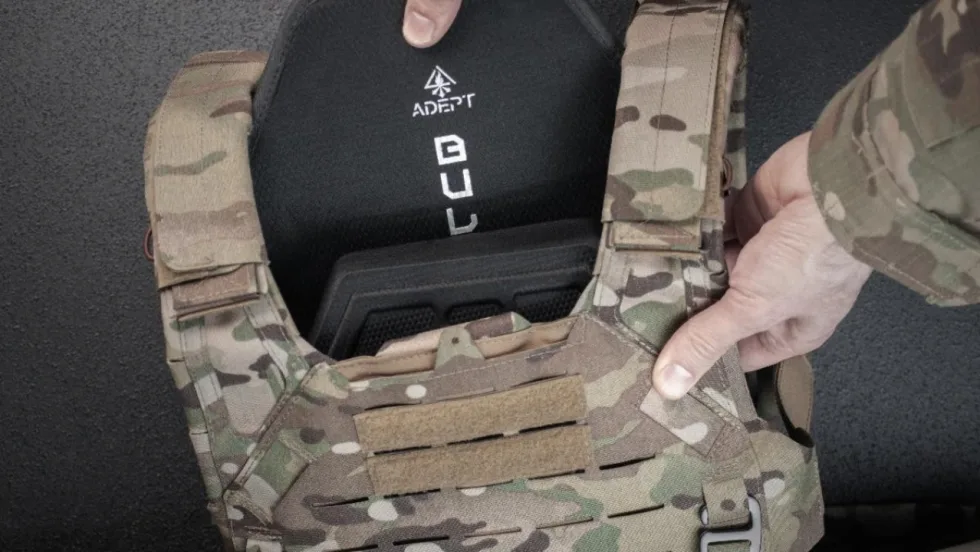
Adept Armor Introduces Two New Rifle Plates
Adept Armor has launched two new Level IV ballistic plates, the Emperor and the Archon Mark 2, which brings Adept Armor’s new Quatroid ceramic to the high-threat, performance-value center of the range at 5.2 pounds.
Read More →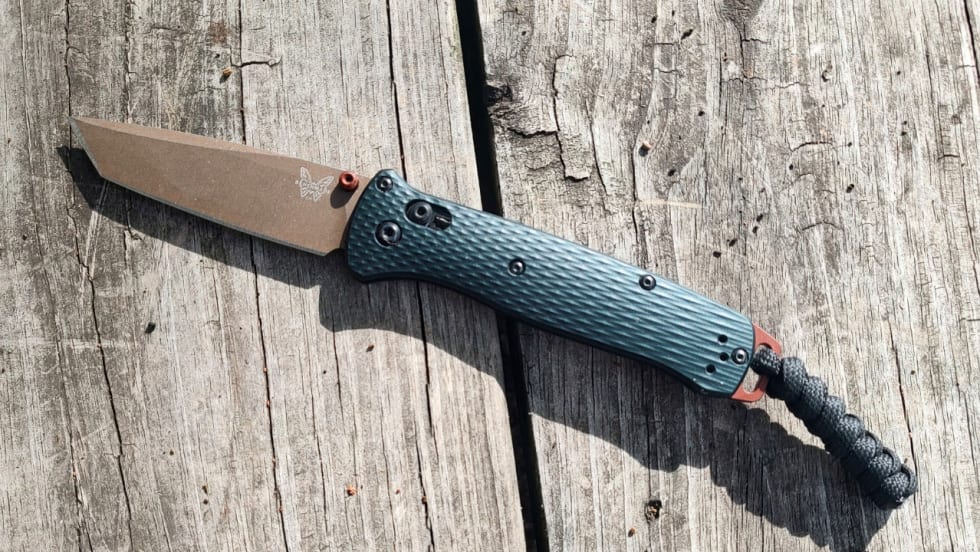
POLICE Product Test: Benchmade Bailout
The Benchmade Bailout is a slim, lightweight carry knife with a deep-ride pocket clip and comes in a variety of blade steels and scales. Here is a detailed review of the Taiga Green Bailout, released earlier this year.
Read More →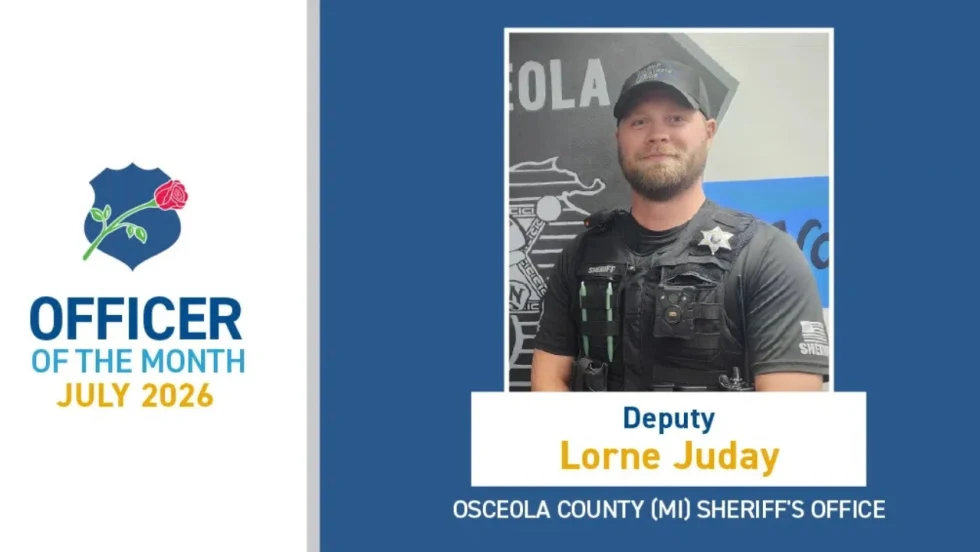
NLEOMF Announces July 2026 Officer of the Month
NLEOMF honored a Michigan deputy sheriff as the July 2026 Officer of the Month for rescuing a trapped driver from a burning vehicle following a Fourth of July crash.
Read More →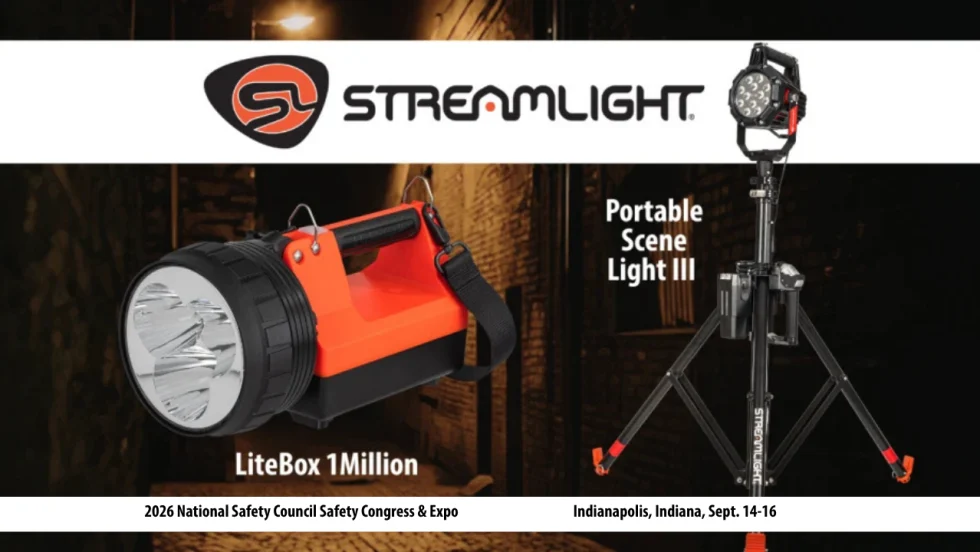
Streamlight to Showcase Newest Lighting Products at National Safety Council’s Safety Congress & Expo 2026
Streamlight will showcase its latest lights, including the Portable Scene Light III and the LiteBox 1Million, at the 2026 National Safety Council (NSC) Safety Congress & Expo.
Read More →
The 2027 World Police & Fire Games Set for Perth, Australia
The 2027 World Police & Fire Games (WPFG) will take place in Perth, Western Australia, from Friday, March 12 through Sunday, March 21, 2027.
Read More →
5.11 Partners with National Fallen Firefighters Foundation to Support #ForThe343
5.11 has joined the nationwide movement honoring the 343 New York City Fire Department firefighters lost on Sept. 11, 2001.
Read More →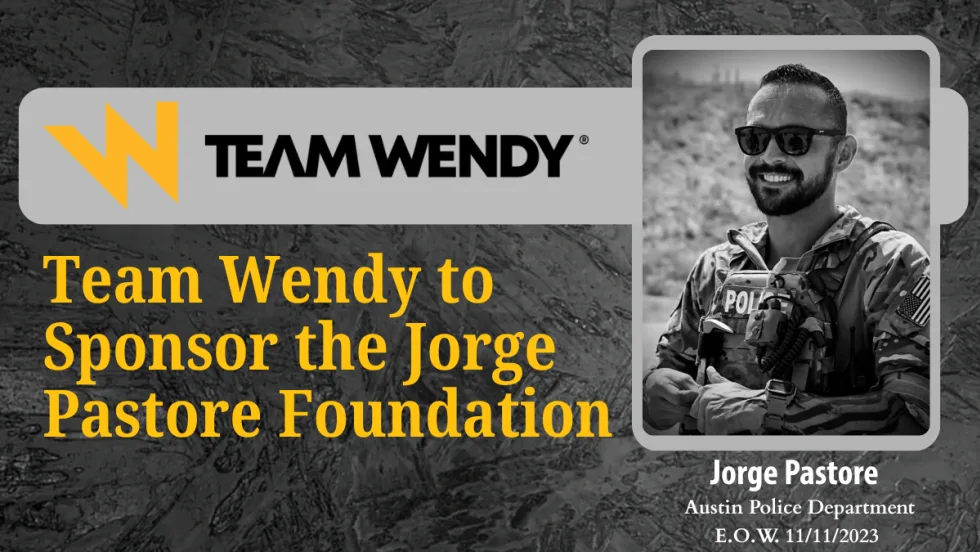
Team Wendy Announces Title Sponsorship of the Jorge Pastore Foundation
Team Wendy’s 3-year partnership with the Jorge Pastore Foundation expands access to programs that strengthen those who serve.
Read More →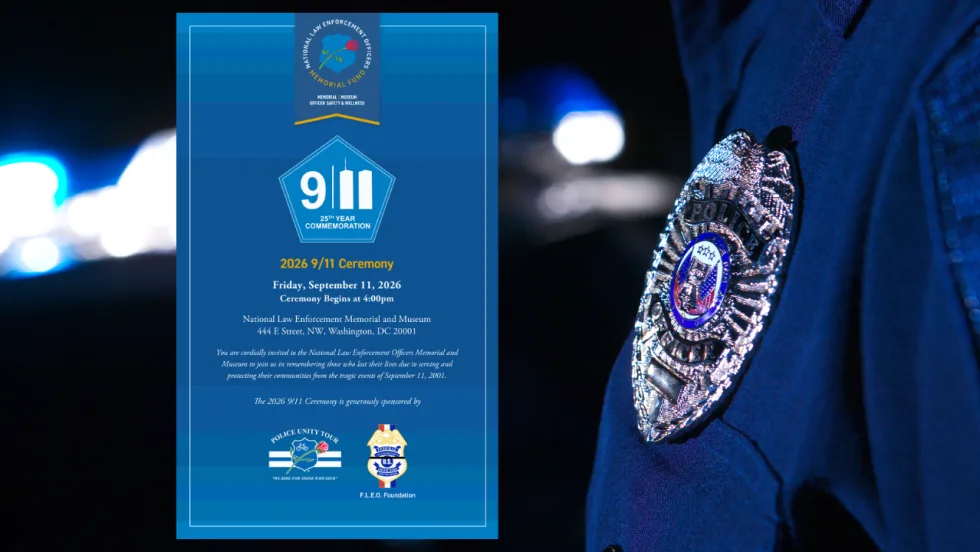
National Law Enforcement Memorial and Museum Hosting 9/11 25th-Year Commemoration Ceremony
The National Law Enforcement Memorial and Museum is hosting a 9/11 25th Year Commemoration Ceremony on Sept. 11 at 4 p.m.
Read More →
National Law Enforcement Officers Memorial Fund Announces June 2026 Officers of the Month
The National Law Enforcement Officers Memorial Fund (NLEOMF) named 15 officers of the Chico Police Department (California) as the Officers of the Month for June 2026 for their roles in responding to an active-shooter incident at a public library.
Read More →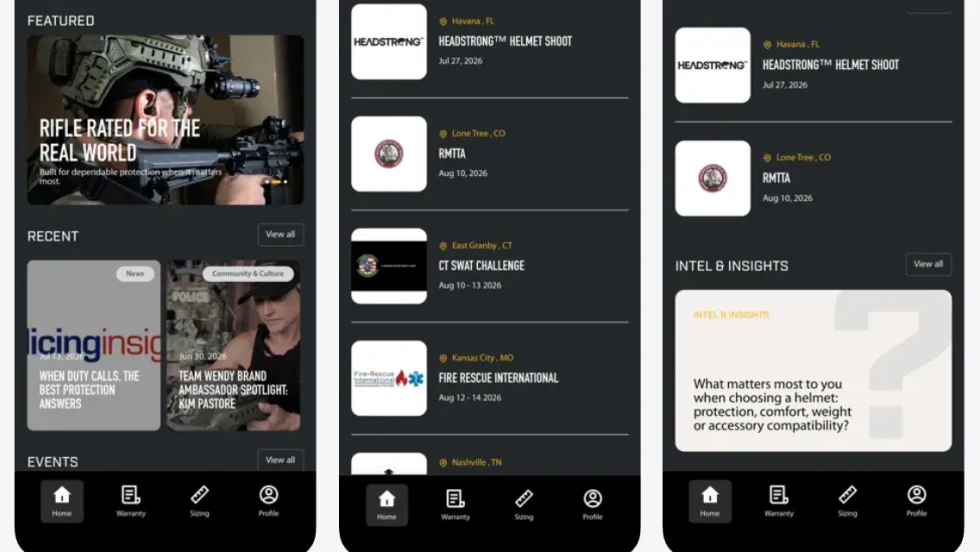
Team Wendy App Creates New Digital Hub for Helmet Owners
The Team Wendy Community App provides one location for warranty registration, size-fit tools, product updates, and community connection. For helmet owners, the new app creates a simpler path to the information and tools that matter most.
Read More →