



Realistic Training that Produces Better Results
A firsthand look at various federal, national and state certified K-9 Human Remains/Live Find Training in Xenia Ohio.

Detective David Lee Stephens shares insights about K-9s and training.
Aimee Wright/Kristina McConnell/POLICE
- The training offers a comprehensive approach to both human remains detection and live find scenarios for K-9 units.
- The program is certified at federal, national, and state levels, ensuring standardized and recognized training protocols.
- The location in Xenia, Ohio, provides firsthand opportunities for participants to engage in realistic and effective K-9 training exercises.
*Summarized by AI
K-9 units are crucial assets in search-and-rescue or recovery missions, with dogs specially trained for either live find or human remains detection .
Live-find K-9s locate survivors using air-scenting techniques to detect the scent of living humans, making them vital in disasters and missing person cases.
Human remains detection (HRD) K-9s, however, are trained to identify the scent of decomposing human remains, aiding in locating victims in homicide investigations or disaster situations. Both types of K-9s undergo intensive training and develop a strong bond with their handlers, each serving a unique and essential role.
Recently, I had the unique experience of being both a guest and participant in a training session with a group of K-9s and their handlers at an abandoned multi-story motel in Xenia, Ohio.
This high-stakes, immersive training session brought together K-9s and handlers from Indiana, Illinois, Kentucky, Ohio, New York, and Florida. Led by Athena Haus and Tom Haus, renowned FEMA-certified experts known for their commitment and expertise, the session was a masterclass in precision and readiness. The handlers and their K-9 partners displayed not only their proficiency but also their unwavering dedication, regularly training every other weekend across different states to maintain peak performance.
Day One: Realistic Training Exercises
The abandoned motel provided an eerily realistic training environment, complete with human cadavers, and remains strategically placed to mimic complex search and rescue scenarios. As I observed, it became clear that these situations were meticulously crafted to challenge the K-9s' abilities to navigate intricate and unpredictable settings.
In one exercise, the K-9s encountered distractions and misleading elements designed to throw them off the trail of human remains. Yet, thanks to their extensive training and extraordinary scent detection skills, the dogs accurately identified the remains without faltering.
After a brief break, the training evolved into an even more intriguing exercise. This time, live search K-9s were tasked with locating a live person hiding in the same area where cadavers and human remains remained in place. The goal was to test the dogs’ ability to ignore the scent of human remains and alert their handlers only to the presence of a live person in need of rescue.
Watching these incredible dogs excel at this task was truly awe-inspiring. Each K-9 confidently ignored the cadaver scent and zeroed in on a closed door, signaling their handlers about the hidden live person. The live person/victim for this part of the exercise was me. The dogs’ precise, enthusiastic alerts were met with joyful rewards, turning their successful search into a moment of play.
One K-9, Maggie, made a lasting impression on me. Her intelligence and cleverness were extraordinary during her search exercise. While I was hiding behind one of the motel’s doors, Maggie approached, making just enough noise to keep me on edge. Then, with remarkable strategy, she doubled back silently to another door and retrieved her toy triumphantly before I even realized she had succeeded. Maggie’s ability to adapt and execute her plan so effectively was a breathtaking demonstration of her training.
Day Two: Detecting Human Remains
The second day of training moved to a site filled with concrete rubble, rocks, and debris from building demolitions—an environment reminiscent of a natural disaster aftermath. Human cadavers and body parts were hidden among the wreckage to simulate victims trapped under debris. This realistic setting allowed the K-9 units to refine their human remains detection skills.
Weather conditions added another layer of difficulty. Temperatures reached the mid-50s, and wind gusts were in the high teens. Given that K-9s rely heavily on scent, I worried the strong winds might disrupt their ability to detect odors, potentially requiring a training delay. However, the trainers and handlers persisted, embodying the resilience and adaptability needed for fieldwork.
Watching the K-9s work under these challenging conditions was extraordinary. The dogs had to put in extra effort to trace scent trails scattered by the wind, but their extensive training and remarkable olfactory skills ensured no remains went undetected. Even with the added complexity of weather, the K-9s proved their effectiveness, demonstrating their capability to perform in adverse environments.
The Need for Realism in Training
This experience highlighted the importance of including environmental challenges in training scenarios.
Realism plays a crucial role in the effective training of human remains detection (HRD) K-9 units. These specialized dogs are typically exposed to various training aids that simulate the scent of decomposing human tissue.
These aids range from synthetic scents to actual human remains when legal and ethical guidelines permit their use. However, due to strict ethical and legal constraints, access to real human decomposition scenarios is often limited. This limitation can challenge the dogs' ability to generalize their training to real-world situations, where factors like environmental conditions and the presence of distracting scents can complicate detection efforts.
In real-world operations, K-9 teams often encounter unpredictable and harsh conditions. Training in such settings equips them with the skills and confidence for real missions. The trainers, handlers, and K-9s exhibited remarkable dedication and professionalism, reaffirming their vital role in search and recovery operations.
Attending the two-day K-9 training was an enlightening experience, deepening my appreciation for the expertise, commitment, and adaptability of both the K-9s and their handlers. Under the expert guidance of Athena Haus and Tom Haus, whose excellence in the field is well recognized, the training was more than just practice—it was a testament to the extraordinary partnership that can one day save lives.
What left the strongest impression on me was the handlers' and trainers' unwavering dedication. They fostered a warm, welcoming environment, emphasizing camaraderie and shared purpose. During a lunch break, they even celebrated my birthday, a thoughtful gesture reflecting the close- knit community in this line of work.
Why FEMA Training
Throughout my law enforcement career, I've had the opportunity to observe several HRD K-9 units and learn about their maintenance training methods. Many of these handlers frequently use synthetic scents, hiding them in wooded areas to mimic real search conditions.
Several K-9 handlers have mentioned that they train for a minimum of four hours a week to maintain their dogs' proficiency. However, during the Xenia, Ohio, I witnessed an in-depth K-9 training program that truly focused on realism.
I observed an amazing difference in the performance of the dedicated K-9 task forces at the FEMA training compared to those who conduct shorter, weekly sessions. Not saying that the shorter weekly training would result in fewer finds, because I would have to observe a controlled test for that. But what I can say is that the K-9 teams at the FEMA training displayed impressive quick finds, in various scenarios.
Witnessing the synergy between K-9s and their handlers underscored the value of consistent, realistic training. Their ability to perform under pressure and adapt to difficult conditions highlights their professionalism and dedication to public safety. As law enforcement evolves, specialized K-9 units continue to play an irreplaceable role, offering unparalleled skills in search-and-rescue missions.
If a K-9 unit and handler has the opportunity to be part of a FEMA task force, it requires significant dedication, but the K-9 and handler will receive top-notch HRD and live-find training.
For those interested in learning more about FEMA Urban Search and Rescue and how to become part of a task force to attend the trainings, more information is available on the FEMA website under Urban Search and Rescue at FEMA.gov.

David Lee Stephens launched his law enforcement career in 2002 and has since dedicated over two decades to serving and protecting his community. Over the years, he has taken on pivotal roles, including Field Training Officer, School Resource Officer, detective, S.W.A.T team member, crimes scene technician, and certified Firearms Instructor.
More Special Units

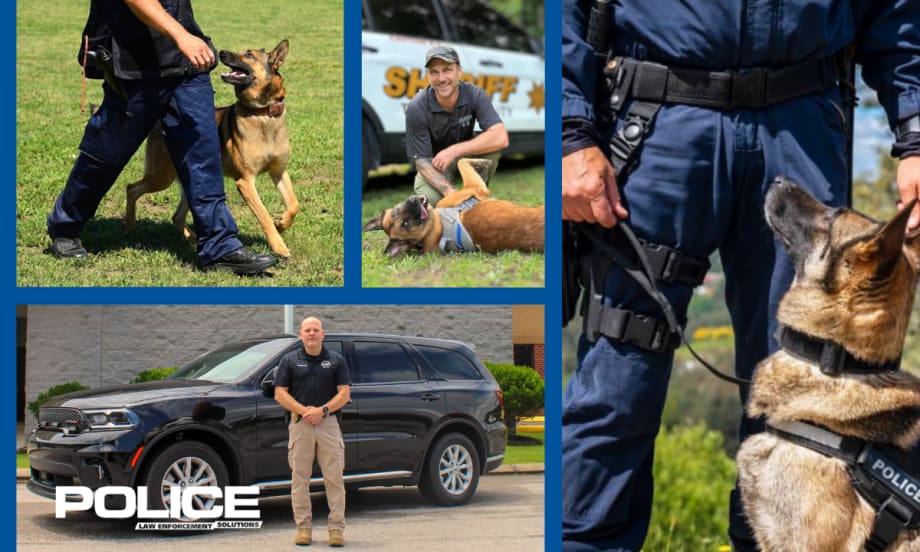
New K9 Decontamination Protocol Launched
A new K-9 protocol from the SoRite Company gives law enforcement agencies a standardized rapid-response framework to decontaminate K-9s, their handlers, and police vehicles, from dangerous narcotics.
Read More →
OZ Lifting Doubles Impact of K9 Guardian Program
In response to the positive impact the program has had on local communities. OZ Lifting Products has expanded its K9 Guardian Program by committing to fund a second police dog each year.
Read More →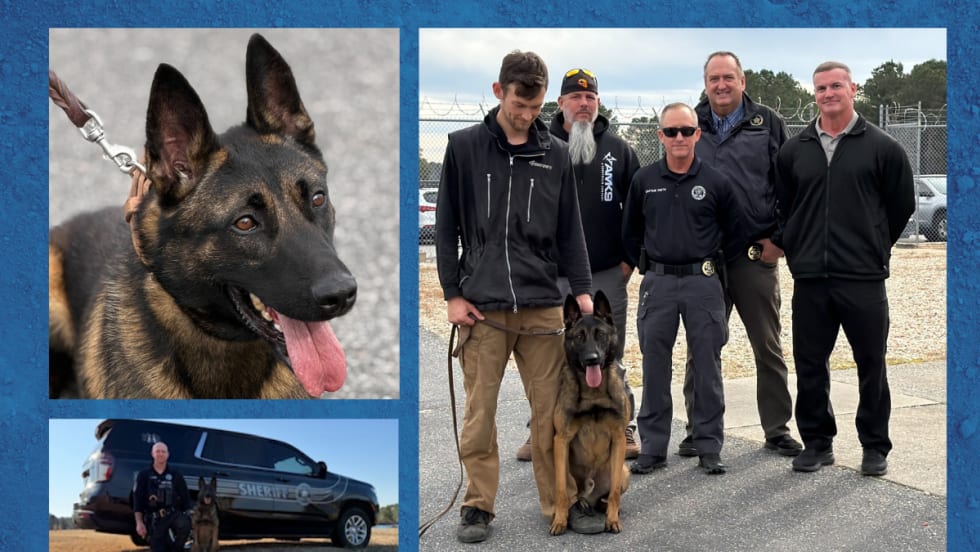
Constellis’ AMK9 to Donate K9 Officer to Currituck County Sheriff’s Office
AMK9 will donate a fully trained K9 officer to the Currituck County Sheriff’s Office K9 Unit. DAX, a 20-month-old Belgian Malinois, joined his new handler and has begun training at the Constellis Training Center.
Read More →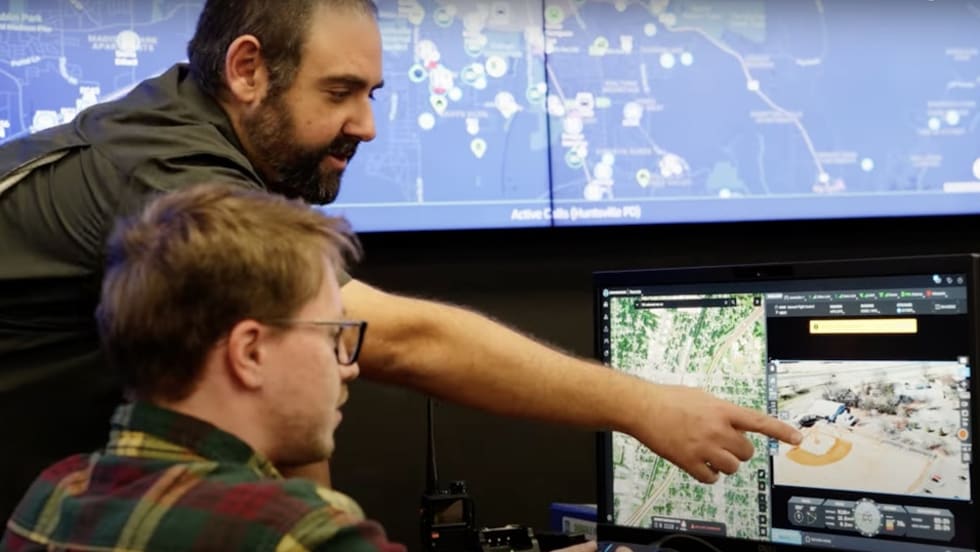
Ohio’s Statewide Drone First Responder Program to Take Flight
Over the next two years, the Ohio DFR Pilot Program will equip municipalities with advanced drone systems, deliver comprehensive training for first responders, and enable FAA-approved Beyond Visual Line of Sight operations.
Read More →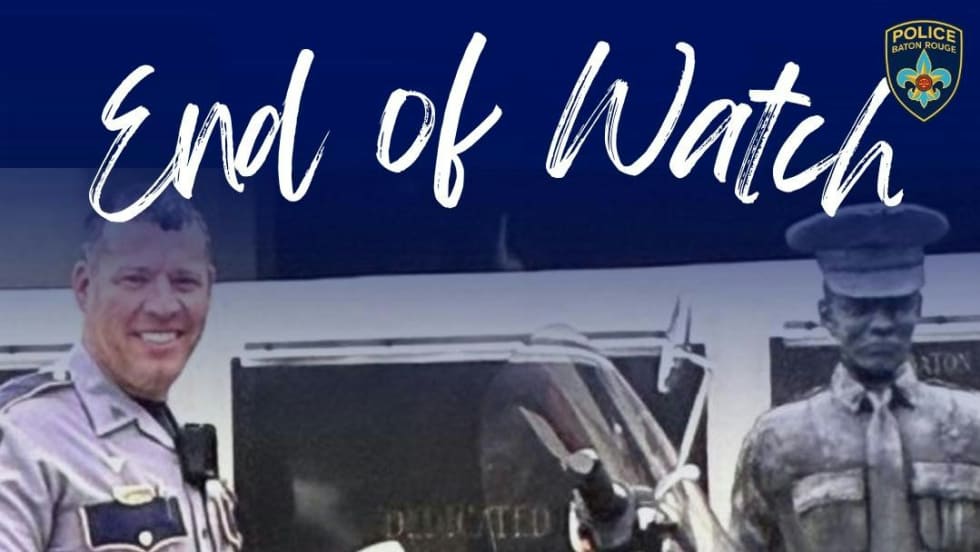
Louisiana Motor Sergeant Dies from Injuries Suffered in June “Intentional” Crash
A motor officer, Sgt. Caleb Eisworth was on his way to participate in a funeral escort when he was struck by another vehicle.
Read More →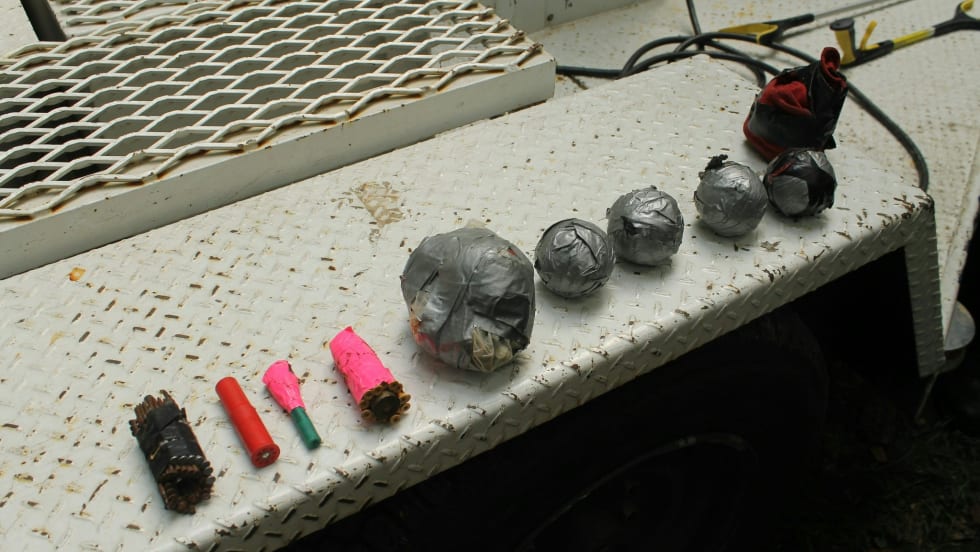
Tennessee Officers Say Man Tried to Detonate IED During Arrest
Inside the bedroom officers found what they believed to be an IED. The officers evacuated the house and called for the Chattanooga Police Bomb Squad and ATF agents.
Read More →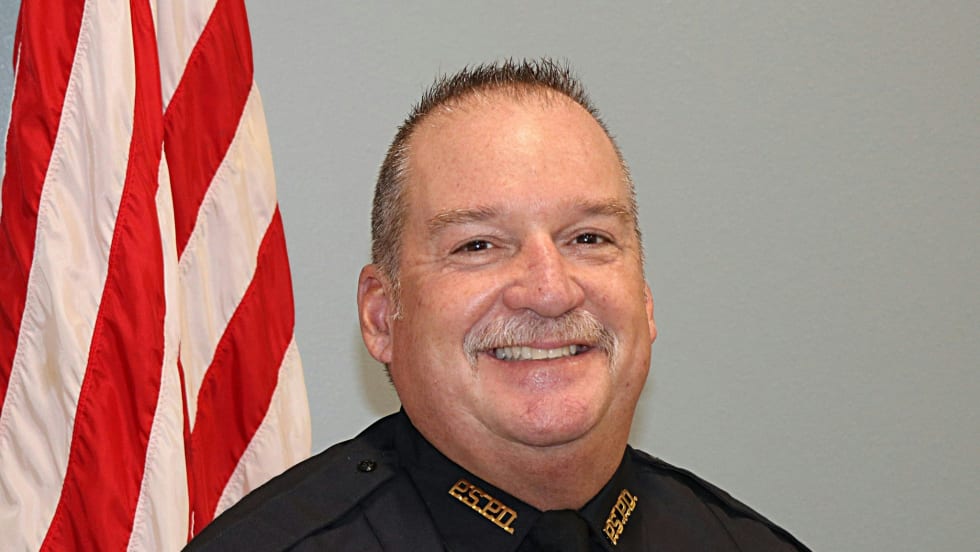
Florida School Officer Dies After On-Duty Medical Emergency
Sergeant Greg Graff was “preparing school leaders for the upcoming year during a safety training program at Clearwater High School,” the school district said.
Read More →
Grenade is Missing from Explosion That Killed 3 LASD Deputies
ATF Special Agent in Charge Kenny Cooper said definitively that only one grenade detonated at the facility on July 18.
Read More →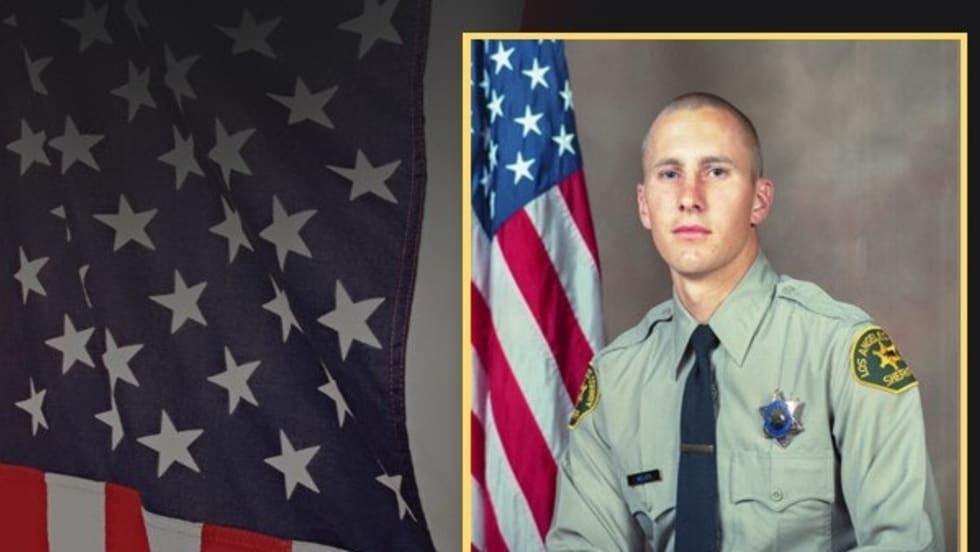
Los Angeles County Sheriff's Department Names Deputies Lost in Friday Explosion
LASD said Detective Joshua Kelley-Eklund, Detective Victor Lemus, and Detective William Osborn who were all assigned to Special Enforcement Bureau’s Arson Explosives Detail were killed in the incident.
Read More →
Maryland State Police Helicopter Rescues Victim from Overturned Boat in Chesapeake Bay
The Maryland State Police Aviation Command Trooper 7 crew, the MSP helicopter based in California, Maryland, were monitoring the county dispatch radio, overheard the dispatch, and self-launched.
Read More →