



Protecting the Police Officer
With so many murders of officers in 2016, we expect our national leadership to do more than send us to sensitivity training.

After the Honorable Jeff Sessions was sworn in as our nation's attorney general, President Trump issued an executive order that prioritized the "protection and safety" of law enforcement officers. Bravo! This Order will hopefully end what I refer to as the Police Piñata Perception: an expectation that allegedly unarmed criminals can take swings at cops while cops dispense candy instead of justice.
President Trump's Executive Order, "Preventing Violence Against Federal, State, Tribal and Local Law Enforcement Officers," is a welcome show of support.
The order is comprised of two main parts. The first section states that it's the policy of our nation to augment protections and safety measures for law enforcement. In the second section, the order directs the Department of Justice (DOJ) to lead efforts to fulfill the first section. DOJ is tasked with reviewing current federal laws, as well as coordinating with state, tribal, and local governments, to develop a strategic plan for prosecuting those who attack law enforcement officers. Additionally, the DOJ is tasked with making recommendations to President Trump regarding prospective legislation that might enhance the protections for officers. This could include codifying new violent crime statutes and recommending new mandatory minimum sentences for acts of violence directed against law enforcement.
The order also calls for a review of DOJ grant programs to assess their effectiveness. Specifically, the review would include making recommended changes to DOJ policy that would provide increased safety and protection measures for officers. This review is overdue and welcome, and the hope is that the resulting recommendations will be properly funded.
The data reflecting law enforcement fatalities for 2016 is staggering, and completely validates the need for this executive order. According to the National Law Enforcement Officers Memorial Fund (NLEOMF) annual report, "Firearms-related incidents were the number one cause of duty deaths in 2016, with 64 Officers shot and killed across the country. This represents a significant spike-56 percent-over the 41 Officers killed by gunfire in 2015."
To add to the disheartening fatality data from 2016, NLEOMF also reported that among the 64 law enforcement heroes killed by gunfire, "21 Officers were shot and killed without warning in ambush-style shootings." This amounts to a 163% increase over the officer ambush fatalities for 2015. With 21 heroes fatally wounded by ambush or assassination, we expect our national leadership to do more than send us to sensitivity training.
Based on recent data on violent crime, it appears that the rule of law is under attack as well. According to a Violent Crime Survey released by the Major Cities Chiefs Association, 61 responding agencies reported an increase in the top categories of violent crime. Compared to 2015, homicides increased from 5,787 to 6,407 in 2016. In 2015, there were 26,913 rapes reported, as compared to 28,757 in 2016. It is clear that violence committed against law enforcement and the public is rising. I applaud President Trump for recognizing that both our nation's laws and elected leaders need to do more to protect law enforcement and the American citizenry.
So what can be done to improve the protections and safety of law enforcement officers? The obvious first point is to increase staffing levels. But that requires a funding commitment on local, state, and federal levels. Same applies to safety equipment. Every uniformed officer should be issued a TASER, body armor, mobile deployable ballistic shields, and interoperable radios. Warrant teams should all have the L-3 Range-R handheld radar system to assess the distance and movement of potential threats through walls and minimize exposure to ambush attacks.
We can't eliminate the harm caused by inflammatory biased news headlines, but we can improve on data collection to empower our position. All departments should capture data relating to attacks against law enforcement—including noncompliance to verbal commands. We need to illustrate the number of attacks committed by criminals on illegal substances to counter the ignorant notion that dope peddlers are nonviolent.
There is also a need for legislation that would allow law enforcement viable recourse against those who conspire to bring false allegations against us. What was Officer Darren Wilson's recourse after having his reputation trampled and his career ruined? I am optimistic President Trump's order will increase our protections and provide real body armor for the honorable thin blue line.
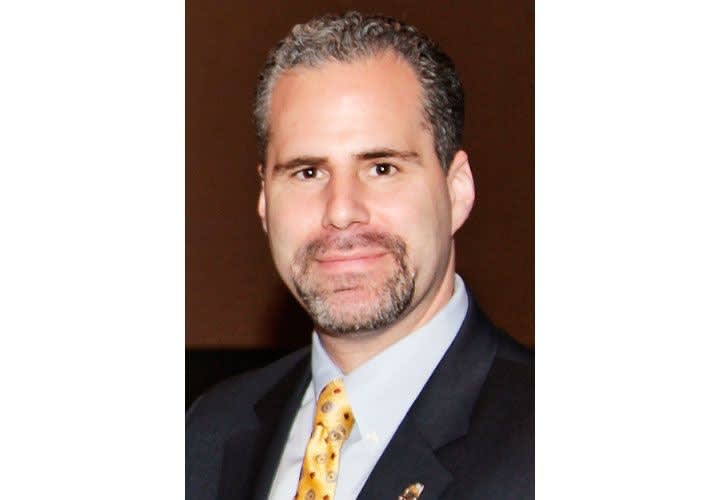
Jon Adler is the president of the Federal Law Enforcement Officers Association Foundation.
More Patrol
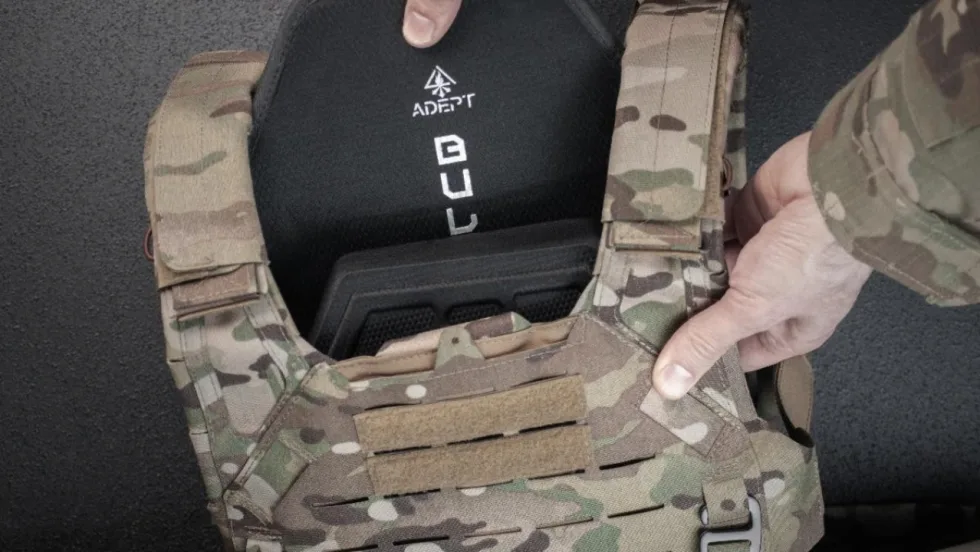
Adept Armor Introduces Two New Rifle Plates
Adept Armor has launched two new Level IV ballistic plates, the Emperor and the Archon Mark 2, which brings Adept Armor’s new Quatroid ceramic to the high-threat, performance-value center of the range at 5.2 pounds.
Read More →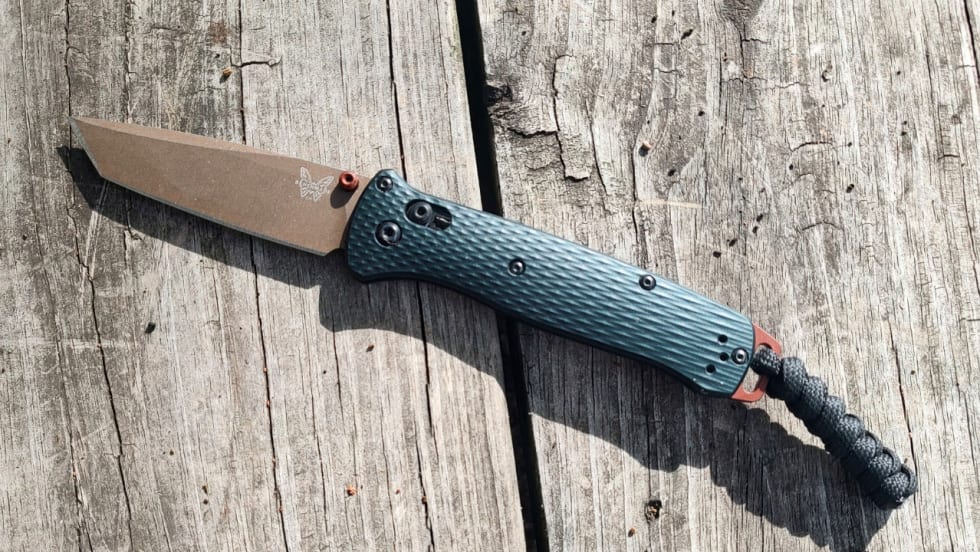
POLICE Product Test: Benchmade Bailout
The Benchmade Bailout is a slim, lightweight carry knife with a deep-ride pocket clip and comes in a variety of blade steels and scales. Here is a detailed review of the Taiga Green Bailout, released earlier this year.
Read More →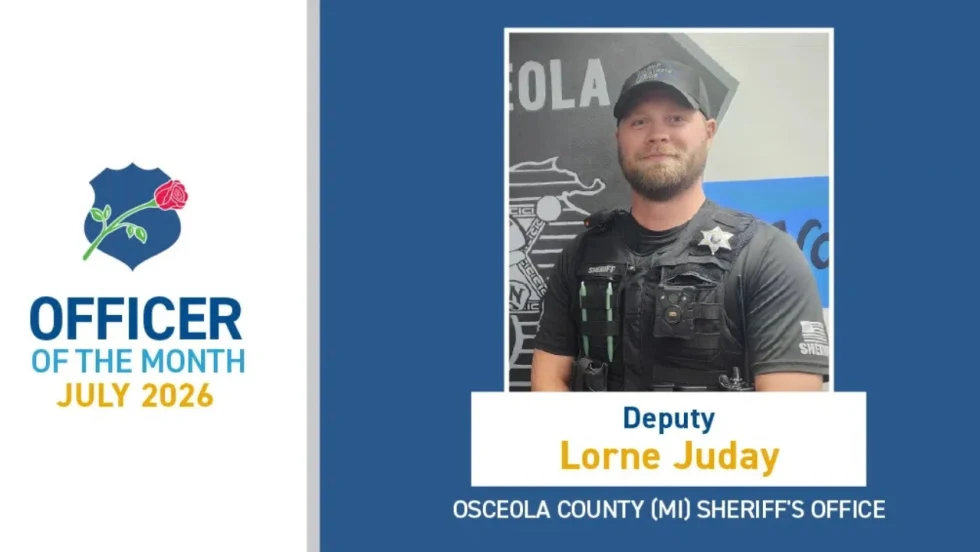
NLEOMF Announces July 2026 Officer of the Month
NLEOMF honored a Michigan deputy sheriff as the July 2026 Officer of the Month for rescuing a trapped driver from a burning vehicle following a Fourth of July crash.
Read More →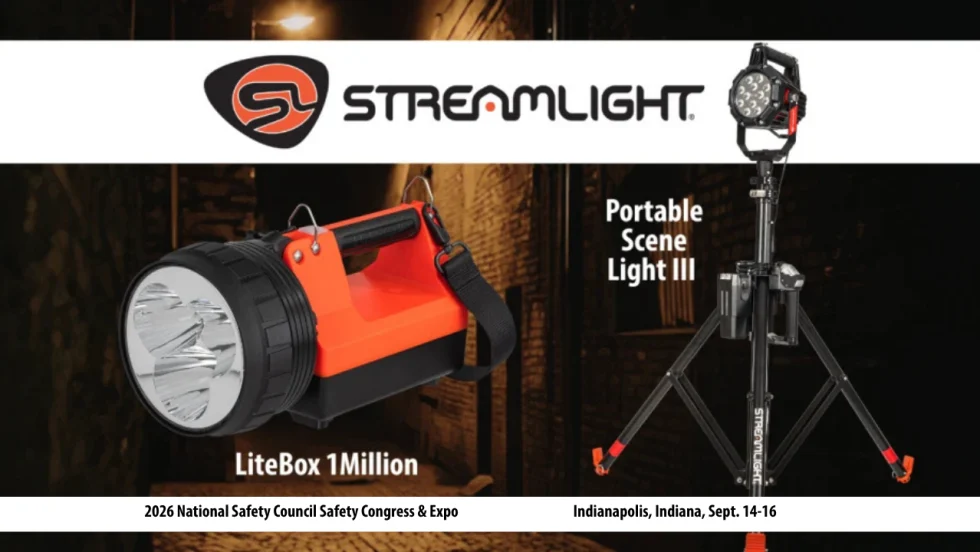
Streamlight to Showcase Newest Lighting Products at National Safety Council’s Safety Congress & Expo 2026
Streamlight will showcase its latest lights, including the Portable Scene Light III and the LiteBox 1Million, at the 2026 National Safety Council (NSC) Safety Congress & Expo.
Read More →
The 2027 World Police & Fire Games Set for Perth, Australia
The 2027 World Police & Fire Games (WPFG) will take place in Perth, Western Australia, from Friday, March 12 through Sunday, March 21, 2027.
Read More →
5.11 Partners with National Fallen Firefighters Foundation to Support #ForThe343
5.11 has joined the nationwide movement honoring the 343 New York City Fire Department firefighters lost on Sept. 11, 2001.
Read More →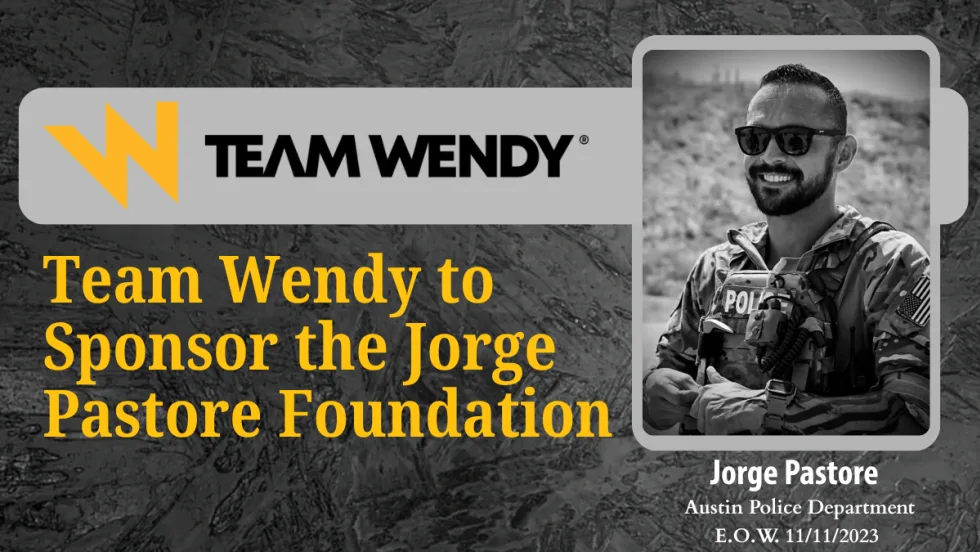
Team Wendy Announces Title Sponsorship of the Jorge Pastore Foundation
Team Wendy’s 3-year partnership with the Jorge Pastore Foundation expands access to programs that strengthen those who serve.
Read More →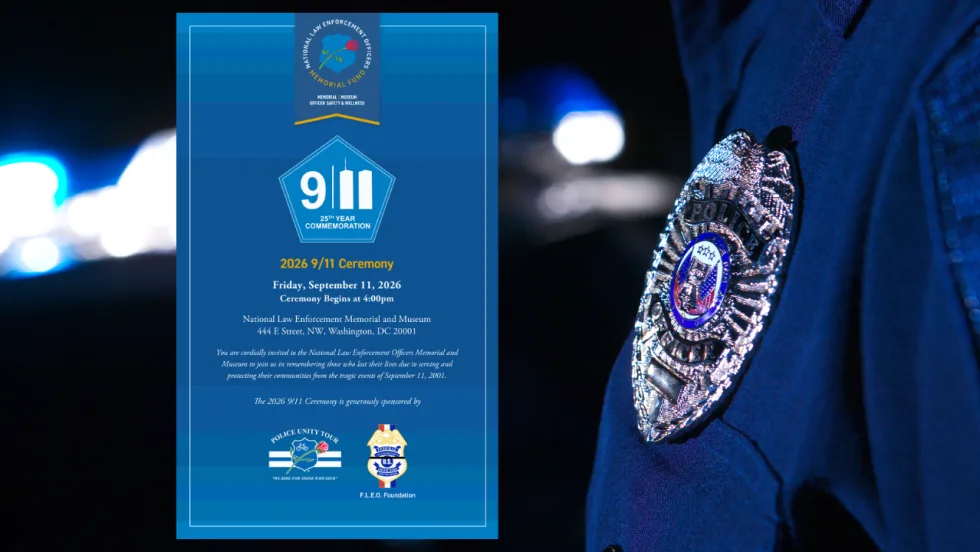
National Law Enforcement Memorial and Museum Hosting 9/11 25th-Year Commemoration Ceremony
The National Law Enforcement Memorial and Museum is hosting a 9/11 25th Year Commemoration Ceremony on Sept. 11 at 4 p.m.
Read More →
National Law Enforcement Officers Memorial Fund Announces June 2026 Officers of the Month
The National Law Enforcement Officers Memorial Fund (NLEOMF) named 15 officers of the Chico Police Department (California) as the Officers of the Month for June 2026 for their roles in responding to an active-shooter incident at a public library.
Read More →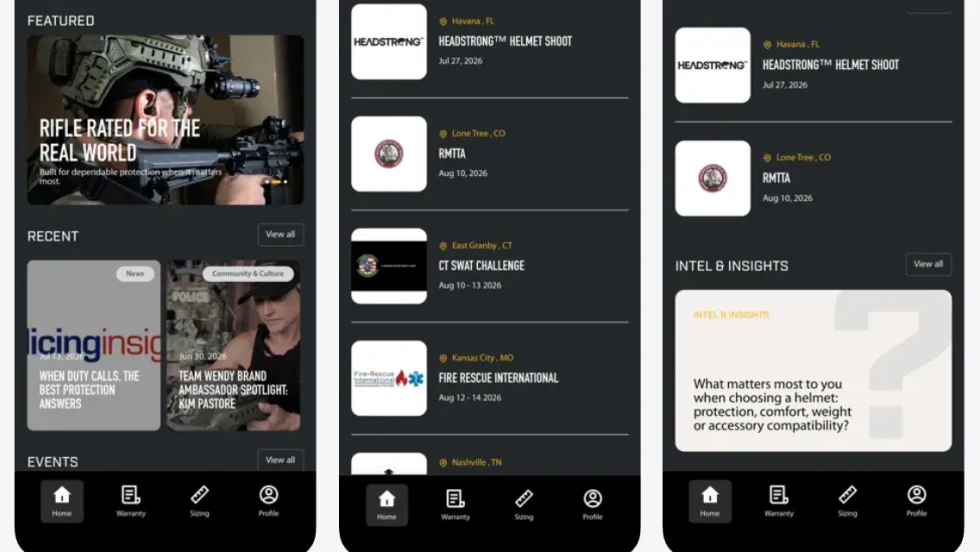
Team Wendy App Creates New Digital Hub for Helmet Owners
The Team Wendy Community App provides one location for warranty registration, size-fit tools, product updates, and community connection. For helmet owners, the new app creates a simpler path to the information and tools that matter most.
Read More →