



Paying the Price
The migrant caravan brings us multi-faceted problems and costs, and the substantial financial impact should not be ignored.

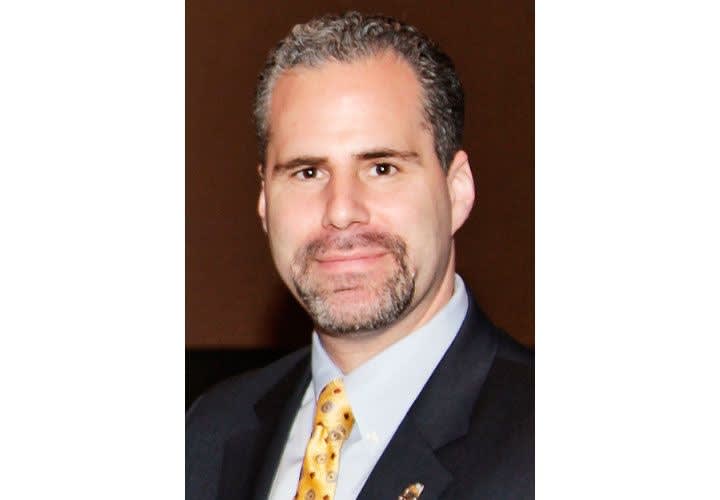
Jon Adler
As I write this, it's estimated that as many as 7,000 migrants from Honduras, El Salvador, and Guatemala are moving up through Mexico toward the U.S. border in an organized caravan. Anyone who has been outspoken about preventing this caravan from reaching the U.S. has been disparaged as a hater and a racist.
I dismiss such comments when I think about fallen Border Patrol Agent Javier Vega, Jr., and fallen American citizen Kate Steinle. Both of these Americans died as a result of the actions taken by violent criminal aliens. It's not the ethnicity of Border Patrol Agent Vega or Steinle that matters, nor the place of origin of their killers. What matters is that U.S. citizens died as the result of violent acts committed by criminals who shouldn't have been in our country.
It's reported that the intent of the people in this caravan is to come over the U.S. border in violation of U.S. law. Accordingly, U.S. Border Patrol, Immigration and Customs Enforcement personnel, border Sheriffs, and local law enforcement, are all ramping up in anticipation of the caravan's arrival. This law enforcement deployment, as well as the commitment of military assets to the border, comes with a substantial cost. And we can't bill the approaching migrants for overtime reimbursement.
I believe a border wall would help mitigate this problem. But many in Congress oppose the wall over liberal idealism and/or the cost. The Center for Immigration Studies (CIS) calculates, "If a border wall stopped between 160,000 and 200,000 illegal crossers—9 to 12% of those expected to successfully cross in the next decade—the fiscal savings would equal the $12 to $15 billion cost of the wall."
Since we do not yet have a border wall, we are left to absorb the hidden costs that criminal aliens bring with them. And to be clear, I am referring to those migrants who have no legitimate claim for asylum, and who enter our country illegally.
Aside from the immeasurable harm caused by violent criminal aliens, our country incurs additional unreported costs. The burden to the U.S. taxpayer comes from subsidizing two sources of criminal aliens: those who enter the U.S. legally and remain after their visa expires, and those who enter illegally, either by border crossing or with fraudulent identification. CIS says that one criminal alien within the U.S. will cost the American taxpayer approximately $70,000 during their lifetime.
According to Steven A. Camarota, director of research at CIS, "Those with low incomes as a group, regardless of legal status, use more in public services than they pay in taxes." In terms of assessing the 10 million plus population of criminal aliens within the U.S., there is general consensus that those entering through illegal border crossings are the least educated. This translates to high unemployment and low paying jobs for border crossing criminal aliens seeking work, as well as the consumption of government benefits.
So what is the price tag in government services that this migrant caravan brings us? One of the starting points for assessing this is considering the cost and impact of identity theft. Criminal aliens seeking work will ultimately seek out fraudulent documentation in order to secure a low paying job. This entails stealing an American's name, date of birth, and social security number. So how do we quantify the cost of unemployment fraud, Social Security fraud, housing fraud, Medicaid fraud, educational scholarship fraud, and income tax refund fraud?
Aside from the dollars criminal aliens are siphoning off the U.S. economy and its tax base, how much is this costing law enforcement? Federal law enforcement officers investigate these types of frauds, but when they catch the criminal alien, they aren't usually able to effect a monetary recovery.
With the advent of the Internet and social media, identity theft continues to grow. The challenge for local law enforcement is that their victims reside in their jurisdictions, but the ID thief may be operating anywhere. Also, the suspect may be transient and difficult to track. How much time and cost do local police departments have to absorb in investigating these crimes? Further, how much money does it cost our sheriffs to lodge criminal aliens who are arrested for other crimes and who possess no valid identification?
The migrant caravan brings us multi-faceted problems and costs, and the substantial financial impact should not be ignored.
More Patrol

Streamlight Portable Scene Light III Wins 2026 OH&S New Product of the Year Award
Streamlight’s Portable Scene Light III has won the 2026 Occupational Health & Safety (OH&S) New Product of the Year Award in the Lighting category.
Read More →
Adept Armor Introduces Two New Rifle Plates
Adept Armor has launched two new Level IV ballistic plates, the Emperor and the Archon Mark 2, which brings Adept Armor’s new Quatroid ceramic to the high-threat, performance-value center of the range at 5.2 pounds.
Read More →
POLICE Product Test: Benchmade Bailout
The Benchmade Bailout is a slim, lightweight carry knife with a deep-ride pocket clip and comes in a variety of blade steels and scales. Here is a detailed review of the Taiga Green Bailout, released earlier this year.
Read More →
NLEOMF Announces July 2026 Officer of the Month
NLEOMF honored a Michigan deputy sheriff as the July 2026 Officer of the Month for rescuing a trapped driver from a burning vehicle following a Fourth of July crash.
Read More →
Streamlight to Showcase Newest Lighting Products at National Safety Council’s Safety Congress & Expo 2026
Streamlight will showcase its latest lights, including the Portable Scene Light III and the LiteBox 1Million, at the 2026 National Safety Council (NSC) Safety Congress & Expo.
Read More →
The 2027 World Police & Fire Games Set for Perth, Australia
The 2027 World Police & Fire Games (WPFG) will take place in Perth, Western Australia, from Friday, March 12 through Sunday, March 21, 2027.
Read More →
5.11 Partners with National Fallen Firefighters Foundation to Support #ForThe343
5.11 has joined the nationwide movement honoring the 343 New York City Fire Department firefighters lost on Sept. 11, 2001.
Read More →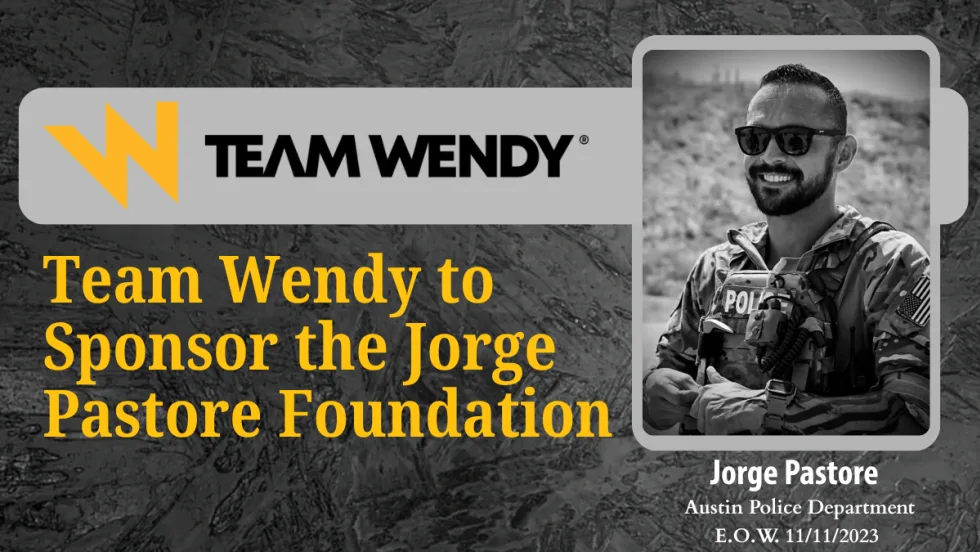
Team Wendy Announces Title Sponsorship of the Jorge Pastore Foundation
Team Wendy’s 3-year partnership with the Jorge Pastore Foundation expands access to programs that strengthen those who serve.
Read More →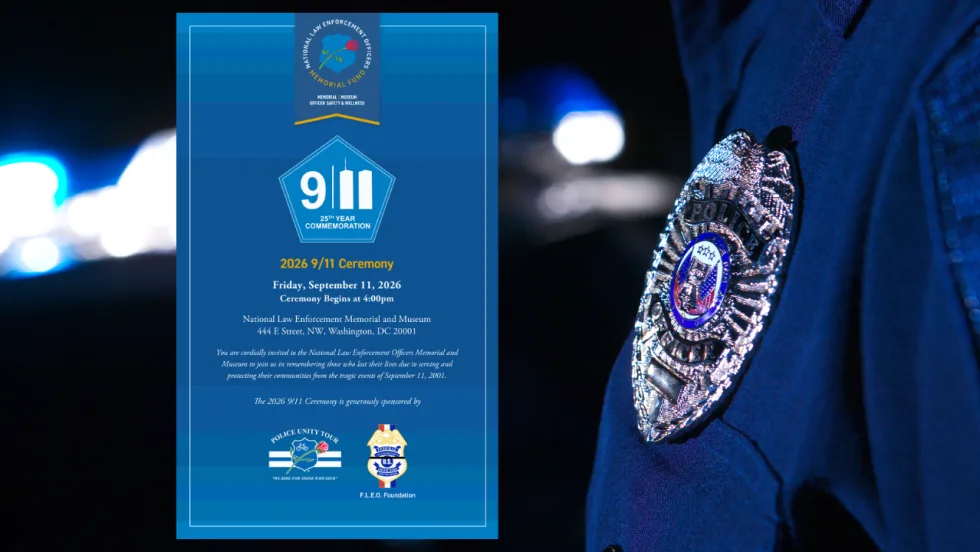
National Law Enforcement Memorial and Museum Hosting 9/11 25th-Year Commemoration Ceremony
The National Law Enforcement Memorial and Museum is hosting a 9/11 25th Year Commemoration Ceremony on Sept. 11 at 4 p.m.
Read More →
National Law Enforcement Officers Memorial Fund Announces June 2026 Officers of the Month
The National Law Enforcement Officers Memorial Fund (NLEOMF) named 15 officers of the Chico Police Department (California) as the Officers of the Month for June 2026 for their roles in responding to an active-shooter incident at a public library.
Read More →