



On the Suspect's Turf at Work
The post-Christmas workplace shooting that left seven employees dead in Wakefield, Massachusetts should serve as yet another reminder about responding to high-risk scenes.

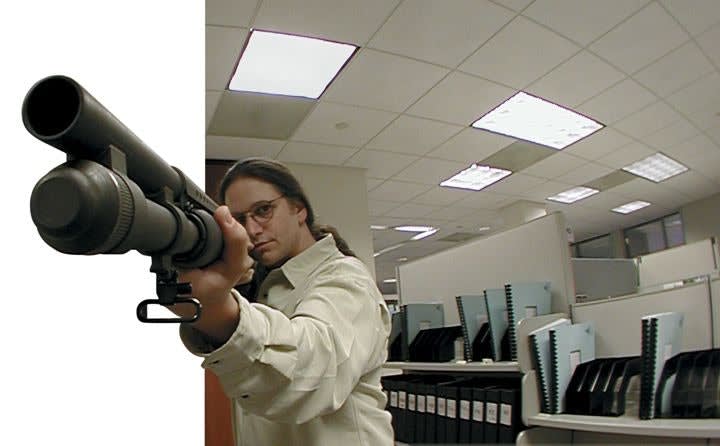
The post-Christmas workplace shooting that left seven employees dead in Wakefield, Massachusetts, should serve as yet another reminder about responding to high-risk scenes. The alleged shooter in this case, Michael McDermott, armed himself with three weapons and had plenty of ammo and other guns stored near his desk.
Clearly, he came ready to do battle with whoever got into his way.
Good and/or lucky police work saved the responding Special Operations tactical officers. Here’s another story that didn’t end so well. Late on Tuesday evening, May 27, 1997, two plainclothes detectives from the Glendale Police Department went to a Chatsworth warehouse to find and arrest a man accused of domestic violence and the attempted murder of his live-in girlfriend. Eight hours later, one of the detectives had been shot dead at the scene, two LAPD officers were injured by gunfire and the suspect either had killed himself or was killed in the subsequent firefight and SWAT standoff.
Understand Why
What this tragedy demonstrates is the critical importance of understanding a suspect's mindset and frequent tactical advantage when we go to his workplace. According to news accounts, Israel Chappa Gonzalez, 28, allegedly assaulted his girlfriend of eight years with a stun gun, knocked her down, handcuffed her and gagged her. She apparently lost consciousness during the fight, only to come to as he was trying to drown her in a bathtub full of water in their home. She was able to talk the suspect out of killing her and after he fled the scene she called police.
Glendale detective Charles Lazzaretto and his partner learned the suspect worked at the warehouse facility of an adult video business. They decided to do a follow-up at his workplace to see if he was inside. Arriving late in the evening at the building, the detectives met another employee who lied and told them Gonzalez was not there. The detectives either didn't believe the employee, heard a noise in the back, or decided to look for themselves. According to police accounts, Detective Lazzaretto entered a doorway and found himself in the well-known “Fatal Funnel.” The suspect was hiding in the shadows and fired a handgun (either a .380 or a 9 mm) at him, striking him in the head. As the partner detective took cover, the suspect allegedly took Detective Lazzaretto's duty gun from his holster and prepared to engage in a firefight.
SWAT officers arrived to surround the building and communicate with the barricaded suspect. He refused to surrender or negotiate with them, so they fired tear gas rounds into the building. By the time SWAT officers could make safe entry into the building (about eight hours after the initial shooting) they found Det. Lazzaretto, a 10-year veteran, fatally wounded in a hallway inside the facility. The suspect had either shot himself or was shot during one many exchanges of gunfire with officers. He managed also to shoot two responding LAPD officers, inflicting wounds to the arm, leg and buttocks of one and the arm of another.
Do The Homework
This incident raises many questions. Did the detectives have prior knowledge the suspect might be armed, either at home or work? Did they know any details about his workplace, e.g. the size, number of rooms, exit doors, etc.? Did he have a past record of prior violence? Did his girlfriend tell them of his demeanor, both before and after the domestic violence/attempted murder incident? That is, did she perceive him as suicidal, homicidal toward others, intensely anti-police, or willing to “take other people out” with him? This case further reinforces my belief that we must view the suspect's workplace as equally (if not more) dangerous than his home.
We are often taught in academy and in-service domestic violence training that because “a man's home is his castle” we must respond to his residence carefully. We have to remember he knows the “lay of the land,” the location of any hidden weapons and the so-called “backstory,” or past history of his life or that of his partner, spouse or family. Since we're not always privy to that information, we take great pains to keep him away from the things that can hurt or kill us, cause his escape or the destruction of evidence. Yet, some officers still feel that contacting a suspect at his workplace is somehow different than that same contact on the streets or at his home.
It's my firm belief many violence-prone suspects will fight even harder at work than they will at home. Take our response to a domestic violence-related crime as an example. While the suspect may see his love relationship as unsalvageable, he may reason that it can be replaced with another. But because his workplace represents his sense of economic viability - his meal ticket - it may appear much more fragile.
It's Who They Are
In interviewing several perpetrators of workplace violence homicide, my sense is these men saw any threat to their jobs - discipline, termination, an arrest at work by the police - as a direct attack on their sense of self, well-being and hope for the future. Their mindset says, “If I lose my job, then I lose my identity. If I lose my identity, I might as well take my life or the people I see as responsible for my loss.” While this suggests some of the psychological dilemmas faced by the suspect, the tactical considerations for a police response to the workplace are even more significant.
Like in the suspect's home, the workplace offers a frightening variety of hiding places, entrances and exits, hidden weapons or tools, locked doors and certain “sacred” or off-limits areas he deems untouchable by the police. Like home, work may also contain certain people who the suspect feels makes his life miserable - his bosses, his co-workers, the security guards, etc. These people, along with the police, may be participants in the suspect's general outrage at the world. His contact with any of these people, either on a regular or accidental basis, can serve to put him on edge. When the “rule makers” seek to put him down or keep him down, he may reach what many psychologists call a “dynamic moment.”
In cases where the suspect has committed a serious crime and fled to his workplace - as in the Glendale incident - or has injured or killed someone at work, the stakes are just as high as if you were to initiate a high-risk pedestrian or car stop on this same suspect in the street. Remember, mobility and familiarity with the facility is usually on his side first. From seeing these types of workplace violence homicide or suicide cases from across the country, we know the suspect may “over-arm” himself with everything from semi-automatic or automatic weapons to bombs; move around the building at will; seek to target specific bosses, co-workers, a spouse or partner, stalking victim, security guard; or as we see in “suicide by cop” cases, the arriving law enforcement officers.
All this is not to suggest our workplaces are fast filling with homicidal maniacs. However, we know some people bring their home problems (domestic violence, stalking, drugs and alcohol excesses, suicidal thoughts or actions) into the places where they earn or used to earn their pay. Our responses to serious crimes will continue to take us to their workplaces, either for report writing, follow-up, investigations or arrest duties. It's time to start seeing these places as those requiring just as much vigilance and tactical awareness on our parts as we use in the mean streets.
In 1999 Steve Albrecht retired after 15 years with the San Diego Police Department, where he had worked as a fulltime officer and later as a reserve sergeant. His 12th book, “Surviving Street Patrol: Realistic Officer Safety Solutions,” is available from Paladin Press.
More Patrol
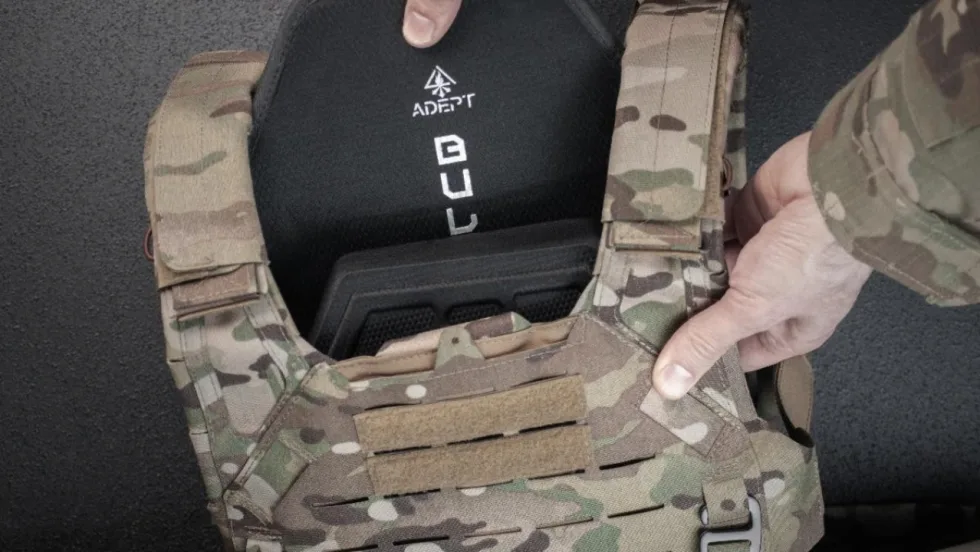
Adept Armor Introduces Two New Rifle Plates
Adept Armor has launched two new Level IV ballistic plates, the Emperor and the Archon Mark 2, which brings Adept Armor’s new Quatroid ceramic to the high-threat, performance-value center of the range at 5.2 pounds.
Read More →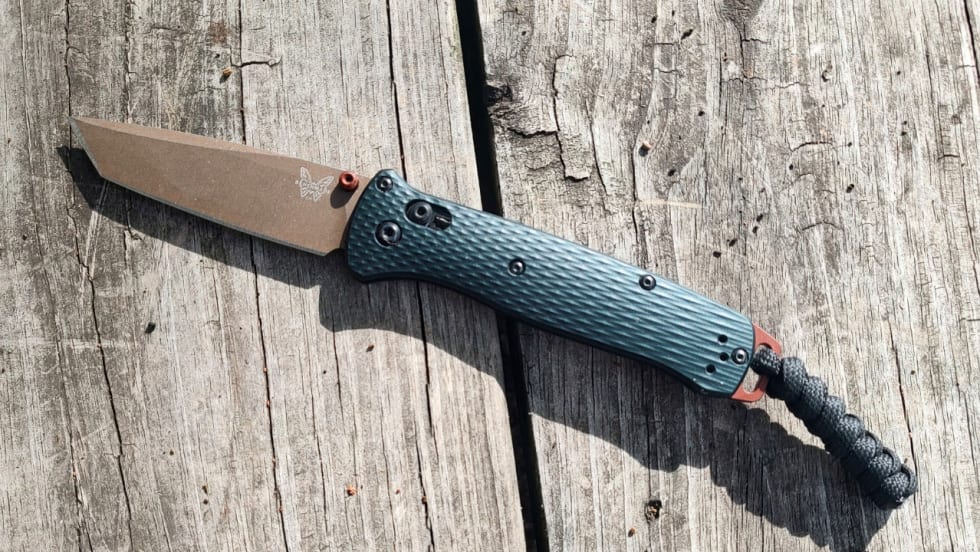
POLICE Product Test: Benchmade Bailout
The Benchmade Bailout is a slim, lightweight carry knife with a deep-ride pocket clip and comes in a variety of blade steels and scales. Here is a detailed review of the Taiga Green Bailout, released earlier this year.
Read More →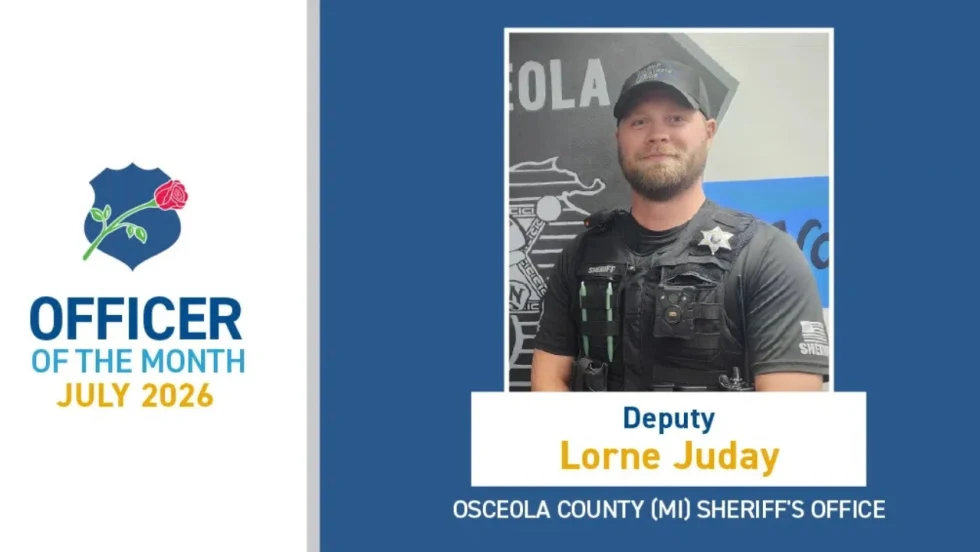
NLEOMF Announces July 2026 Officer of the Month
NLEOMF honored a Michigan deputy sheriff as the July 2026 Officer of the Month for rescuing a trapped driver from a burning vehicle following a Fourth of July crash.
Read More →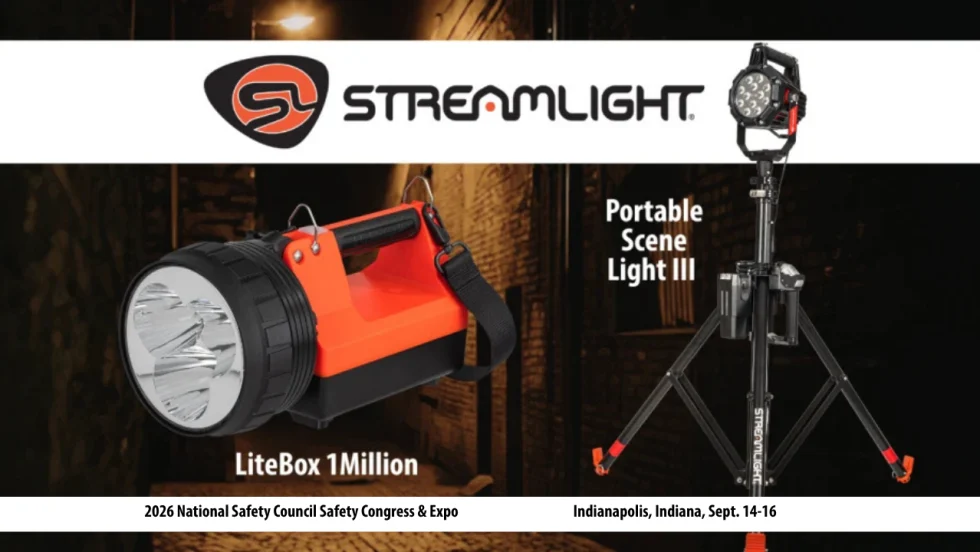
Streamlight to Showcase Newest Lighting Products at National Safety Council’s Safety Congress & Expo 2026
Streamlight will showcase its latest lights, including the Portable Scene Light III and the LiteBox 1Million, at the 2026 National Safety Council (NSC) Safety Congress & Expo.
Read More →
The 2027 World Police & Fire Games Set for Perth, Australia
The 2027 World Police & Fire Games (WPFG) will take place in Perth, Western Australia, from Friday, March 12 through Sunday, March 21, 2027.
Read More →
5.11 Partners with National Fallen Firefighters Foundation to Support #ForThe343
5.11 has joined the nationwide movement honoring the 343 New York City Fire Department firefighters lost on Sept. 11, 2001.
Read More →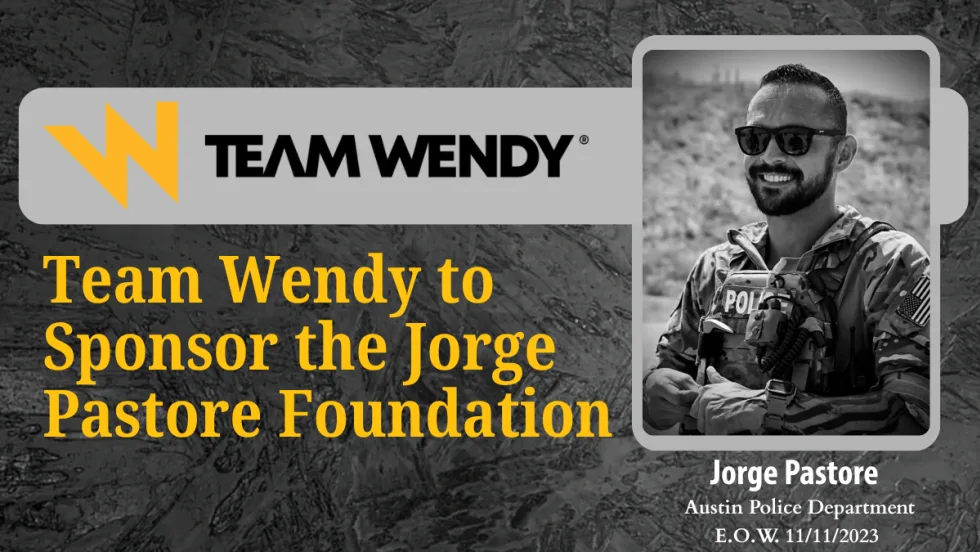
Team Wendy Announces Title Sponsorship of the Jorge Pastore Foundation
Team Wendy’s 3-year partnership with the Jorge Pastore Foundation expands access to programs that strengthen those who serve.
Read More →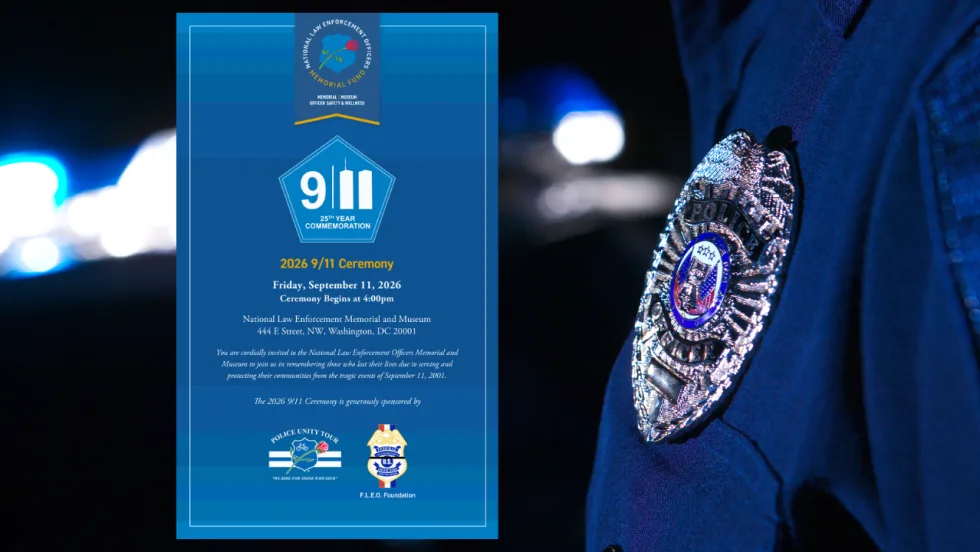
National Law Enforcement Memorial and Museum Hosting 9/11 25th-Year Commemoration Ceremony
The National Law Enforcement Memorial and Museum is hosting a 9/11 25th Year Commemoration Ceremony on Sept. 11 at 4 p.m.
Read More →
National Law Enforcement Officers Memorial Fund Announces June 2026 Officers of the Month
The National Law Enforcement Officers Memorial Fund (NLEOMF) named 15 officers of the Chico Police Department (California) as the Officers of the Month for June 2026 for their roles in responding to an active-shooter incident at a public library.
Read More →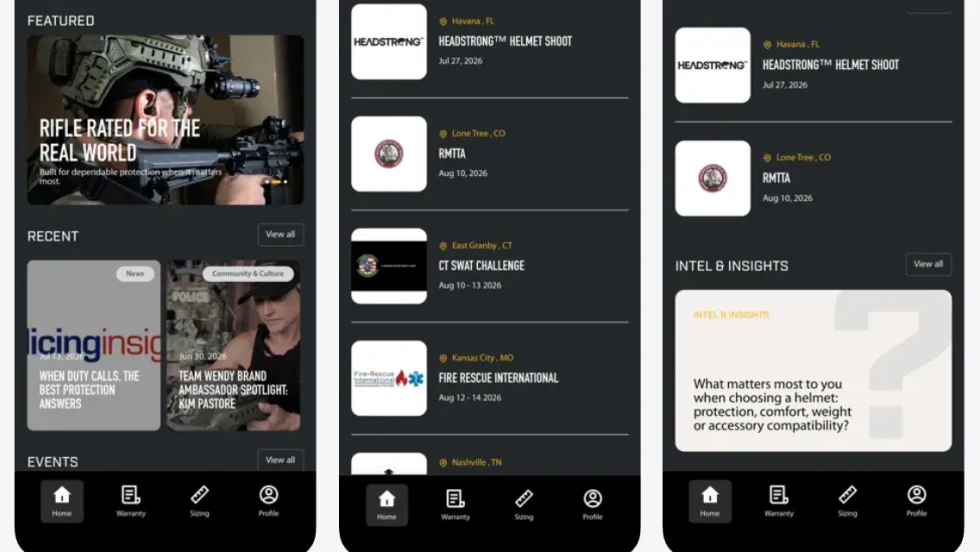
Team Wendy App Creates New Digital Hub for Helmet Owners
The Team Wendy Community App provides one location for warranty registration, size-fit tools, product updates, and community connection. For helmet owners, the new app creates a simpler path to the information and tools that matter most.
Read More →