



Mumbai: You Would Have Shot Back
American law enforcement would react faster, with more courage than its Indian counterparts and that would make it harder for terrorists to slaughter citizens.

One image from the Mumbai Massacre haunts me. It's a photo that was taken by Sebastian D'Souza of the Mumbai Mirror, a local daily newspaper.
That photo shows a young terrorist stalking the Chhatrapati Shivaji train station. He's holding an assault rifle in one hand, muzzle pointing at the floor. Slung across his shoulder is a large blue pack undoubtedly filled with extra magazines and explosives.
D'Souza snapped this photo while hiding in a train car. He is on the flank of the terrorist, and the terrorist doesn't notice him. From his perch, the photographer also saw many armed police who like him were hiding in the shadows, not taking the battle to the terrorists. "I ran up to them and told them to use their weapons. I said, 'Shoot them. They're sitting ducks!' But they just didn't shoot back," D'Souza told the press.
Now, I've never been under fire. But I know two universal truths of armed combat. One: No one really knows how he or she would react in such a situation until the bullets start to fly. Two: Training reduces hesitancy, instills confidence, and makes it more likely that a frightened warrior will do his or her duty and shoot back.
So I have to conclude that the training given to Indian police is sorely lacking.
And I also believe deep in my soul that the men and women of American law enforcement would have met such an attack with much more courage, and the bad guys would have had a lot less opportunity to murder unarmed civilians.
Consider the following examples of your courage and dedication to preserving innocent life.
Feb. 28, 1997. Officers of the Los Angeles Police Department are outgunned by two bank robbers clad in armor and carrying automatic rifles. Despite the fact that their Beretta 9mm pistols and 12-gauge patrol shotguns are ineffective against the robbers, the LAPD stands and fights. They face withering fire from the bank robbers, and 10 of them are wounded (some very seriously), but the officers prevail. They protect the people of North Hollywood and each other from the gunmen.
Sept. 11, 2001. Men and women from the NYPD and the Port Authority Police rush into the burning towers of the World Trade Center to rescue their fellow citizens. Many of them did not survive.
Feb. 12, 2007. Sgt. Kenneth Hammond of the Ogden (Utah) Police Department is having an early Valentine's Day dinner with his wife at Salt Lake City's Trolley Square Mall. Shots ring out. Hammond has his wife take cover and dial 9-1-1, and he goes out to engage the gunman. Hammond draws the fire of 18-year-old Sulejman Talovic and shoots back until help arrives from Salt Lake SWAT. Talovic killed five and wounded four. But if Hammond hadn't taken action that night, the casualty count would have been much higher.
These and countless other incidents in which American officers have stood and fought against overwhelming odds, run into the flames, and engaged active shooters lead me to believe that you would shoot back against heavily armed terrorists, even at the cost of your own lives.
Since the Mumbai Massacre, I've had a lot of conversations with people discussing whether America would fare better in such an assault. I believe we would. I think American law enforcement would react faster and with more courage than its Indian counterparts and that would make it harder for the terrorists to commit wholesale slaughter. Who knows, depending on what state they hit, they might also run into armed civilians who would also stand and fight to save their families and friends.
I write this to praise you for your professionalism and warrior spirit. But I don't want it to lull you into a false sense of security. Mumbai could happen here. POLICE correspondent and retired Cleveland SWAT commander Bob O'Brien discusses the scenarios and your probable responses in some of his recent articles on the SWAT Channel at PoliceMag.com.
But if/when the Mumbai scenario happens in America, I can tell you one thing for certain: You will shoot back.
More Patrol
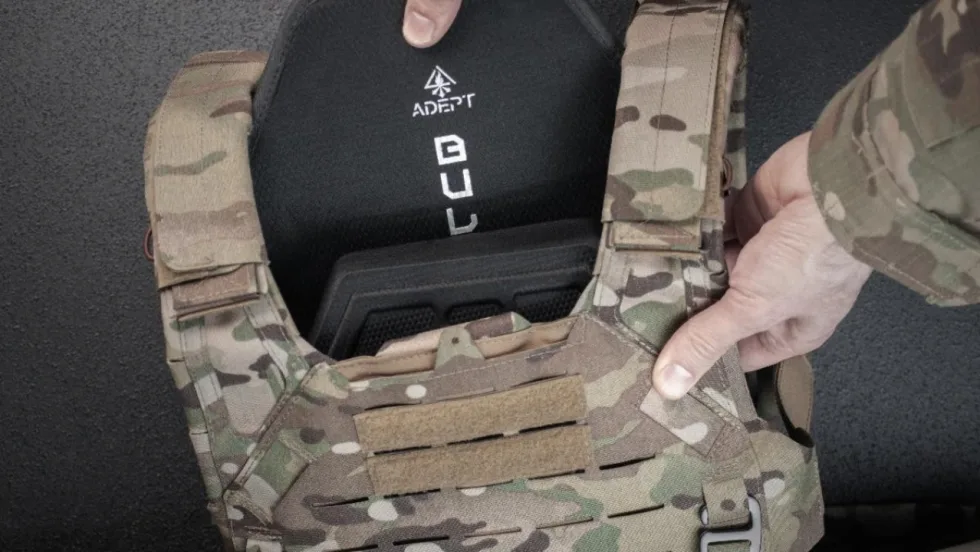
Adept Armor Introduces Two New Rifle Plates
Adept Armor has launched two new Level IV ballistic plates, the Emperor and the Archon Mark 2, which brings Adept Armor’s new Quatroid ceramic to the high-threat, performance-value center of the range at 5.2 pounds.
Read More →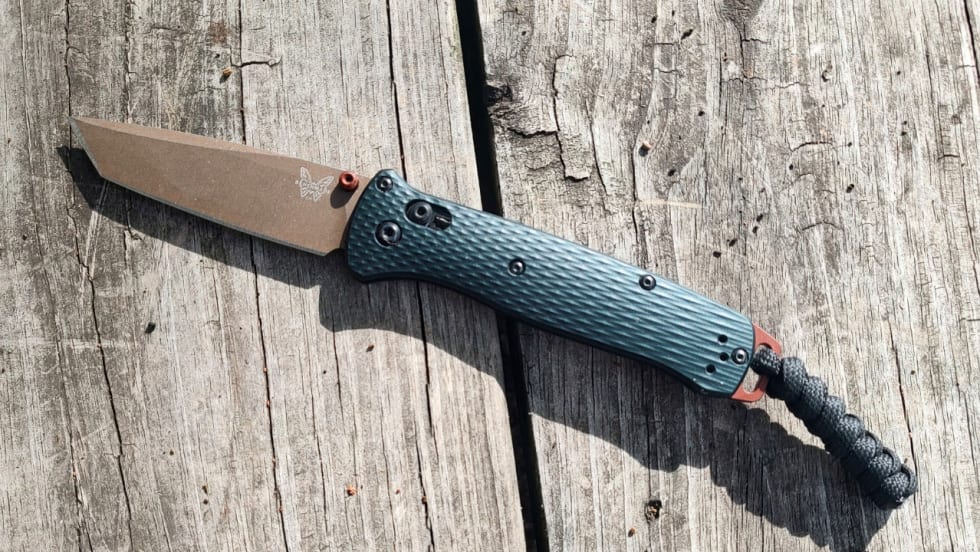
POLICE Product Test: Benchmade Bailout
The Benchmade Bailout is a slim, lightweight carry knife with a deep-ride pocket clip and comes in a variety of blade steels and scales. Here is a detailed review of the Taiga Green Bailout, released earlier this year.
Read More →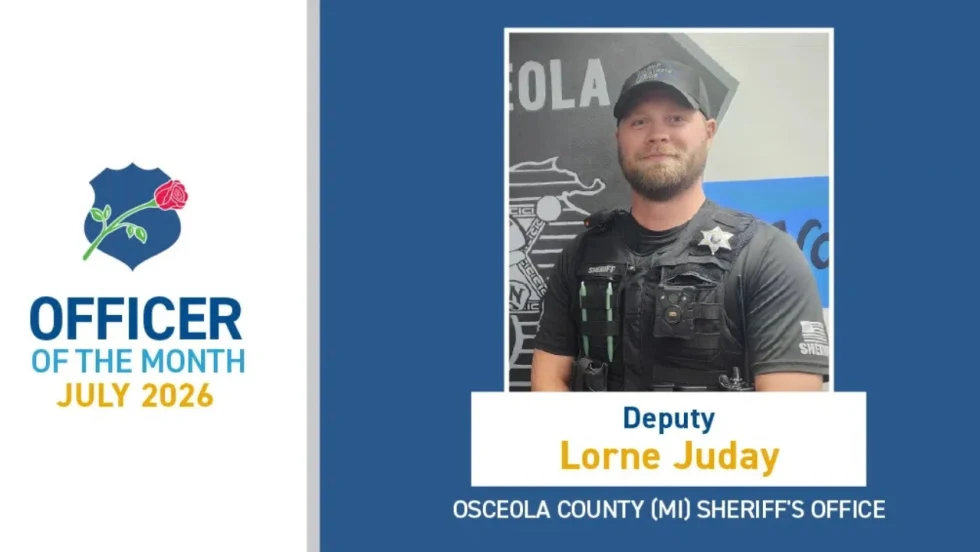
NLEOMF Announces July 2026 Officer of the Month
NLEOMF honored a Michigan deputy sheriff as the July 2026 Officer of the Month for rescuing a trapped driver from a burning vehicle following a Fourth of July crash.
Read More →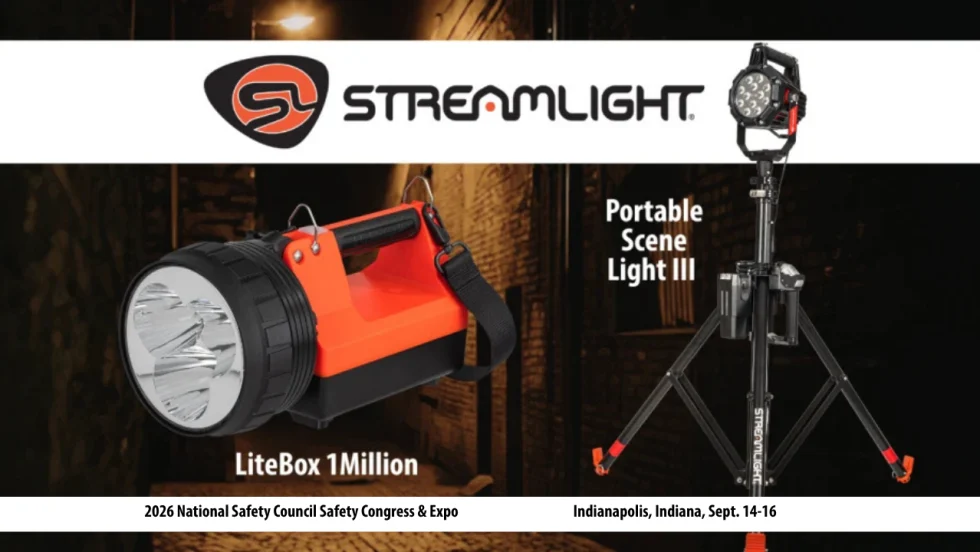
Streamlight to Showcase Newest Lighting Products at National Safety Council’s Safety Congress & Expo 2026
Streamlight will showcase its latest lights, including the Portable Scene Light III and the LiteBox 1Million, at the 2026 National Safety Council (NSC) Safety Congress & Expo.
Read More →
The 2027 World Police & Fire Games Set for Perth, Australia
The 2027 World Police & Fire Games (WPFG) will take place in Perth, Western Australia, from Friday, March 12 through Sunday, March 21, 2027.
Read More →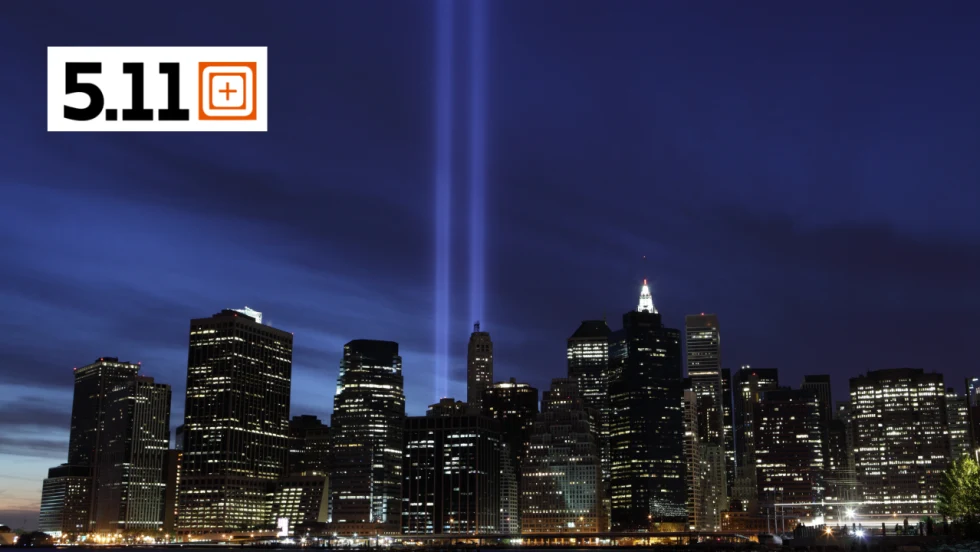
5.11 Partners with National Fallen Firefighters Foundation to Support #ForThe343
5.11 has joined the nationwide movement honoring the 343 New York City Fire Department firefighters lost on Sept. 11, 2001.
Read More →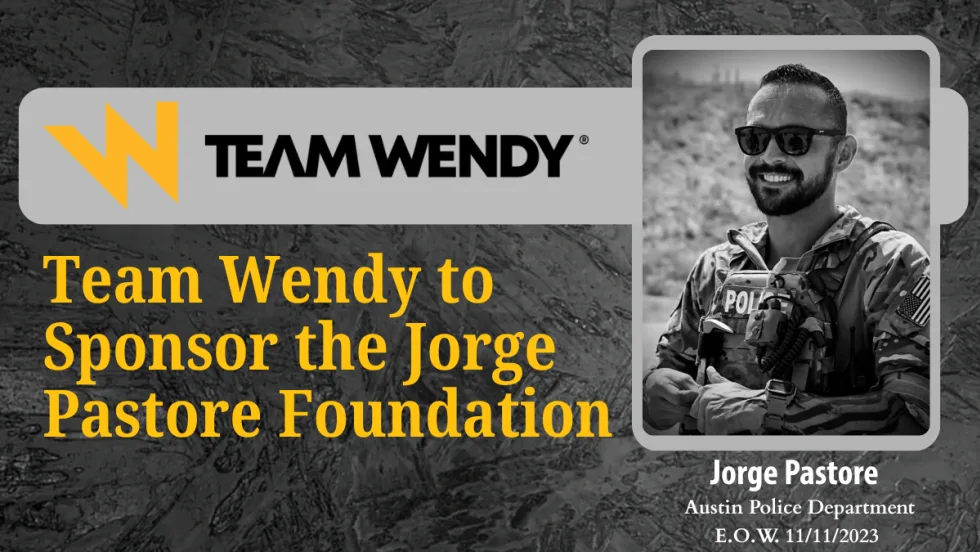
Team Wendy Announces Title Sponsorship of the Jorge Pastore Foundation
Team Wendy’s 3-year partnership with the Jorge Pastore Foundation expands access to programs that strengthen those who serve.
Read More →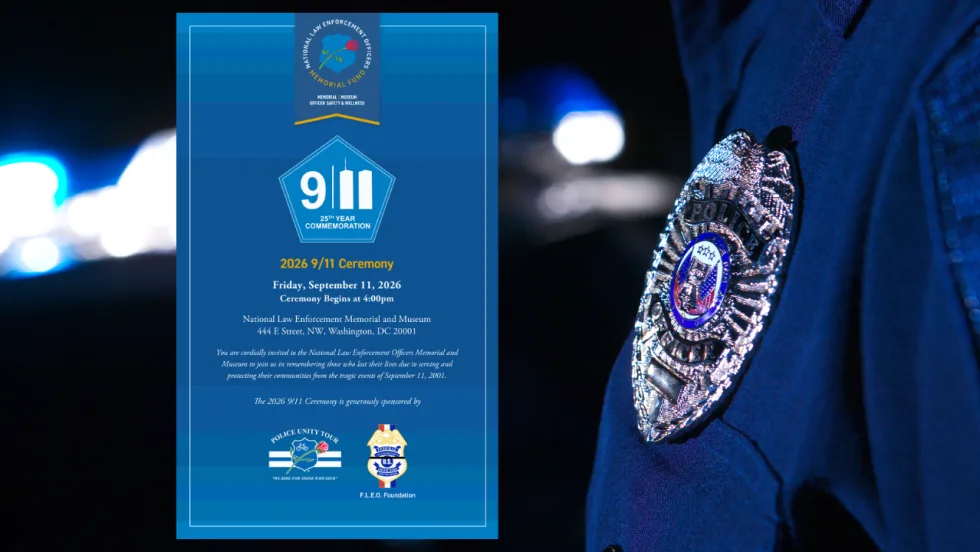
National Law Enforcement Memorial and Museum Hosting 9/11 25th-Year Commemoration Ceremony
The National Law Enforcement Memorial and Museum is hosting a 9/11 25th Year Commemoration Ceremony on Sept. 11 at 4 p.m.
Read More →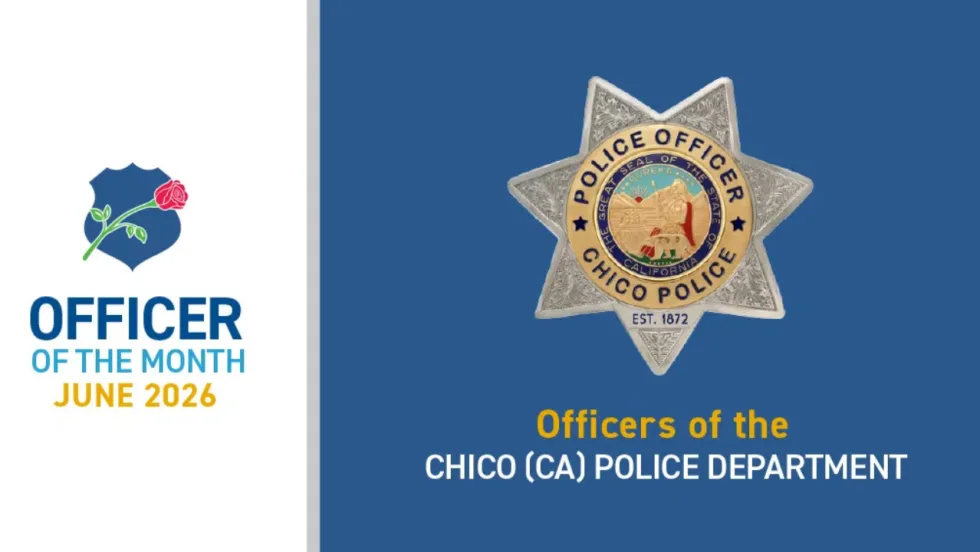
National Law Enforcement Officers Memorial Fund Announces June 2026 Officers of the Month
The National Law Enforcement Officers Memorial Fund (NLEOMF) named 15 officers of the Chico Police Department (California) as the Officers of the Month for June 2026 for their roles in responding to an active-shooter incident at a public library.
Read More →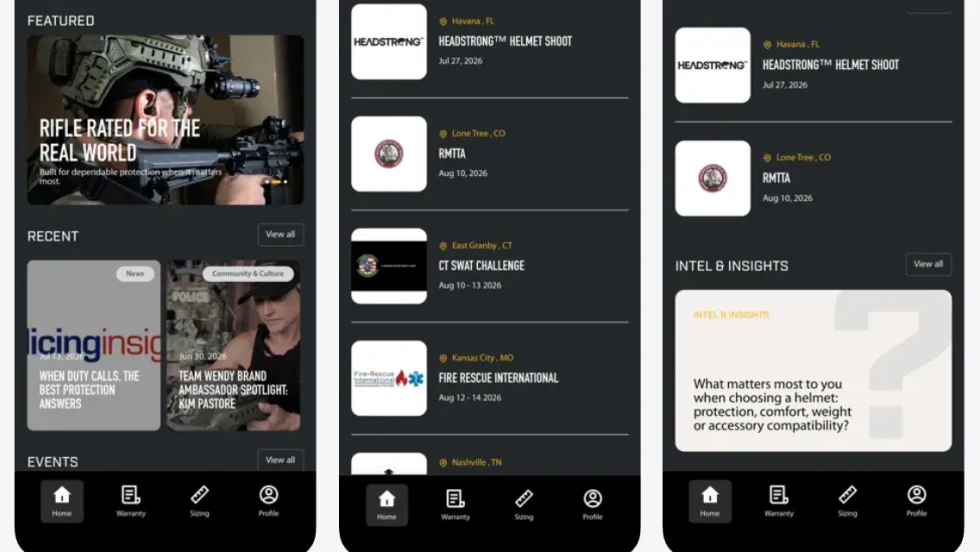
Team Wendy App Creates New Digital Hub for Helmet Owners
The Team Wendy Community App provides one location for warranty registration, size-fit tools, product updates, and community connection. For helmet owners, the new app creates a simpler path to the information and tools that matter most.
Read More →