



Mobile Forensics in Transition
One reason why there is so much demand to move the preliminary forensic analysis of mobile devices out of the lab is that agencies are realizing the value of knowing what is on a suspect's or even a victim's smartphone during an investigation.

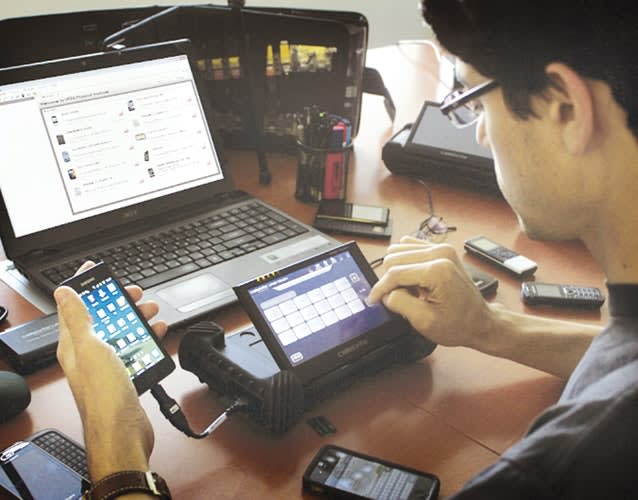
Photo: Cellebrite
Criminals and their victims use smartphones, tablets, GPS systems, and other mobile digital devices as much as just about anyone else in contemporary America. Which means that mobile forensics is one of the fasting growing fields of law enforcement technical expertise. And it also means that the labs that perform analysis on mobile devices have been overwhelmed with a huge backlog of work.
One way that many experts believe this backlog will be reduced is by moving some mobile forensic expertise and tasks downstream in the process. The benefits of criminal investigators learning how to conduct at least preliminary mobile forensic analysis are many. But the most important one is that it will help them develop leads from digital evidence faster and potentially prevent crimes that might be committed while waiting on mobile forensic analysis of devices by regional, county, and state labs.
"Our solution set has evolved quite a bit over the years and that has made the process of extracting data from mobile devices easier," says Jeremy Nazarian, vice president of marketing for Cellebrite, a global mobile technology company that produces one of the most commonly used tools in mobile forensics, the Universal Forensic Extraction Device (UFED).
Nazarian says today most UFED users are lab technologists who have been trained and certified in mobile forensics examination. But he believes that is changing. "Mobile Forensics is currently a specialized skill set. However, I would say that it's not going to continue to be," Nazarian explains. "We see tremendous demand for use of mobile forensics outside of the lab and in the field."
One reason why there is so much demand to move the preliminary forensic analysis of mobile devices out of the lab is that agencies are realizing the value of knowing what is on a suspect's or even a victim's smartphone during an investigation. This information has been the key in closing a wide variety of criminal cases in the last few years, including murder, stalking, child exploitation, and even domestic abuse. The data on smartphones has also led investigators to broaden the scopes of their suspect and victim lists.
Nazarian says investigators are now looking at patterns of interaction between subjects in mobile forensic data in a way that was hardly considered in the past. Which is another reason that field officers need quicker access to mobile forensic data and therefore need to be involved in the collection of that data.
Cellebrite has developed tools to help investigators find patterns of contact in mobile forensic data. "A couple of years ago we realized in addition to getting data from various devices and the various applications that run on devices we needed to do more to make that data actionable in both the formative stages of an investigation as well as the pre-trial stages," Nazarian says. "To that end we introduced a link analysis product, which takes data from multiple devices and shows in a visual way the connections between different entities and people who might be relevant to the case."
Of course in order to make use of this information, the investigators need to have someone pull the data off of the device—a process known in the mobile forensics field as "offloading"—in a timely manner. Which isn't possible at some overworked labs. This is why agencies are asking some of their detectives to gain the skills. "The backlog is such now across the board that local agencies are realizing they need the competency in house and need to invest in a device and at least have one person go through training in order to have the ability to use it effectively," Nazarian says.
There are a variety of ways that an investigator can gain the mobile forensic skills needed to not only offload the data from a smartphone or other digital device. They can even actually acquire a UFED and teach themselves, but the problem with that approach is that it doesn't cover key aspects of mobile forensic analysis and how to preserve the chain of evidence that is essential for a successful prosecution.
One of the best options for mobile forensics training is to enroll in Cellebrite's UFED training program. The training can be attended in person or completed online. It consists of three classes: Mobile Forensics Fundamentals, Logical Operator, and Physical Operator. In a final session, students prep for the certification exam and take the exam. Nazarian says the entire program takes five days to complete in the classroom. Of course, online students proceed at their own pace. Many students take the fundamentals course online and attend the Logical Operator and Physical Operator courses in person.
The two main courses, Logical Operator and Physical Operator, teach the two primary methods for extracting data from a mobile device.
Logical extraction is basically a way of looking at all of the active information on a device in a much faster and much more organized way than if you were to just turn on the phone and start rifling through all the e-mails, texts, search histories, and apps.
Physical extraction is a little more involved. It's the bit-by-bit reimaging of a hard drive and a way of recovering deleted files, photos, texts, and other data from a subject's smartphone or other mobile device.
Nazarian says Cellebrite's mobile forensic training is well suited to training criminal investigators to offload data in the field because it was developed by people with backgrounds in both law enforcement and forensics. "All of our instructors have a blended background," he explains. "So in addition to providing the tools and technology to help mobile forensics practitioners extract and analyze data from mobile devices, we are also providing a formal certification to ensure that they not only know how to use the tools properly but understand the best practices for evidence collection for preservation and issues related to chain of custody so that the work they do is most apt to stand up in court."
For more information about Cellebrite go to https://cellebrite.com/en/mobile-forensics/
More Technology
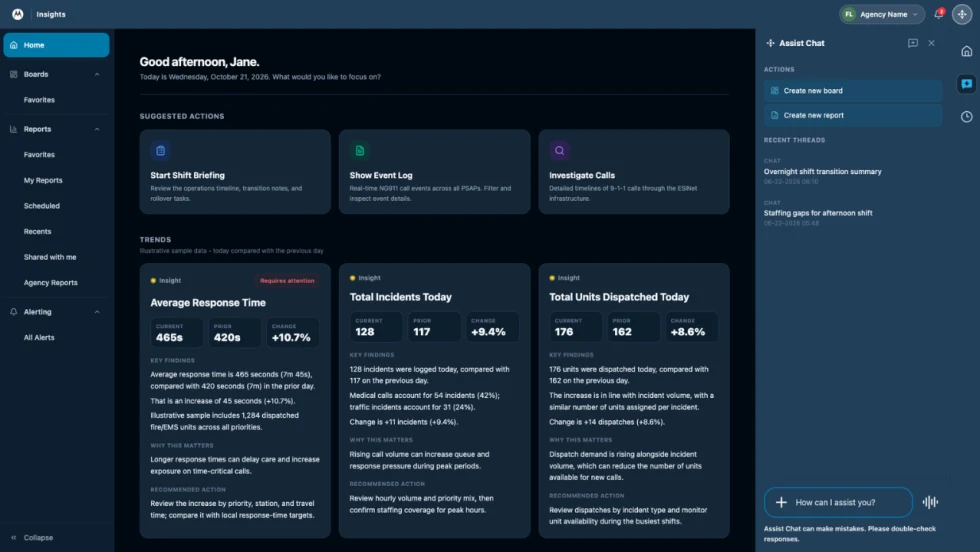
How Motorola Solutions’ New “Insights” Platform Helps Public Safety Agencies Identify Trends to Improve Their Operations
Motorola Solutions has introduced Insights, which leverages Assist, its mission-critical artificial intelligence (AI), to address these challenges and shape what’s next for public safety analytics and reporting technology.
Read More →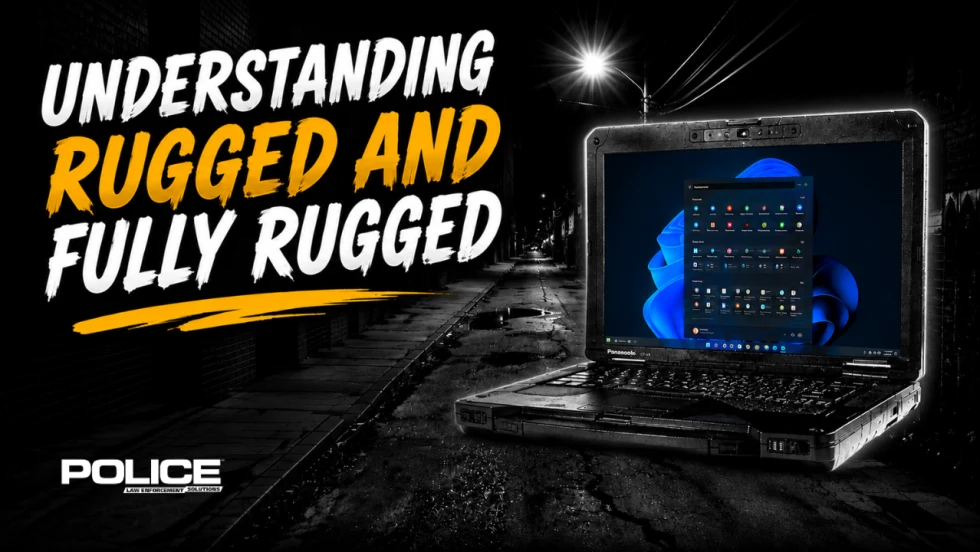
What Qualifies a Laptop as Rugged or Fully Rugged?
Police officers face a wide range of working conditions that can damage or even destroy a regular consumer laptop. Learn what qualifies a computer as rugged or fully rugged and why those devices are vital for law enforcement.
Read More →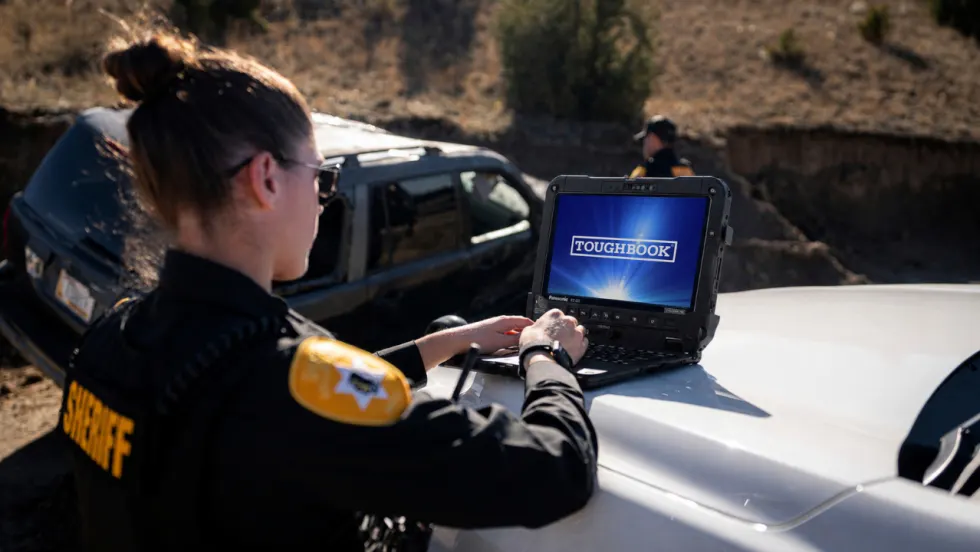
Panasonic Connect Launches the Toughbook 34 and Toughbook G3, Fully Rugged 2-in-1 Mobile Computers
Panasonic Connect has launched the Toughbook 34 and Toughbook G3 to facilitate in-vehicle dispatch, records management, and mobile command operations from any location.
Read More →
A police agency's guide to data-driven fleet management
Costs are rising and the public expects more transparency into how their tax dollars are spent. This e-book shows how police agencies can use fleet data to take control of fleet expenses while improving officer safety and demonstrating fiscal responsibility to the communities they serve.
Read More →
AI and analytics for law enforcement: Turning data into insights
Law enforcement agencies are managing more video, sensor data and digital evidence than ever before. Discover how AI and analytics can help turn that data into actionable insights that strengthen situational awareness, accelerate investigations and support more informed decisions.
Read More →
Vasco Electronics Adds Automatic Language Detection to Vasco Translator Q1
Vasco Electronics’ software update introduces hands-free language switching and expanded offline translation across 45 language pairs, empowering law enforcement, healthcare, and front-office enterprise teams
Read More →
North Miami Police Department Deploys Mark43
The North Miami Police Department has deployed Mark43 as part of its Five-Year Strategic Plan that represents its collective vision and goals for a more proactive police department, anchored by a core commitment to leveraging modern technology to enhance efficiency and public safety.
Read More →
Cellebrite Genesis for Enterprise Now Generally Available
Made available to the public sector in June, Cellebrite Genesis is serving a growing mix of national, regional, and local agencies worldwide, including some of the largest regional and metropolitan police departments. It is now available for enterprise organizations.
Read More →
2026 Vision FirstNet Users Summit to Host Emerging Leaders Training on Grassroots Advocacy for Public Safety
“Emerging Leaders Training: Understanding the Importance of Grassroots Advocacy for Public Safety," a session during the 2026 Vision FirstNet Users Summit, will offer a roadmap for unified advocacy at the federal level.
Read More →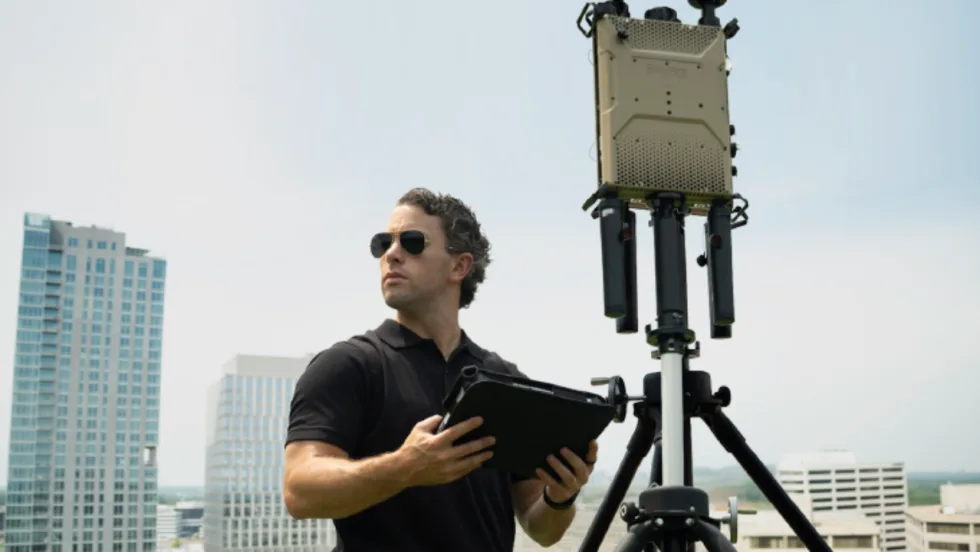
Motorola Solutions Completes Acquisition of D-Fend Solutions
Motorola Solutions has acquired D-Fend Solutions, an industry leader in counter-drone technology. This deal provides public safety and enterprise customers with access to advanced counter-unmanned aerial systems.
Read More →