



Militarization or Officer Safety Precautions?
Seizing upon the naive theme that law enforcement has become over militarized, Rep. Chris Stewart (R-Utah) recently introduced a bill titled "The Regulatory Agency Demilitarization Act" (H.R. 4934) that would disarm most Inspector General (IG) criminal investigators. His bill would revoke most IG agents' law enforcement authority and take away their authority to carry firearms and to make arrests.

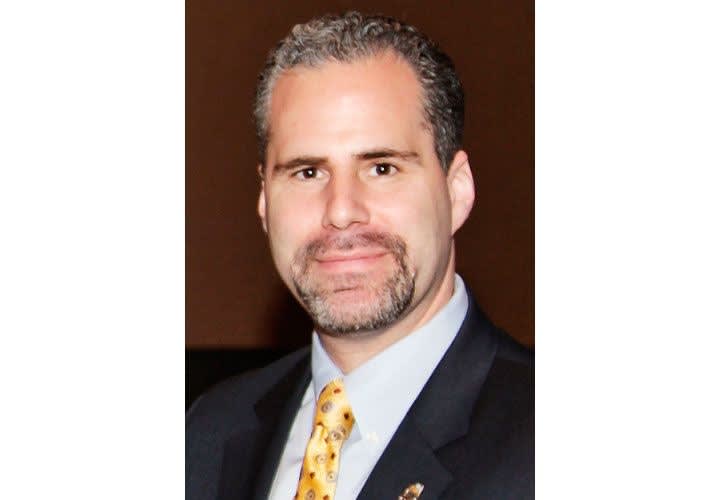
Seizing upon the naive theme that law enforcement has become over militarized, Rep. Chris Stewart (R-Utah) recently introduced a bill titled "The Regulatory Agency Demilitarization Act" (H.R. 4934) that would disarm most Inspector General (IG) criminal investigators. His bill would revoke most IG agents' law enforcement authority and take away their authority to carry firearms and to make arrests. Stewart and his staff have publicly referred to this bill as the "RAD Act."
Both the bill's title and its content belittle IG special agents by referring to them as "regulators" who are militarized in their appearance and tactics. Unfortunately, in reaching his misguided conclusions, Stewart failed to objectively assess the vast accomplishments of IG special agents, their professional tactical training, and the risks they face enforcing the law.
Consider these examples.
The Department of Labor's IG special agents work labor racketeering investigations. In the past three years, the agents' efforts resulted in 1,277 criminal convictions and $679 million in recoveries. This includes hardened defendants involved in organized crime.
The Social Security Administration's IG also employs criminal investigators who are at the forefront in investigating identity theft. A recent notable case involved the apprehension of a violent fugitive who eluded capture by hiding behind two stolen identities.
The Department of Health and Human Services' IG employs special agents to investigate a variety of crimes. Last month these agents played a pivotal role in the charging of six defendants for allegedly running an illegal prescription drug operation.
In addition to the criminal prosecutions their investigations trigger, IG special agents bring in billions of dollars in case recoveries. If these agents were unwilling to accept considerable risk in the arrest of these criminals, there would be no financial recoveries. If criminals were permitted to shamefully defraud HHS, how would that weigh on taxpayer trust?
It is ignorant to suggest the vast investigative responsibilities of the IG special agents can be absorbed by the Department of Justice and the Department of Homeland Security. All federal law enforcement agencies endured critical cuts during the last three years from the sequester and the budget freezes, and no agency has the resources to absorb the duties of another agency.
And why are Stewart and other elected officials using the term "militarization" as if it's the plague? Law enforcement has drawn on the principles of small-unit military tactics to improve enforcement efficiency and officer safety. Examples of these tactics include stacking in a certain formation prior to entering on a warrant and the manner in which a team effects entry. It may shock Stewart to learn that the more efficient law enforcement is, the less likely it is anyone will sustain injury during service of a warrant.
Rep Stewart's RAD bill mischaracterizes properly equipped federal agents asserting a police presence as being "militarized." Prudent steps for officer safety should not be misconstrued as militarization.
Stewart disparages the risks IG special agents face by referring to them as "...regulators armed to the teeth and breaking into homes and businesses." Contrary to this misguided assertion, special agents aren't thugs who break into homes. They breach doors as a last resort when a non‐compliant subject ignores their warrants and their lawful authority. Is it Stewart's intention to cater to individuals who think they're above the law and are not subject to federal laws?
Rep. Stewart also alleges in his RAD bill that IG special agents are militarized in appearance. I guess he thinks they dress up in armor and carry AR-15s because it looks cool.
IG special agents are not playing in some nefarious masquerade where they dress up like Ninja Turtles for giggles; they are engaging in enforcement operations and facing armed criminals.
It is also important to note that if, as Stewart alleges, some IG special agents have acted like soldiers gone wild, their actions are subject to internal investigation by units like Internal Affairs, and even the FBI. Considering this insufficient, Stewart wants to disarm IG special agents, leaving government institutions vulnerable to criminal fraud. There isn't anything "rad" about Congressman Stewart's RAD bill.
More Patrol
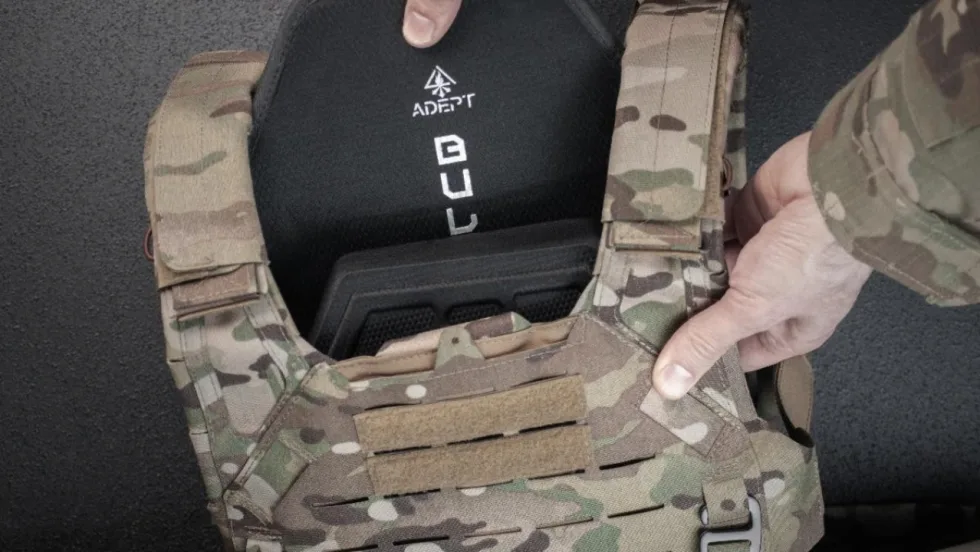
Adept Armor Introduces Two New Rifle Plates
Adept Armor has launched two new Level IV ballistic plates, the Emperor and the Archon Mark 2, which brings Adept Armor’s new Quatroid ceramic to the high-threat, performance-value center of the range at 5.2 pounds.
Read More →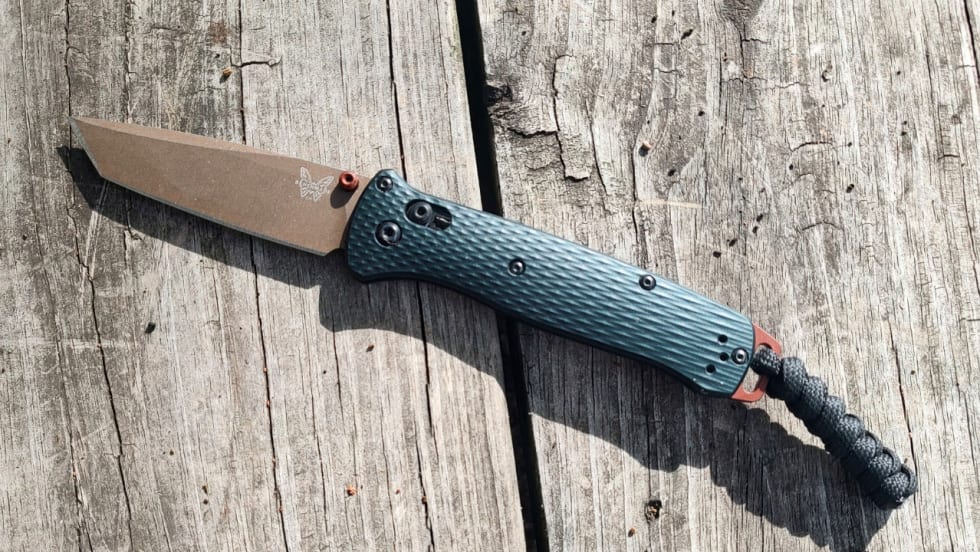
POLICE Product Test: Benchmade Bailout
The Benchmade Bailout is a slim, lightweight carry knife with a deep-ride pocket clip and comes in a variety of blade steels and scales. Here is a detailed review of the Taiga Green Bailout, released earlier this year.
Read More →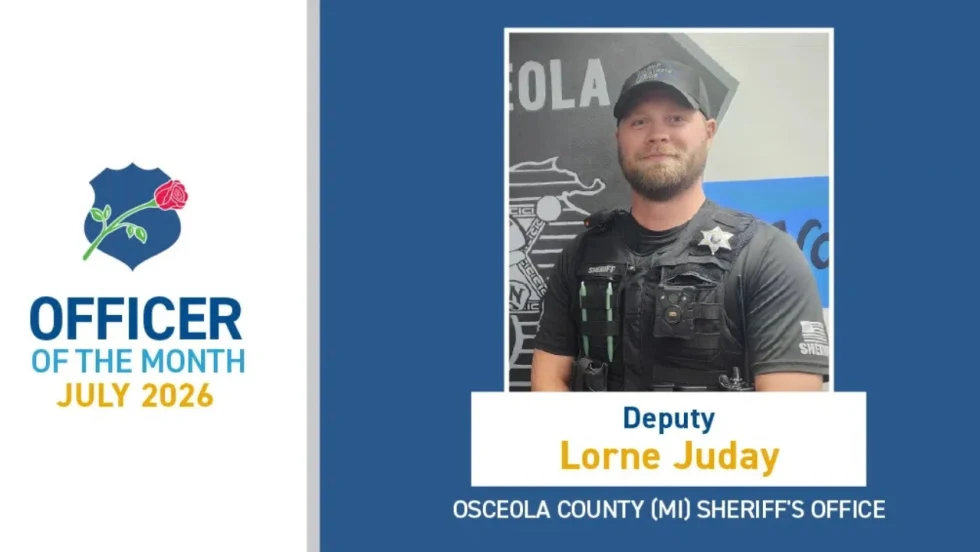
NLEOMF Announces July 2026 Officer of the Month
NLEOMF honored a Michigan deputy sheriff as the July 2026 Officer of the Month for rescuing a trapped driver from a burning vehicle following a Fourth of July crash.
Read More →
Streamlight to Showcase Newest Lighting Products at National Safety Council’s Safety Congress & Expo 2026
Streamlight will showcase its latest lights, including the Portable Scene Light III and the LiteBox 1Million, at the 2026 National Safety Council (NSC) Safety Congress & Expo.
Read More →
The 2027 World Police & Fire Games Set for Perth, Australia
The 2027 World Police & Fire Games (WPFG) will take place in Perth, Western Australia, from Friday, March 12 through Sunday, March 21, 2027.
Read More →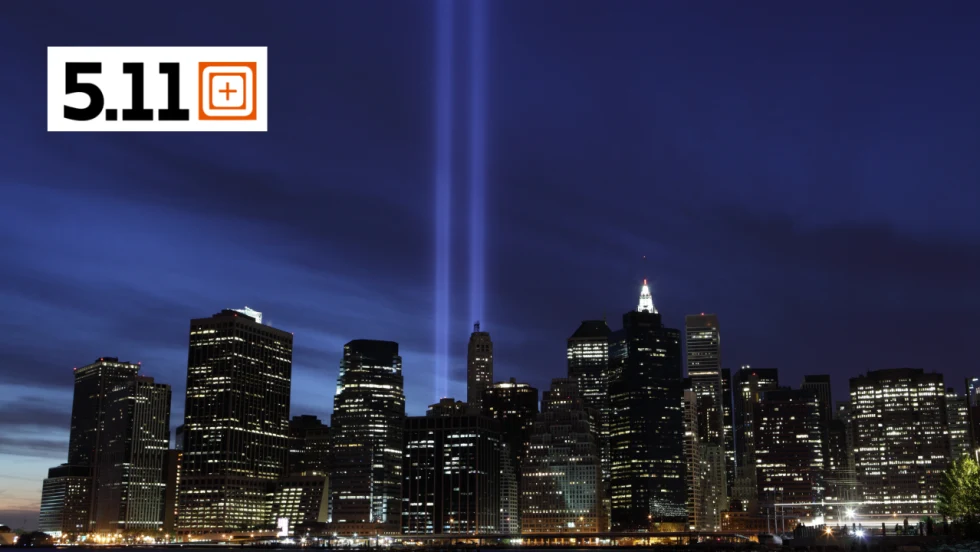
5.11 Partners with National Fallen Firefighters Foundation to Support #ForThe343
5.11 has joined the nationwide movement honoring the 343 New York City Fire Department firefighters lost on Sept. 11, 2001.
Read More →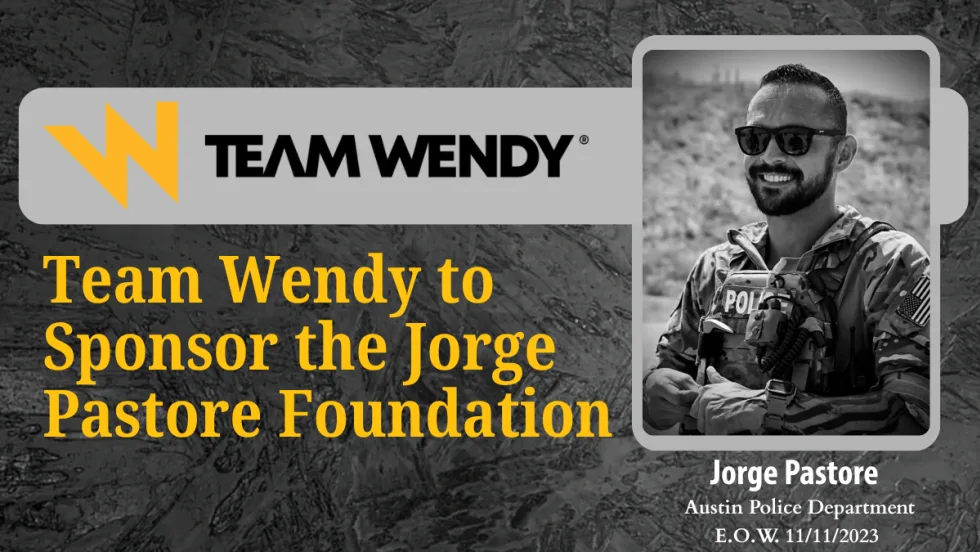
Team Wendy Announces Title Sponsorship of the Jorge Pastore Foundation
Team Wendy’s 3-year partnership with the Jorge Pastore Foundation expands access to programs that strengthen those who serve.
Read More →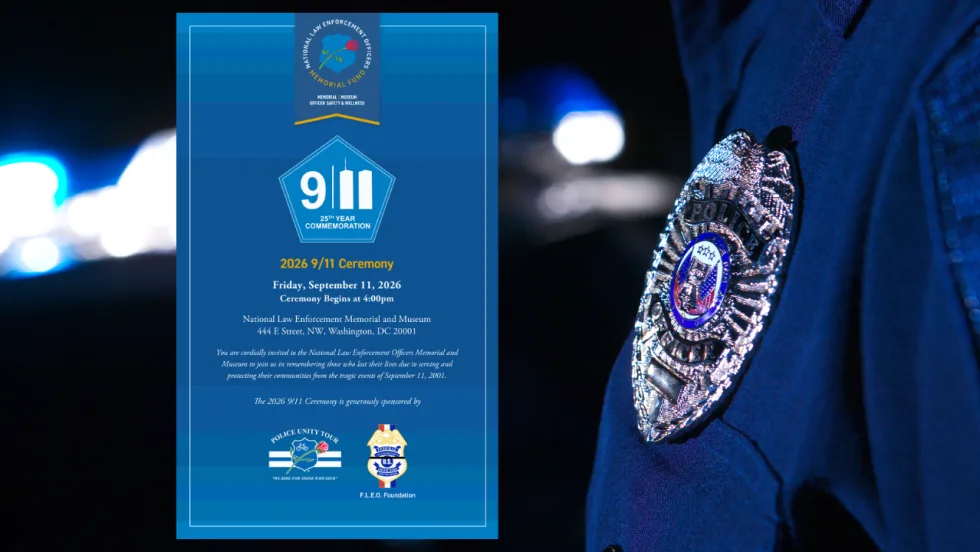
National Law Enforcement Memorial and Museum Hosting 9/11 25th-Year Commemoration Ceremony
The National Law Enforcement Memorial and Museum is hosting a 9/11 25th Year Commemoration Ceremony on Sept. 11 at 4 p.m.
Read More →
National Law Enforcement Officers Memorial Fund Announces June 2026 Officers of the Month
The National Law Enforcement Officers Memorial Fund (NLEOMF) named 15 officers of the Chico Police Department (California) as the Officers of the Month for June 2026 for their roles in responding to an active-shooter incident at a public library.
Read More →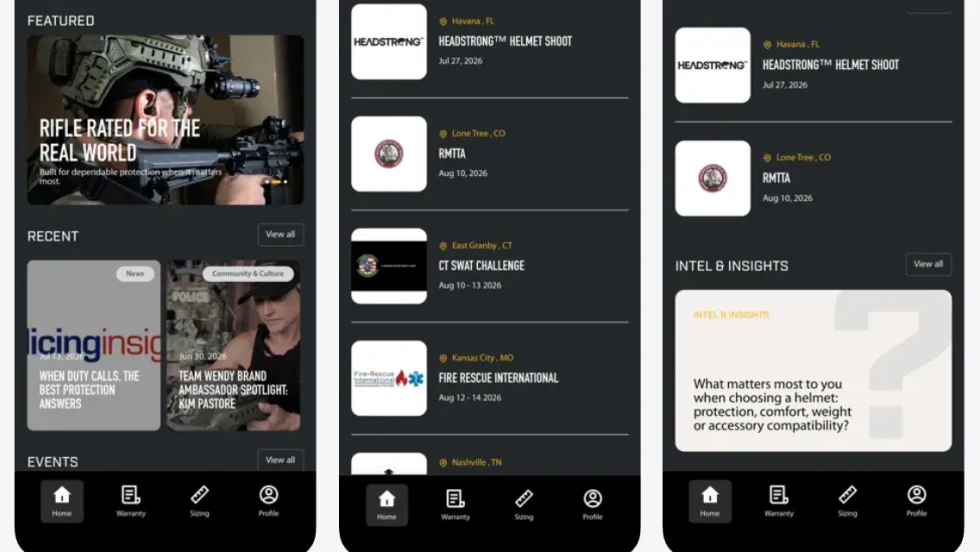
Team Wendy App Creates New Digital Hub for Helmet Owners
The Team Wendy Community App provides one location for warranty registration, size-fit tools, product updates, and community connection. For helmet owners, the new app creates a simpler path to the information and tools that matter most.
Read More →