



Mentally Ill Subjects
Research shows that approximately five percent of U.S. citizens have a serious mental illness. What this means for law enforcement is that approximately seven percent of police contacts involve a mentally ill person and 10 to 15 percent of incarcerated persons are mentally ill.

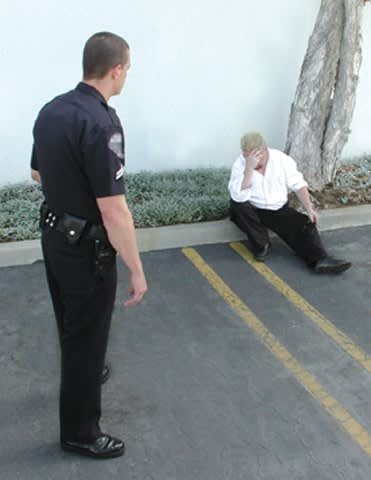
Community Policing was not the only community-based initiative spawned in the 1960s. The "Community" concept was also visited on the mental health profession when it was posited that removing the mentally ill from psychiatric hospitals and placing them in the community would speed their recovery.
This deinstitutionalization movement resulted in many more mentally ill citizens on the streets. Unfortunately, many communities did not develop appropriate community-based mental health treatment networks and many mentally ill people were left on the street without proper medical supervision. Such mismanagement left law enforcement with the responsibility of dealing with the mentally ill in crisis.
Seven Percent of Contacts
Research shows that approximately five percent of U.S. citizens have a serious mental illness. What this means for law enforcement is that approximately seven percent of police contacts involve a mentally ill person and 10 to 15 percent of incarcerated persons are mentally ill. From these stats, it's clear that any law enforcement agency would be well served to have a plan in place for dealing with mentally ill offenders.
When law enforcement comes in contact with a mentally ill person, it is usually for a misdemeanor, disturbing the peace type of call. Despite the case of Virginia Tech mass murderer Cho Seung-Hui, the mentally ill are not usually violent.
Officers conducting their community caretaking function tend to encounter mentally ill subjects on a variety of calls.
First, and most commonly, the mentally ill often disturb the peace. They also scare family members and friends who may call for help during a psychiatric emergency. And they scare themselves, so sometimes mentally ill subjects call the police because they feel suicidal or perceive (real or imagined) threats.
Another likely point of contact occurs when businesses call the police looking for removal of a patron who is "acting strangely." Traditionally the responding officer has had two options on this call. The most common response was to "shoo" the mentally ill person from the scene. This may resolve the immediate problem but does little to address the root of the problem. Most likely, this displaced problem will resurface in another part of the jurisdiction.
The second option is the more formal response, arrest. Again, this does nothing to combat the underlying problem but is often the only resort left to the officer on the street.
Work with the Hospitals
There are better ways to respond to mentally ill subjects, and a proactive department can train its officers how to handle these people.
In creating a training program for its officers, an agency can work with local hospitals and establish workable procedures. Each side should clearly delineate expectations and capabilities. Commonly contested issues include:
Will the mentally ill person be transported to the hospital by the police or by an ambulance?
Should an officer ride in the ambulance with a mentally ill citizen?
Does the hospital have a preference as to whether the patient is handcuffed or not?
At what point is the officer clear from the call and the patient is the responsibility of the hospital?
Before you enter into a cooperative relationship with a local hospital, make sure it has a no-refusal policy. Then work with its administration to streamline the intake process. Police command staff and hospital administrators should resolve these and other foreseeable issues prior to an officer's encounter with a mentally ill citizen.
The law enforcement agency should also maintain a database of the incidents involving mentally ill citizens in the area. Include the names of citizens who report fictitious events as well as citizens who have exhibited violence or possessed weapons on previous calls. Also, use the database to keep the names of friends/family/doctors who can respond to assist police with a distressed subject.
Law enforcement may also want to check the area for any mental health services that are available 24/7. If the service is not available around the clock, is emergency mental health training available for the first responders?
Memphis Crisis Intervention
Some progressive departments are no longer relying on non-sworn personnel for proper mental health responses. Departments are training their own officers to handle a person in a mental health crisis. One example of this is the Memphis Crisis Intervention Team (CIT).
In Memphis, specially selected officers go through an additional 40 hours of training on the proper handling of the mentally ill. These officers, usually about 10 to 20 percent of the daily patrol personnel, respond to any call involving a mentally ill person.
The trained officer assumes command of the scene and coordinates a response that serves both the law enforcement needs and the medical needs of the subject. These specially trained officers know the mental health professionals in the area and are well versed in voluntary and involuntary commitment procedures.
Memphis CIT has forged a partnership with the University of Tennessee Medical Center. The Center provides emergency medical and psychiatric services 24 hours a day. Injuries to officers and subjects have been reduced as a result.
Smaller agencies may not have the manpower to have officers specially selected and trained. Also a smaller agency may not encounter enough mentally ill citizens to gain important experience.
But any department should preplan for interactions with mentally ill citizens. Partnerships can be formed with local hospitals. Examination and intake procedures can be reviewed and streamlined. And many of the problems line officers encounter in dealing with the mentally ill can be handled with proper preparation by administrators or by the officers themselves.
Det. Joseph Petrocelli is a 20-year veteran of New Jersey law enforcement. He can be contacted through SAFECOPS.com.
More Patrol

Team Wendy Introduces the EXFIL Endurance Ballistic Helmet, Engineered to Reduce the Burden of Extended Wear
Team Wendy has launched its EXFIL Endurance, a new lightweight ballistic helmet engineered to deliver protection, comfort, and fit during demanding, extended operations.
Read More →
The First Responders Children’s Foundation National First Responders Day Roll Call of Heroes Ceremony Returns to Times Square, NYC
First Responders Children’s Foundation (FRCF), in collaboration with T-Mobile, will host the Roll Call of Heroes ceremony in Times Square to commemorate National First Responders Day on Wednesday, Oct. 28. During the event, FRCF will present 18 Hero Awards.
Read More →
Streamlight to Showcase Newest Lighting Products for Law Enforcement Professionals at IACP 2026
Streamlight will showcase its newest lights for law enforcement at the International Association of Chiefs of Police Annual Conference & Expo. Featured lights will include the TLR-3 X, the PolyTac 1X, and more.
Read More →
Streamlight Portable Scene Light III Wins 2026 OH&S New Product of the Year Award
Streamlight’s Portable Scene Light III has won the 2026 Occupational Health & Safety (OH&S) New Product of the Year Award in the Lighting category.
Read More →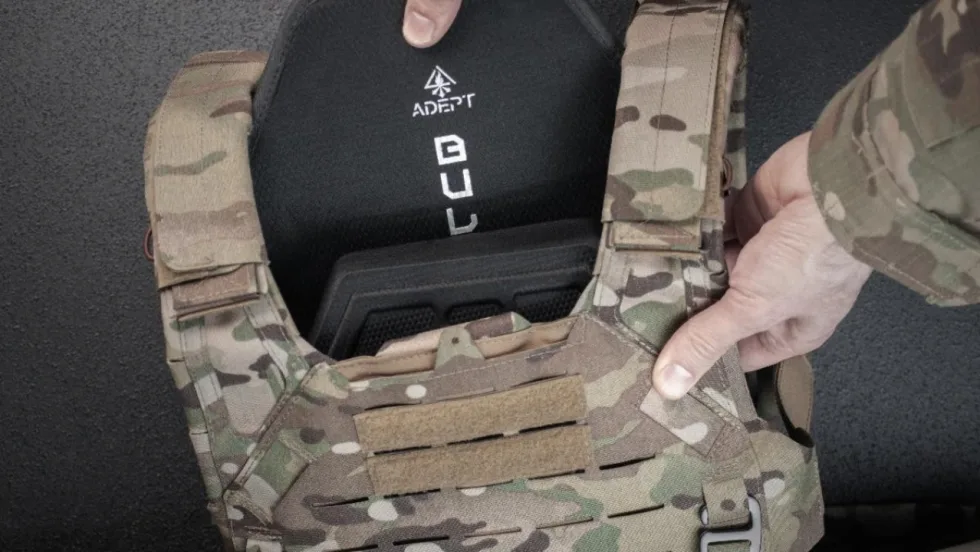
Adept Armor Introduces Two New Rifle Plates
Adept Armor has launched two new Level IV ballistic plates, the Emperor and the Archon Mark 2, which brings Adept Armor’s new Quatroid ceramic to the high-threat, performance-value center of the range at 5.2 pounds.
Read More →
POLICE Product Test: Benchmade Bailout
The Benchmade Bailout is a slim, lightweight carry knife with a deep-ride pocket clip and comes in a variety of blade steels and scales. Here is a detailed review of the Taiga Green Bailout, released earlier this year.
Read More →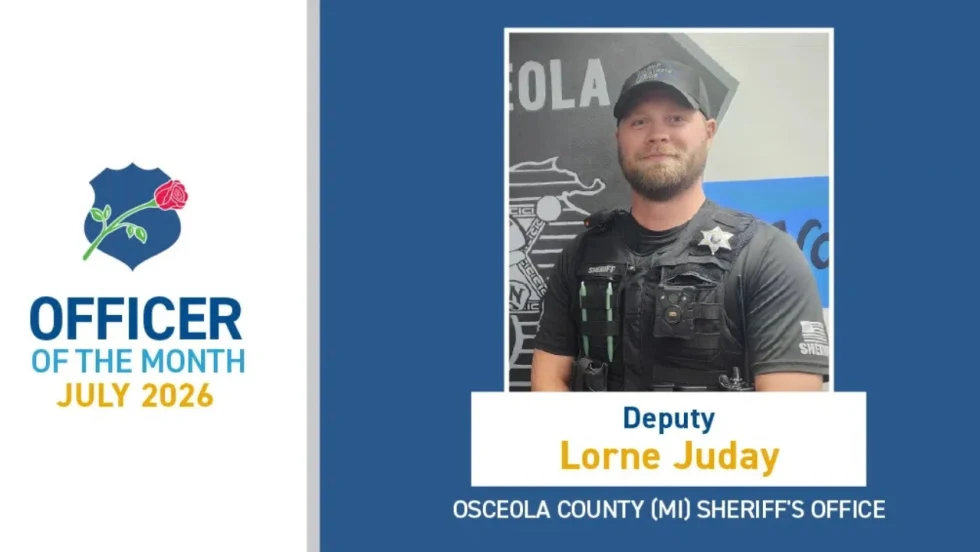
NLEOMF Announces July 2026 Officer of the Month
NLEOMF honored a Michigan deputy sheriff as the July 2026 Officer of the Month for rescuing a trapped driver from a burning vehicle following a Fourth of July crash.
Read More →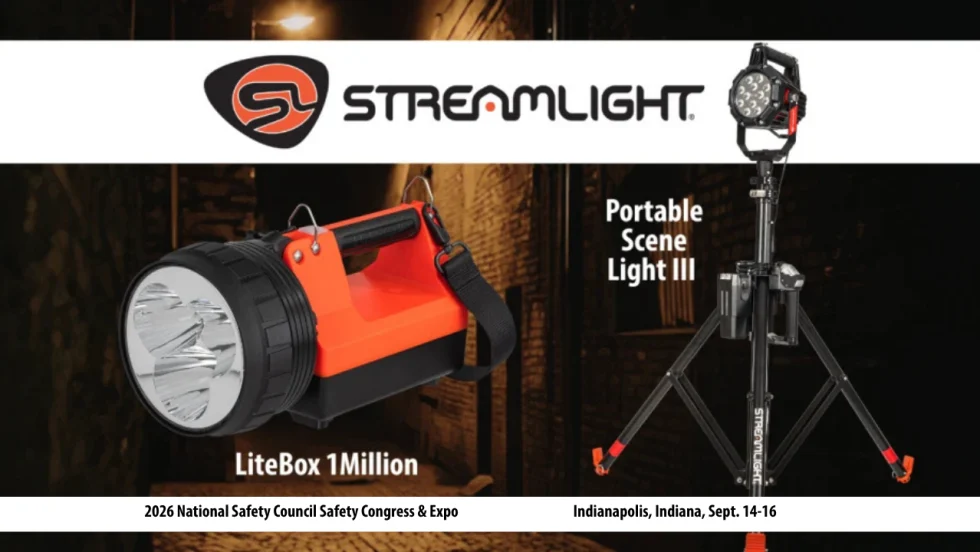
Streamlight to Showcase Newest Lighting Products at National Safety Council’s Safety Congress & Expo 2026
Streamlight will showcase its latest lights, including the Portable Scene Light III and the LiteBox 1Million, at the 2026 National Safety Council (NSC) Safety Congress & Expo.
Read More →
The 2027 World Police & Fire Games Set for Perth, Australia
The 2027 World Police & Fire Games (WPFG) will take place in Perth, Western Australia, from Friday, March 12 through Sunday, March 21, 2027.
Read More →
5.11 Partners with National Fallen Firefighters Foundation to Support #ForThe343
5.11 has joined the nationwide movement honoring the 343 New York City Fire Department firefighters lost on Sept. 11, 2001.
Read More →