



Making Body Armor Better
It started with a gunfight. Almost 40 years ago a former Marine named Richard Davis was delivering a pizza in downtown Detroit when three men tried to rob him at gunpoint. As he recovered from his wounds, Davis realized the need for lightweight body armor that could be worn by law enforcement officers in the field.

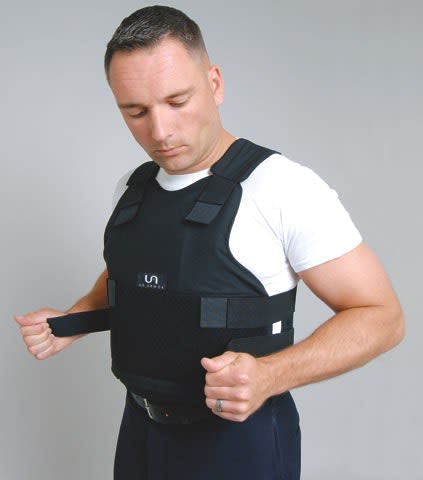
It started with a gunfight. Almost 40 years ago a former Marine named Richard Davis was delivering a pizza in downtown Detroit when three men tried to rob him at gunpoint. Davis was carrying a .22 revolver for protection, and he opened fire. He was hit, but he also stopped the gang from robbing him.
As he recovered from his wounds, Davis realized the need for lightweight body armor that could be worn by law enforcement officers in the field. He went to the drawing board and, in his garage, he created Kevlar ballistic armor, much like the vest you wear today.
Vest in hand, Davis set out to convince skeptical law enforcement administrators that his invention could really stop a speeding bullet. So he put on a show. At dozens of police departments nationwide he donned a fabric vest, picked up a revolver, usually one specified by the audience, and shot himself in the chest. Thus was born the first manufacturer of law enforcement ballistic armor, Second Chance.
Today, Second Chance is just one of numerous companies that make body armor for cops, and its vests alone have saved the lives of more than 1,000 law enforcement officers.
Law enforcement body armor is a big market. And with good reason; it is the rare and foolish cop who is willing to go on patrol without the "reassuring discomfort" of soft body armor. And most agencies issue a vest to every one of their officers or at the very least subsidize the purchase of vests by their officers.
Because there are so many manufacturers of vests, each is working hard to develop some innovation that will make its vests stand out. Manufacturers have worked with a variety of fibers to make their ballistic materials and the carriers of their ballistic materials much more comfortable for the wearer. They also set out to create special vests for special purposes such as vests with built-in flotation for harbor cops. Finally, and most importantly, manufacturers are constantly researching and developing ways to make their vests provide more protection for the wearer.
The holy grail of soft body armor is a fabric formulation that is comfortable and capable of stopping high-powered rifle rounds such as the 7.62mm ammunition fired from an AK. There is little doubt that some time in the next century officers will be able to slip on some kind of amazing new armor that's as light and comfortable as a T-shirt that will stop rifle rounds. That's the dream for the future.
Current reality, however, is pretty astonishing when you consider how the soft body armor market started in the garage of a Detroit pizza deliverer.
Here's a quick look at some of the innovations:
Blended Fibers: It used to be that DuPont Kevlar was the last and only word in ballistic protection for law enforcement. Kevlar still plays a major role in soft body armor manufacturing, but today's vests are often made of multiple fibers, including Kevlar, Dyneema, Goldflex, Twaron, and Spectra. The result is often a more comfortable product that uses the strengths of each fiber for a specific purpose. Some are more flexible, some are lighter, and some are softer.
Beyond Bullets: It used to be that the easiest way to defeat a ballistic vest—other than shooting the wearer in an unprotected area of his or her body—was with a knife or a puncturing weapon like an icepick. Especially in corrections, vest manufacturers saw a need for a stab-proof vest. Today, you can get stab and ballistic protection in the same vest. You can also now get electronic weapon protection. PACA and Point Blank are now offering the option of Thor Shield on their vests. Thor Shield is a special fabric that prevents the bad guys from using conductive weapons against you. So for example, if a resistive suspect grabs your TASER and shoots you in the chest, Thor Shield will prevent the TASER from incapacitating you. Note: Thor Shield is only sold to law enforcement and the military.
One Shape Doesn't Fit All: One of the most prevalent trends in body armor manufacturing is the growing popularity of female-specific product. Several companies are now making vests specifically for women and BAE Systems (formerly Armor Holdings) launched a separate company called Savvy to make female vests last year.
The innovations that you will see in body armor in the coming decades will make today's vest seem as archaic as the metal and wood shields used by ancient warriors. But no matter how advanced body armor becomes, it will always have one weakness. It's useless if you're not wearing it when the bullets fly.
More Patrol

Adept Armor Introduces Two New Rifle Plates
Adept Armor has launched two new Level IV ballistic plates, the Emperor and the Archon Mark 2, which brings Adept Armor’s new Quatroid ceramic to the high-threat, performance-value center of the range at 5.2 pounds.
Read More →
POLICE Product Test: Benchmade Bailout
The Benchmade Bailout is a slim, lightweight carry knife with a deep-ride pocket clip and comes in a variety of blade steels and scales. Here is a detailed review of the Taiga Green Bailout, released earlier this year.
Read More →
NLEOMF Announces July 2026 Officer of the Month
NLEOMF honored a Michigan deputy sheriff as the July 2026 Officer of the Month for rescuing a trapped driver from a burning vehicle following a Fourth of July crash.
Read More →
Streamlight to Showcase Newest Lighting Products at National Safety Council’s Safety Congress & Expo 2026
Streamlight will showcase its latest lights, including the Portable Scene Light III and the LiteBox 1Million, at the 2026 National Safety Council (NSC) Safety Congress & Expo.
Read More →
The 2027 World Police & Fire Games Set for Perth, Australia
The 2027 World Police & Fire Games (WPFG) will take place in Perth, Western Australia, from Friday, March 12 through Sunday, March 21, 2027.
Read More →
5.11 Partners with National Fallen Firefighters Foundation to Support #ForThe343
5.11 has joined the nationwide movement honoring the 343 New York City Fire Department firefighters lost on Sept. 11, 2001.
Read More →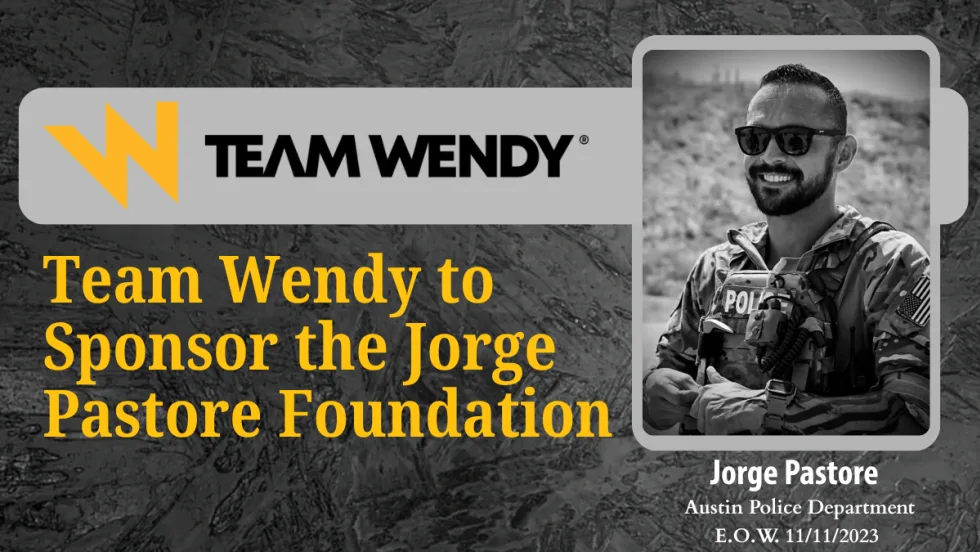
Team Wendy Announces Title Sponsorship of the Jorge Pastore Foundation
Team Wendy’s 3-year partnership with the Jorge Pastore Foundation expands access to programs that strengthen those who serve.
Read More →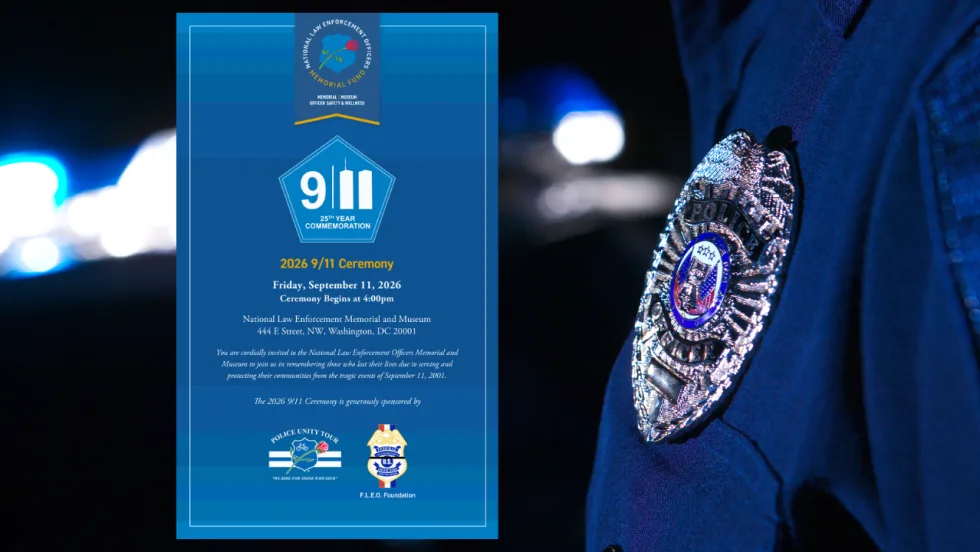
National Law Enforcement Memorial and Museum Hosting 9/11 25th-Year Commemoration Ceremony
The National Law Enforcement Memorial and Museum is hosting a 9/11 25th Year Commemoration Ceremony on Sept. 11 at 4 p.m.
Read More →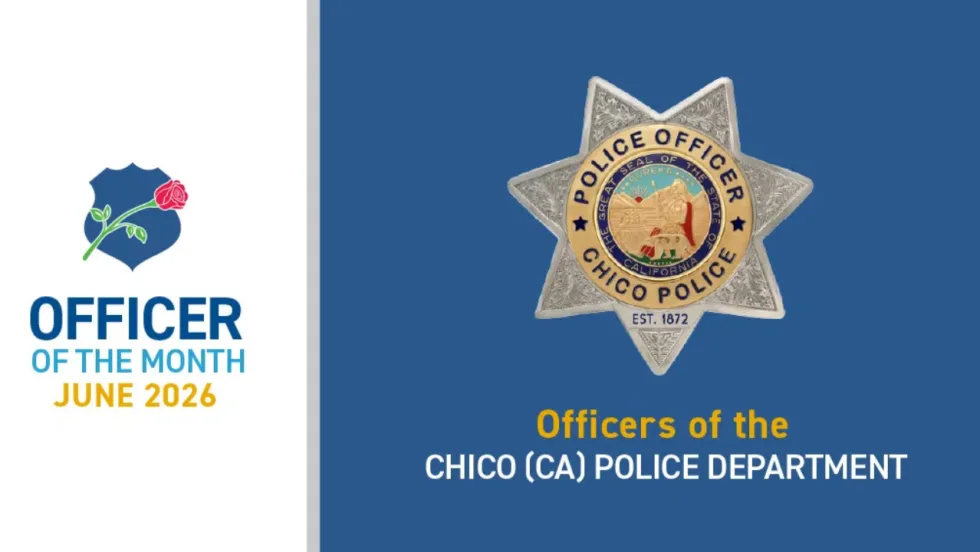
National Law Enforcement Officers Memorial Fund Announces June 2026 Officers of the Month
The National Law Enforcement Officers Memorial Fund (NLEOMF) named 15 officers of the Chico Police Department (California) as the Officers of the Month for June 2026 for their roles in responding to an active-shooter incident at a public library.
Read More →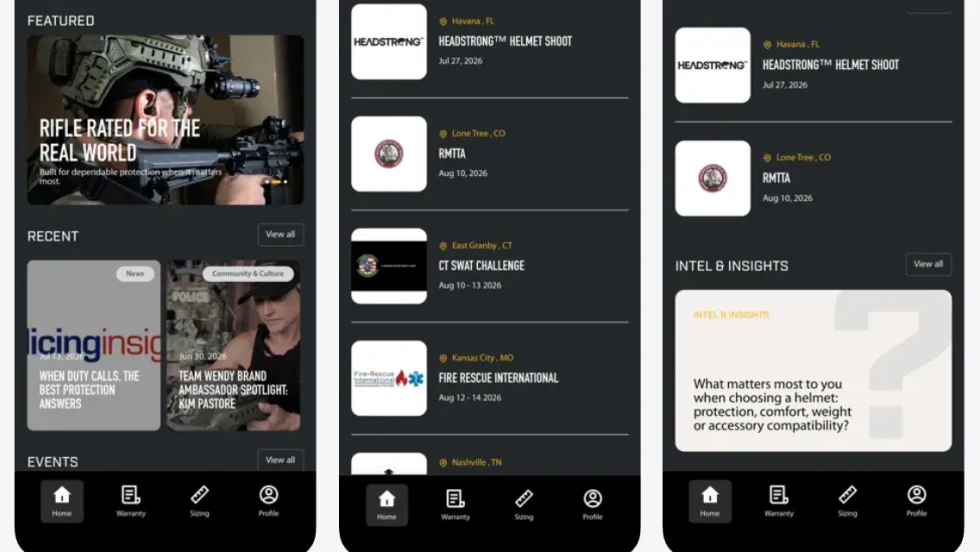
Team Wendy App Creates New Digital Hub for Helmet Owners
The Team Wendy Community App provides one location for warranty registration, size-fit tools, product updates, and community connection. For helmet owners, the new app creates a simpler path to the information and tools that matter most.
Read More →