



Make A Chance
“Making a chance,” simply means you must create an opportunity to either control your opponent or to escape his or her attack.

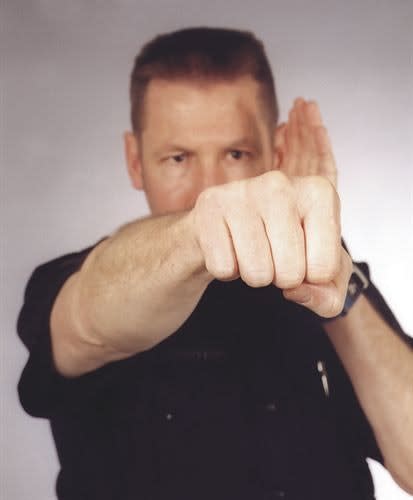
A straight punch, as demonstrated by the author, focuses a great amount of force in a small area, and is a very effective technique for stunning and gaining control over a subject.
Having studied Shotokan karate for many years under the tutelage of two very experienced and very wise "seniors," I always remember, and have often reflected on, the words of Yutaka Yaguchi (8th Dan, Japan Karate Association, and former All-Japan Kumite champion). Yaguchi tells his students that the secret to winning is to "make a chance."
Many karate students never fully understand this concept. But you, as a police officer and someone who may have to defend your own life, better understand the concept-even if you've never heard the expression. "Making a chance," simply means you must create an opportunity to either control your opponent or to escape his or her attack. Doing so almost always involves striking your opponent. And that usually involves some kind of punch.
Political Concerns
Using fists to deliver impact comes naturally to most people. Even untrained people who are attacked will almost always instinctively punch at their assailant in an effort to protect themselves.
We are all familiar with the carefully choreographed Hollywood movie scenes that repeatedly show the graphic face punch. Because of this image and the playground fights of their youth, people have a genuine belief that they can win the fight or end the confrontation by striking to the head. And in many cases this is true.
Unfortunately, punching in law enforcement, particularly to the head, suffers from several drawbacks unrelated to technique.
First, there's the issue of political correctness. Law enforcement professionals have been made to believe that punching is not socially acceptable, that it is somehow unfair for police officers to engage in this type of behavior even when being physically attacked themselves because it simply doesn't look good.
Second, when punches are landed to the head, they tend to leave visible injuries-contusions, lacerations, and inflammation, just to name a few. Law enforcement officers then go through a second tier of "political correctness," as lawyers, journalists, and other Monday-morning quarterbacks examine these injuries from their sheltered, sterile environments and automatically assume police brutality. Photographs are taken, internal complaints are lodged, lawsuits are filed, and arguments to avoid criminal culpability are advanced. All this happens without anyone even examining what behavior on the part of the subject may have precipitated the action.
Busted Hands
All political correctness aside, the most important concern that you should have when it's necessary to throw a punch at a suspect's head is your own survival. Ironically, that punch may endanger you as much as it helps you gain an advantage.
The fact is that when punches are landed to the head, the hand of the person throwing the punches is likely to suffer damage. The small bones
of the hand-carpals, metacarpals and phalanges-do not stand up very
well against the large cranial bones of the head.
I have seen numerous officers over the years appear with casts on their dominant hands after having been involved in a confrontation where they threw a punch. Fortunately, they usually prevailed in the confrontation, but ended up on "light duties" or Worker's Compensation for six to eight weeks while their "boxer's fracture" healed.
In worse cases, I have heard of officers contracting serious infections that started in their punching hands and moved up their arms because they cut their punching hands on subjects' teeth or cranial bones. Direct contact in this manner can result in the transfer of blood-borne pathogens, including hepatitis and HIV.
Disease aside there's a still more immediate potential danger in punching a suspect. If you disable your dominant hand with a punch and the confrontation escalates from that point, it may be difficult or impossible for you to access other force options that may become necessary (OC, baton, firearm, etc.). Talk about winning the battle, but losing the war.
The Advantages
So why punch at all?
Well, punching to the head can be extremely effective if done correctly. And, if done with the correct intent, in the appropriate context, it can be easily justified. Remember, punches directed specifically to the head are legitimate combative techniques taught in American boxing, kickboxing, karate, jiujitsu, kung fu, tae kwon do, and many other martial arts disciplines.
In law enforcement, the intent of punching to the head or of delivering any type of impact must be to "make a chance," to create a window of opportunity to gain control of a violent subject or to escape from a violent subject. An effective punch to the head might achieve these goals in the shortest possible time frame.
Punching to the head is often done because it happens to be the most opportune target to achieve the desired result. But distance, body position, and the subject's actions frequently dictate the availability of targets.
Gross Motor Skill
Another reason punching is so effective is that it comes easily, naturally, and often instinctively. People, generally, have been socialized to punch to the head, through sports, news, movies, television, and observing "real life" fights.
Further, punching is a "gross" motor skill that requires very little training. We know through research, that gross motor skills are the ones that persist in times of stress.
People are always making a fist or performing a clenching action, whether knocking on a door, carrying a shopping bag, riding a bicycle, lifting weights, or driving a car. Your hand is always clenching, and it doesn't take much to throw that clenched fist at a target. So another reason to use a punch is that it's simple to execute, and that goes a long way when your body is responding to the stress of a violent confrontation.
And because it's simple, we know that a small amount of training can create an effective punch. Yes, it's true that martial artists will train for many years to "perfect" their punches, but this goes beyond the scope of what is required in a real street confrontation.
Most people hold the belief that an effective punch to the head will lead quickly to the end of the confrontation. And this is often true.
For law enforcement professionals, ending the confrontation as quickly as possible is an important goal. Remember, the longer a confrontation goes on the greater the chance of injury to all involved.
Alternative Impact
Taking the pitfalls associated with punching into account, do the potential benefits outweigh them? Are there alternatives to punches to the head that are as easy to deliver and as potentially effective?
The answer to the first question is: sometimes, yes. Sometimes the punch to the head is the best alternative at the moment, given the available time to respond, proximity to the subject, body position, the subject's actions, target availability, and your training.
The answer to the second question is: yes. However, and let's be clear about this, the alternatives are no more "justified" than punches. The concepts of reasonableness and proportionality play the same role in determining the appropriate use of force. The primary reason for employing the alternatives is for self-preservation.
Open handed strikes, such as palm heel strikes, wrist strikes, and brachial stuns to the head or side of the neck can be extremely effective and much safer for the striker. An additional benefit of these types of strikes is that they tend not to leave visible injury, although the concussive force can be equal to, or greater than, that of a punch.
Unfortunately, these techniques are not as instinctive as the punch and require more training to implement effectively and naturally. Essentially, because of the lifelong socialization process, people have to be trained to overcome their first instinct, which is to throw a punch.
There are many other striking techniques and factors that can be as, or more, effective than punches to the head. These include, but are not limited to, head butts; forearm strikes; elbow strikes; knee strikes; and kicks, all to various target areas. The effects of these techniques are dependent upon distance, reaction time, body position, subject actions, target availability, training, and other factors.
Again we must examine the purpose of the strike, be it a punch, kick, or other form of blow. The purpose must always be to create an opportunity to gain control of a violent person or to get away from that person. Strikes that are delivered with the intent to punish or to deliberately injure without purpose are not legitimate control tactics or defensive tactics. But it is unrealistic to believe that a violent, assaultive, or highly resistive individual can be effectively controlled, or evaded, without first momentarily "stunning" them, without "making a chance."
To initially engage this type of subject with wrestling, grappling, or "takedown" techniques, is to invite injury upon yourself. These types of techniques are considered to be "follow-up control" techniques, and should always be employed after sufficiently stunning the subject (unless your goal is to escape). When dealing with this type of behavior, strike first, and then employ sound follow-up control or disengagement tactics.
"Make a chance."
Sgt. Joel Johnston is a 17-year veteran of the Vancouver (Canada) Police Department Emergency Response Team. He spent eight years as the Department's Control Tactics Coordinator, holds a third-degree black belt in Shotokan karate, and is the Principal of Defensive Tactics Inc. (Canada)
More Patrol

Streamlight Portable Scene Light III Wins 2026 OH&S New Product of the Year Award
Streamlight’s Portable Scene Light III has won the 2026 Occupational Health & Safety (OH&S) New Product of the Year Award in the Lighting category.
Read More →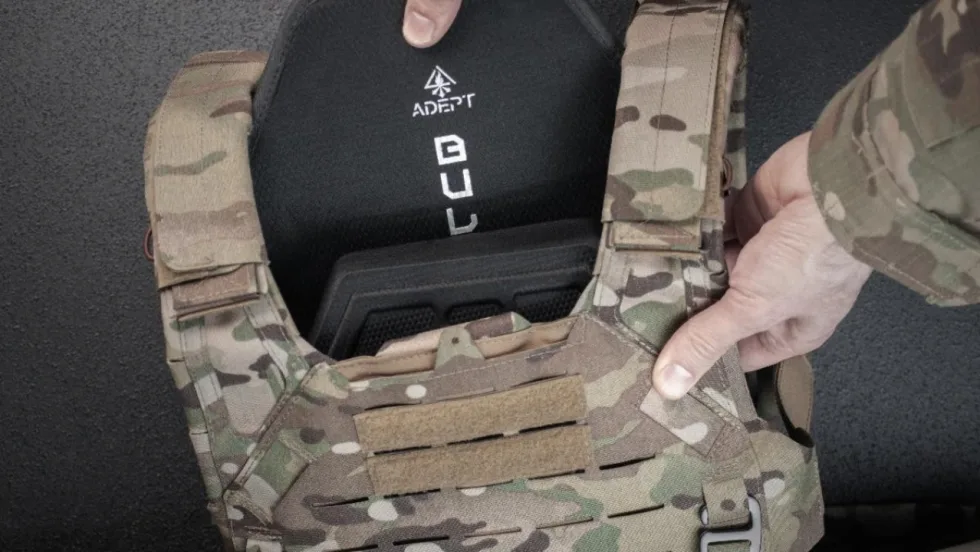
Adept Armor Introduces Two New Rifle Plates
Adept Armor has launched two new Level IV ballistic plates, the Emperor and the Archon Mark 2, which brings Adept Armor’s new Quatroid ceramic to the high-threat, performance-value center of the range at 5.2 pounds.
Read More →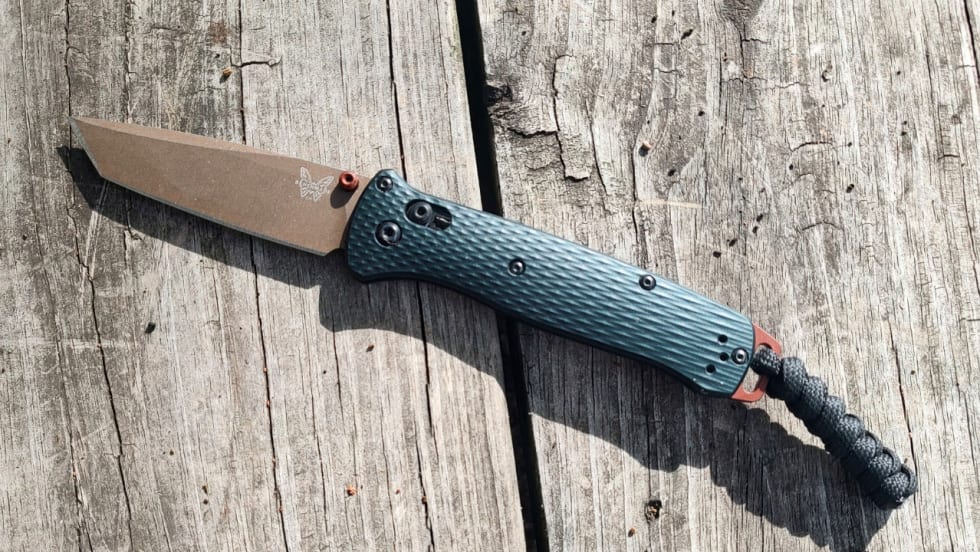
POLICE Product Test: Benchmade Bailout
The Benchmade Bailout is a slim, lightweight carry knife with a deep-ride pocket clip and comes in a variety of blade steels and scales. Here is a detailed review of the Taiga Green Bailout, released earlier this year.
Read More →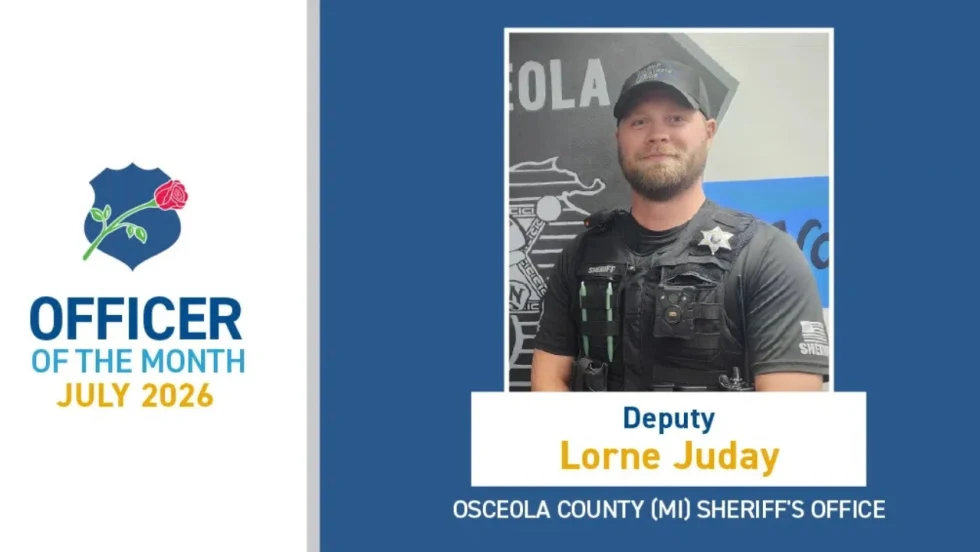
NLEOMF Announces July 2026 Officer of the Month
NLEOMF honored a Michigan deputy sheriff as the July 2026 Officer of the Month for rescuing a trapped driver from a burning vehicle following a Fourth of July crash.
Read More →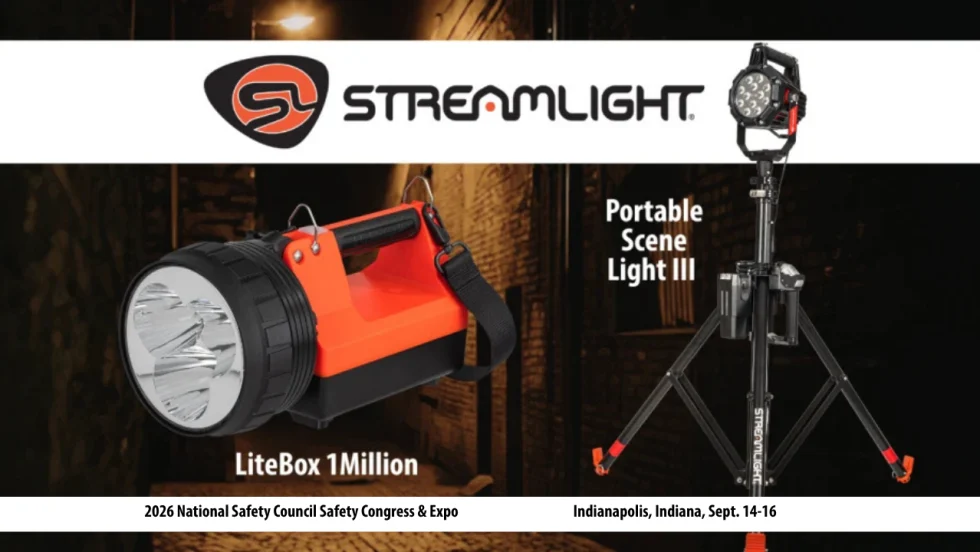
Streamlight to Showcase Newest Lighting Products at National Safety Council’s Safety Congress & Expo 2026
Streamlight will showcase its latest lights, including the Portable Scene Light III and the LiteBox 1Million, at the 2026 National Safety Council (NSC) Safety Congress & Expo.
Read More →
The 2027 World Police & Fire Games Set for Perth, Australia
The 2027 World Police & Fire Games (WPFG) will take place in Perth, Western Australia, from Friday, March 12 through Sunday, March 21, 2027.
Read More →
5.11 Partners with National Fallen Firefighters Foundation to Support #ForThe343
5.11 has joined the nationwide movement honoring the 343 New York City Fire Department firefighters lost on Sept. 11, 2001.
Read More →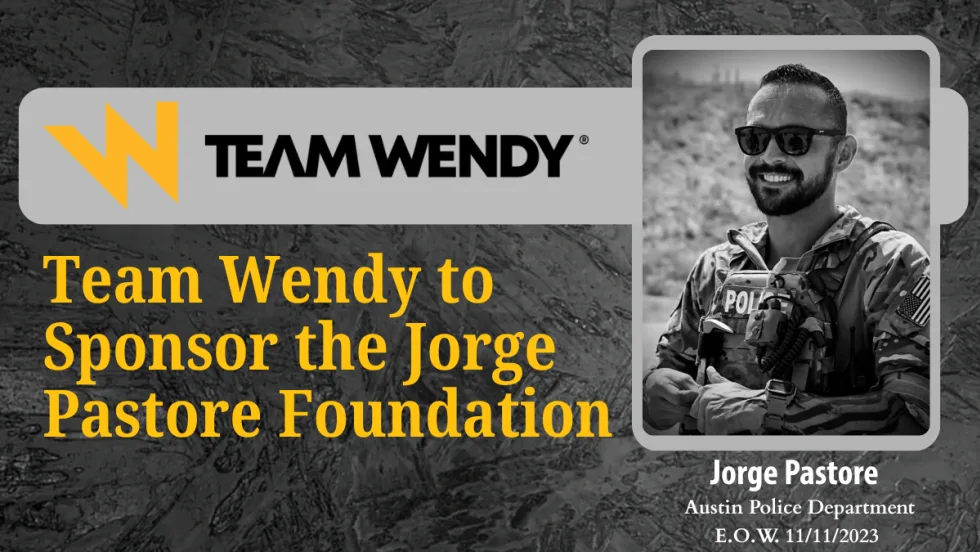
Team Wendy Announces Title Sponsorship of the Jorge Pastore Foundation
Team Wendy’s 3-year partnership with the Jorge Pastore Foundation expands access to programs that strengthen those who serve.
Read More →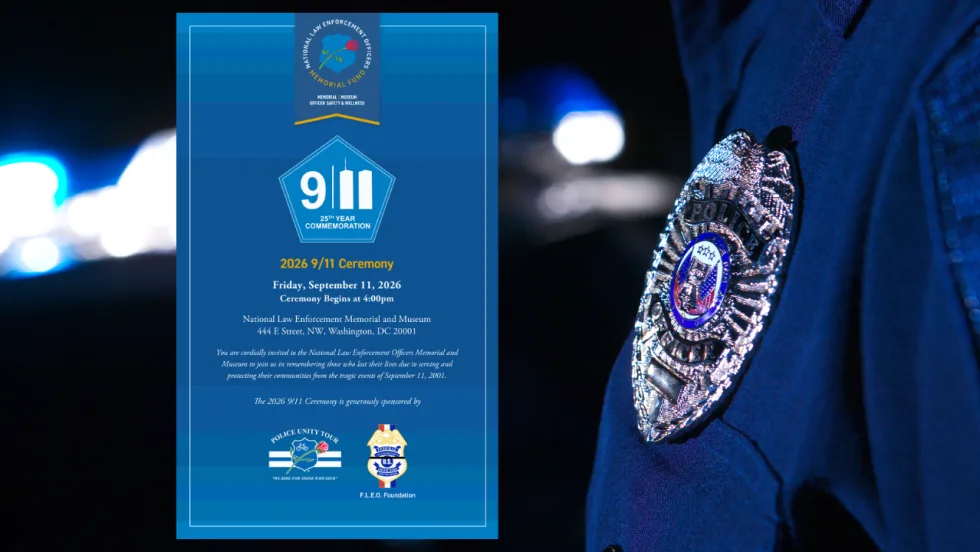
National Law Enforcement Memorial and Museum Hosting 9/11 25th-Year Commemoration Ceremony
The National Law Enforcement Memorial and Museum is hosting a 9/11 25th Year Commemoration Ceremony on Sept. 11 at 4 p.m.
Read More →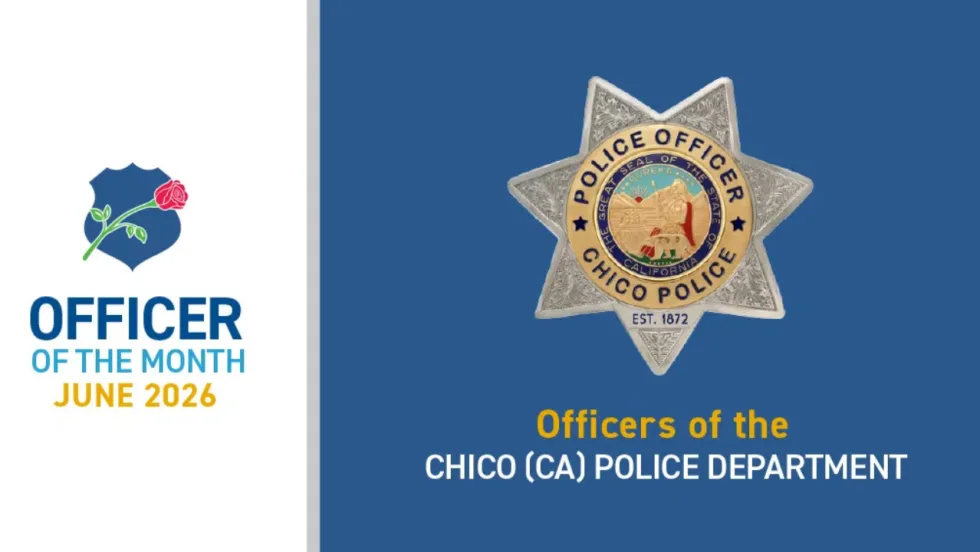
National Law Enforcement Officers Memorial Fund Announces June 2026 Officers of the Month
The National Law Enforcement Officers Memorial Fund (NLEOMF) named 15 officers of the Chico Police Department (California) as the Officers of the Month for June 2026 for their roles in responding to an active-shooter incident at a public library.
Read More →