



Looking Forward
We'll do a little bit of looking at the past in the last two articles of this special feature section. But we decided it might be more interesting to look forward instead of look back.


Illustration: Giuseppe JO Cafaro
Every issue of POLICE Magazine this year bears a special 40th anniversary burst on the cover. That's because this magazine was launched by a San Diego police officer named Rodney Dornsife back when Jimmy Carter was the Democratic nominee for president and this grizzled 57-year-old scribe was a junior in high school.
Now what we would normally do to celebrate this occasion would be a retrospective about what it was like to be a cop in the days when wheel guns were in duty holsters and in-car radios were state-of-the-art police tools. And we'll do a little bit of that in the last two articles of this special feature section. But we decided it might be more interesting to look forward instead of look back.
Predicting the future is dangerous business. And it's an especially bittersweet business for those of us who went to elementary school back in the 1960s, which for all of its flaws and disasters was a time of immense optimism and crazy theories about what life would be like in the 21st century. Back then we were presented with visions of flying cars, paper clothes, colonies on the moon and Mars, tunnels across the oceans, and jetpacks for everybody.
But some 50 years later we don't have any of that stuff. What we do have, however, is just as amazing. We may not have left Earth orbit with manned flights since Apollo 17 back in 1972, but we've sent a probe past Pluto. We don't have flying cars (thank God because the average person can't drive safely, much less fly), but we are soon to have self-driving cars. And well, to be honest, paper clothes and tunnels across the oceans were insane ideas anyway.
The one thing many of the people who looked forward into the future from the 1960s and 1970s did get right, however, was computers. Back in their time computers took up whole floors of buildings with their tape memory systems and punch card user interfaces. Now, the average American walks around with more computing power in a cellular phone than NASA had available for the moon shots.
Like I said, predicting the future is dangerous because you are pretty much guaranteed to be wrong.
And that is true in any field. If you had asked law enforcement officers back in 1976 what police technology would look like in 2016, they might have talked about flying patrol cars and robot partners and handheld laser weapons. They couldn't see the wonders that would really be part of your day-to-day operations: things like license plate readers, body cameras, practical less-lethal weapons like TASERs, e-citation tools, and all the marvels of this age.
So knowing we are going to be proven wrong by the time our 80th anniversary rolls around, POLICE Magazine presents this look at the future of policing and police technology in America.
More Technology

A police agency's guide to data-driven fleet management
Costs are rising and the public expects more transparency into how their tax dollars are spent. This e-book shows how police agencies can use fleet data to take control of fleet expenses while improving officer safety and demonstrating fiscal responsibility to the communities they serve.
Read More →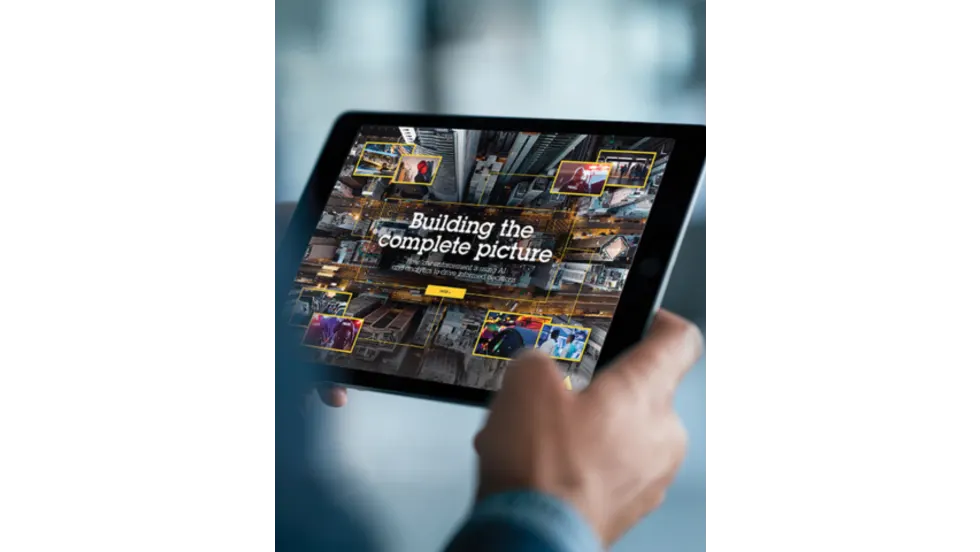
AI and analytics for law enforcement: Turning data into insights
Law enforcement agencies are managing more video, sensor data and digital evidence than ever before. Discover how AI and analytics can help turn that data into actionable insights that strengthen situational awareness, accelerate investigations and support more informed decisions.
Read More →
Vasco Electronics Adds Automatic Language Detection to Vasco Translator Q1
Vasco Electronics’ software update introduces hands-free language switching and expanded offline translation across 45 language pairs, empowering law enforcement, healthcare, and front-office enterprise teams
Read More →

North Miami Police Department Deploys Mark43
The North Miami Police Department has deployed Mark43 as part of its Five-Year Strategic Plan that represents its collective vision and goals for a more proactive police department, anchored by a core commitment to leveraging modern technology to enhance efficiency and public safety.
Read More →
Cellebrite Genesis for Enterprise Now Generally Available
Made available to the public sector in June, Cellebrite Genesis is serving a growing mix of national, regional, and local agencies worldwide, including some of the largest regional and metropolitan police departments. It is now available for enterprise organizations.
Read More →
2026 Vision FirstNet Users Summit to Host Emerging Leaders Training on Grassroots Advocacy for Public Safety
“Emerging Leaders Training: Understanding the Importance of Grassroots Advocacy for Public Safety," a session during the 2026 Vision FirstNet Users Summit, will offer a roadmap for unified advocacy at the federal level.
Read More →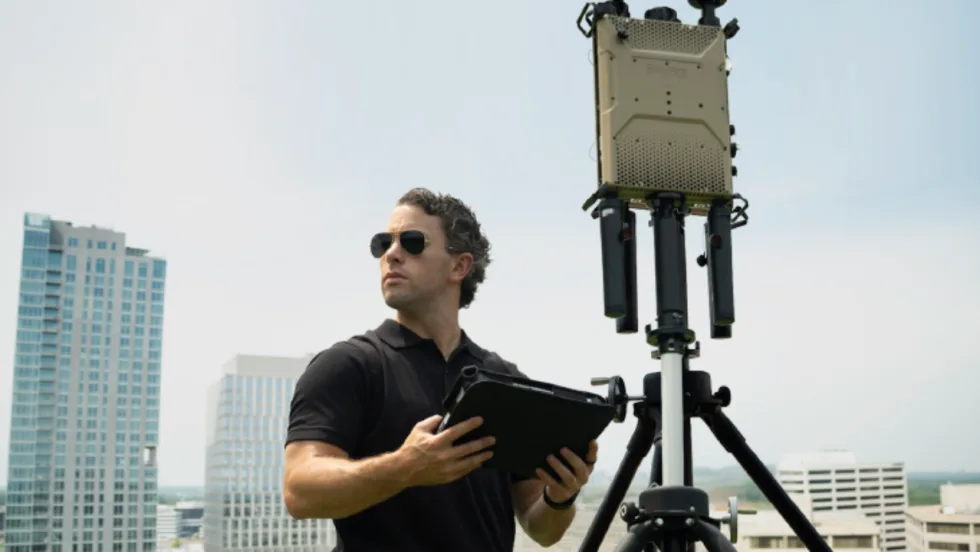
Motorola Solutions Completes Acquisition of D-Fend Solutions
Motorola Solutions has acquired D-Fend Solutions, an industry leader in counter-drone technology. This deal provides public safety and enterprise customers with access to advanced counter-unmanned aerial systems.
Read More →
ZeroEyes, Advantech & Camden Police Partner to Bring AI Gun Detection Technology to Delaware School District
ZeroEyes has partnered with Advantech and the Camden Police Department to deploy ZeroEyes’ AI gun detection and intelligent situational awareness platform at Delaware’s Caesar Rodney School District (CRSD).
Read More →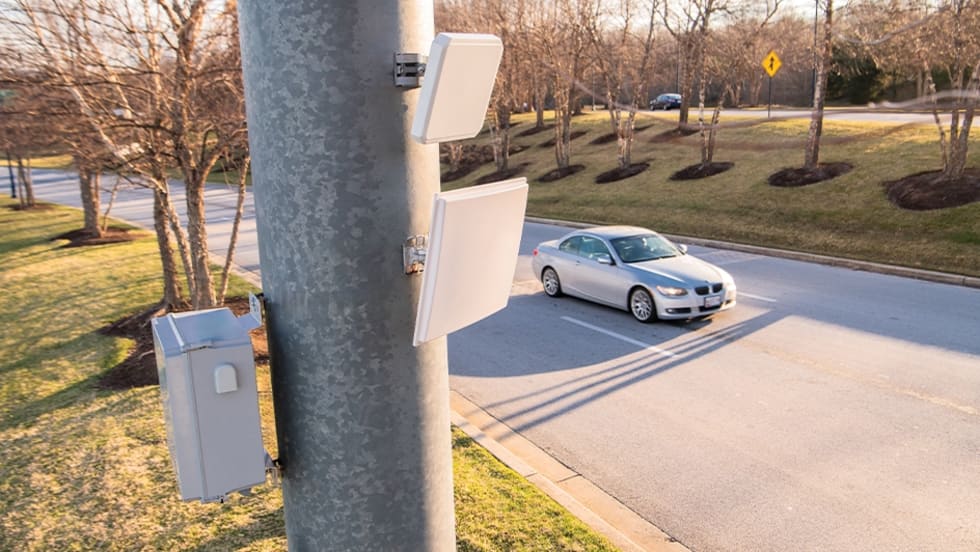
Leonardo U.S. Cyber & Security Solutions Introduces SignalTrace, the Next Evolution in Electronic Signature Detection Technology
SignalTrace reflects years of product refinement and a clearer expression of the technology’s purpose of recognizing and correlating electronic signatures in publicly broadcast wireless signals to reveal patterns, relationships, and trends that might otherwise go undetected.
Read More →
Pimloc Launches Secure File Sharing to Streamline Release of Redacted Video
Pimloc’s Secure File Sharing lets organizations deliver redacted video, audio, and documents through expiring, passcode-protected links, accelerating delivery while reducing security, compliance, and chain-of-custody risks.
Read More →