



LexisNexis DORS Offers Agencies Online Report Taking
Some agencies already had online citizen reporting tools before the pandemic hit. One of the most popular tools for providing this capability is the Desk Officer Reporting System (DORS) from LexisNexis Coplogic Solutions.

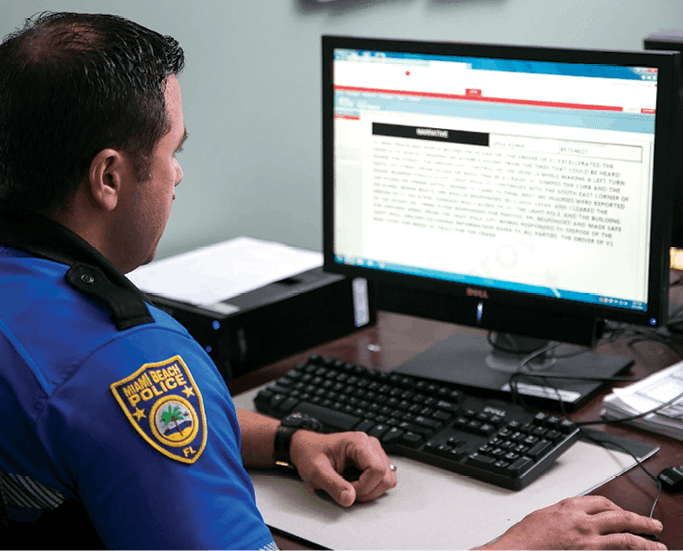
When the COVID-19 pandemic hit the United States back in March, it left many local law enforcement agencies reeling. They didn’t have a plan for how to respond to calls while taking precautions to ensure officer and citizen safety.
Very quickly the affected agencies started to create new protocols for how they normally undertake their missions. They sent both non-sworn and sworn personnel to work outside of the office, and they decided to reduce officer contact with citizens.
The goal of reduced citizen contact was accomplished in multiple ways. Some agencies actually pulled back from traffic enforcement. Others closed facilities commonly used by citizens such as station lobbies and records departments. But by far the most common way that agencies chose for social distancing officers from the public was through online reporting.
Instead of sending officers out to take reports for certain types of crimes such as vandalism and minor theft, agencies let the affected citizens create reports and file them with the agency online.
Some agencies already had online citizen reporting tools before the pandemic hit. One of the most popular tools for providing this capability is the Desk Officer Reporting System (DORS) from LexisNexis Coplogic Solutions.
Part of the LexisNexis Coplogic suite of law enforcement solutions, DORS was up and running at numerous agencies before the COVID crisis. The agencies that acquired DORS before the pandemic saw it as an officer efficiency tool, freeing officers up from taking minor reports and letting them focus on more serious crime-fighting tasks. It was also viewed as a convenience service for the public, as DORS could take reports at any time and citizens didn’t have to wait around for officers to come to their homes. “DORS saved citizens a lot of time,” says Roy Marler, vice president of product management for Coplogic Solutions.
Interest in DORS increased substantially during the COVID-19 pandemic. It also led to Coplogic modifying DORS to help agencies with COVID response. “Since COVID we have added a tremendous number of report types to DORS,” says Marler. The new report types added since March include violations of public health orders, civil unrest, and COVID-19 relief check fraud.
Marler says that the report categories in DORS are always being amended. “In 2019 we added 155 total incident report types. In 2020, we have added 378 incident types. The majority of the 2020 additions were made in March and April.”
According to Marler, DORS gives law enforcement agencies control over which reports become official. Citizens fill out the online forms, agency personnel can ask for more information, and accept it or reject it. Once it is accepted, the citizen’s report becomes an official police report for insurance claims and other purposes.
“Citizens really appreciate the ability to file these types of reports from their homes, especially during the pandemic,” Marler says. Even before the pandemic some citizens preferred the online reporting systems offered by their local law enforcement agencies. “It reduces the anxiety that having a squad car in your driveway sometimes creates,” he adds.
Marler says that even though DORS is part of the Coplogic Solutions offered by LexisNexis Risk Solutions, it is also available as a standalone service without any integration with the agency’s record management system. “We can stand it up really quickly and they can get the benefit of online reporting to the community,” he explains.
Agencies can pay up front for DORS or they can subscribe to the service. Some customers also choose to pay for the platform through an e-commerce option. Some agencies charge a fee to citizens for things like copies of accident reports. LexisNexis Coplogic will collect the fee for the agency and apply the agency fee to help pay for the platform.
For more information, go to https://risk.lexisnexis.com/products/desk-officer-reporting-system
More Technology
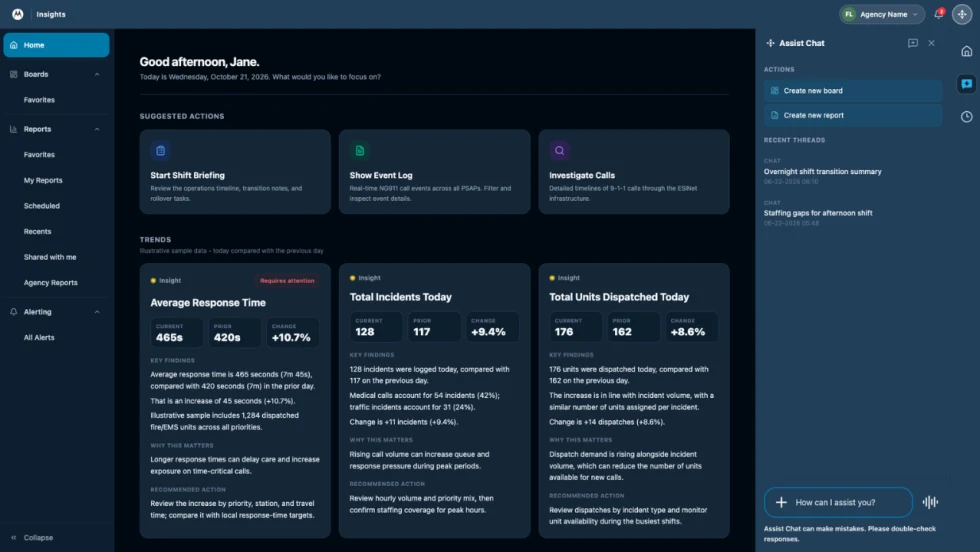
How Motorola Solutions’ New “Insights” Platform Helps Public Safety Agencies Identify Trends to Improve Their Operations
Motorola Solutions has introduced Insights, which leverages Assist, its mission-critical artificial intelligence (AI), to address these challenges and shape what’s next for public safety analytics and reporting technology.
Read More →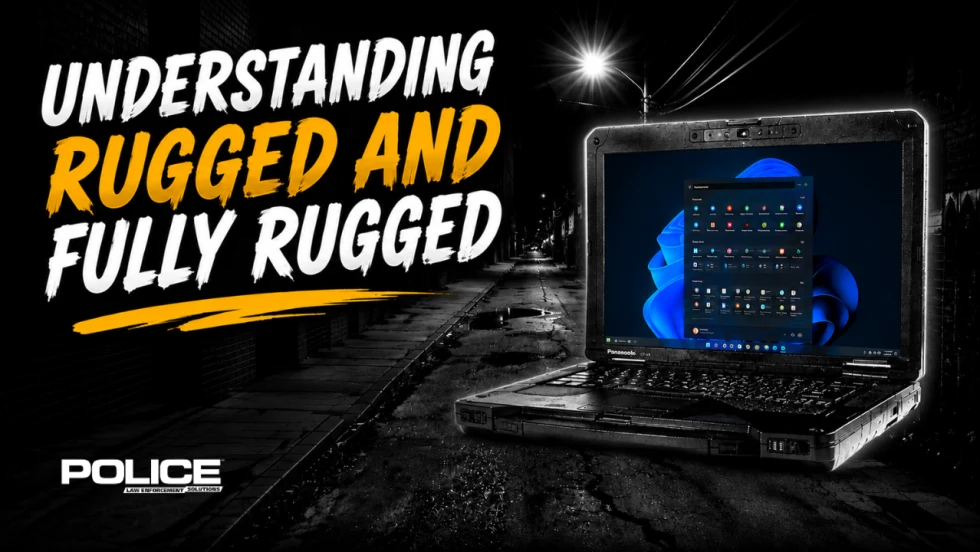
What Qualifies a Laptop as Rugged or Fully Rugged?
Police officers face a wide range of working conditions that can damage or even destroy a regular consumer laptop. Learn what qualifies a computer as rugged or fully rugged and why those devices are vital for law enforcement.
Read More →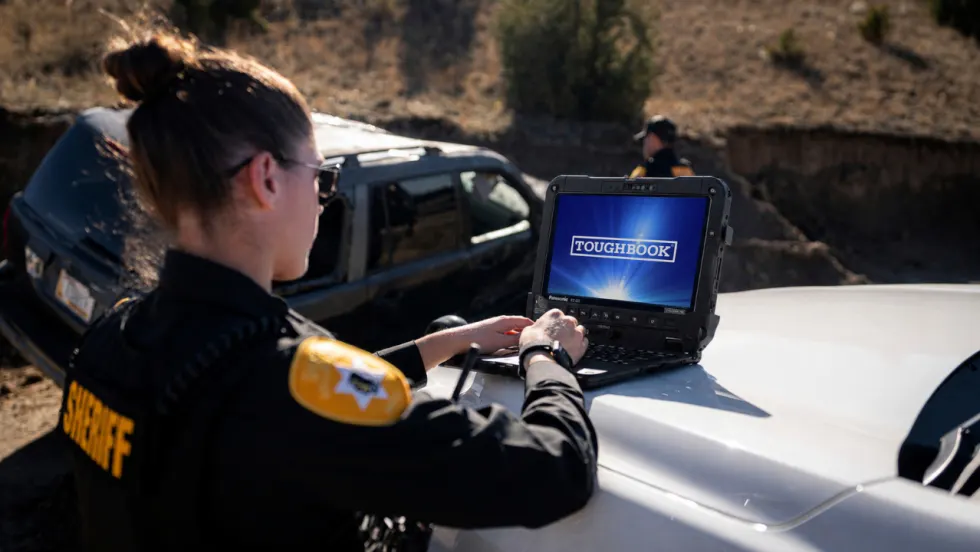
Panasonic Connect Launches the Toughbook 34 and Toughbook G3, Fully Rugged 2-in-1 Mobile Computers
Panasonic Connect has launched the Toughbook 34 and Toughbook G3 to facilitate in-vehicle dispatch, records management, and mobile command operations from any location.
Read More →

A police agency's guide to data-driven fleet management
Costs are rising and the public expects more transparency into how their tax dollars are spent. This e-book shows how police agencies can use fleet data to take control of fleet expenses while improving officer safety and demonstrating fiscal responsibility to the communities they serve.
Read More →
AI and analytics for law enforcement: Turning data into insights
Law enforcement agencies are managing more video, sensor data and digital evidence than ever before. Discover how AI and analytics can help turn that data into actionable insights that strengthen situational awareness, accelerate investigations and support more informed decisions.
Read More →
Vasco Electronics Adds Automatic Language Detection to Vasco Translator Q1
Vasco Electronics’ software update introduces hands-free language switching and expanded offline translation across 45 language pairs, empowering law enforcement, healthcare, and front-office enterprise teams
Read More →
North Miami Police Department Deploys Mark43
The North Miami Police Department has deployed Mark43 as part of its Five-Year Strategic Plan that represents its collective vision and goals for a more proactive police department, anchored by a core commitment to leveraging modern technology to enhance efficiency and public safety.
Read More →
Cellebrite Genesis for Enterprise Now Generally Available
Made available to the public sector in June, Cellebrite Genesis is serving a growing mix of national, regional, and local agencies worldwide, including some of the largest regional and metropolitan police departments. It is now available for enterprise organizations.
Read More →
2026 Vision FirstNet Users Summit to Host Emerging Leaders Training on Grassroots Advocacy for Public Safety
“Emerging Leaders Training: Understanding the Importance of Grassroots Advocacy for Public Safety," a session during the 2026 Vision FirstNet Users Summit, will offer a roadmap for unified advocacy at the federal level.
Read More →
Motorola Solutions Completes Acquisition of D-Fend Solutions
Motorola Solutions has acquired D-Fend Solutions, an industry leader in counter-drone technology. This deal provides public safety and enterprise customers with access to advanced counter-unmanned aerial systems.
Read More →