



Lessons Learned from the Mehserle Trial
The Mehserle story serves as a cautionary tale for all officers and all law enforcement agencies.

As you read this column, one of your brethren sits in the Los Angeles County Jail awaiting a sentencing hearing that could determine his address for the next two to 14 years. His name is Johannes Mehserle. He's 28. And you probably know his story.
On Jan. 1, 2009, Mehserle and four other police officers who worked for Northern California's Bay Area Rapid Transit Authority (BART) responded to a fight on a train in Oakland. Young men were taken off of a train. One of them was 22-year-old Oscar Grant who was mortally wounded minutes later by a single shot fired by Mehserle. Grant was black and Mehserle is white. Grant was unarmed, and the incident was captured on video. The video was broadcast, triggering rioting in racially tense Oakland.
Mehserle resigned from the BART police. Community pressure then spurred then Alameda County District Attorney Tom Orloff to commit a reprehensible act of moral cowardice. He had his office charge Mehserle with first-degree murder for what was clearly an unintentional act of homicide. Nancy E. O'Malley did nothing to change the charges when she took over for Orloff. The prosecutor's office also decided to really bury Mehserle with a gun enhancement. (California law somehow believes that being killed with a gun is worse than being killed with other weapons.)
I don't have room to recount the trial story, but I urge all officers to go to PoliceMag.com and read the news coverage because there are some real lessons to be learned from this case.
First, the opposing arguments. The prosecutors kind of boxed themselves in by pushing for murder charges against the former officer. Their only argument was that Mehserle intended to kill Grant and acted with malice in doing so. The defense argument was much more complex. They contended that Mehserle intended to draw his TASER and accidentally drew his pistol.
TASER-pistol confusion is not an unheard of phenomenon. It happens. This is why TASER trainers strongly advise that agencies require officers to position their TASERs in a cross-draw fashion or on their weak-hand side.
And Mehserle's duty rig actually was set up that way. His TASER holster was just left of his belt buckle. Mehserle is right-handed. And his duty pistol was on his right hip.
So how could he confuse his TASER with his handgun? Retired LAPD captain Greg Meyer and police use-of-force researcher Dr. Bill Lewinski both testified at the trial that the confusion was a matter of insufficient training.
Meyer, a POLICE Magazine Advisory Board member and TASER expert, testified that the BART police did not train with their TASERs under stress. Also, because of budget reasons, BART did not issue TASER holsters to each individual officer. The TASERs and holsters were given to the officers before they started their shifts and four different configurations of holsters were available. So Mehserle was likely unfamiliar with the TASER holster that he was issued that night.
Lewinski's psychological explanation focused on slip-and-capture errors. You can read it in detail in the Force Science News (www.forcesciencenews.com). But it boils down to this: Sometimes we think we're doing one thing with our hands when we're actually doing something else.
Mehserle had dutifully practiced drawing his service weapon since he graduated from the academy two years before the incident. In contrast, he'd probably drawn a TASER several times in training and only three times on duty. So Lewinski believes that when Mehserle started reaching for his TASER, muscle memory kicked in and he drew his pistol instead. The moral here is that officers need to practice drawing their TASERs.
It could be argued that the defense won the Mehserle murder trial. The jury decided that the former officer did not intend to kill Grant and they found him guilty of involuntary manslaughter. That's the charge the D.A. should have sought in the first place, and it can be justified. But don't forget that gun enhancement. The jury bought it, and it hikes Mehserle's possible sentence for involuntary manslaughter from a maximum of four years to a maximum of 15.
I want to say this as clearly as possible: Charging a cop with a gun enhancement for an unintentional shooting on duty is absurd. Hopefully, the judge will agree during Mehserle's sentencing hearing in November and throw that out.
Until then, Mehserle sits in L.A. County Jail awaiting his fate. But I urge you again to read about this case. The Mehserle story serves as a cautionary tale for all officers and all law enforcement agencies. Adequate training is the best risk management. It saves money from civil suits, it saves careers, and it saves lives.
More Patrol
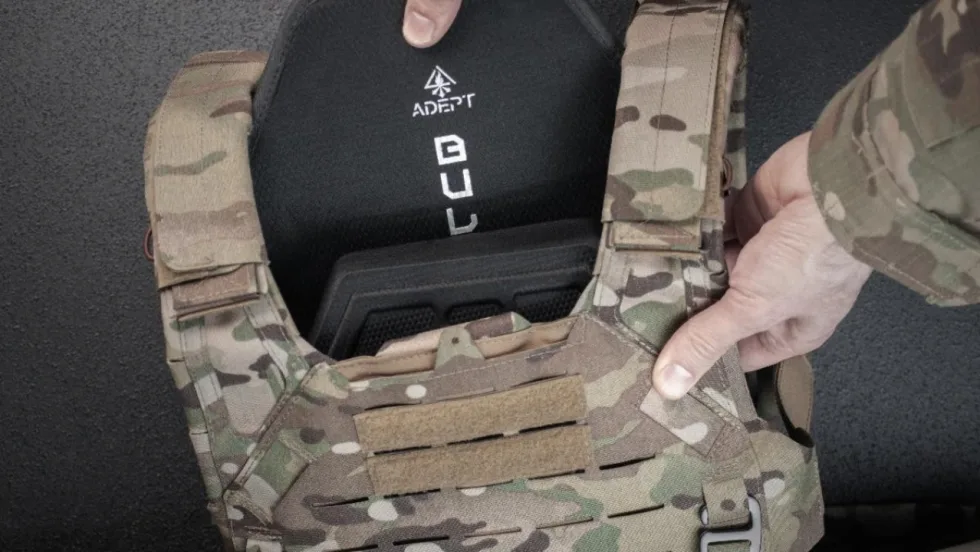
Adept Armor Introduces Two New Rifle Plates
Adept Armor has launched two new Level IV ballistic plates, the Emperor and the Archon Mark 2, which brings Adept Armor’s new Quatroid ceramic to the high-threat, performance-value center of the range at 5.2 pounds.
Read More →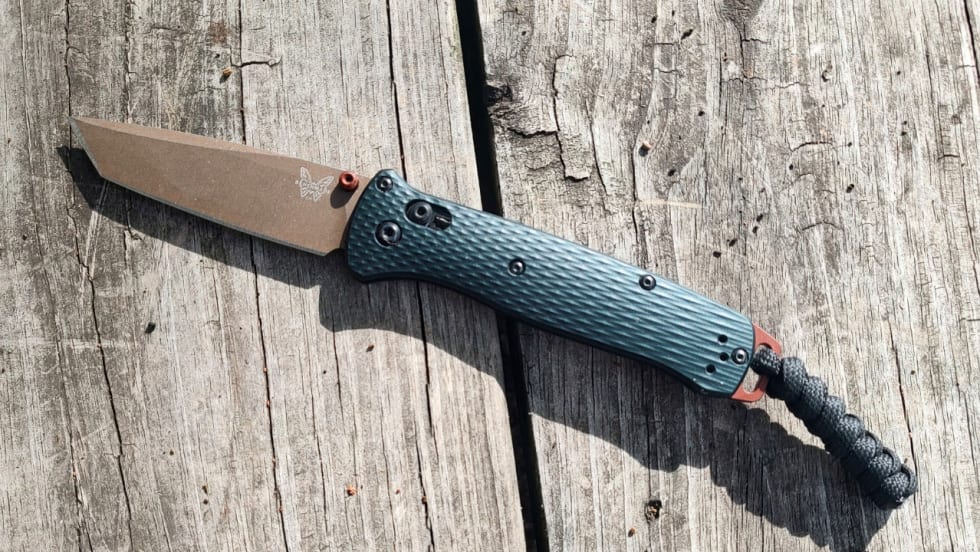
POLICE Product Test: Benchmade Bailout
The Benchmade Bailout is a slim, lightweight carry knife with a deep-ride pocket clip and comes in a variety of blade steels and scales. Here is a detailed review of the Taiga Green Bailout, released earlier this year.
Read More →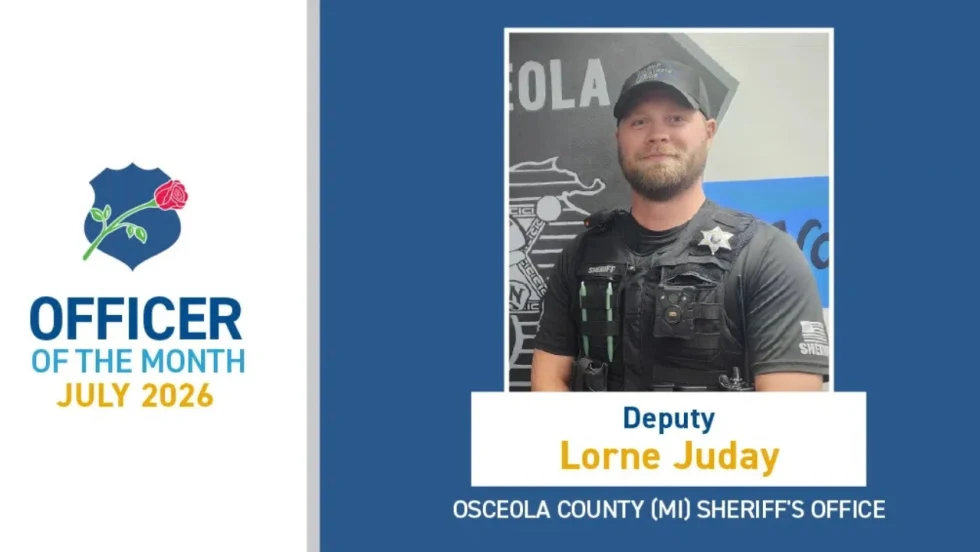
NLEOMF Announces July 2026 Officer of the Month
NLEOMF honored a Michigan deputy sheriff as the July 2026 Officer of the Month for rescuing a trapped driver from a burning vehicle following a Fourth of July crash.
Read More →
Streamlight to Showcase Newest Lighting Products at National Safety Council’s Safety Congress & Expo 2026
Streamlight will showcase its latest lights, including the Portable Scene Light III and the LiteBox 1Million, at the 2026 National Safety Council (NSC) Safety Congress & Expo.
Read More →
The 2027 World Police & Fire Games Set for Perth, Australia
The 2027 World Police & Fire Games (WPFG) will take place in Perth, Western Australia, from Friday, March 12 through Sunday, March 21, 2027.
Read More →
5.11 Partners with National Fallen Firefighters Foundation to Support #ForThe343
5.11 has joined the nationwide movement honoring the 343 New York City Fire Department firefighters lost on Sept. 11, 2001.
Read More →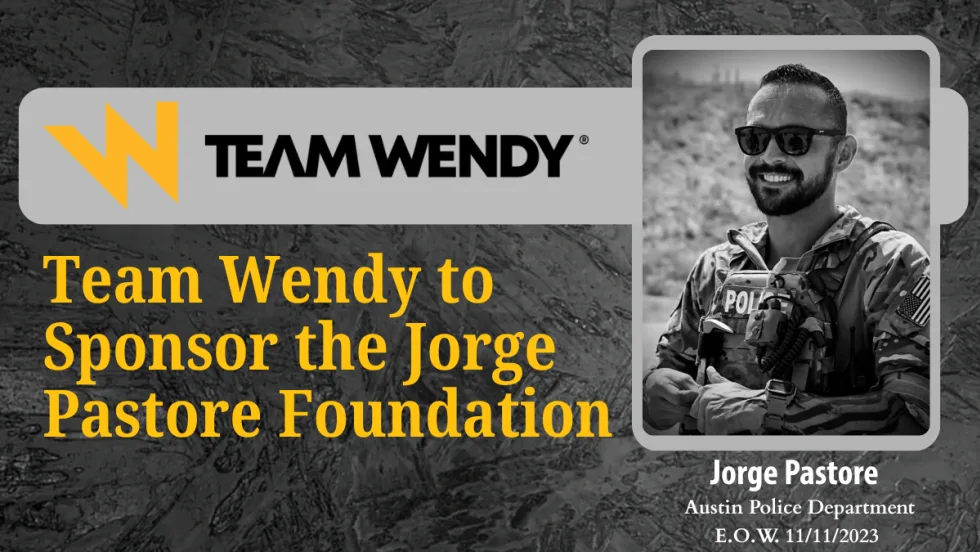
Team Wendy Announces Title Sponsorship of the Jorge Pastore Foundation
Team Wendy’s 3-year partnership with the Jorge Pastore Foundation expands access to programs that strengthen those who serve.
Read More →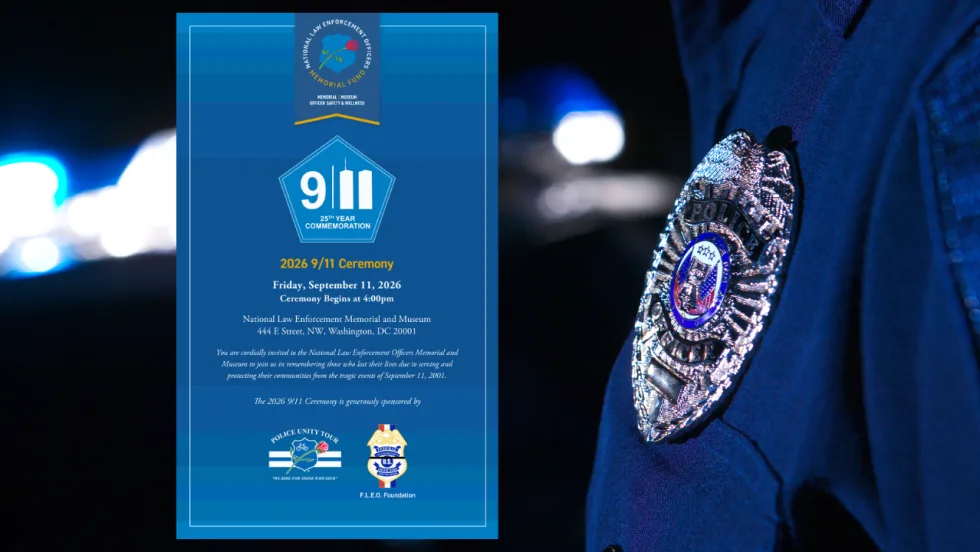
National Law Enforcement Memorial and Museum Hosting 9/11 25th-Year Commemoration Ceremony
The National Law Enforcement Memorial and Museum is hosting a 9/11 25th Year Commemoration Ceremony on Sept. 11 at 4 p.m.
Read More →
National Law Enforcement Officers Memorial Fund Announces June 2026 Officers of the Month
The National Law Enforcement Officers Memorial Fund (NLEOMF) named 15 officers of the Chico Police Department (California) as the Officers of the Month for June 2026 for their roles in responding to an active-shooter incident at a public library.
Read More →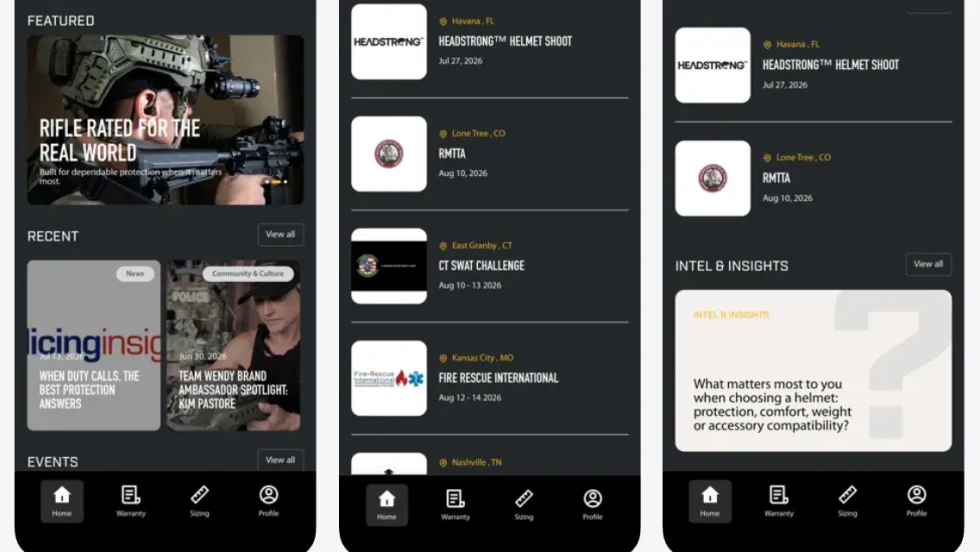
Team Wendy App Creates New Digital Hub for Helmet Owners
The Team Wendy Community App provides one location for warranty registration, size-fit tools, product updates, and community connection. For helmet owners, the new app creates a simpler path to the information and tools that matter most.
Read More →