



Leadership Q and A
Sgt. Mark Stainbrook was recently interviewed by a fellow officer. Here he shares his answers to questions about leadership.

Sgt. Mark Stainbrook was recently interviewed by a fellow officer. Here he shares his answers to questions about leadership:
What is your training and experience in the area of leadership?
I have19 years of military experience including Marine Corps Officer Candidate's School, The Basic School and Amphibious Warfare School. I have led Marine detachments in training and combat missions in Thailand, Bolivia, Kosovo, and Iraq. I currently command a platoon of 45 Marines. I have 17 years of law enforcement experience with eight years as a training officer and in supervisory roles. Schools I have attended include the LAPD Field Training Officer School, Instructor Course, and Sergeant's School.
What are important traits of a leader in law enforcement?
The basic traits of leadership remain unchanged from profession to profession, but due to the unique issues facing law enforcement, moral and ethical courage, setting the example, and compassion are among the most important for an L.E. leader to display. Due to the dynamic nature of law enforcement, law enforcement leaders must be on the cutting edge of being tactically and technically proficient. An L.E. leader MUST constantly work to improve their leadership skills through schooling, reading, and constantly evaluating and re-evaluating their leadership skills, then improving upon them.
Do you believe any officer can develop leadership skills and traits? How?
Some people are natural leaders, just as some people are natural athletes. Natural athletes can only go professional by developing their skills through hard work and repetitive training. It is no different for leaders. Leadership can be learned and improved through training, studying, and practical experience. An individual must decide to become a student of leadership, just as they would, say, in martial arts.
If all officers developed and exhibited leadership, what impact do you see it having on law enforcement?
Most police departments seem to be missing the big picture. An investment in teaching officers to be leaders will reduce liability, make risk management easier, and save our local and state governments millions of dollars because there will be a dramatic increase in professionalism, thereby reducing lawsuits and the corresponding monetary settlements. Furthermore, officers who consider themselves leaders tend to be more disciplined, and therefore will be physically healthier, call in sick less, and have less medical problems. The main problem is that we are not teaching leadership to officers starting at the academy and there is no requirement to build upon that training. The first time many officers see leadership training is when they become sergeants, which is almost too late.
Based on your experience, what areas do officers need to improve upon in their leadership skills?
Officers need to realize that they are leaders as soon as they step out of their vehicles to handle a call. Leaders, by definition, are supposed to solve problems and get people to "see the future" so they can make the right decisions. If officers approached their job in that way, they would view their role much differently from the way many do now. This change of mentality would take the antagonism out of the equation. Part of teaching officers about leadership early on is reinforcing the leader-follower mentality: All leaders are both followers and leaders at the same time. If officers understood this they would understand that all leaders are also followers (situation dependent), and that by being good followers they are being effective leaders. This can be a hard concept to truly understand. An example is when an officer takes over a scene and gets things done until a sergeant gets there and takes command. The officer becomes a follower. But then maybe he is sent down the street and evacuates people from a building; he is back to being a leader. This is a simplistic example, because a big part of it is merely having a "leadership mentality" which enables the officer to do the right thing, even when there is no senior leader present. If officers want to be leaders, feel that they are leaders, they must take it upon themselves to improve their leadership skills. Take initiative-another important leadership trait.
What does "leading by example" mean to you?
It means it is three in the morning, the radio is "dead," it is pouring down rain, and you are a watch commander. You call an officer or sergeant in to watch the desk and you go jump in a car with an officer and you go on patrol. Patton had a lot of great quotes, which overshadowed one simple one: "You can't lead from behind a desk."
What is an officer's leadership role within your department?
I do not think it is clearly defined. I think that many departments have the same problem answering that question. If you asked 10 different officers, you would probably get 10 answers. Unfortunately, most officers have to define it for themselves.
What do you see as common pitfalls or roadblocks early in an officer's career?
Officers do not truly understand their role at the operational and strategic level, so they do not develop a stake in making the department's mission or goals a reality. Sometimes policies are changed and no one bothers to adequately inform the officers why. This is very sad, because I believe that most officers want to understand why they are doing what they are doing. The worst case scenario is that their leaders don't know what the officer's role is either, so they can't tell them. Officers should be thoroughly indoctrinated as to what their role is and what their department, watch, section, unit, or car is trying to accomplish. Otherwise frustration builds and there is no "buy-in." For example, say I go out and talk to officers who were told to conduct traffic enforcement in a certain area. If I ask why they are writing tickets there, they better darn well know why. I often find it is not that they were told and didn't know, but that they were never told by their leaders. If the officers knew that there had been three traffic fatalities in that area within the last month, now how do you think they would feel about their mission? Like they were doing an important job? Would they be able to better explain the ticket to the citizens? How much consternation and angst could be saved by ensuring they are thoroughly briefed?
Who do you see as the leaders in your department (line-level officers)?
That is hard to say, because I believe among officers it should be the training officers, but some are not standing up as much as I would like. Too often, I find too much credence is given to the officers who gripe the loudest. Supervisors need to encourage senior and ranking line officers to become peer leaders. When that happens they tell the complainers to "knock it off" and morale improves. The true leaders among officers to me are the ones who come in every night looking sharp and prepared to work. They become peer leaders because they go out and make arrests and they are respected among their peers.
More Patrol
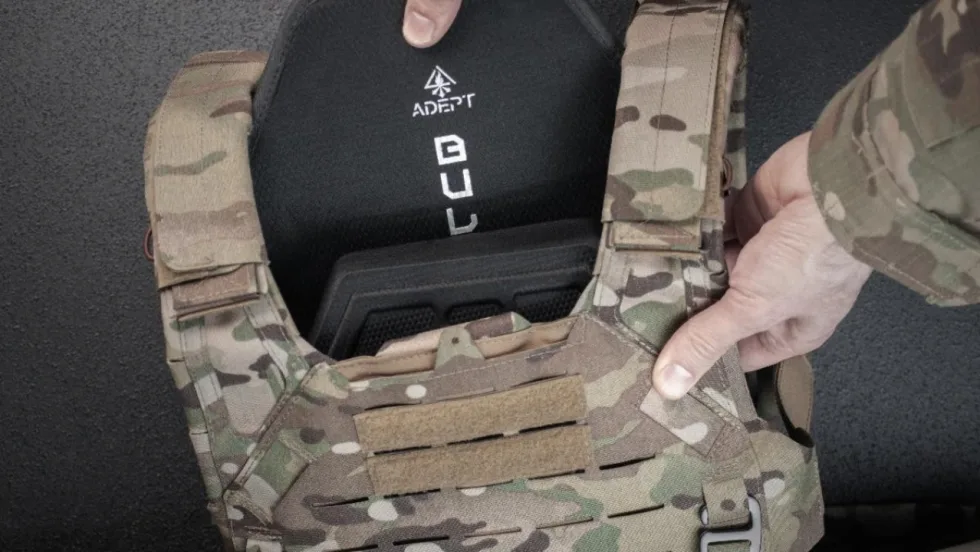
Adept Armor Introduces Two New Rifle Plates
Adept Armor has launched two new Level IV ballistic plates, the Emperor and the Archon Mark 2, which brings Adept Armor’s new Quatroid ceramic to the high-threat, performance-value center of the range at 5.2 pounds.
Read More →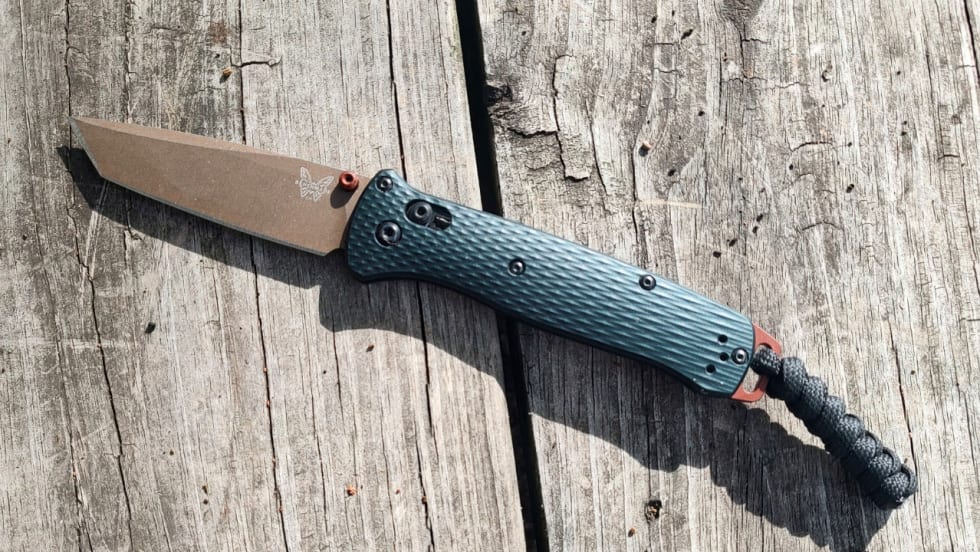
POLICE Product Test: Benchmade Bailout
The Benchmade Bailout is a slim, lightweight carry knife with a deep-ride pocket clip and comes in a variety of blade steels and scales. Here is a detailed review of the Taiga Green Bailout, released earlier this year.
Read More →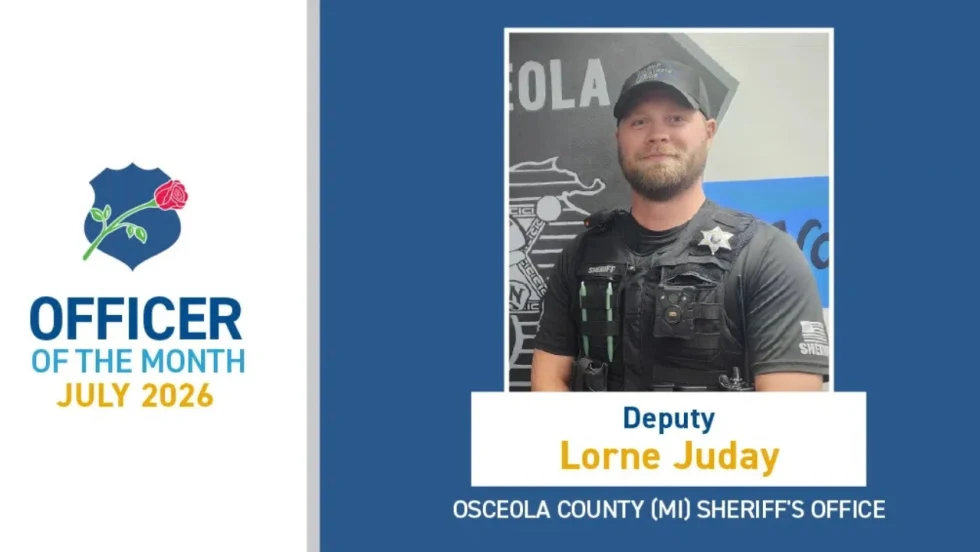
NLEOMF Announces July 2026 Officer of the Month
NLEOMF honored a Michigan deputy sheriff as the July 2026 Officer of the Month for rescuing a trapped driver from a burning vehicle following a Fourth of July crash.
Read More →
Streamlight to Showcase Newest Lighting Products at National Safety Council’s Safety Congress & Expo 2026
Streamlight will showcase its latest lights, including the Portable Scene Light III and the LiteBox 1Million, at the 2026 National Safety Council (NSC) Safety Congress & Expo.
Read More →
The 2027 World Police & Fire Games Set for Perth, Australia
The 2027 World Police & Fire Games (WPFG) will take place in Perth, Western Australia, from Friday, March 12 through Sunday, March 21, 2027.
Read More →
5.11 Partners with National Fallen Firefighters Foundation to Support #ForThe343
5.11 has joined the nationwide movement honoring the 343 New York City Fire Department firefighters lost on Sept. 11, 2001.
Read More →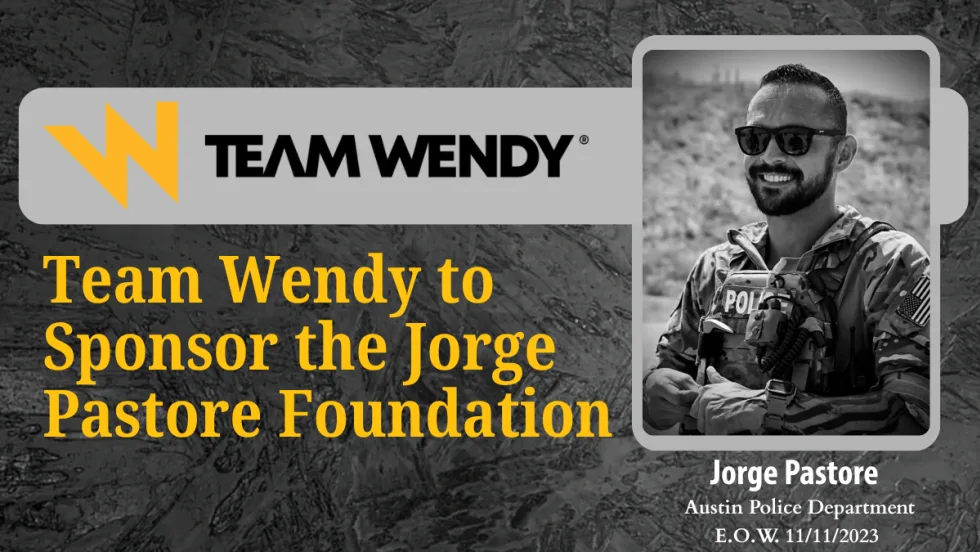
Team Wendy Announces Title Sponsorship of the Jorge Pastore Foundation
Team Wendy’s 3-year partnership with the Jorge Pastore Foundation expands access to programs that strengthen those who serve.
Read More →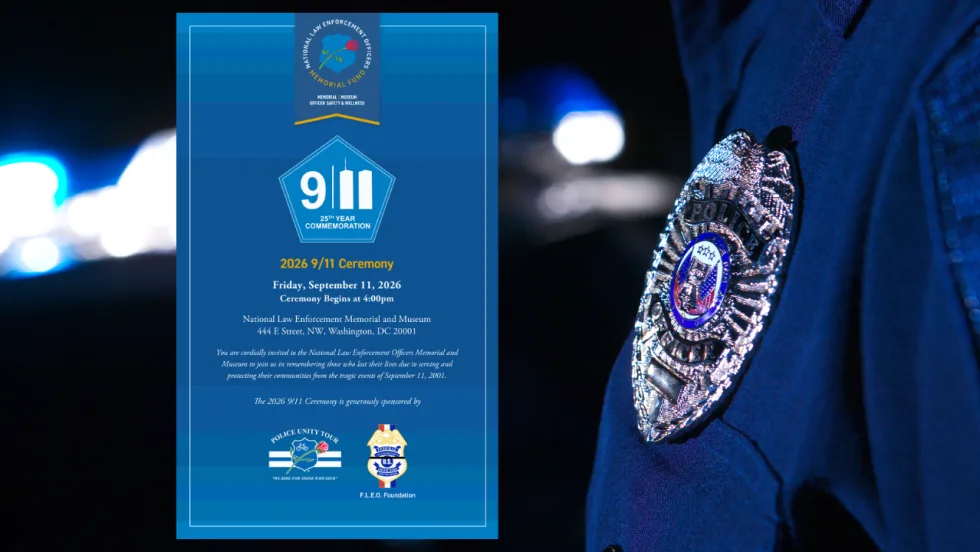
National Law Enforcement Memorial and Museum Hosting 9/11 25th-Year Commemoration Ceremony
The National Law Enforcement Memorial and Museum is hosting a 9/11 25th Year Commemoration Ceremony on Sept. 11 at 4 p.m.
Read More →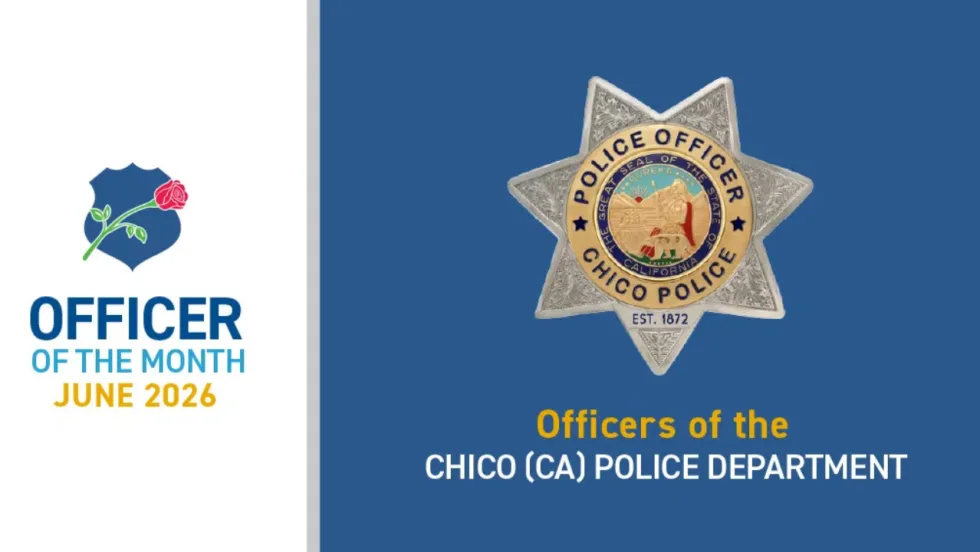
National Law Enforcement Officers Memorial Fund Announces June 2026 Officers of the Month
The National Law Enforcement Officers Memorial Fund (NLEOMF) named 15 officers of the Chico Police Department (California) as the Officers of the Month for June 2026 for their roles in responding to an active-shooter incident at a public library.
Read More →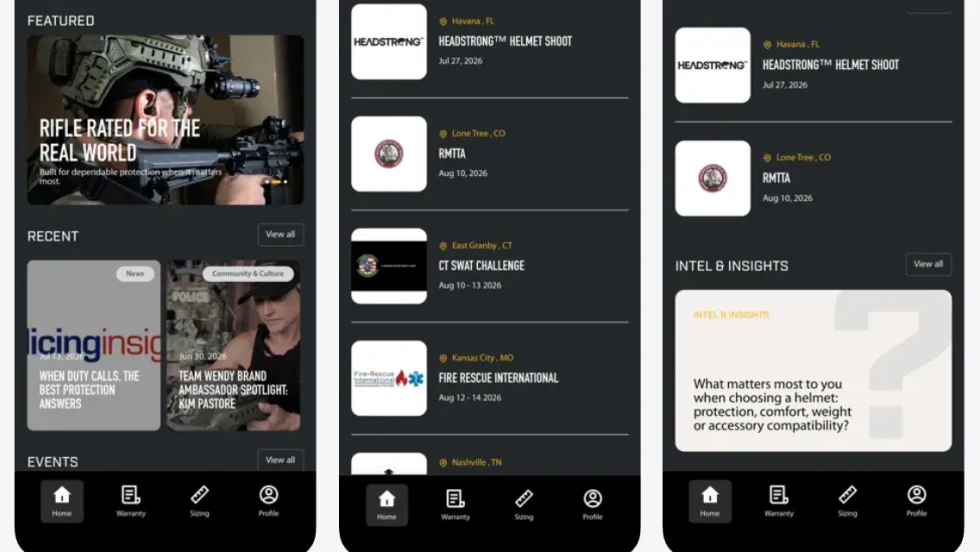
Team Wendy App Creates New Digital Hub for Helmet Owners
The Team Wendy Community App provides one location for warranty registration, size-fit tools, product updates, and community connection. For helmet owners, the new app creates a simpler path to the information and tools that matter most.
Read More →