



Keeping the Peace During Civil Disputes
Although it’s tempting to take sides on certain calls, doing so can have major repercussions for you and your agency.

Don’t you hate to get those calls? A landlord is trying to evict a tenant, or an estranged husband is trying to collect his share of community property, or a repossession agency is trying to hook up a vehicle, and they want you to stand by to keep the peace. Ugh.
Peacekeeping is, of course, one of your primary functions. But most cops would rather roll on a nice, straightforward, convenience store robbery than a “keep the peace” call. That’s partly because both parties to a civil dispute are likely to get into a nasty confrontation, and partly because it can be tempting—but costly—to take sides with the disputant who seems to be in the right. Risky business.
Civil Liability for Constitutional Violations
For starters, the U.S. Supreme Court has said that “the protection against unreasonable searches and seizures applies in the civil context.” (Soldal v. Cook County). This means that if you assist one party in taking property and it turns out the party had no legal right to take the property from the other party, you and your agency could be on the hook for civil damages under 42 US Code, section 1983. That’s what happened in the Soldal case.
The Soldal Facts
The Soldal family lived in a mobile home park in Elk Grove, Ill. The owner of the park started eviction proceedings for nonpayment of rent, but before a court order of eviction had been obtained as required under Illinois law, the landlord pushed ahead with arrangements to remove the Soldals’ trailer home from the park. Sheriff’s deputies were requested by the landlord “to forestall any possible resistance.” A deputy accompanied the landlord and stood by while the landlord removed the hook-ups, canopy, and skirting and hitched the trailer to a tractor.
Soldal complained that there was no eviction order, but the deputies told him they were there to see that he didn’t interfere with the eviction and that “they were going to go ahead and continue to move out the trailer.” The trailer was pulled away and moved onto another piece of property. The entire process caused considerable damage to the Soldals’ home.
Claiming a civil rights conspiracy and the violation of their Fourth Amendment rights, the Soldal family sued not only the property company and its employees, but also the county and the involved deputies. Lower courts dismissed the suit, believing that since no criminal investigation had been involved, there was no Fourth Amendment “seizure” that could be considered unreasonable. The Soldal plaintiffs appealed to the Supreme Court.
The Soldal Ruling
Reversing the lower courts, the Supreme Court quoted from its earlier ruling in U.S. v. Jacobsen that a seizure of property occurs when there is “some meaningful interference with an individual’s possessory interest in that property.” The court concluded that the Soldals’ possessory interests in their trailer home had been interfered with by disconnecting it from utilities and sewer and hauling it away: “As a result of the state action in this case, the Soldals’ domicile was not only seized, it literally was carried away, giving new meaning to the term ‘mobile home’.”
As for the notion that the Fourth Amendment does not apply outside the context of criminal investigations, the court said: “The reason why an officer might enter a house or effectuate a seizure is wholly irrelevant to the question whether the Fourth Amendment applies. The right against unreasonable seizures would be no less transgressed if the seizure of the house was undertaken to collect evidence, verify compliance with a housing regulation, effect an eviction by the police, or for no reason at all.”
A plaintiff bringing a civil rights lawsuit is also required to show sufficient involvement by officials to constitute “state action.” That showing was met here because the deputies stood by while a landlord without proper eviction papers disconnected the mobile home and hooked it up to a tractor, and because they told Mr. Soldal they were present to prevent his resistance. In other words, by assisting in an illegal eviction and restraining the tenant, the deputies took “state action” that made them and their agency liable to suit.
Similar concerns arise when the financer of a vehicle hires a repossessor to locate the vehicle and drive or tow it away because the buyer is in default on payments. Sometimes the repo man asks for police protection, and sometimes the buyer seeks police help to prevent a forcible repossession. What do you do?
Your Safest Course
Because laws sometimes vary widely from state to state, law enforcement officers should consult local advisors to determine the extent to which applicable statutes allow those who claim a possessory right in disputed property to evict an occupant or to remove the property over the other party’s objection. However, remember that the Fourth Amendment and Supreme Court decisions such as Soldal v. Cook County will apply in all jurisdictions.
Since situations arise unexpectedly, the safest course may be to learn local rules, train subordinates on them, and adopt a general policy against assisting either party in resolving property disputes. That’s a judge’s job.
Devallis Rutledge, a former police officer and veteran prosecutor, is Special Counsel to the Los Angeles County District Attorney.
More Patrol
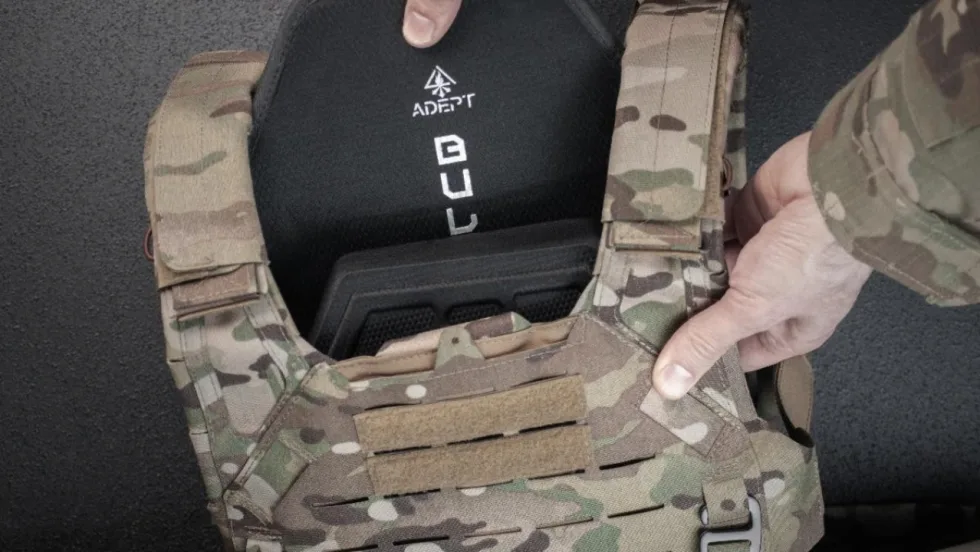
Adept Armor Introduces Two New Rifle Plates
Adept Armor has launched two new Level IV ballistic plates, the Emperor and the Archon Mark 2, which brings Adept Armor’s new Quatroid ceramic to the high-threat, performance-value center of the range at 5.2 pounds.
Read More →
POLICE Product Test: Benchmade Bailout
The Benchmade Bailout is a slim, lightweight carry knife with a deep-ride pocket clip and comes in a variety of blade steels and scales. Here is a detailed review of the Taiga Green Bailout, released earlier this year.
Read More →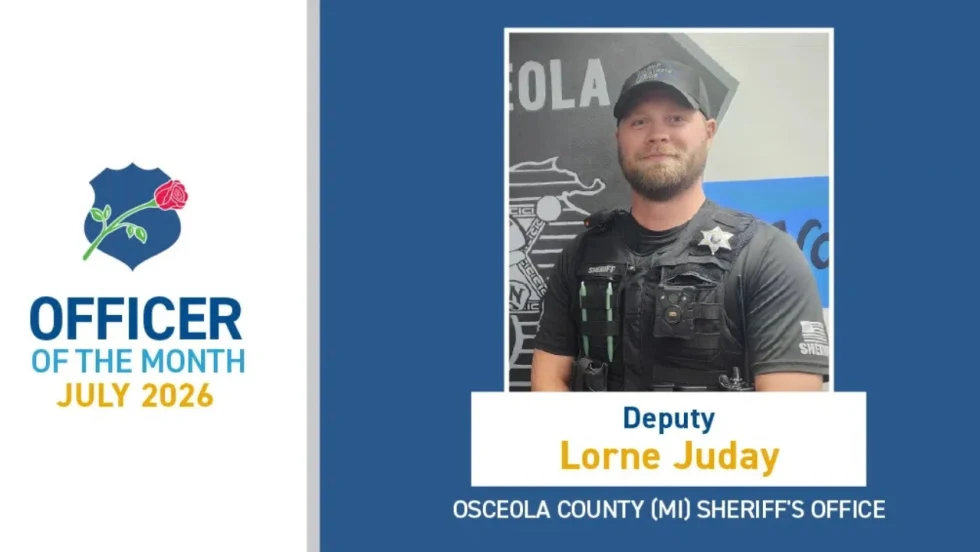
NLEOMF Announces July 2026 Officer of the Month
NLEOMF honored a Michigan deputy sheriff as the July 2026 Officer of the Month for rescuing a trapped driver from a burning vehicle following a Fourth of July crash.
Read More →
Streamlight to Showcase Newest Lighting Products at National Safety Council’s Safety Congress & Expo 2026
Streamlight will showcase its latest lights, including the Portable Scene Light III and the LiteBox 1Million, at the 2026 National Safety Council (NSC) Safety Congress & Expo.
Read More →
The 2027 World Police & Fire Games Set for Perth, Australia
The 2027 World Police & Fire Games (WPFG) will take place in Perth, Western Australia, from Friday, March 12 through Sunday, March 21, 2027.
Read More →
5.11 Partners with National Fallen Firefighters Foundation to Support #ForThe343
5.11 has joined the nationwide movement honoring the 343 New York City Fire Department firefighters lost on Sept. 11, 2001.
Read More →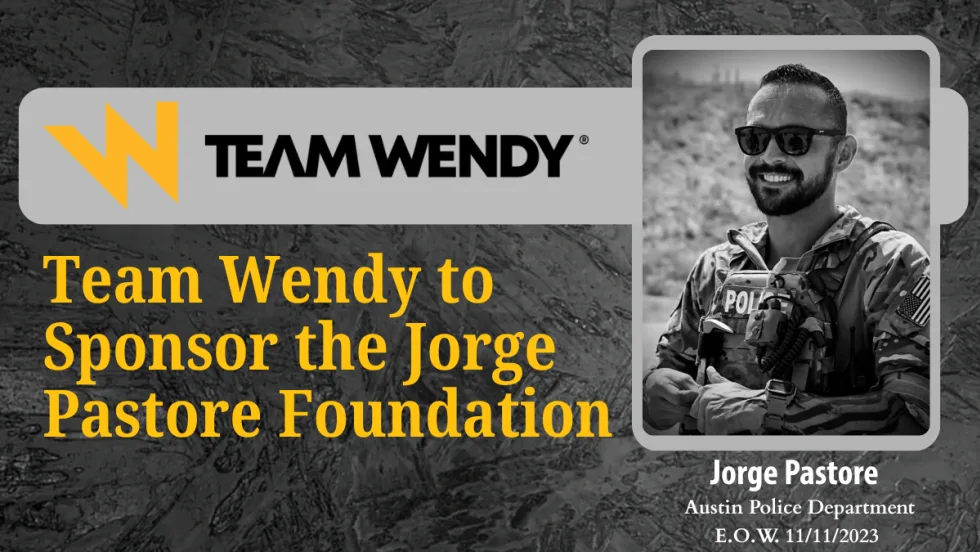
Team Wendy Announces Title Sponsorship of the Jorge Pastore Foundation
Team Wendy’s 3-year partnership with the Jorge Pastore Foundation expands access to programs that strengthen those who serve.
Read More →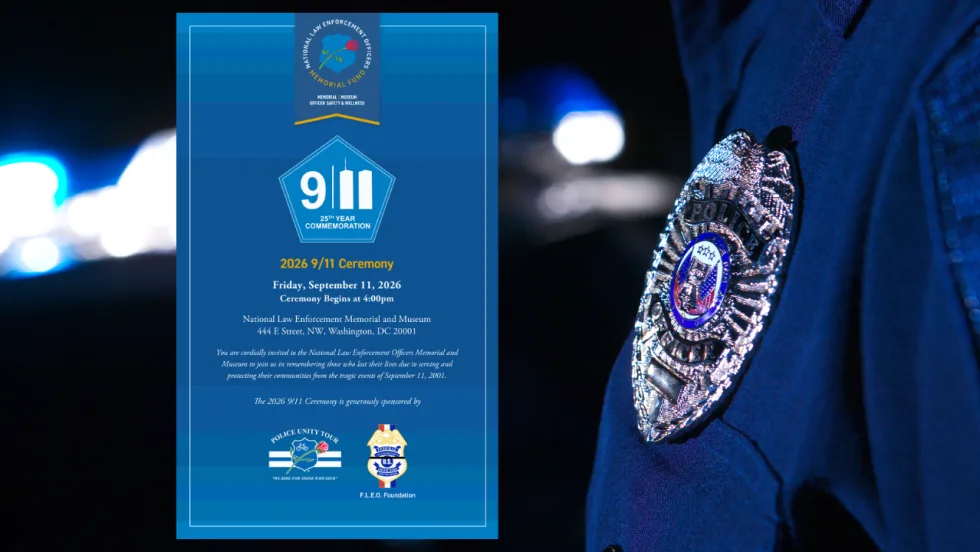
National Law Enforcement Memorial and Museum Hosting 9/11 25th-Year Commemoration Ceremony
The National Law Enforcement Memorial and Museum is hosting a 9/11 25th Year Commemoration Ceremony on Sept. 11 at 4 p.m.
Read More →
National Law Enforcement Officers Memorial Fund Announces June 2026 Officers of the Month
The National Law Enforcement Officers Memorial Fund (NLEOMF) named 15 officers of the Chico Police Department (California) as the Officers of the Month for June 2026 for their roles in responding to an active-shooter incident at a public library.
Read More →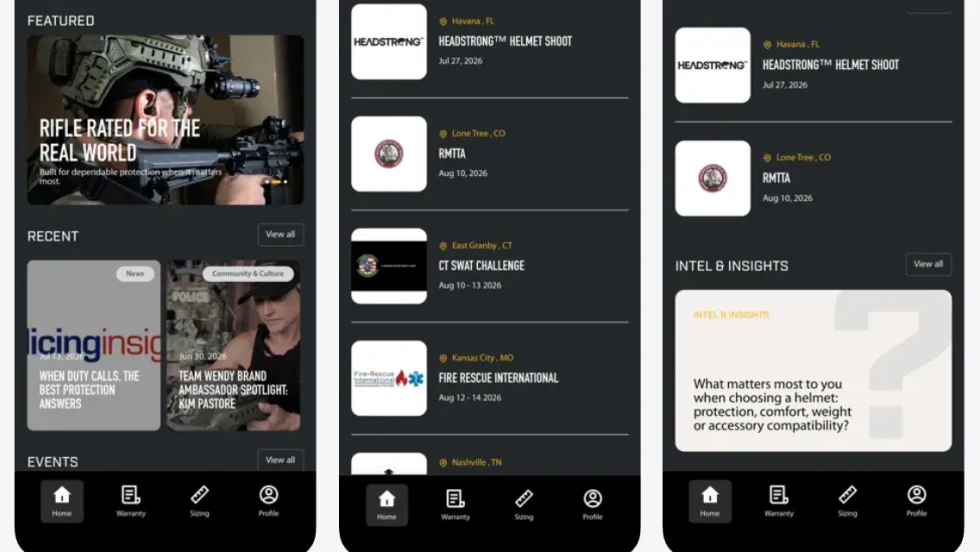
Team Wendy App Creates New Digital Hub for Helmet Owners
The Team Wendy Community App provides one location for warranty registration, size-fit tools, product updates, and community connection. For helmet owners, the new app creates a simpler path to the information and tools that matter most.
Read More →