



Kahr PM45
Its slim measurements and short height make the PM45 perfect for its intended role as a concealed carry gun. Despite its diminutive size and light weight, this pistol is controllable and effective. Kahr has redefined the criteria by which we judge concealable handguns.

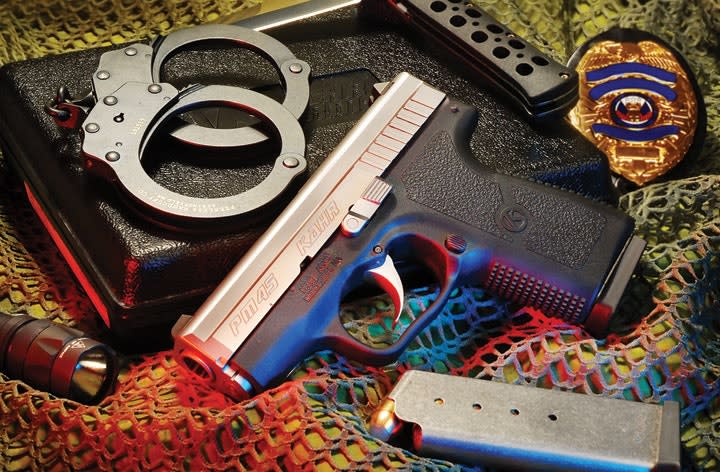
Carrying a gun undercover or even off-duty has always been a matter of compromise. For the gun to remain undetected, it needs to be small and lightweight. Those criteria, however, also preclude the undercover or off-duty officer from carrying a pistol capable of firing a serious fight-stopping caliber. So while the officer or agent may be armed it is usually with a gun of smaller caliber than desired.
Veteran officers remember that just a decade ago the Colt Detective Special was often selected for undercover and off-duty use. That revolver weighed a little more than 25 ounces loaded with six rounds of .38 Special. Back then, no one would have imagined that one day we'd have a polymer semi-automatic, chambered for the potent .45 ACP, that measures just an inch thick and weighs a mere 23 ounces loaded.
But those are the dimensions of the new Kahr PM45 pistol. And loaded with 5 + 1 rounds of hard-hitting .45 ACP this semi-auto pistol weighs less than a pound and a half. Its slim measurements and short height make the PM45 perfect for its intended role as a concealed carry gun. Despite its diminutive size and light weight, this pistol is controllable and effective. Kahr has redefined the criteria by which we judge concealable handguns.
For those of you working undercover the new Kahr PM45 means that you won't have to sacrifice size for power. Why carry a Walther PPK chambered for .380 ACP when you can carry the PM45? Previously, if you wanted a gun chambered for .45 ACP your choices were mostly limited to a 1911 derivative. Kahr's new design handily beats even the subcompact, alloy-framed 1911s in both weight and dimensions.
Design Details
Like other Kahr pistols, the new PM45 features a slick double-action-only (DAO) trigger and is striker fired. Unlike the 1911 there is no external hammer. There is also no need for a grip safety or thumb safety, both of which are notorious for digging into the skin when carried concealed. Kahr bevels the rear of the slide stop, where your thumb rides in a normal shooting grip, to prevent abrasion. Kahr positions the magazine release in the American-favored and Browning-inspired location near the junction of the frame and trigger guard.
When Kahr first introduced its polymer pistols, the magazine releases were made from polymer with a steel insert. Its 9mm guns worked fine but releases started failing with the higher pressures of the .40 S&W cartridge. Kahr uses a steel magazine release on the PM45 and I experienced no problems at all with it.
Another improvement in the evolution of Kahr pistols is that the company's engineers have increased the surface area of the barrel's lug where it makes contact with the slide stop pin. Slide release pin fractures were rare but this change solved the problem completely.
The key to the PM45's light weight is its polymer frame. Kahr molds a stainless steel insert into the plastic frame to prevent metal-to-plastic contact that would accelerate wear. There are bilateral rails molded into the inside of the gun's dustcover that engage slots on the slide. The insert is also exposed at the rear of the polymer frame for the slide to reciprocate on.
For a secure firing grip, the frame uses grenade-style checkering on the front and rear straps. There are no grip panels used on the PM45. Instead, the sides of the polymer frame are textured. The texturing provides enough friction for a firm grip but not so much that it will cause clothing to hang up on it or abrade the skin if the gun is worn next to it.
For the greatest accuracy, Kahr purchases rifled barrel blanks from Lothar Walther. The manufacturer claims higher velocity, superior accuracy, and longer life. Kahr machines the 4140 carbon blanks into finished barrels at its manufacturing facility in Massachusetts.
Perhaps the best feature of the Kahr family of pistols is their DAO triggers. My PM45 test sample broke with seven pounds of pressure though it was so smooth that it felt much lighter. Unlike many other semi-autos with DAO triggers, the Kahr trigger doesn't have any clicks, hitches, or stacking. All you feel is smooth, consistent resistance until the trigger breaks. Reset is positive and there weren't any instances of short stroking, or failure for the trigger to reset, during the shooting portion of the evaluation.
Kahr uses a dual recoil spring system on the PM45. Because of the very limited space under the barrel, it is doubtful that the gun could operate with a single recoil spring. If it could, the spring would have to be so stout that it would be nearly impossible to hand cycle the action. But using two springs gives the gun the needed spring mass for proper function and the slide can be easily manipulated. A small diameter spring is tightly wound around the steel recoil spring guide and a stainless steel cap goes over that spring. The cap has a lip and the other, larger diameter spring, is wrapped around the cap. This recoil spring set-up prevents the springs from rubbing against each other so the cycling is extremely smooth.
Range Time
I've had the opportunity to shoot nearly every model of Kahr pistol for as long as they have been making them. One thing that I've learned from my experience is that all Kahr pistols are extremely accurate.
But I didn't expect the PM45 to meet that standard. After all, a 23-ounce .45 ACP pistol with a three-inch barrel is not going to be a tack driver.
Surprisingly, I discovered that it was a mistake to not hold the PM45 to the same accuracy standards as other Kahr pistols. I set up my targets at 15 yards and used a Millet Benchmaster for support while I fired all groups from a seated position.
All groups consisted of five consecutive shots and all bullet weights printed very near the point of aim at 15 yards, even the 160-grain Cor-Bon DPX hollow points. Despite the variety of bullet nose profiles tested with the pistol, I was unable to make it burp. It fed everything just fine and there were no stoppages of any sort.
In an effort to see just how much controllability I would be sacrificing by using a lightweight polymer .45, I set up steel targets at 12 yards. I used a PACT electronic timer to measure the amount of time between my double taps. My splits, or time between shots, averaged 50/100ths of a second with the PM45.
For comparison I also brought along a full-sized, steel-framed 1911. Using the same handloads my splits averaged 45/100ths of a second.
I couldn't believe it, using a gun that weighed almost a pound-and-a-half more with two more inches of barrel and sight radius and the difference was only 5/100ths of a second? Is that difference worth the effort it takes to conceal a full-sized 1911 and do you want to carry a 45-ounce gun or a 23-ounce pistol? It was an easy decision for me.
Does It Hurt?
I don't want you to think that I've skipped over the inevitable. By now you're asking yourself about the recoil of a 23-ounce polymer .45 ACP.
I have to tell you, it is not as brutal as you might imagine. I started my evaluation by doing the accuracy portion from a bench and fired more than 100 rounds in an hour's time.
I did get fatigued a little, but I was far from beaten up. In fact, there weren't any groups that I had to discard because of a flinch-induced flyer. The PM45's backstrap is the width of the frame and spreads the recoil over a broad surface area.
Another contributing factor to the PM45's shootability is its excellent ergonomics. The gun sits low in the hand because of its patented offset feedramp that allows the trigger bar to ride next to the barrel's feedramp instead of under it. This design feature makes an incredible difference in the gun's height. Because the bore's axis is closer to the hand there is less muzzle flip.
For an undercover officer or agent, having an undetected gun handy can mean the difference between life and death. In the past, sacrificing power for size was just one of the many compromises that law enforcement professionals were forced to endure.
But now thanks to Kahr Arms we have a gun comparable in size and weight to most .380 pistols yet packing the potent punch of .45 ACP. Kahr has eliminated the compromise between size and power.
More Weapons
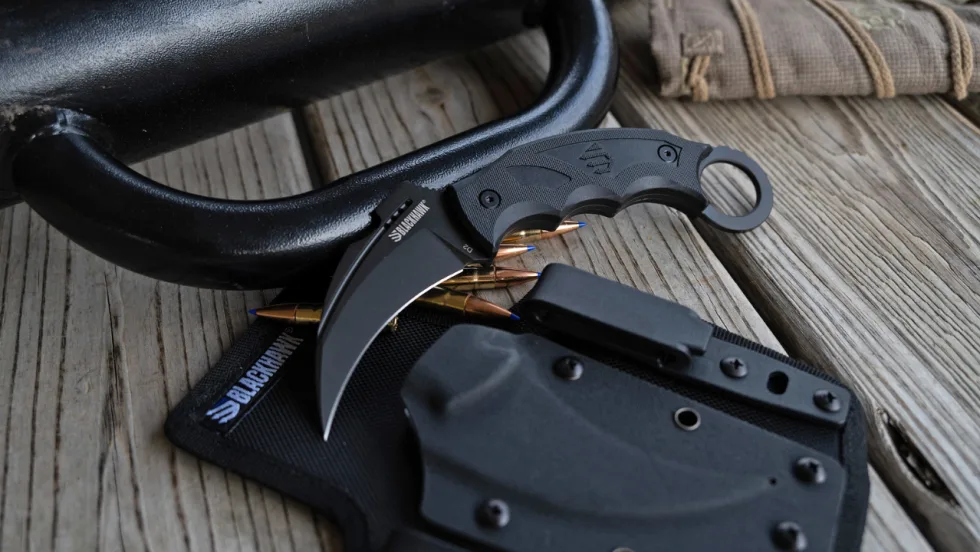
Blackhawk Introduces the Garra Fixed Karambit
The Blackhawk Garra Fixed Karambit is made from D2 steel and features a curved profile that enhances slicing efficiency, plus the full-tang construction ensures strength and durability from tip to handle.
Read More →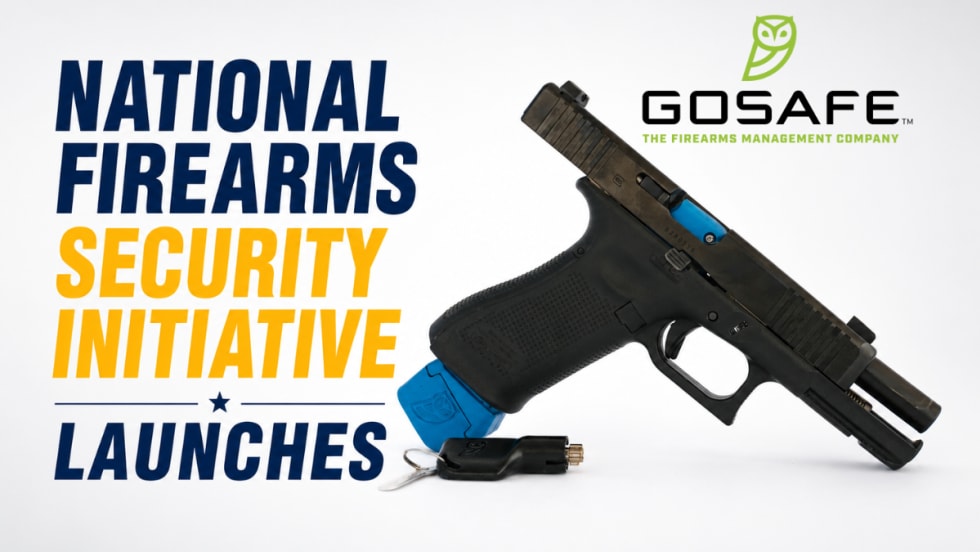
GOSAFE Technology Announces Public Safety Initiative Focused on Firearm Security and Risk Reduction
GOSAFE Technology’s new initiative provides support for agency-level solutions around secure firearm storage, vehicle-storage risks, off-duty firearm security, firearm accountability, and the public safety consequences that may result when firearms are stolen, lost, improperly secured, or diverted from lawful possession.
Read More →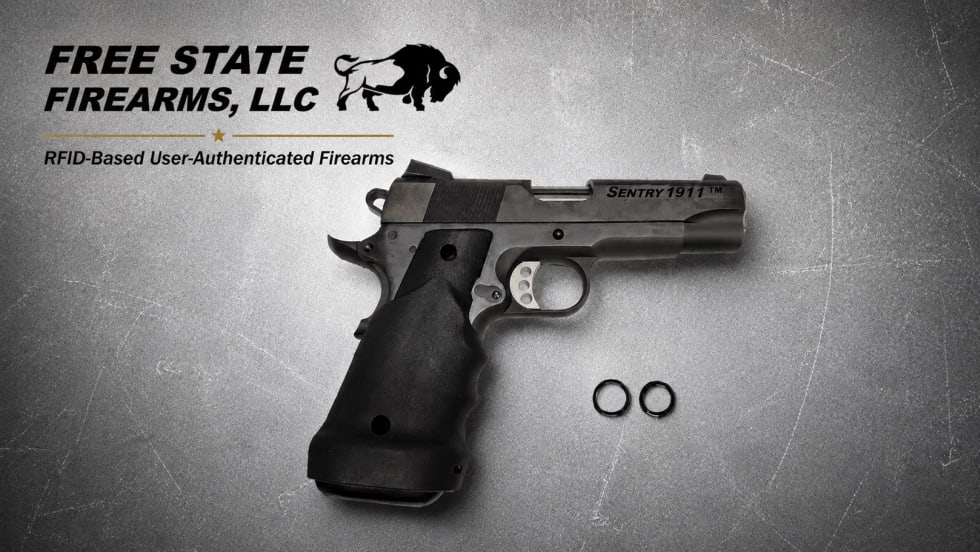
Texas Sheriff’s Office Deploys RFID-Based User-Authenticated Firearm for Prisoner Transport Operations
A sheriff’s office in Texas is now using RFID-based user-authenticated firearms, from Free State Firearms, for prisoner transfer and transport operations.
Read More →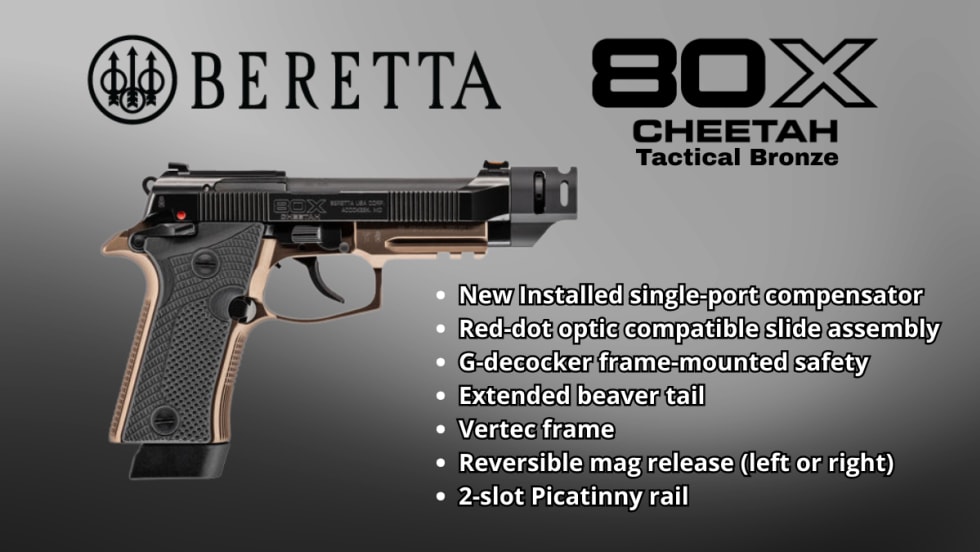
Beretta Introduces the 80X Cheetah Tactical Bronze
Beretta has launched the 80X Cheetah Tactical Bronze, which features a fiber-optic front sight, a serrated rear sight, and a Picatinny rail for accessory mounting, and ships with three 15-round extended magazines.
Read More →
Wrap Raises $5 Million to Restart Domestic Manufacturing & Advance R&D
With new funding, Wrap Technologies will restart domestic manufacturing, advance validated R&D programs into commercialization, and responsibly accelerate early growth initiatives aligned with rising demand for non-lethal response capabilities.
Read More →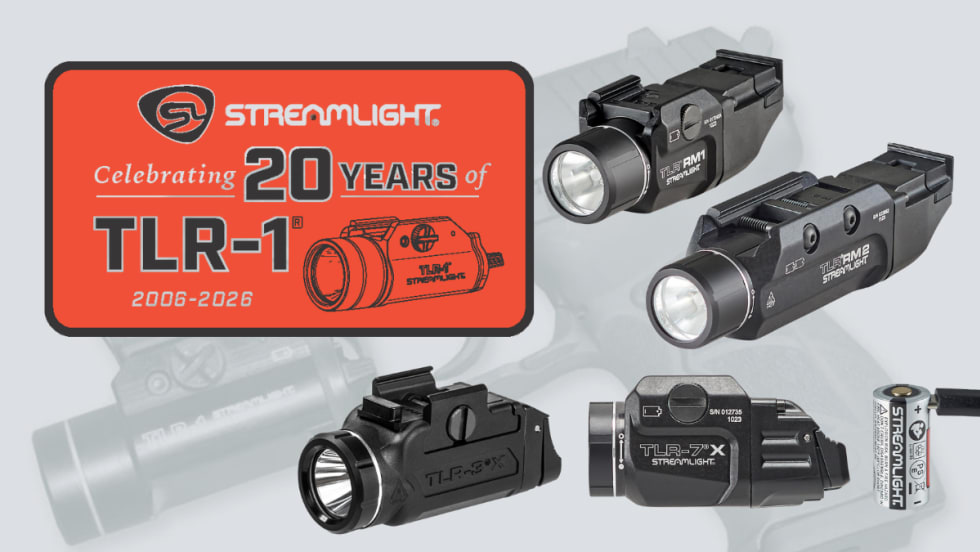
Streamlight Celebrates the 20-Year Anniversary of the TLR Series
This year, Streamlight marks two decades of weapon-mounted lighting innovation with the 20th anniversary of the TLR-1.
Read More →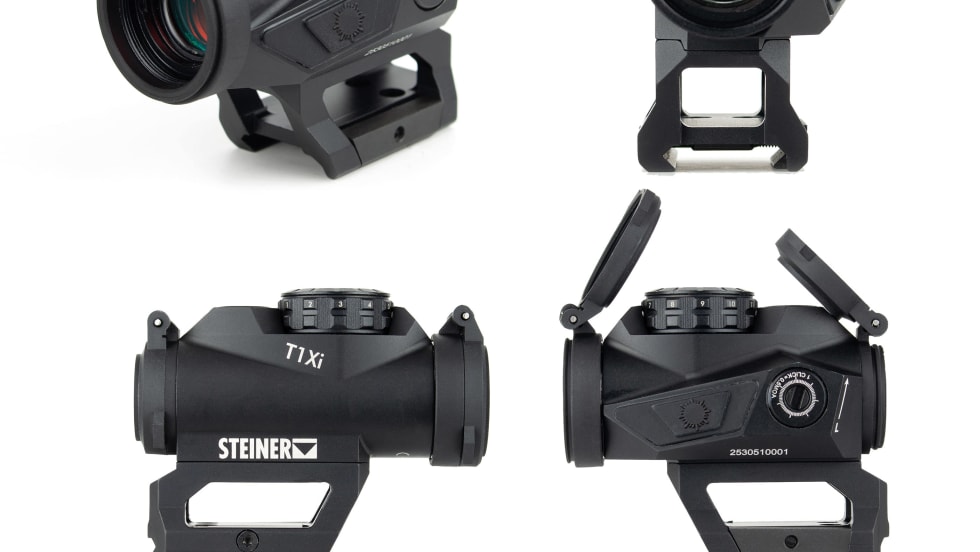
Steiner’s T1Xi Selected as Top Performer in Texas DPS Optic Evaluation
Steiner Optics’ T1Xi was selected as the top-performing red dot in the recent Texas Department of Public Safety optic evaluation.
Read More →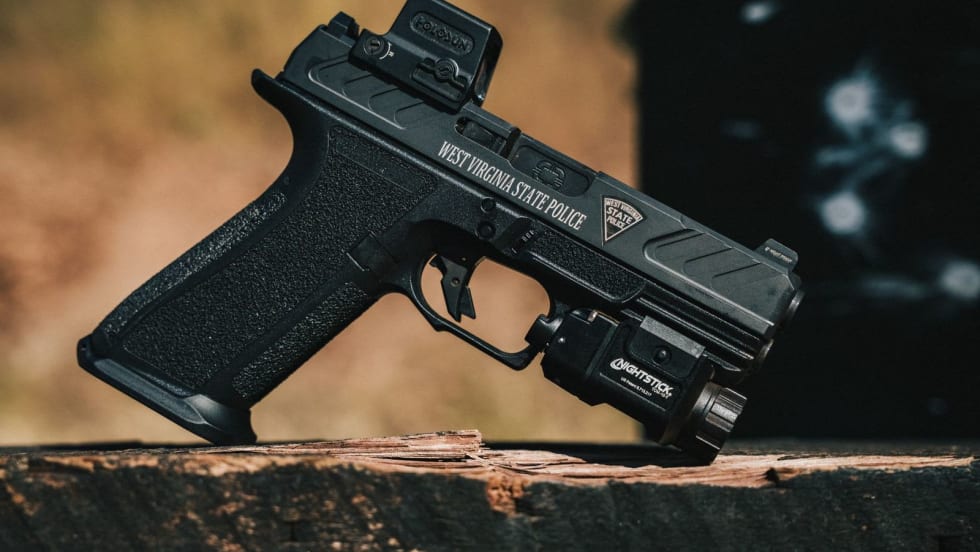
Shadow Systems Selected as Exclusive Pistol Provider for West Virginia State Police
Shadow Systems will provide 700 XR920 crossover pistols for West Virginia State Police troopers and 80 CR920X high-capacity subcompact pistols for the Bureau of Criminal Investigation.
Read More →
Aimpoint Celebrates 50 Years of Innovation and Excellence in Sighting Technology
Aimpoint is marking its 50th anniversary in 2025, celebrating five decades of red dot innovation trusted by military, law enforcement, and tactical professionals worldwide.
Read More →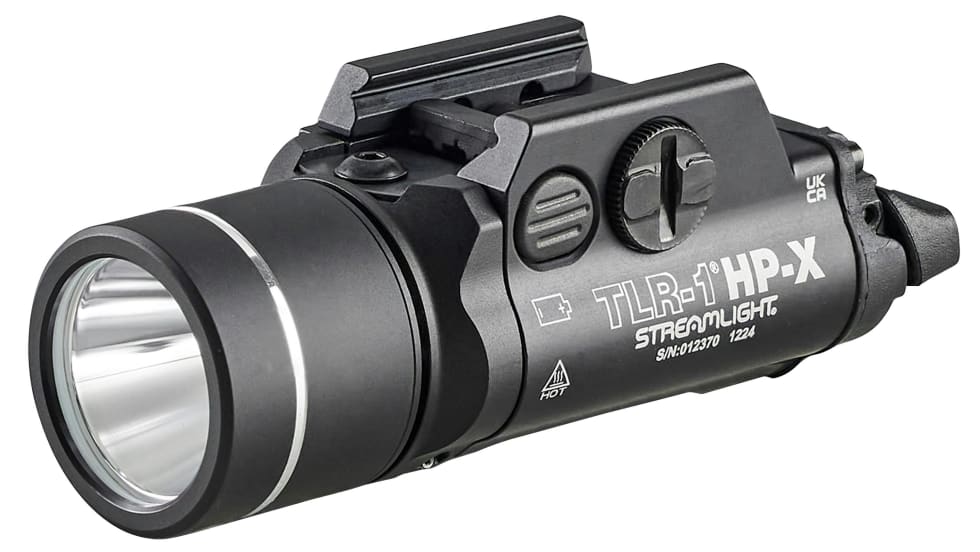
Streamlight Introduces Long-Range Handgun Light
“Our newest weapon light provides an industry-leading level of candela for handguns, giving users enhanced visibility under low light conditions, such as when searching a dark alley,” said Streamlight President Michael F. Dineen.
Read More →